Whether a Burmese Needs Pre Anesthetic Bloodwork
When your beloved Burmese cat needs any procedure that requires anesthesia, a wave of anxiety can naturally wash over you. It's perfectly normal to worry about their safety during such times, and one of the most common questions that comes up is whether pre-anesthetic bloodwork is truly necessary. This comprehensive guide aims to demystify why these tests are so important for your Burmese, offering peace of mind and ensuring the safest possible outcome.
Why Anesthesia Carries Risk for Any Cat
Anesthesia, while generally safe with modern protocols, is never without its risks, and this holds true for our feline friends. Cats, with their unique physiology, metabolize drugs differently than humans or even dogs, making careful preparation and monitoring absolutely crucial. As a responsible cat parent, understanding these inherent risks is the first step toward ensuring your Burmese's well-being. It’s not about fear-mongering; it's about informed care.
Understanding Anesthetic Risk Factors in Felines
Several factors can influence a cat's individual risk profile when undergoing anesthesia. Age is a significant one; very young kittens or senior cats often have less robust organ function, making them more vulnerable. Existing health conditions, even those not immediately obvious, can also dramatically increase risk. For instance, an undiagnosed heart murmur, kidney disease, or liver issues can turn a routine procedure into a life-threatening event. Certain breeds can also have predispositions to specific conditions that might impact anesthetic safety, making a detailed history and examination vital.
Beyond age and general health, even things like hydration status or recent medication use can play a role. Your vet takes all these elements into account, but without a clear picture of what's happening inside your cat, it's like flying blind. We know that a Burmese can hide illness behind its affection, making these deeper diagnostic steps even more critical.
How Burmese Cats Differ in Metabolic Processes
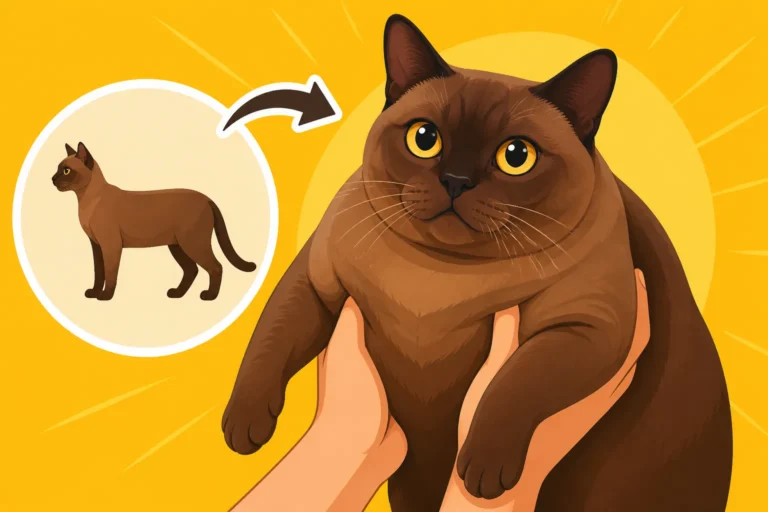
Burmese cats are known for their dense, muscular build, often described as "a brick wrapped in silk." While this gives them their distinctive look, it also means they can be heavier than they appear, which impacts drug dosages. More importantly, like all breeds, Burmese cats can have specific health predispositions that make pre-anesthetic screening even more pertinent. For example, the breed is famously susceptible to diabetes. Why a Burmese Is Four Times More Likely to Become Diabetic This genetic predisposition means that even a seemingly healthy Burmese could have early signs of glucose imbalance that anesthesia could exacerbate.
Their efficient metabolism, combined with a tendency to mask discomfort, means that underlying issues might not be apparent until they become severe. A cat that appears perfectly healthy on the outside might have compromised liver or kidney function that could struggle to process anesthetic agents. Without bloodwork to highlight these potential weaknesses, the anesthetic plan would be based on assumptions rather than precise data, which is a gamble no loving owner wants to take.
The Crucial Role of Pre-Anesthetic Bloodwork for Your Burmese
So, let's get down to the core question: does your Burmese really need pre-anesthetic bloodwork? The unequivocal answer is yes. This isn't just an upsell; it's a vital diagnostic tool that provides your veterinarian with a roadmap to your cat's internal health, allowing them to tailor the safest possible anesthetic protocol. It helps catch potential problems before they become emergencies.
What a Standard Pre-Anesthetic Panel Covers
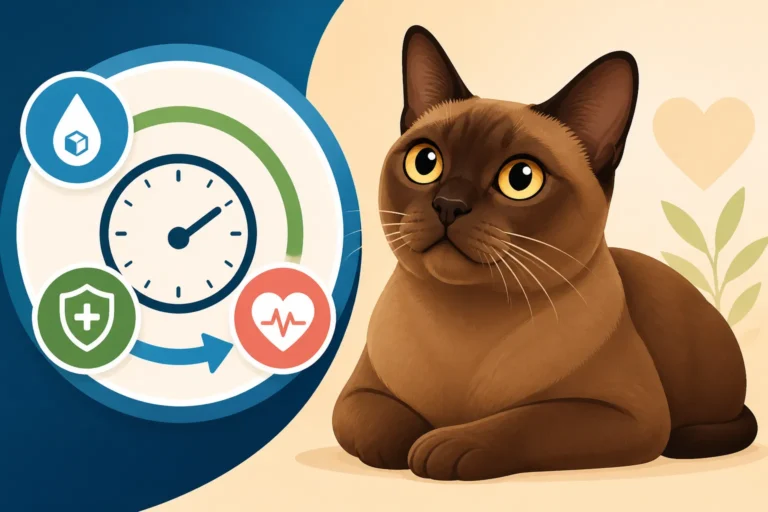
A typical pre-anesthetic blood panel for a cat includes several key components, each offering a unique insight into your Burmese's health:
| Test Component | What it Checks For | Why it's Vital Before Anesthesia |
|---|---|---|
| Complete Blood Count (CBC) | Red blood cells (anemia), white blood cells (infection/inflammation), platelets (clotting ability). | Anemia can reduce oxygen delivery during anesthesia; infection can complicate recovery; poor clotting is a surgical risk. |
| Chemistry Panel | Kidney function (BUN, Creatinine), liver function (ALT, ALP), blood sugar (Glucose), protein levels. | Kidneys and liver metabolize and excrete anesthetic drugs; high glucose can complicate recovery; abnormal protein indicates other issues. |
| Electrolytes | Sodium, Potassium, Chloride levels. | Imbalances (like hypokalemia, which Burmese can be prone to) can affect heart rhythm and overall stability during anesthesia. |
This snapshot of your cat's internal workings allows the vet to make informed decisions. For instance, if the bloodwork reveals early kidney impairment, the vet might choose different anesthetic agents that are less taxing on the kidneys, or ensure aggressive IV fluid support is in place. If there's an indication of an underlying infection, they might prescribe antibiotics before the procedure to prevent complications. This proactive approach drastically reduces risks.
Catching Hidden Dangers Specific to Burmese Cats
Given the Burmese's genetic predispositions, pre-anesthetic bloodwork can be particularly enlightening. As mentioned, diabetes is a significant concern for the breed. Why a Burmese's Glucose Should Be Checked From Seven A pre-anesthetic glucose reading can flag early signs of this metabolic disease, allowing for a modified anesthetic plan and a crucial conversation about dietary changes or ongoing monitoring. Finding elevated glucose levels before a procedure is far better than discovering a diabetic crisis post-operatively.
Another breed-specific concern can be hypokalemia, a condition where the cat experiences dangerously low potassium levels. While often presenting with acute symptoms, carrier cats or those with subclinical forms might benefit from electrolyte checks, as stress from anesthesia could potentially trigger an episode or complicate recovery. Hypokalemia Is the Burmese Disease With a DNA Test Ensuring stable electrolyte levels is foundational to anesthetic safety.
Furthermore, as Burmese cats age, kidney disease can become a concern, just like in other breeds. How Kidney Disease Arrives in an Old Burmese Bloodwork offers an early warning system, allowing for dietary adjustments or supportive care to begin sooner, potentially extending their healthy years. It’s also vital for ensuring that the anesthetic chosen won't overly stress already compromised organs.
Navigating the Decision and What to Expect
While the benefits are clear, it's also natural to consider the practicalities, including cost. However, thinking of pre-anesthetic bloodwork as an optional add-on rather than a foundational safety measure can be a costly mistake in the long run, both emotionally and financially.
When Pre-Anesthetic Bloodwork is Non-Negotiable
There are situations where pre-anesthetic bloodwork truly moves from a strong recommendation to a non-negotiable requirement. For older Burmese cats, generally those past seven years old, a full diagnostic panel is absolutely essential. Their organs have had more wear and tear, and age-related conditions like early kidney disease, hyperthyroidism, or even the beginnings of diabetes are far more common. Caring for a Burmese Past Twelve Skipping bloodwork for a senior cat is simply not worth the risk.
Cats with known health issues, no matter their age, also fall into this category. If your Burmese has a history of heart murmurs, dental disease (which can indicate other underlying issues), or has been on any long-term medications, bloodwork provides critical information on how their body is currently coping and how it might react to anesthesia. Any procedure involving more than minimal sedation, such as dental cleanings, tumor removals, or emergency surgeries, should always be preceded by bloodwork.
Understanding the Costs Versus the Benefits
Let's be realistic: veterinary care isn't cheap, and adding pre-anesthetic bloodwork to an already expensive procedure can feel like a pinch. A full panel can range from $100 to $300, depending on your location and clinic. However, consider the alternatives. An adverse reaction to anesthesia due to an undetected underlying condition can lead to much more extensive emergency care, hospitalization, and even irreversible damage. These costs can easily run into thousands of dollars, not to mention the emotional toll.
Many pet insurance providers, such as Healthy Paws, offer plans that can help cover unexpected veterinary expenses, including diagnostic tests. While a policy might not cover pre-existing conditions if bloodwork reveals them before the policy is active, having that safety net in place before any issues arise can make a world of difference. It transforms a potentially daunting expense into a manageable investment in your cat's safety. What Diabetes Costs a Burmese Owner a Year Knowing your cat's baseline health allows for preventive measures and potentially much lower long-term costs. It truly becomes an investment in ensuring the sixteen to eighteen years a well bred Burmese gets are as healthy as possible.
Beyond Bloodwork: A Holistic Approach to Burmese Anesthesia
While bloodwork is foundational, it's part of a larger, holistic approach to ensuring your Burmese has the safest possible anesthetic experience. Your veterinarian will consider many factors to create a personalized plan.
The Importance of a Thorough Physical Examination
Before any anesthesia, your Burmese will undergo a comprehensive physical examination. This isn't just a quick once-over; it's a detailed assessment where your vet will listen to their heart and lungs, check their hydration status, feel their abdomen, and assess their overall body condition. They'll also check for any visible signs of illness or discomfort. This examination, combined with the bloodwork results, paints a complete picture. For instance, a veterinarian might notice a subtle heart murmur during the exam, which, when combined with bloodwork, could lead to further cardiac diagnostics like an echocardiogram before anesthesia. How to Weigh a Burmese Accurately at Home is a good practice for owners, as changes in weight can signal underlying issues that a vet will assess during their physical.
This thorough exam also includes checking their teeth and gums, which is particularly relevant for Burmese cats given their propensity for dental issues. Why a Burmese's Gums Recede Early Severe dental disease can sometimes indicate underlying systemic inflammation or infection that needs to be managed before anesthesia.
Supporting Your Burmese During and After Anesthesia
Once your Burmese is under anesthesia, the care doesn't stop. Most modern veterinary practices utilize sophisticated monitoring equipment, tracking heart rate, respiratory rate, blood pressure, oxygen saturation, and body temperature. Intravenous (IV) fluids are almost always administered during anesthesia. These fluids help maintain blood pressure, support organ function (especially the kidneys, helping them flush out anesthetic drugs), and ensure your cat stays well-hydrated. This is a crucial element, particularly if bloodwork revealed any early kidney concerns.
Post-operatively, diligent monitoring continues as your Burmese recovers. Pain management is paramount, ensuring a comfortable and stress-free awakening. Your vet and veterinary technicians will monitor their vital signs, warmth, and alertness. They'll also be watching for any signs of complications. Your vet will provide detailed instructions for at-home care, including medication schedules, feeding guidelines, and activity restrictions. This full spectrum of care, from initial bloodwork to post-operative recovery, is designed to minimize risk and maximize a healthy outcome for your beloved Burmese. It’s part of the comprehensive care package, akin to understanding Which Blood Panel a Burmese Should Have Yearly for their general well-being.
Disclaimer
This article is intended for informational purposes only and does not constitute medical advice. Always consult with a qualified veterinarian for any health concerns or before making decisions about your pet's care.