Whether a European Burmese Outlives an American One
It’s a natural thing to wonder, especially when you’re considering bringing a new furry family member into your home: will this particular breed or type live a long, healthy life? And if there are different "types" within that breed, like the American and European Burmese, it's totally understandable to ask if one might have a longevity advantage over the other. Today, we're going to dive deep into whether a European Burmese cat truly outlives its American counterpart, exploring the nuances that really shape a Burmese's lifespan.
Understanding the Two Burmese Types and Their Health Baselines
Before we can even begin to compare lifespans, we need to understand why there are two distinct types of Burmese cats in the first place, and what general health considerations apply to both. It's not as simple as East vs. West; it's a fascinating story of breed development and different aesthetic ideals.
A Brief History of the Split
The Burmese breed itself originated in the United States with a single cat named Wong Mau, brought from Burma (now Myanmar) in 1930. She was bred with a Siamese, and from those initial litters, the Burmese we know and love today began to take shape. However, over time, different preferences for appearance started to emerge, particularly between breeders in North America and those in the United Kingdom.
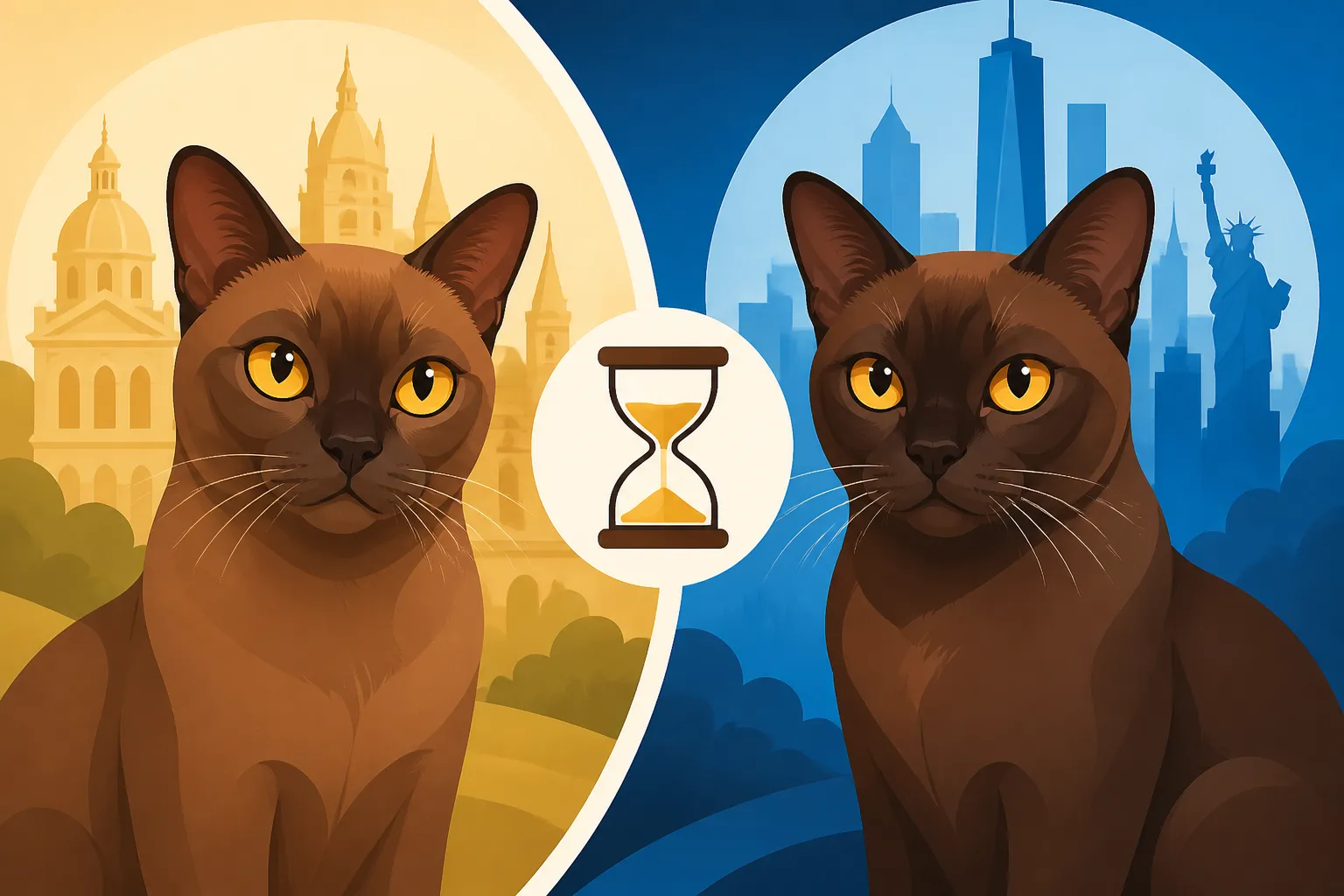
In the U.S., breeders tended to favor a more compact, cobby body type with a distinctly rounded head, short muzzle, and full cheeks. This became known as the American Burmese. Across the Atlantic, particularly after World War II, British breeders started to move in a different direction. They preferred a more oriental, svelte body, with a wedge-shaped head, longer muzzle, and slightly almond-shaped eyes. This divergence led to the establishment of two separate breed standards and, consequently, what we now call the European Burmese (or British Burmese in the UK). While they share a common ancestor, their physical characteristics and, to some extent, their gene pools, have evolved independently for decades. This separation meant that any genetic predispositions, good or bad, could develop differently within the two lines.
General Burmese Lifespan Expectations
Regardless of whether you have an American or European Burmese curled up on your lap, these are generally considered a long-lived breed. Many sources and breeders will tell you to expect a lifespan somewhere between 12 and 18 years, and it's not at all uncommon for a well-cared-for Burmese to sail past that 18-year mark and even reach their early twenties! Truly, the phrase How Many Years a Well Bred Burmese Lives is often a testament to their inherent robustness and the dedicated care they receive.
Of course, reaching those senior years isn't a given; it's the result of a combination of good genetics, excellent nutrition, regular veterinary care, and a loving, low-stress environment. Just like humans, a cat's individual health trajectory is influenced by many factors beyond just their breed type. A Burmese with a strong genetic background, fed a high-quality diet, kept at a healthy weight, and receiving prompt medical attention when needed, has the best chance of enjoying a long, fulfilling life, irrespective of its particular "type."
Key Health Concerns Common to Both Types
While we're discussing potential lifespan differences, it's crucial to acknowledge the health challenges that affect both American and European Burmese. These aren't exclusive to one type but are breed-wide predispositions that all owners should be aware of. Understanding these commonalities helps us see that overall health management is often more impactful than a subtle distinction between the two types.
One of the most significant health concerns for the Burmese breed is diabetes mellitus. In fact, it's well-documented that The Burmese Has the Highest Diabetes Rate of Any Cat Breed. This isn't a problem unique to American or European lines; it's a widespread issue within the breed's genetics. The good news is that diet and weight management play an enormous role in preventing and managing this condition. Understanding Why Portion Control Is Medical Care in a Burmese is not an exaggeration; it's a life-saving approach.
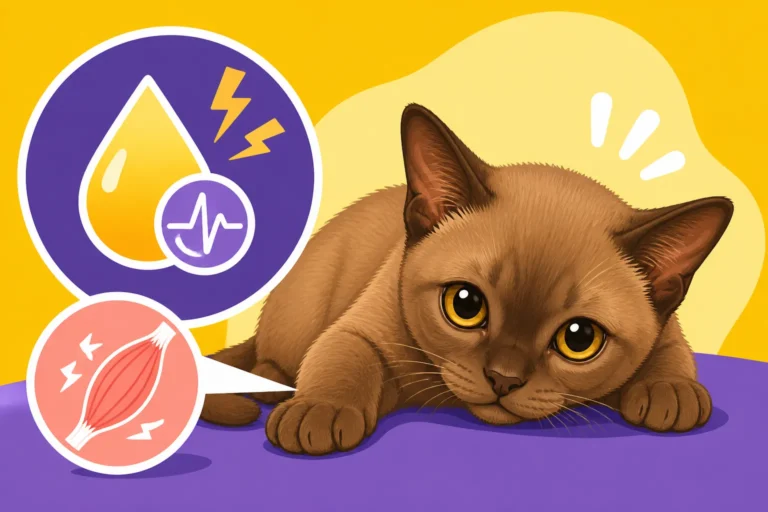
Another serious genetic condition that can affect Burmese cats is Hypokalemia, also known as Familial Episodic Hypokalemic Polymyopathy. This is a condition where the cat experiences periods of extreme muscle weakness due to low potassium levels. Thankfully, Hypokalemia Is the Burmese Disease With a DNA Test, which means responsible breeders can screen for it. Both American and European lines can carry the gene responsible for this, making careful breeding practices essential globally.
Finally, dental disease is a prevalent issue in many cat breeds, and the Burmese is no exception. Why a Burmese Is Prone to Gum Disease is a question many owners face, and it's a critical area of health that can impact overall well-being and longevity. Untreated dental issues can lead to pain, difficulty eating, and even systemic infections affecting organs like the heart and kidneys. Regular dental care, from home brushing to professional cleanings, is paramount for both American and European Burmese.
Factors Potentially Influencing Lifespan Differences
So, with a shared history and common health concerns established, does the distinction between American and European Burmese still matter for lifespan? Let's explore the factors that could lead to differences, even if they aren't always definitive.
The Role of Breeding Practices and Gene Pools
The way each "type" developed and the breeding practices employed in different regions can indeed have an impact. The European Burmese, for example, often has a smaller gene pool in certain countries compared to the American Burmese, simply due to historical factors and fewer founding cats in some regions. A smaller gene pool, if not managed very carefully with outcrossing and rigorous health screening, can sometimes lead to a higher incidence of certain recessive genetic conditions or a reduction in overall genetic diversity, which is the cornerstone of a healthy population.
However, many European breeders are incredibly diligent, performing extensive health tests and carefully selecting breeding pairs to maintain genetic health. This is where What a Burmese Breeder Must Test Before Any Mating becomes a global standard, not just a regional one. Both types benefit immensely from breeders who are transparent about their cat's health history and actively test for known genetic issues. It's worth noting that some studies have indicated that conditions like the WNK4 mutation, which causes hypokalemia, might have a slightly higher prevalence in certain European and Australian Burmese lines, as discussed in detail when looking at Why Australian and European Burmese Lines Show It Most. This doesn't mean all European Burmese will get it, but it emphasizes the importance of knowing your cat's lineage and breeder's testing protocols.
Environmental and Lifestyle Differences
While the genetic makeup sets the stage, the environment and lifestyle your Burmese experiences are powerful actors in determining its longevity. It's less about whether they're American or European-type, and more about the daily choices made by their human companions. For instance, the prevalence of certain diets or feeding practices in different regions could subtly influence health outcomes. If, for example, one region traditionally favors dry kibble that's higher in carbohydrates, this could, over time, contribute to a higher incidence of diabetes in that population, regardless of type.
Access to and the standard of veterinary care also play a role. While most developed countries have excellent veterinary medicine, variations in preventative care recommendations or general owner awareness can exist. For a breed prone to diabetes and dental issues, consistent, high-quality veterinary care is non-negotiable. Furthermore, while Burmese cats are almost universally kept as indoor pets due to their trusting nature and lack of street smarts – seriously, Why a Burmese Has No Road Sense is a critical piece of information for their safety – minor regional differences in enrichment or security protocols could theoretically impact their overall stress levels and physical well-being.
This is where a good pet insurance policy becomes invaluable, no matter where your Burmese originates. Companies like Healthy Paws can help alleviate the financial burden of unexpected illnesses or chronic conditions, ensuring your beloved cat receives the best possible care without delay. Having that peace of mind means you can focus on their health rather than the bill, which ultimately supports a longer, healthier life.
Specific Genetic Predispositions and Their Prevalence
When we look specifically at genetic predispositions, the picture becomes clearer, and it's often less about the "type" (American vs. European) and more about specific lines within those types. For instance, we know What the WNK4 Mutation Does in a Burmese – it's the specific gene responsible for hypokalemia. The key is that this mutation can be found in both American and European Burmese lines, although its frequency might vary. The focus should be on testing for it, not assuming one type is inherently safer.
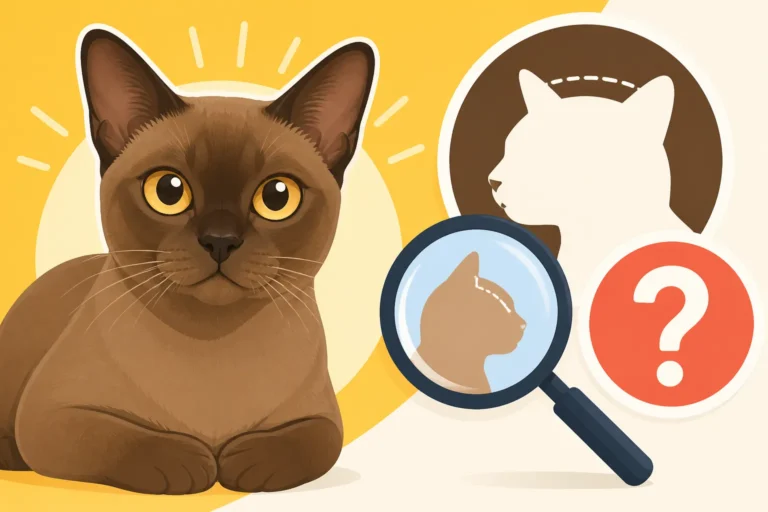
Another condition, Flat Chested Kitten Syndrome (FCKS), sometimes occurs in Burmese kittens. While typically considered a developmental issue, there can be a genetic component to predisposition. Similarly, the rare but devastating Burmese Head Defect, a lethal recessive condition, can affect kittens if two carrier parents are bred. Again, this is a breed-wide concern, and responsible breeders for both types will know their lines and test to prevent such tragedies. The prevalence of these conditions is often more tied to the individual breeding programs and their commitment to health screening, rather than a blanket difference between the American and European standards.
Therefore, while historical breeding paths have created distinct physical types, the most impactful genetic health risks, like diabetes and hypokalemia, are largely shared, with regional variations in prevalence rather than strict type-based differences. This reinforces the idea that an informed owner working with a responsible breeder is the best defense against these issues.
Debunking Myths and Focusing on What Truly Matters
It's easy to get caught up in the idea that one type of cat might be inherently "better" or "healthier" than another. But when it comes to the American versus European Burmese lifespan, the reality is far more nuanced and less dramatic than you might expect.
Why a Direct Comparison is Difficult
Trying to definitively state that a European Burmese lives longer than an American one, or vice versa, is incredibly challenging for several reasons. Firstly, comprehensive, long-term health studies that directly compare the lifespans and causes of death across both populations with statistical rigor are rare. Data collection is fragmented; different registries exist (like CFA, TICA, and GCCF), and not all health information is systematically reported or centralized.
Secondly, the genetic lines aren't always perfectly distinct. While there was a divergence, some historical breeding and occasional outcrossing could mean there's more overlap in genetic predispositions than might be immediately apparent. Factors like individual variation within a type are also huge; a healthy American Burmese from excellent lines could easily outlive a European Burmese from a less rigorously screened background. So, looking at averages can be misleading without very specific and controlled data. It's more accurate to say that well-bred and well-cared-for Burmese, regardless of their specific type, tend to live long lives.
The Overriding Importance of Responsible Ownership
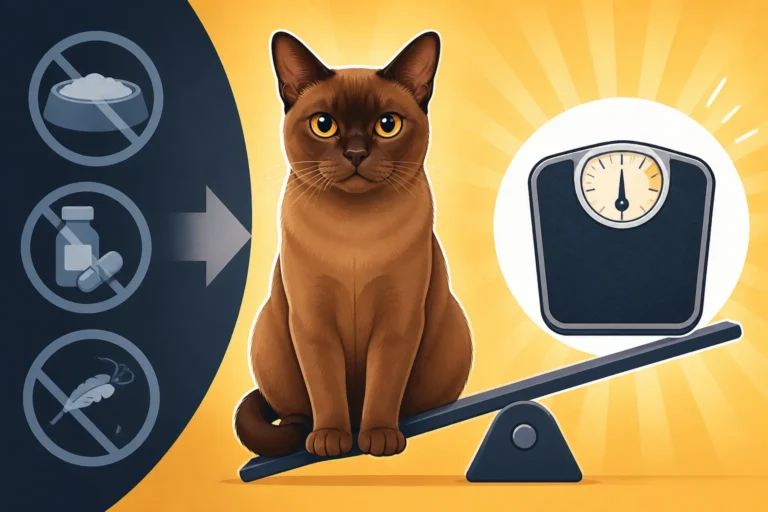
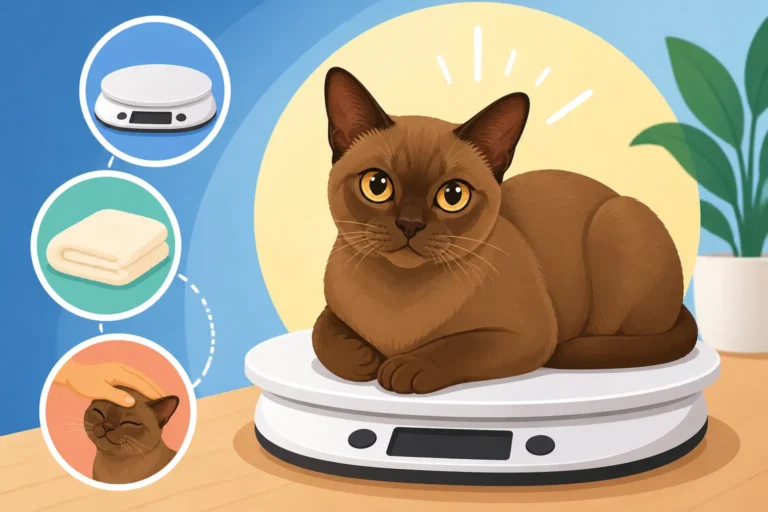
Ultimately, the single most significant determinant of a Burmese cat's lifespan and quality of life boils down to responsible ownership. This transcends the American vs. European debate completely. For a breed so prone to diabetes, proactive Why Weight Is the Only Lever a Burmese Owner Has is paramount. Keeping your Burmese lean and active through careful portion control and plenty of play can significantly reduce their risk of developing this chronic disease.
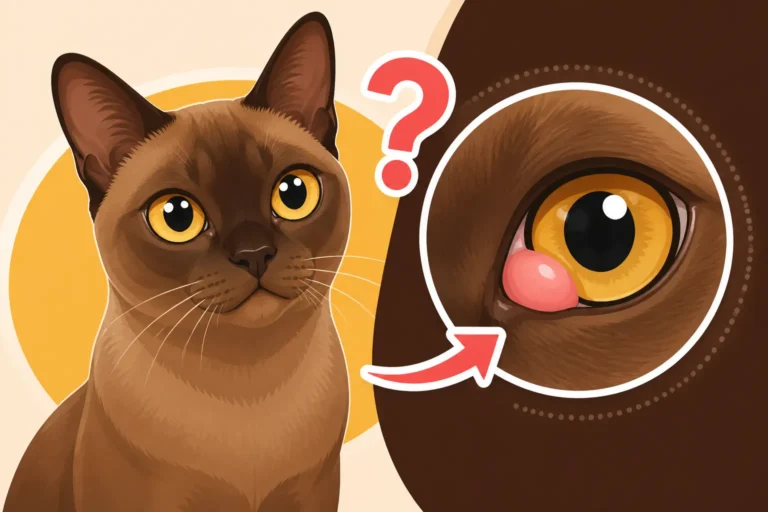
Preventative healthcare is another cornerstone. This means regular veterinary check-ups, ensuring vaccinations are up to date, and critically, addressing dental health. As we mentioned, Why a Burmese Is Prone to Gum Disease, and consistent dental care can prevent a host of secondary health problems. Early detection of any health issues is also vital, especially since Why a Burmese Hides Illness Behind Its Affection – they are so people-focused that they often mask discomfort until it's quite advanced. Being tuned into subtle changes in their behavior or habits can make all the difference.
Beyond physical health, mental and emotional well-being contribute to longevity. The Burmese is a highly social cat. Why a Burmese Cannot Be Left Alone All Day is not an exaggeration; they thrive on companionship. A lonely or stressed Burmese can develop behavioral issues or even physical ailments. Ensuring they have adequate companionship, whether from you, another pet, or a pair of Burmese kittens, contributes significantly to their overall happiness and vitality. And having good pet insurance, perhaps with a provider like Healthy Paws, means you're always prepared to provide that top-tier care should any health concerns arise.
Choosing a Healthy Burmese, Regardless of Type
When you’re looking for a Burmese kitten, your focus should be on finding a healthy individual from a responsible breeder, rather than getting too hung up on the American versus European distinction for longevity. A reputable breeder, regardless of the "type" they specialize in, will be transparent and proactive about health.
They should readily provide you with documentation of genetic health screenings for both parents. Ask to see the results of their DNA panels. Understanding Which Tests Belong on a Burmese DNA Panel will empower you to ask the right questions. This includes tests for conditions like hypokalemia and ideally, screening their lines for diabetes history. A breeder should also be upfront about Which Diseases a Burmese Breeder Must Declare, ensuring you have a complete picture of your kitten's genetic background.
A good breeder will also provide a robust health guarantee, be willing to answer all your questions about their breeding practices, diet, socialization, and lineage. They will want to know about your lifestyle to ensure a Burmese is a good fit for your home. By prioritizing responsible breeding and comprehensive care, you are setting your Burmese up for the longest, happiest, and healthiest life possible, regardless of which side of the Atlantic its ancestors hailed from.
| Feature / Health Aspect | American Burmese | European Burmese | Key Considerations |
|---|---|---|---|
| Origin & Development | Developed in the US from Wong Mau | Developed in the UK, diverged from American lines | Distinct breed standards for appearance emerged early on |
| General Lifespan Expectation | 12-18+ years | 12-18+ years | No significant difference based purely on type; individual care is paramount |
| Diabetes Predisposition | High breed-wide risk | High breed-wide risk | Diet and weight control are crucial for both types to mitigate risk |
| Hypokalemia Risk | Present; genetic testing essential | Present; genetic testing essential (may have regional prevalence differences) | Both require parental DNA testing for the WNK4 mutation for responsible breeding |
| Head Defect Risk | Extremely rare, recessive gene; testing vital | Extremely rare, recessive gene; testing vital | Responsible breeders screen against this devastating condition in both types |
| Dental Health Concerns | Prone to gum disease and tooth resorption | Prone to gum disease and tooth resorption | Regular dental care and home brushing are crucial for longevity in both types |
| Primary Breeding Pool Size | Generally larger | Can be more restricted in some regions | Smaller gene pools require rigorous management to maintain genetic diversity |
| Key to Maximizing Longevity | Responsible breeding, species-appropriate diet, consistent vet care, loving home | Responsible breeding, species-appropriate diet, consistent vet care, loving home | Owner vigilance, proactive care, and genetic screening are the biggest determinants for both |
Disclaimer
Please remember that the information provided in this article is for educational purposes only and should not be considered a substitute for professional veterinary advice. Always consult with a qualified veterinarian for any health concerns or before making any decisions related to your pet's health and care.