Which Tests Belong on a Burmese DNA Panel
Bringing a new Burmese cat into your life is an absolute joy, but it also comes with a deep responsibility to ensure their long-term health and happiness. One of the biggest worries for any devoted Burmese owner or prospective owner is the lurking possibility of inherited health conditions that can cause heartache and unexpected vet bills. This comprehensive guide is here to unravel the mystery of genetic testing for Burmese cats, helping you understand which DNA tests are crucial for this beloved breed and why they matter so much.
The Foundation of a Healthy Burmese: Understanding DNA Panels
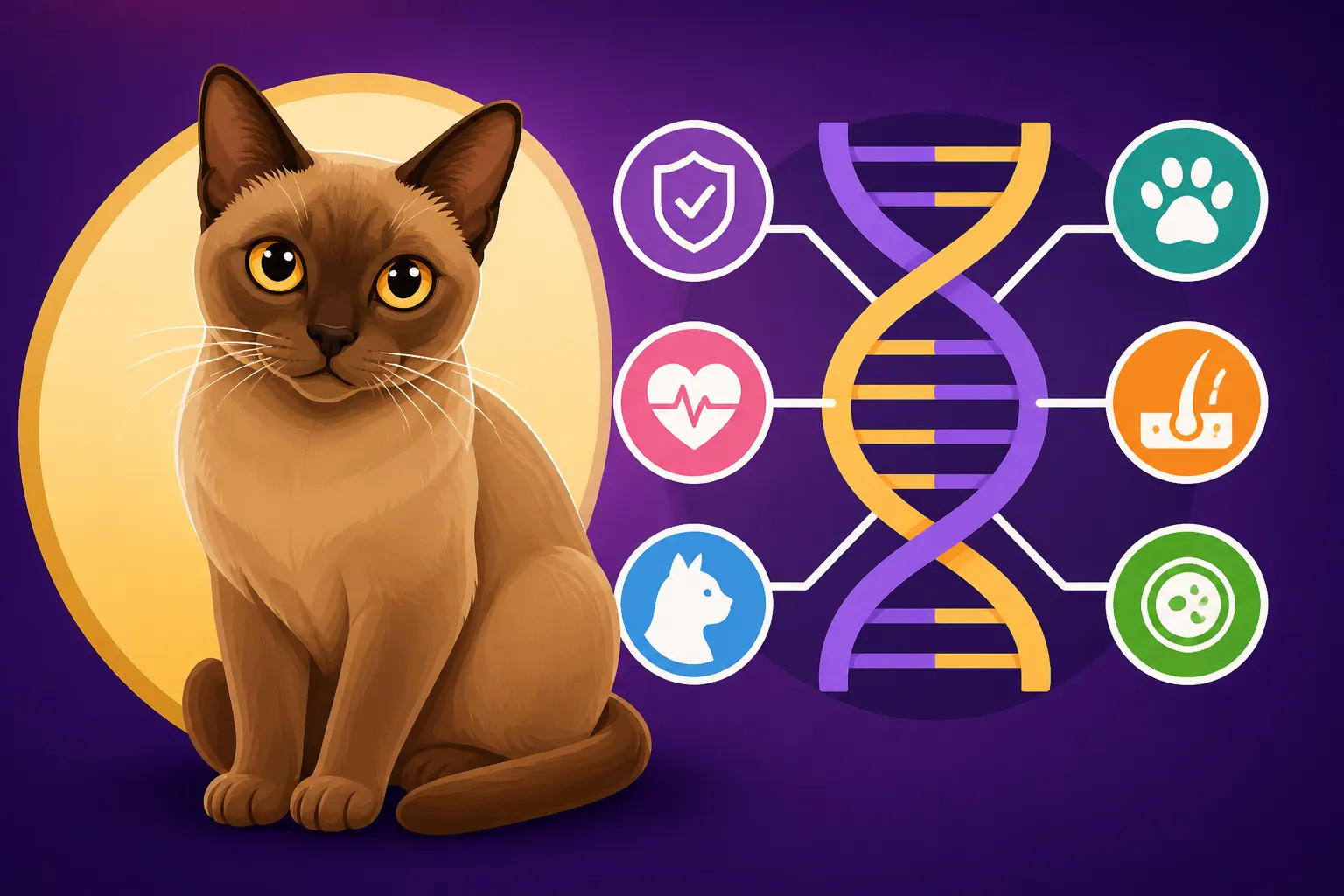
When we talk about a DNA panel for your Burmese, we're not just discussing a fancy lab test. We're talking about peering into your cat's very genetic code to uncover predispositions or carrier statuses for specific diseases. For a breed as special and, let's be honest, sometimes as prone to certain issues as the Burmese, this information is invaluable. It’s about being proactive, not reactive, in their care.
Understanding the Genetic Blueprint
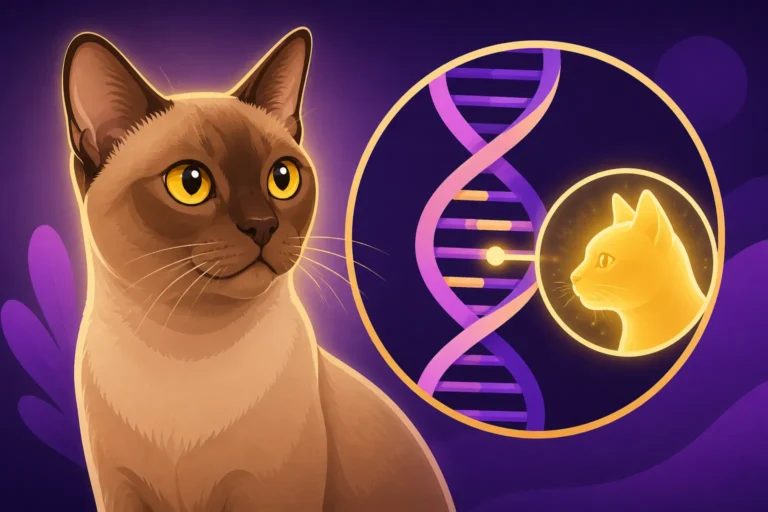
Every living creature carries a unique genetic blueprint, and cats are no exception. DNA, or deoxyribonucleic acid, contains all the instructions that tell a cat's body how to grow, develop, and function. Sometimes, a tiny change or "mutation" in this blueprint can lead to a genetic disorder. For Burmese cats, thanks to their somewhat limited gene pool and specific breeding history, several such mutations have become prevalent in the breed. Knowing these allows breeders to make informed decisions and pet owners to be prepared.
Think of it like this: your Burmese cat's DNA is a complex instruction manual. A DNA panel is like having a special diagnostic tool that can scan that manual for known typos or errors that might lead to problems down the line. It's not about predicting every sniffle or ache, but rather identifying the big, inherited health risks that are common to the breed. This knowledge empowers you, whether you’re selecting a kitten from a breeder or managing the health of your beloved adult companion. Understanding the genetic landscape of your cat allows you to partner more effectively with your veterinarian for preventative care and early intervention.
The Importance of Responsible Breeding
For breeders, a comprehensive DNA panel isn't just a recommendation; it's an ethical imperative. Responsible breeders strive to produce healthy, robust kittens, and avoiding the propagation of genetic diseases is paramount. By testing their breeding stock, they can identify carriers of recessive genes that might otherwise go unnoticed for generations. If a cat carries one copy of a recessive gene for a disease, they might never show symptoms themselves, but they can pass that gene on to their offspring.
Imagine a breeder who unknowingly mates two carrier cats for a serious recessive condition. Each kitten in that litter has a 25% chance of inheriting two copies of the faulty gene and becoming affected by the disease. This is why it's so critical for breeders to test. By knowing the genetic status of both parents, they can make informed choices to prevent devastating outcomes. If you're considering a kitten, always ask to see the DNA test results for both parents. A reputable breeder will be proud to share them, demonstrating their commitment to the health of their lines. The goal is to reduce the incidence of these diseases over time, ensuring that the Burmese breed remains as healthy and vibrant as possible for future generations. For more on this, you might want to read about What a Burmese Breeder Must Test Before Any Mating.
Core Genetic Conditions in Burmese Cats
The Burmese breed, while generally robust and long-lived, does have a few genetic Achilles' heels that every owner and breeder needs to be aware of. These aren't just minor inconveniences; they can be serious, life-altering conditions. Genetic testing provides clarity and peace of mind, allowing for early detection and management.
Hypokalemia: The Wobbly Wonder
Perhaps one of the most well-known genetic conditions in the Burmese is Hypokalemia, also known as Familial Episodic Hypokalemic Polymyopathy. It’s an autosomal recessive disorder, meaning a kitten needs to inherit two copies of the affected gene (one from each parent) to develop the disease. Cats who inherit only one copy are carriers and won't show symptoms themselves but can pass the gene on.
The hallmark of Hypokalemia is muscle weakness, often manifesting as a "wobbly" gait or an inability to hold the head up, giving them what some describe as a The Meerkat Neck That Tells You a Burmese Has Hypokalemia. These episodes can be triggered by stress, exercise, or even certain foods. While some cats experience mild, infrequent episodes, others can suffer from severe, debilitating weakness. The good news is that a highly reliable DNA test exists to identify both affected cats and carriers. This has been a game-changer for the breed, allowing breeders to effectively screen their cats and drastically reduce the number of affected kittens born. If your kitten starts to show any signs of muscle weakness, getting them tested for this condition is often one of the first things a vet will recommend. You can learn more about this specific test by looking up Hypokalemia Is the Burmese Disease With a DNA Test.
Diabetes Mellitus: A Sweet but Serious Threat
While not a purely single-gene disorder like Hypokalemia, Burmese cats have a significantly elevated genetic predisposition to Type 2 Diabetes Mellitus. In fact, they are Why a Burmese Is Four Times More Likely to Become Diabetic compared to other breeds. This predisposition isn't due to a single, easily identifiable gene mutation in the same way Hypokalemia is, but rather a complex interplay of genetics and environmental factors, with genetics playing a huge role. Obesity is a major trigger, but even lean Burmese can develop diabetes, highlighting the genetic component.
Understanding this predisposition through genetic studies helps owners recognize the importance of strict dietary management from kittenhood. While a specific "diabetes gene" test isn't available for direct diagnosis of future diabetes, understanding the breed's genetic risk means proactive prevention is key. Owners should be vigilant about their cat's weight, diet, and water intake, especially as they age. Regular vet check-ups, including bloodwork, are critical. While not a DNA panel result in the traditional sense, knowing the breed's inherited risk is crucial for prevention. Many insurance providers, like Healthy Paws, offer policies that can help manage the costs associated with chronic conditions like diabetes, but it's always best to secure coverage before any symptoms arise.
Burmese Head Defect: A Lethal Challenge
This is one of the more heartbreaking conditions that can affect Burmese kittens. Burmese Head Defect, or Congenital Vestibular Disease, is a severely debilitating and often lethal genetic disorder. Like Hypokalemia, it is an autosomal recessive condition, meaning two carrier parents can produce affected kittens. Kittens born with this defect typically display severe neurological signs, including a lack of coordination, head tilting, and difficulty walking, often from a very young age.
The prognosis for kittens with Burmese Head Defect is unfortunately very poor, and many do not survive past a few weeks or months. This devastating condition underscores the critical importance of genetic testing for breeding animals. Breeders have a moral obligation to test their cats for this specific gene. By identifying carriers, they can ensure that carrier-to-carrier matings are avoided, effectively preventing the birth of affected kittens. This is a clear example of how a simple DNA test can prevent immense suffering for kittens and profound grief for their human families. You can find more specific information on this condition by looking at Burmese Head Defect Is Lethal and Recessive.
Other Important Genetic Screens for Burmese
Beyond the core conditions, there are other genetic considerations that responsible Burmese breeders and owners should be aware of. While perhaps less common or with different implications, they still represent potential health challenges that can be mitigated through genetic understanding and proactive care.
GM2 Gangliosidosis: A Rare but Devastating Disease
GM2 Gangliosidosis is another severe, autosomal recessive neurological disorder identified in Burmese cats. It's thankfully much rarer than Hypokalemia, but its impact is profound. Kittens affected by GM2 Gangliosidosis typically start showing signs between two and seven months of age. These symptoms often include progressive weakness, tremors, loss of coordination, difficulty walking, and sometimes blindness or seizures. The disease is neurodegenerative, meaning it progressively worsens over time as toxic substances accumulate in the brain and nervous system cells.
Unfortunately, there is no cure for GM2 Gangliosidosis, and affected kittens usually succumb to the disease by early adulthood. Because of its devastating nature, a DNA test is available to identify carriers and affected cats. For breeders, testing their breeding stock for GM2 Gangliosidosis is a crucial step in ensuring the health of their litters. While rare, preventing this condition is paramount for the welfare of the breed. Knowing What GM2 Gangliosidosis Does to a Burmese Kitten can help you understand the gravity of this condition.
Flat Chested Kitten Syndrome: More Than Just a Flat Chest
Flat Chested Kitten Syndrome (FCKS) is a condition where a kitten's rib cage appears flattened, often severely, leading to breathing difficulties and sometimes other internal complications. While the exact genetic mechanism isn't fully understood, it's widely believed to have a genetic component in breeds like the Burmese. It's not always a death sentence, but it can significantly impact a kitten's ability to thrive.
The flattening of the chest can compress the lungs and heart, making it hard for the kitten to breathe and grow properly. Some kittens can outgrow a mild form of FCKS, while others may require intensive care or unfortunately succumb to the condition. While there isn't a direct DNA test for FCKS that identifies carriers in the same way as Hypokalemia or Head Defect, breeders often monitor their lines closely for any incidence of this syndrome. Awareness of its prevalence in the Burmese is key. What Flat Chested Kitten Syndrome Does to a Burmese is a tough read, but it's important to understand. If a breeder has had issues with FCKS in their lines, they should be transparent about it, and it's a factor to consider when choosing a kitten.
Polycystic Kidney Disease PKD and Hypertrophic Cardiomyopathy HCM
While often associated more strongly with other breeds (like Persians for PKD or Maine Coons for HCM), it's important to note that any cat can theoretically develop these conditions. For the Burmese, specific genetic mutations linked to PKD are generally not found in the breed's established lines, making it less of a primary concern for routine DNA panels compared to, say, Hypokalemia. Similarly, while HCM can affect Burmese, it's not considered as prevalent or as strongly genetically linked within the breed itself compared to breeds where specific HCM mutations have been identified and tested for.
However, a responsible breeder may still perform cardiac screenings (echocardiograms) for HCM, especially if there's any history of heart issues in their lines, or if they participate in broad health screening programs. For PKD, while DNA tests for the specific Persian mutation aren't typically relevant for Burmese, regular veterinary check-ups and kidney function monitoring become crucial as the cat ages, as kidney disease is a common ailment in older felines across all breeds. It's about being aware of overall health rather than specific Burmese genetic predispositions in these particular cases.
Interpreting DNA Test Results
Getting the DNA results back for your Burmese can feel a bit like waiting for a report card. But unlike a simple pass or fail, genetic test results often come with nuances that require careful understanding. Knowing what "clear," "carrier," and "affected" truly mean is crucial for making informed decisions.
Understanding Clear, Carrier, and Affected Status
Let's break down the common terms you'll encounter on a DNA panel report:
-
Clear (or Homozygous Normal): This is the best-case scenario. A "clear" cat means they do not carry the specific genetic mutation being tested for. They have two normal copies of the gene. This cat cannot develop the disease (if it's a dominant or recessive condition) and cannot pass the mutation on to any offspring. For a breeder, a clear status is excellent news, as this cat can be safely bred with any other cat without fear of producing affected kittens for that particular condition.
-
Carrier (or Heterozygous): A "carrier" cat has one normal copy of the gene and one copy of the genetic mutation. For recessive disorders (like Hypokalemia, Head Defect, or GM2 Gangliosidosis), a carrier cat typically shows no symptoms of the disease themselves because the one healthy gene copy is sufficient for normal function. However, they can pass that mutated gene on to their offspring. This is where responsible breeding comes in: a carrier cat should never be bred with another carrier for the same condition. Doing so risks producing affected kittens. However, a carrier can be safely bred with a "clear" cat, as all kittens will either be clear or carriers, but none will be affected. Understanding How to Read a Burmese Hypokalemia Carrier Result is a perfect example of this.
-
Affected (or Homozygous Affected): An "affected" cat has inherited two copies of the genetic mutation (one from each parent). For recessive disorders, this means they will develop the disease. For dominant disorders (less common in the main Burmese panel), inheriting even one copy can mean they are affected. An affected cat will likely display symptoms of the condition, and their health may be significantly impacted. These cats should never be used for breeding, as they will pass on a mutated gene to all of their offspring. This information is vital for managing their health and ensuring they receive the best possible care.
Working with Your Veterinarian and Breeder
Once you have your Burmese's DNA panel results, the next step is to sit down with your veterinarian or, if you're a breeder, consult with experienced mentors and geneticists. Your vet can help you understand the implications of the results for your cat's individual health. For instance, if your cat is a carrier for Hypokalemia, while they may not show symptoms, your vet might advise particular attention to diet or stress management as a general preventative measure for overall well-being.
If you are a breeder, these results are critical for your breeding program. Knowing the genetic status of your cats allows you to plan matings responsibly. This might involve choosing a "clear" mate for a "carrier" cat to avoid producing affected offspring, thereby gradually reducing the prevalence of the faulty gene in your lines. Remember, a good breeder will always be transparent about their testing protocols and willing to discuss the genetic history of their cats. Never hesitate to ask for copies of DNA test results for both parents of a kitten you're considering. The peace of mind that comes from knowing your kitten's genetic background is priceless. This type of responsible breeding directly impacts Whether a Hypokalemic Burmese Lives a Normal Life for future generations.
When and How to Get Your Burmese Tested
Knowing which tests are important is one thing, but understanding the practicalities of when and how to get your Burmese tested is just as crucial. From the timing of the tests to the collection process, it’s all quite straightforward once you know the steps.
Timing is Everything: Kittenhood to Adulthood
For breeders, genetic testing should ideally be done before any cat is considered for breeding. This means testing potential breeding stock once they are old enough to provide a reliable sample, typically from a few months old up through adulthood. Early testing allows breeders to make informed decisions about which cats to include in their breeding programs, preventing the accidental mating of two carriers.
For pet owners, if you adopt a kitten from a reputable breeder, they should have already performed these tests on the parents and potentially the kittens themselves. They should be able to provide you with copies of the results. However, if you've adopted a rescue Burmese, particularly one with an unknown background, it's highly recommended to pursue DNA testing. Knowing their genetic predispositions can help you and your vet tailor their preventative care and be vigilant for early signs of common Burmese conditions. Even for an adult cat, especially if you plan to breed them (though this is rare for pet owners, it happens), or if you are simply curious about their long-term health risks, testing can be beneficial. Consider Why a Rescue Burmese Should Still Be Tested for a clearer perspective on this.
The Testing Process: From Swab to Results
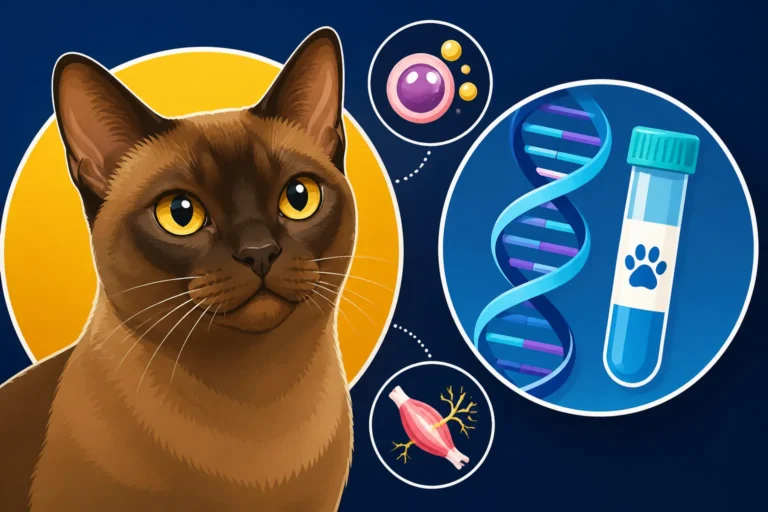
The actual process of collecting a DNA sample from your Burmese is incredibly simple and non-invasive. Most genetic tests for cats utilize a buccal swab, which is essentially a fancy cotton swab. You or your vet will gently rub the swab on the inside of your cat's cheek to collect some cells. This takes mere seconds and causes no discomfort to your cat. The swab is then air-dried, placed in a special envelope, and sent off to a specialized veterinary genetics laboratory.
Several reputable labs offer comprehensive Burmese DNA panels. Companies like Optimal Selection, MyCatDNA, and even some university veterinary labs (such as those at UC Davis or Cornell) provide these services. The specific panel you request will depend on the conditions prevalent in the Burmese breed and any specific concerns you might have. Once the lab receives the sample, it typically takes a few weeks to process the DNA and generate the results. You'll then receive a report detailing your cat's status (clear, carrier, or affected) for each condition tested. It's a remarkably easy process for the wealth of information it provides, empowering you to better care for your beloved feline friend. For more details on the practical side, check out Why a Burmese Cheek Swab Is Enough.
The Financial and Emotional Investment in DNA Testing
While the thought of additional tests might conjure images of hefty vet bills, it's essential to view a Burmese DNA panel not as an expense, but as an investment. This investment pays dividends in peace of mind, proactive health management, and potentially avoiding far greater costs down the line.
Budgeting for a Healthy Future
The cost of a comprehensive Burmese DNA panel can vary, but generally, you can expect to pay anywhere from $100 to $300, depending on the lab and the specific panel of tests included. This might seem like a lump sum upfront, but compare it to the potential costs of managing a severe genetic condition. For example, managing a diabetic Burmese cat can involve daily insulin injections, special diets, regular vet visits, and glucose monitoring, which can easily run into hundreds of dollars a month, year after year. Similarly, caring for a kitten with neurological issues from a condition like GM2 Gangliosidosis involves significant emotional and financial strain. Knowing What Diabetes Costs a Burmese Owner a Year puts the upfront testing cost into stark perspective.
Many pet insurance providers, like Healthy Paws, focus on helping pet parents manage unexpected accidents and illnesses. While a DNA test itself might not be directly covered, the information it provides can guide your preventative care, potentially reducing the likelihood of a condition developing or allowing for earlier, less invasive (and therefore less costly) intervention. Thinking ahead and including these testing costs in your initial budget for a Burmese cat is a smart move that can save you significant financial and emotional stress in the long run.
Here's a simplified table outlining some of the key genetic tests for Burmese cats:
| Condition | Inheritance Pattern | Available DNA Test | Typical Age of Onset | Impact on Cat's Health |
|---|---|---|---|---|
| Hypokalemia | Autosomal Recessive | Yes | Kittenhood to Adult | Muscle weakness, "meerkat neck," episodic collapse |
| Diabetes Mellitus (Risk) | Polygenic/Complex | No (Predisposition) | Middle to Senior Age | Insulin resistance, high blood sugar, organ damage |
| Head Defect | Autosomal Recessive | Yes | Neonatal | Severe neurological signs, lethal |
| GM2 Gangliosidosis | Autosomal Recessive | Yes | 2-7 months | Progressive neurological degeneration, fatal |
| Flat Chested Kitten Syndrome | Likely Polygenic | No | Neonatal | Respiratory distress, chest wall deformity |
Peace of Mind and Long-Term Health
Beyond the financial aspect, the greatest return on investment from DNA testing is the peace of mind it offers. Knowing your Burmese is genetically clear of these common breed-specific conditions allows you to relax and enjoy their wonderful companionship without the constant worry of an inherited illness cropping up. If your cat is a carrier, that knowledge empowers you to work closely with your vet to monitor for any subtle signs and ensures you make responsible breeding decisions if that is your path.
For pet owners, understanding the genetic risks means you can be more vigilant about monitoring your cat's health. For instance, if you know your Burmese comes from a line with a history of diabetes, you'll be hyper-aware of their weight and diet. This proactive approach to health can lead to early detection and management, which often results in a better prognosis and quality of life for your beloved feline. This commitment to their health from day one, often supported by thoughtful pet insurance plans from providers like Healthy Paws, truly builds the foundation for a long, happy, and healthy life together. It's about giving your Burmese the very best chance at a full and vibrant existence, free from preventable genetic heartache.
Disclaimer
This article is for general informational purposes only and does not constitute professional advice. Laws, prices and regulations vary by location and change over time. Consult a qualified professional for guidance on your specific situation.