Why a Rescue Burmese Should Still Be Tested
Bringing a rescue Burmese cat into your home is an incredibly rewarding experience, but it also comes with a unique set of questions, especially regarding their health history. It’s easy to think that if a cat is a rescue, its past is a mystery and therefore genetic testing is futile. However, understanding your rescue Burmese's genetic predispositions and current health status is not just helpful, it's absolutely vital for ensuring they live the longest, happiest, and healthiest life possible.
The Hidden Genetic Landscape of the Burmese Breed
The Burmese cat, whether from a breeder or a rescue, carries a specific genetic blueprint that makes them prone to certain health conditions. When you adopt a rescue, you often don't have access to their full pedigree or the health records of their parents, which means these predispositions are even more of a concern. Ignoring this hidden genetic landscape could leave you unprepared for potential health challenges down the line.
Understanding Inherited Conditions
Like many purebred cats, the Burmese breed, both American and European types, has a handful of genetic conditions that are more prevalent within their lines. These aren't necessarily indicators of poor breeding from the past, but rather genetic quirks that have become established. Knowing if your cat carries or is affected by these conditions allows for proactive management, sometimes even before symptoms appear. It’s about being prepared, not about finding fault. For instance, some Burmese lines are known to have a higher propensity for certain issues that a simple DNA test can reveal.
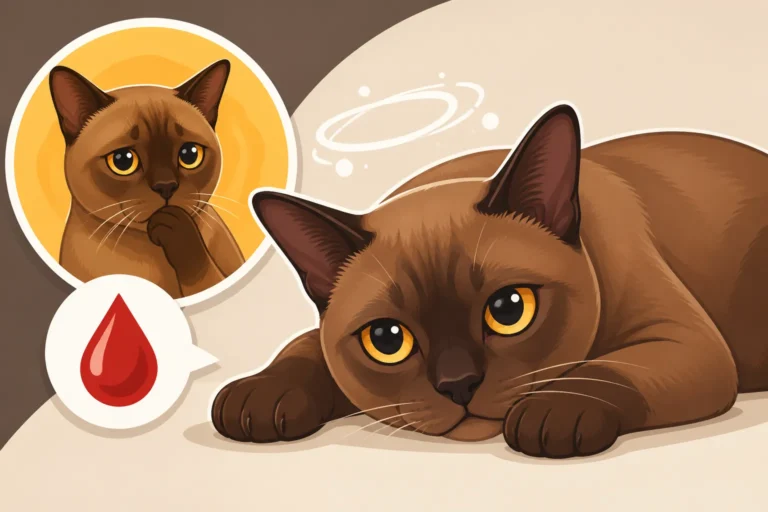
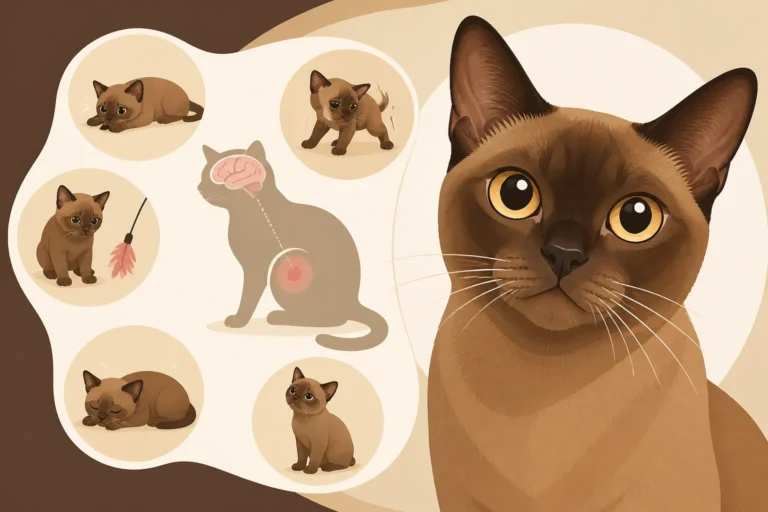
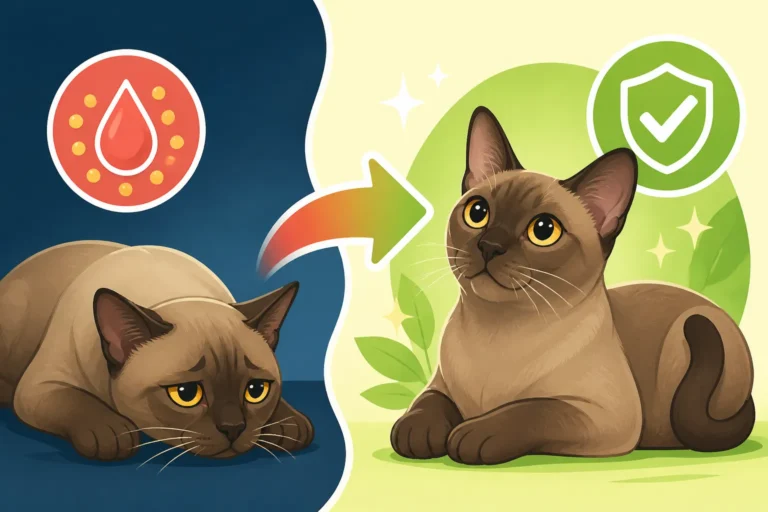
One of the most significant inherited conditions is hypokalemia, or Burmese Hypokalemic Polymyopathy. This condition affects the cat's muscles, leading to episodes of weakness, tremors, and an inability to lift their head properly, often described as a "Meerkat Neck That Tells You a Burmese Has Hypokalemia". While often managed with potassium supplementation, an undetected carrier status in a rescue cat could still lead to breeding issues if one were to try and establish new lines, or simply leave an owner bewildered by mysterious symptoms. Another significant concern, though not strictly genetic in the same way, is the breed's pronounced susceptibility to diabetes mellitus. The Burmese breed has the highest diabetes rate of any cat breed, and this risk is often inherited, making early detection and preventative lifestyle choices critical.
The Importance of a Known Genetic History
For most rescue cats, their history is a blank slate. You might know they were found as a stray, surrendered by a family, or came from an unfortunate hoarding situation. What you rarely get is their complete family tree, replete with health clearances for multiple generations. This lack of information means that your rescue Burmese could carry genetic mutations without you ever knowing until clinical signs appear.
This is why testing isn't just for breeders. It's for owners who want to offer the best possible care. For example, knowing your Burmese's hypokalemia status means you can monitor for symptoms more closely, understand potential triggers, and even discuss preventative measures with your vet. Similarly, understanding the genetic risks for diabetes helps you make informed dietary choices from day one, something that is crucial given that "Why a Burmese Is Four Times More Likely to Become Diabetic" is often linked to diet and weight management. Without this knowledge, you're essentially playing a waiting game, hoping for the best, when proactive steps could make all the difference.
Key Tests Every Rescue Burmese Needs
While a full genetic panel might sound intimidating, there are a few core tests that are particularly important for a Burmese. These tests target the most common and impactful health conditions known in the breed, offering invaluable insights into your cat's health trajectory.
Hypokalemia: The Wobbly Warrior's Challenge
Hypokalemia is a condition caused by a recessive gene. This means a cat needs two copies of the faulty gene to actually develop symptoms, but they can be a "carrier" with only one copy and show no signs themselves. If your rescue Burmese is a carrier, it won't affect their day-to-day health, but it's important information for potential future breeding (though most rescues are spayed/neutered) and for understanding the wider genetic picture of the breed. More importantly, if they inherited two copies, they will experience episodes of muscle weakness.
A simple DNA test can definitively tell you your cat's status: clear, carrier, or affected. This is why "Why a Rescue Burmese Should Still Be Tested" is a vital question. If your cat is affected, you and your vet can create a management plan to minimize episodes and ensure their comfort. Even if they are just a carrier, knowing this information contributes to the broader health knowledge of the breed and can inform future decisions. Testing labs, such as those that run the "Burmese Hypokalemia Test", often use a simple cheek swab, making it a stress-free procedure for your cat.
Diabetes Mellitus: A Silent Threat
Perhaps the most well-known health challenge for the Burmese breed is their incredibly high predisposition to Type 2 diabetes. This isn't strictly a single gene mutation like hypokalemia, but rather a complex interplay of genetics, lifestyle, and diet. However, genomic studies have indeed found specific markers linked to this increased risk, especially in Australian and European lines. Understanding "Why the Burmese Diabetes Risk Is Inherited" is crucial.
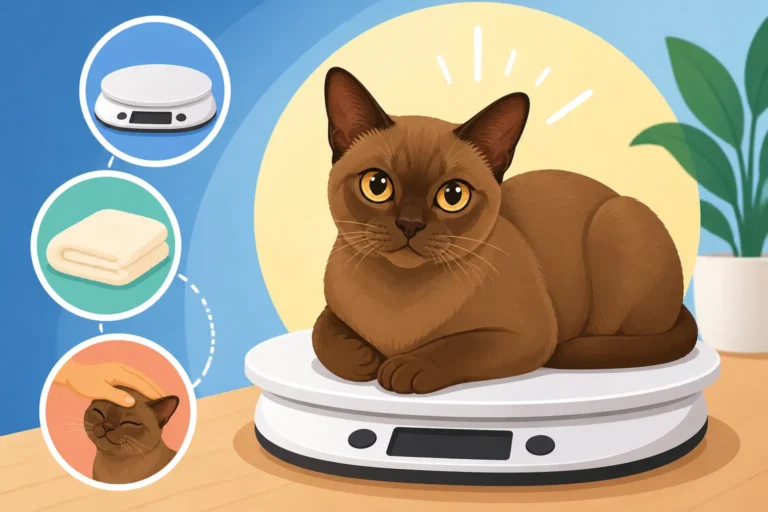
While a DNA test can't give a definitive "yes" or "no" for diabetes, regular glucose monitoring and understanding their genetic propensity means you can be incredibly proactive. For a rescue Burmese, whose previous diet might have been unknown or inconsistent, establishing a low-carbohydrate diet from day one is paramount. This breed's metabolism is notoriously sensitive to carbohydrates, and managing their weight is perhaps the single most impactful thing you can do to prevent diabetes. Asking your vet to include a regular glucose check in their annual wellness exam, especially as they approach middle age, is a non-negotiable step.
Other Important Health Screens
Beyond the primary concerns of hypokalemia and diabetes, a comprehensive approach might include screening for other conditions, though these are less common or less directly testable via a simple DNA swab for the Burmese.
- GM2 Gangliosidosis: This is a rare, fatal neurological disorder that primarily affects young Burmese kittens. There is a DNA test available to identify carriers. While most rescue cats will be past kittenhood, knowing their status can prevent accidental breeding that could produce affected offspring.
- Flat Chested Kitten Syndrome (FCKS): This condition affects kittens, causing their chests to be abnormally flattened, which can lead to breathing difficulties. While not a genetic test for the condition itself, a vet check of any young rescue Burmese kitten should include a thorough examination of the chest.
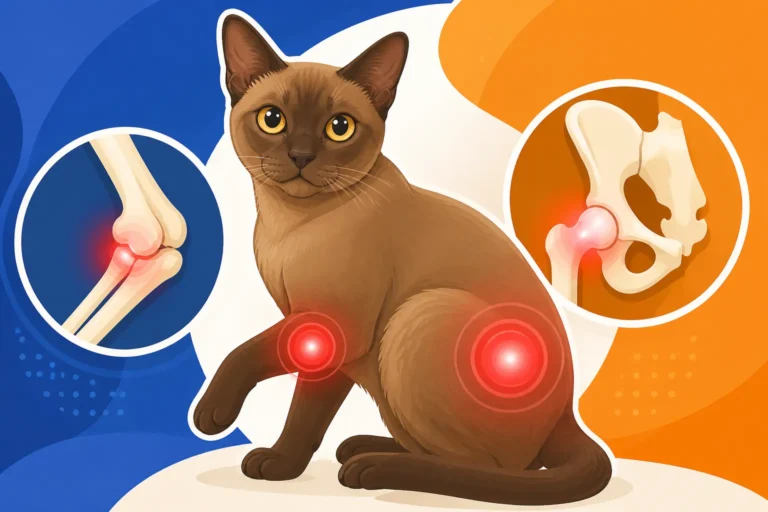
- Dental Health: While not a genetic disease, Burmese cats are notoriously prone to dental issues, including receding gums and tooth resorption. A thorough veterinary dental exam, especially for an adult rescue whose dental history is unknown, is essential. This can prevent pain and more serious health problems. Insurance providers like Healthy Paws can be a lifesaver when these unexpected dental issues, or other health concerns, arise.
By covering these bases, you gain a clearer picture of your rescue Burmese's inherent vulnerabilities, allowing you to tailor their care more effectively.
The Practicalities of Testing Your Rescue
Getting your rescue Burmese tested might seem like an extra hurdle after the adoption process, but it's usually straightforward and well worth the minimal effort.
How Testing is Done
For genetic DNA tests like hypokalemia or GM2 gangliosidosis, the process is incredibly simple. It typically involves a buccal swab, which is just a fancy way of saying a cheek swab. Your vet can do this quickly during a routine appointment, or you can often order a kit directly from a reputable lab and do it yourself at home. The kit will contain sterile swabs that you gently rub on the inside of your cat's cheek for a minute or so to collect epithelial cells. The samples are then mailed to the lab.
For conditions like diabetes, the testing involves bloodwork. A routine vet visit usually includes a physical exam, and often, a vet will recommend a basic blood panel, especially for an adult rescue cat. This panel can screen for blood glucose levels, kidney function, liver enzymes, and other markers that give a holistic view of your cat's internal health. If initial glucose levels are high, your vet might recommend a fructosamine test, which gives an average glucose level over a longer period, providing a more accurate picture than a single spot glucose reading. You can read more about "What a Fructosamine Test Shows in a Burmese" to understand its significance.
No matter the test, it’s generally non-invasive and quick, minimizing stress for your new family member.
Interpreting the Results and Planning Ahead
Once the results come back, which can take anywhere from a few days to a few weeks depending on the lab and the test, your vet is the best person to help you interpret them. For genetic tests, the results will typically state if your cat is "clear" (meaning they don't carry the gene), a "carrier" (one copy of the gene), or "affected" (two copies, meaning they will express the condition). Understanding "How to Read a Burmese Hypokalemia Carrier Result" is important, as a carrier status simply informs, it doesn't mean your cat is ill.
For bloodwork results related to diabetes, your vet will explain what the glucose and fructosamine levels mean. High readings don't automatically mean a diagnosis, but they do warrant further investigation and prompt lifestyle changes, particularly focusing on diet and weight management. This is where the informational intent of this article truly comes into play, empowering you with knowledge to make the best decisions.
With these results in hand, you and your vet can create a tailored health plan. This might include specific dietary recommendations, a schedule for follow-up blood tests, or simply a heightened awareness of certain symptoms to watch for. It's about shifting from reactive care to proactive prevention, giving your rescue Burmese the best shot at a long and healthy life.
Long-Term Benefits for You and Your Cat
Investing in testing for your rescue Burmese offers benefits that extend far beyond simply knowing their genetic makeup. It's an investment in their future well-being and your peace of mind.
Proactive Care and Early Intervention
One of the greatest advantages of testing is the ability to provide proactive care. If you know your Burmese has a predisposition to diabetes, you can immediately implement a low-carbohydrate, high-protein wet food diet, portion control their meals rigorously, and monitor their weight like a hawk. This significantly reduces their risk of developing the condition or can help manage it early if it does emerge. Think of it as having a detailed roadmap for their health, rather than navigating blindly.
Similarly, if your cat is found to be affected by hypokalemia, you can work with your vet to manage any episodes and discuss long-term supplementation if needed. Knowing "What Potassium Supplementation Does for a Burmese" can transform a confusing, scary situation into a manageable one. Early intervention often leads to better outcomes, reduced suffering for your cat, and potentially lower treatment costs in the long run. It also helps you understand their behavior. For instance, if your cat suddenly seems lethargic or struggles to hold its head up, you'll know to consider hypokalemia as a possibility and seek appropriate veterinary care quickly.
Peace of Mind and Financial Planning
Let's be honest, vet bills can be a significant concern for any pet owner. For a rescue cat with an unknown past, the fear of unexpected, costly health issues can be particularly daunting. Genetic and health screening can provide a valuable layer of peace of mind. While it doesn't guarantee your cat will never get sick (no cat is immune to everything!), it arms you with information about specific risks.
This knowledge can also be crucial for financial planning. If you know your cat has a higher risk of developing diabetes, you can start setting aside funds or look into pet insurance policies that might cover chronic conditions. While some insurers might exclude pre-existing conditions, policies from providers like Healthy Paws, if taken out before any symptoms arise, can help mitigate the costs of managing conditions like diabetes, which can be expensive over a cat's lifetime. The long-term costs of a diabetes-prone Burmese are a serious consideration, making any preventative or early diagnostic step a smart financial move.
In the end, testing your rescue Burmese isn't about finding problems; it's about finding solutions. It's about providing the most informed, loving, and effective care possible for a cat who deserves all the chances in the world.
Genetic Health Test Comparison for Burmese Cats
| Test Name | Primary Condition | Inheritance Pattern | Sample Type | What it Detects | Benefits for Owner |
|---|---|---|---|---|---|
| Hypokalemia DNA Test | Hypokalemia | Autosomal Recessive | Cheek Swab | Clear, Carrier, or Affected status for WNK4 mutation | Proactive management of muscle weakness; informed breeding decisions (if applicable) |
| GM2 Gangliosidosis DNA Test | GM2 Gangliosidosis | Autosomal Recessive | Cheek Swab | Clear, Carrier, or Affected status | Prevents breeding of affected kittens; understanding of genetic predisposition |
| Blood Glucose/Fructosamine | Diabetes Mellitus | Polygenic (complex) | Blood Sample | Current glucose levels, average over time | Early detection of diabetes risk; informs dietary & lifestyle management |
| Comprehensive Dental Exam | Periodontal Disease | Environmental/Genetic | Physical Exam | Gum disease, tooth resorption, overall oral health | Prevents pain, tooth loss, and systemic health issues; reduces future complex dental procedures |
Disclaimer
This article is intended for informational purposes only and does not constitute veterinary advice. Always consult with a qualified veterinarian for any health concerns or before making any decisions about your pet's medical care or diet.