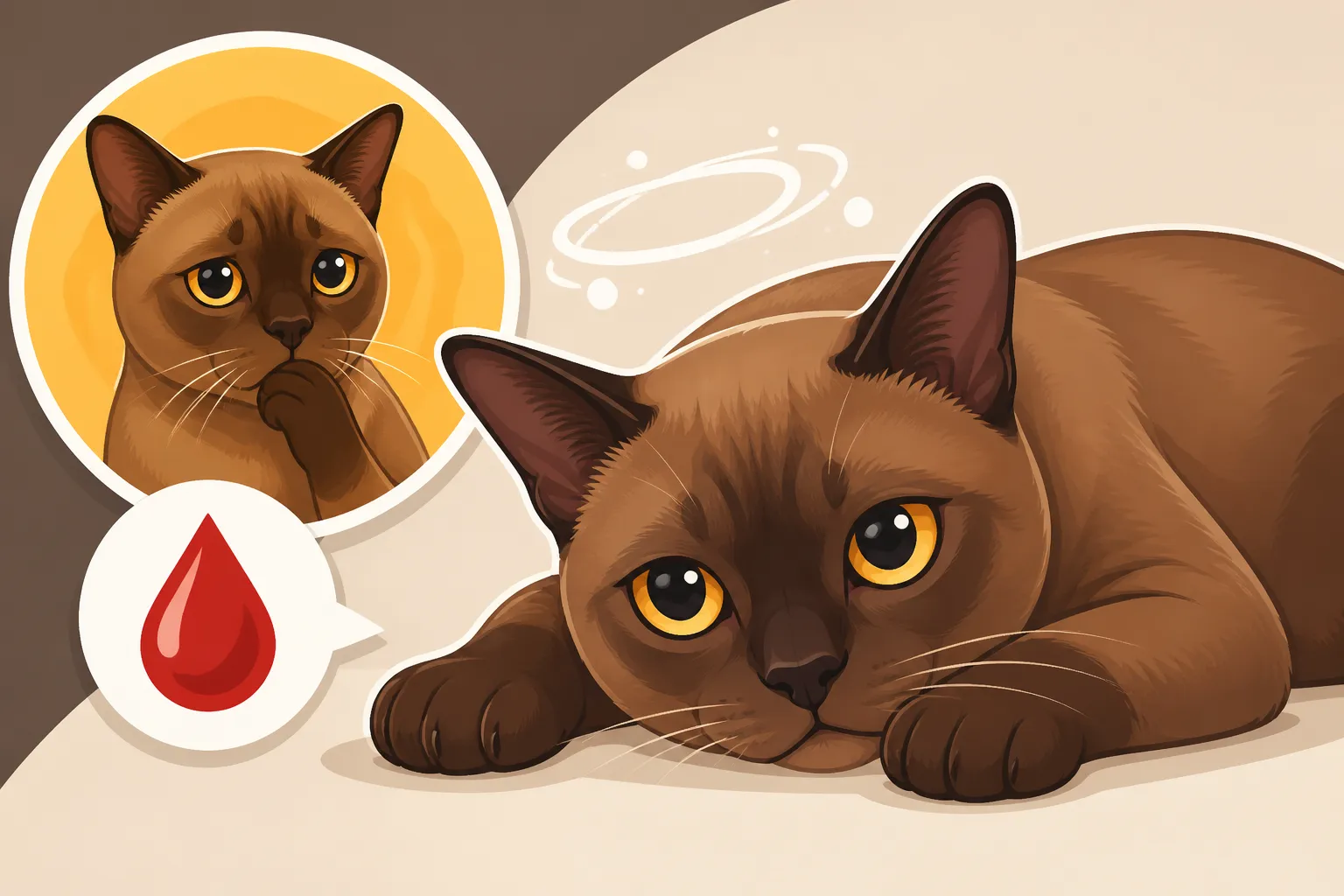
What a Hypoglycemic Burmese Looks Like
It’s incredibly frightening to see your vibrant, affectionate Burmese cat suddenly look dazed, weak, or even collapse. You know something is terribly wrong, but in that moment of panic, it can be hard to pinpoint exactly what’s happening. This guide is here to help you understand the signs of hypoglycemia – dangerously low blood sugar – in your Burmese, so you can recognize the symptoms quickly and know exactly what steps to take to help your beloved companion.
Understanding Hypoglycemia in Your Beloved Burmese
Our Burmese cats are bundles of energy and affection, often described as "dogs in cat suits" for their playful, people-oriented personalities. But beneath that charming exterior lies a breed with certain health predispositions, and one of the most significant is their increased risk for diabetes. While we often focus on the dangers of high blood sugar, the opposite — hypoglycemia — can be just as, if not more, dangerous, especially for a diabetic Burmese on insulin.
Why Burmese Are Particularly Susceptible to Glucose Issues
It's a tough truth that the Burmese breed, particularly those with Australian and European lines, carries a higher genetic predisposition to developing diabetes mellitus than many other cat breeds. This isn't just a random occurrence; research has pointed to specific genetic markers that make them more vulnerable. When a Burmese is diagnosed with diabetes, the primary treatment often involves insulin injections to regulate their blood sugar. While insulin is a lifesaver, it's a delicate balancing act. Giving too much insulin, or if your cat doesn't eat enough after an injection, can cause their blood sugar to drop too low, leading to hypoglycemia.
It’s crucial for Burmese owners to understand this intricate relationship between their cat's genetics, diet, and potential for diabetes. Regular veterinary check-ups are non-negotiable, and it’s especially important to know Why a Burmese's Glucose Should Be Checked From Seven years of age, as this is often when diabetes begins to manifest. Beyond genetics, factors like obesity and diet play a huge role. An inappropriate diet, high in carbohydrates, can exacerbate the risk. This is why careful Why Portion Control Is Medical Care in a Burmese is so important throughout their lives, not just if they become diabetic.
The Silent Threat of Low Blood Sugar
Hypoglycemia isn't always a dramatic, sudden collapse. Sometimes, it creeps up subtly, making it incredibly difficult to spot, especially in a cat that's naturally inclined to hide discomfort. Our affectionate Burmese, known for purring through vet examinations and clinging to our side, often internalize their suffering. This characteristic can be a huge hurdle when trying to identify illness, as Why a Burmese Hides Illness Behind Its Affection so well. You might notice small changes at first – a little less zest for play, a longer nap than usual, or a slight change in their interaction with you.
The silent nature of early hypoglycemia makes it a truly frightening prospect for owners. You might find yourself questioning every little nuance in their behavior, wondering if you're overreacting or if something is genuinely wrong. It’s a completely valid frustration. The good news is that by learning the more distinct signs, you can be better prepared to intervene before the situation becomes critical. Remember, time is often of the essence when dealing with low blood sugar, so recognizing even the subtle shifts can save your cat's life.
The Telltale Signs: What a Hypoglycemic Burmese Looks Like
When blood sugar levels drop too low, the brain and other vital organs don't receive enough glucose to function properly. This leads to a cascade of symptoms that can range from mild and vague to severe and life-threatening. Knowing what to look for can make all the difference.
Behavioral Changes You Might Notice
One of the first things you might pick up on are subtle shifts in your Burmese's personality and activity levels. These changes can be particularly distressing because they go against everything you know about your typically lively and social cat.
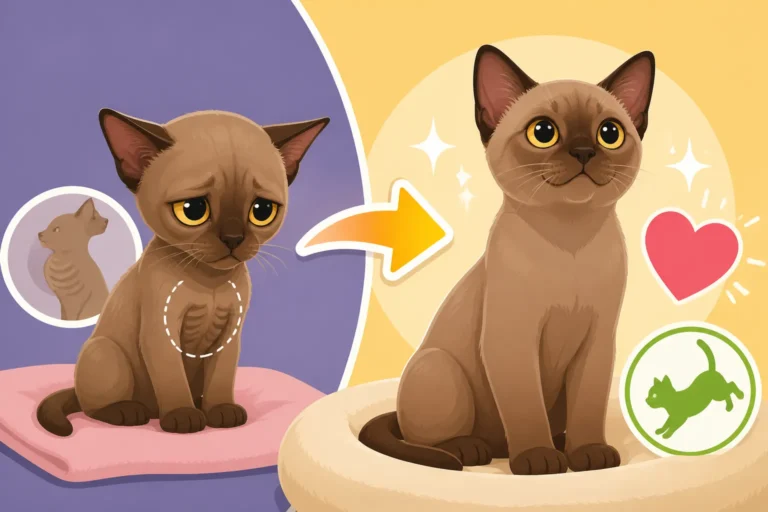
- Lethargy and Weakness: Your normally energetic Burmese might become unusually quiet, withdrawn, and less interested in playtime. They might sleep more, appear sluggish, or struggle to get up. You might call their name, and they might look at you but lack the usual enthusiasm to come over for a cuddle. This isn't just a "lazy day"; it's a noticeable lack of vitality.
- Disorientation and Stumbling: A hypoglycemic Burmese might appear confused, disoriented, or even "drunk." They might walk unsteadily, stumble, or bump into furniture. Their coordination will be off. Imagine your usually graceful cat suddenly fumbling a jump or missing a step – it's a clear red flag. You might also notice a vacant stare, as if they're not fully present. This disorientation is a direct result of their brain not getting enough fuel.
- Restlessness, Pacing, or Anxiety: Paradoxically, some cats may become restless or anxious rather than lethargic. They might pace aimlessly, seem agitated, or vocalize unusually. While a Burmese is certainly known for its vocalizations, this will be different – a distressed, unusual cry rather than their typical "rasp." These signs indicate a deep sense of unease or even fear as their body struggles with the imbalance.
It's easy to dismiss these early signs, thinking your cat is just tired or "having an off day." But if your typically "velcro cat" suddenly becomes withdrawn or shows any of these subtle behavioral changes, especially if they are diabetic, it's time to pay close attention. Remember, Why a Withdrawn Burmese Should See a Vet That Day is not an overreaction; it's responsible pet ownership.
Physical Symptoms and Emergency Indicators
Beyond behavioral changes, there are distinct physical signs that indicate hypoglycemia. These often appear as the condition worsens and require immediate attention.
- Tremors, Shivering, Muscle Twitching: As their blood sugar drops further, you might notice involuntary muscle movements. This could be a slight tremor in their legs, a full-body shiver even in a warm room, or twitching facial muscles. This is the body's attempt to generate heat and energy when glucose is scarce.
- Glassy Eyes and Dilated Pupils: A hypoglycemic Burmese may have eyes that appear glazed over, unfocused, or glassy. Their pupils might be noticeably dilated, even in bright light, giving them a wide-eyed, almost startled look. This is a common neurological symptom.
- Seizures and Loss of Consciousness: These are the most severe and alarming symptoms, indicating a critical medical emergency. A seizure might manifest as uncontrollable shaking, paddling of the limbs, drooling, or loss of bladder/bowel control. Following a seizure, or sometimes without one, the cat may become unresponsive or fall into a coma. If your Burmese experiences a seizure or loses consciousness, this is an absolute veterinary emergency.
- Cold Extremities and Rapid Heart Rate: While less common in the very early stages, a severely hypoglycemic cat may feel cold to the touch, particularly their paws and ears. Their heart rate might also become rapid as their body tries to compensate. Checking their gums can also be a helpful indicator; pale or white gums can signal shock or severe illness.
The Progression of Symptoms and Urgency
The progression of hypoglycemic symptoms can be frighteningly rapid. What starts as mild lethargy can quickly escalate to seizures and loss of consciousness. It’s not a situation where you can afford to "wait and see." If you notice any of these signs, particularly the physical ones, immediate action is paramount.
Think of it this way: your Burmese relies on you for everything, and their affectionate nature often means they are physically close, making it easier to spot changes. If your typically shadowing companion suddenly stops following you from room to room or doesn't greet you at the door with their usual enthusiasm, consider it a serious warning. Indeed, Why a Burmese That Stops Following You Is Unwell is a critical insight into their behavior. Don't underestimate their silent signals. The moment you suspect low blood sugar, especially in a diabetic cat, you need to be prepared to act quickly and decisively.
Immediate Action and Long-Term Management
Recognizing the signs is the first step; knowing what to do next is equally important. Swift intervention can prevent serious complications and potentially save your cat's life.
What to Do When You Suspect Hypoglycemia
If you believe your Burmese is experiencing a hypoglycemic episode, remain calm, but act quickly.
- Offer Food: If your cat is conscious and willing to eat, offer a small, highly palatable meal. Wet food is ideal as it’s easily digestible and can be consumed quickly. The goal is to get some glucose into their system.
- Administer Glucose Source (If Needed): If your cat is lethargic, weak, or refuses to eat, you'll need to provide a rapid source of sugar. This is where a product like Karo syrup, maple syrup, or honey comes in handy. Gently rub a small amount (about 1/4 to 1/2 teaspoon) onto your cat's gums. It gets absorbed through the mucous membranes and can raise blood sugar levels quickly. Crucially, do NOT attempt to force liquid into an unconscious or seizing cat's mouth, as this can lead to aspiration.
- Contact Your Veterinarian Immediately: Even if your cat seems to perk up after the sugar, you must contact your vet. They need to assess the situation, adjust insulin dosages if necessary, and rule out any underlying issues. Describe all the symptoms you observed and the actions you took. Your vet might advise you to bring your Burmese in for an immediate check-up, including a blood glucose test.
- Home Glucose Monitoring: If your Burmese is diabetic, you might already be familiar with home glucose monitoring. This is an invaluable tool for managing their condition and preventing hypoglycemia. Regularly checking their blood sugar, as part of How a Burmese Is Monitored on Insulin at Home, provides real-time data that helps you and your vet fine-tune their care.
Preventing Future Hypoglycemic Episodes
The best defense is a good offense, and that means proactive management to prevent low blood sugar episodes in the first place.
- Strict Feeding Schedule: For a diabetic Burmese, consistent meal times are critical. Insulin dosage is often tied to food intake, so feeding them at predictable intervals helps maintain stable blood sugar. Why a Burmese's Feeding Times Have to Stay Fixed cannot be overstated. Missing a meal or delaying it after an insulin injection is a common cause of hypoglycemia.
- Accurate Insulin Dosing: Always double-check your insulin dose with your vet and use the correct type of syringe. Never adjust the dose without veterinary guidance. As your Burmese's weight or health status changes, Why a Burmese's Insulin Dose Changes as It Loses Weight may be necessary, and your vet will guide you through this.
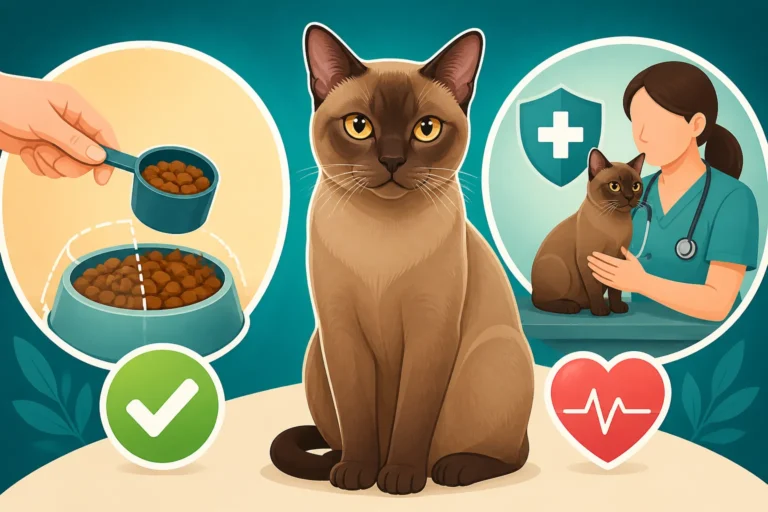
- Regular Vet Check-ups: Consistent veterinary oversight is paramount. Routine check-ups, even if your cat seems fine, allow your vet to monitor their overall health, blood glucose levels, and adjust their treatment plan as needed. For any healthy adult Burmese, understanding How Often a Healthy Adult Burmese Needs Checking is vital for early detection of any issues.
- Appropriate Diet: A low-carbohydrate, high-protein wet food diet is often recommended for diabetic cats, including the Burmese, to help stabilize blood sugar levels. Why Low Carbohydrate Food Matters for a Burmese is a cornerstone of diabetes management, aiming to reduce the spikes and dips in glucose that can make regulation challenging.
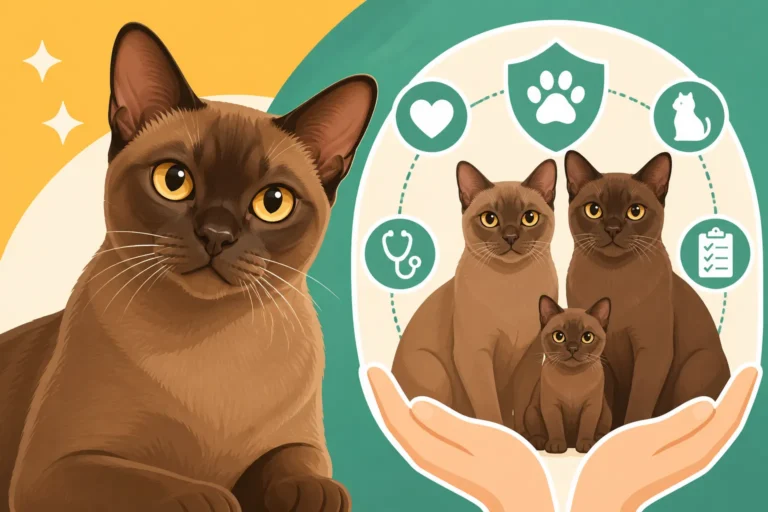
Managing a diabetic Burmese requires dedication, but it doesn't have to break the bank. This is where reliable pet insurance can be a game-changer. Companies like Healthy Paws offer comprehensive plans that can help alleviate the financial burden of chronic conditions like diabetes. Knowing that your pet's ongoing treatments, vet visits, and emergency care might be covered can provide immense peace of mind, allowing you to focus on your cat's health rather than worrying about the bills.
Living with a Diabetic Burmese and Preventing Complications
Living with a diabetic Burmese means integrating their medical needs into your daily routine. It’s a commitment, but one that is incredibly rewarding when you see your beloved cat thriving. Understanding the nuances of their care and staying vigilant are key to preventing both high and dangerously low blood sugar events.
The Importance of a Consistent Routine
Our Burmese cats thrive on routine and affection, and for a diabetic Burmese, a consistent schedule is more than just comfort – it's a medical necessity. Predictable meal times, insulin injection times, and even play sessions contribute to stable blood glucose levels. When you establish a fixed schedule, your cat's body adapts, making it easier to manage their diabetes and minimize the risk of sudden drops or spikes in blood sugar.
Imagine the stress on their system if their insulin is given at erratic times, or if meals are delayed. This inconsistency is a prime culprit in creating situations ripe for hypoglycemia. It’s a delicate dance, where every step – every meal, every injection – needs to be timed just right. Furthermore, as their health evolves, particularly if they are losing weight and achieving better glucose control, Why a Burmese's Insulin Dose Changes as It Loses Weight will become a crucial adjustment. This highlights why meticulous record-keeping and close communication with your vet are absolutely essential. Your commitment to consistency directly translates to a more stable and healthier life for your furry family member.
Veterinary Partnership and Financial Preparedness
Managing feline diabetes is a team effort involving you and your veterinary care team. Regular communication with your vet is non-negotiable. They are your primary resource for interpreting glucose readings, adjusting insulin, and addressing any concerns you might have. Your vet will also advise you on how often to monitor blood glucose at home and conduct full check-ups, including necessary blood panels, to ensure overall health. Understanding How a Diabetic Burmese Is Diagnosed initially sets the stage for this ongoing partnership.
Let's be realistic: the costs associated with managing diabetes can be significant. From the insulin itself and syringes (knowing How Often a Diabetic Burmese Is Injected helps estimate usage) to special low-carbohydrate prescription foods, regular vet visits, and glucose monitoring equipment, What Diabetes Costs a Burmese Owner a Year can add up. This is where planning ahead financially becomes paramount.
Investing in a pet insurance policy, such as those offered by Healthy Paws, before a chronic condition like diabetes is diagnosed, can make a monumental difference. While most policies won't cover pre-existing conditions, if you have coverage in place, Healthy Paws can help with the substantial and ongoing expenses of managing diabetes, from routine insulin purchases to emergency care should a hypoglycemic episode occur. This financial safety net allows you to make medical decisions based on what’s best for your Burmese, rather than being constrained by cost. Additionally, having a home glucose meter and understanding What Glucose Monitoring Equipment Costs a Burmese Owner can empower you to proactively manage their condition and react swiftly to any changes, further safeguarding their health.
| Symptom Category | Signs to Look For | Urgency Level | Immediate Action Required |
|---|---|---|---|
| Mild | Lethargy, quietness, reduced play, increased sleeping | Moderate | Offer wet food; contact vet for advice. |
| Moderate | Disorientation, stumbling, restlessness, mild tremors | High | Rub Karo syrup/honey on gums; contact vet immediately. |
| Severe/Emergency | Seizures, collapse, loss of consciousness, unresponsiveness | Critical | Apply sugar to gums (if conscious); Emergency Vet NOW! |
Disclaimer
The information provided in this article is for educational and informational purposes only, and does not constitute veterinary advice. Always consult with a qualified veterinarian for any health concerns or before making any decisions related to your pet's medical care.