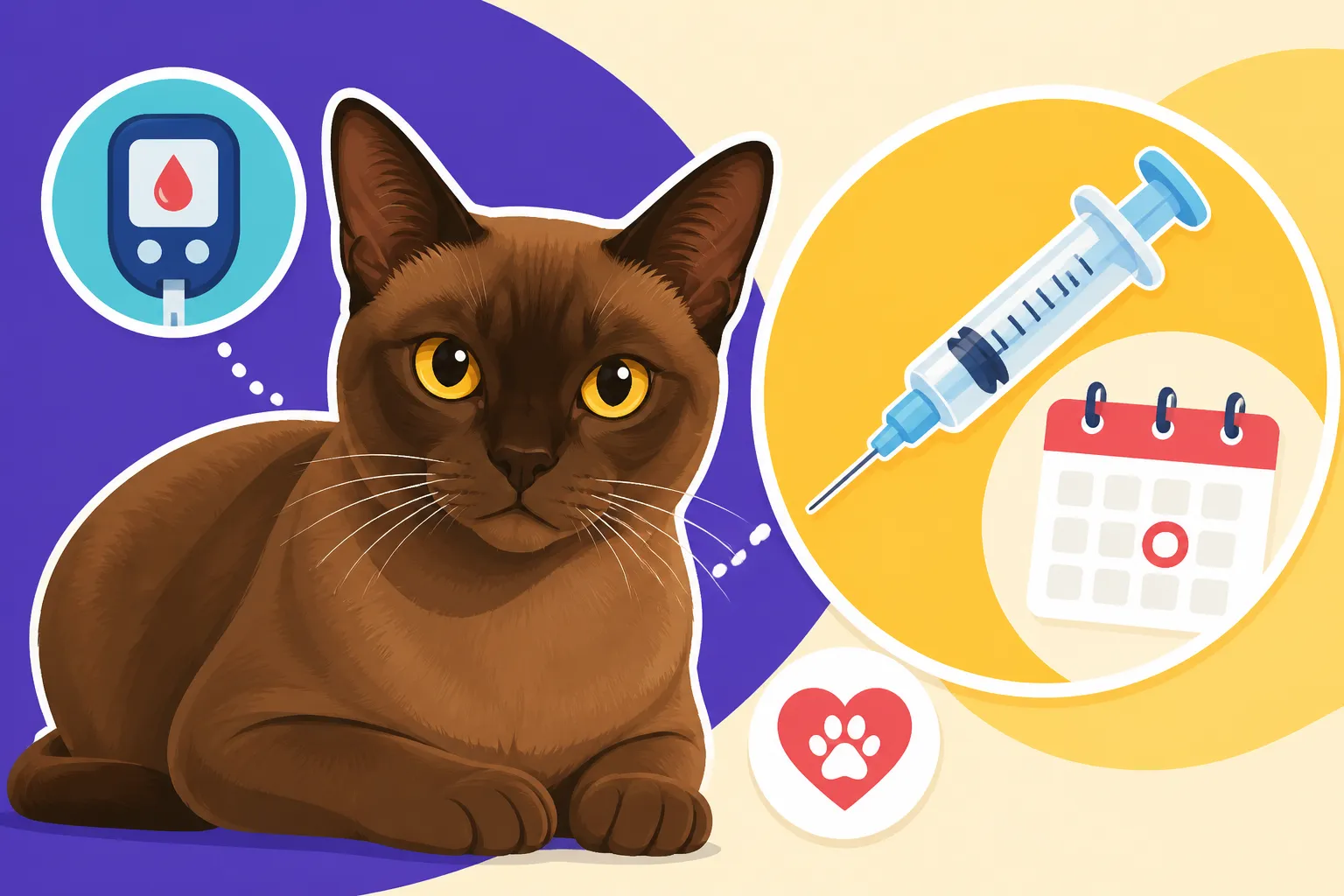
How Often a Diabetic Burmese Is Injected
Learning that your beloved Burmese cat has diabetes can feel like a punch to the gut, ushering in a whirlwind of worry about what this diagnosis means for their future and your daily routine. Many owners immediately fret about the dreaded insulin injections, wondering just how often they'll need to administer them and how on earth they’ll manage. This comprehensive guide is here to demystify the typical injection schedule for a diabetic Burmese, offering practical insights and empathetic support to help you confidently navigate this new chapter with your feline companion.
Understanding the Initial Diagnosis and Treatment Plan
Receiving a diagnosis of diabetes for your Burmese is undoubtedly overwhelming. One moment you're noticing what diabetes looks like (What Diabetes Looks Like in a Burmese)—perhaps increased thirst or urination—and the next, your vet is discussing insulin and glucose curves. It’s a lot to take in, and it's perfectly normal to feel a mix of fear, confusion, and a fierce determination to do what's best for your furry family member.
The Initial Shock and Learning Curve
That first visit, after the blood and urine tests confirm diabetes, can be a blur. Your vet will likely explain How a Diabetic Burmese Is Diagnosed, talking about elevated blood glucose and possibly a high fructosamine level. This new medical vocabulary can feel like learning a foreign language overnight. You'll be introduced to insulin vials, syringes, and perhaps even an auto-injector pen, all while trying to process the long-term implications for your active, affectionate Burmese. It's a steep learning curve, not just for you, but for your cat as well, as they adjust to a new daily rhythm that includes medical intervention. Many owners express anxiety about hurting their cat or making a mistake, but it's important to remember that millions of pet owners successfully manage feline diabetes every day. You'll get the hang of it, and your Burmese, with their famously adaptable and trusting nature, will likely become surprisingly cooperative.
Why Twice Daily Injections Are the Standard
For the vast majority of diabetic cats, including our wonderful Burmese, insulin injections are administered twice daily. This isn't just an arbitrary number; it's rooted in feline physiology and the way different types of insulin work. Most insulins prescribed for cats, such as ProZinc (protamine zinc recombinant human insulin) or glargine, have an effective duration of action that typically lasts around 10 to 14 hours. To maintain a stable blood glucose level throughout a 24-hour period, and to prevent dangerous spikes or dips, two doses are necessary. Giving insulin once a day would leave your cat without adequate glucose regulation for a significant portion of the day, leading to uncontrolled high blood sugar and potential complications.
This twice-daily schedule ensures that there's always active insulin in their system, helping their body process sugars more effectively. It’s a consistent approach that aims to mimic a healthy pancreas as closely as possible, keeping your Burmese feeling well and energized. While the idea of two injections a day might seem daunting initially, it quickly becomes an integrated part of your daily routine, much like feeding or playtime. It simply becomes another way you show your deep love and commitment to their well-being.
The Daily Rhythm of Insulin Administration
Once the initial shock wears off, establishing a consistent daily routine becomes your superpower in managing your Burmese's diabetes. This consistency not only helps regulate their blood sugar more effectively but also reduces stress for both you and your cat, making the whole process much smoother.
Timing Is Everything for a Diabetic Burmese
The cornerstone of successful diabetes management in a Burmese is impeccable timing. Those twice-daily injections need to be given as close to 12 hours apart as possible, day in and day out. This means if you give the morning shot at 7:00 AM, the evening shot should ideally be administered around 7:00 PM. We're not talking about military precision down to the second, but aiming for a window of plus or minus 30 minutes is generally recommended. For example, if your evening routine means you're home from work at 6:30 PM, then 6:30 AM and 6:30 PM could become your fixed schedule.
This strict timing is crucial because it ensures a continuous, steady supply of insulin, preventing blood glucose levels from soaring too high or dropping too low. Inconsistent timing can lead to erratic blood sugar, which is harder to control and can increase the risk of complications. Remember, consistency in Why Low Carbohydrate Food Matters for a Burmese and feeding times also works hand-in-hand with insulin timing. Many vets advise feeding your Burmese before the insulin injection, or at the very least, as the injection is given. This way, you know they have food in their system to help absorb the glucose that the insulin will then process, minimizing the risk of hypoglycemia (low blood sugar). It really helps to plan your day around these two critical moments, making them non-negotiable fixtures in your schedule.
Administering the Injection with Confidence
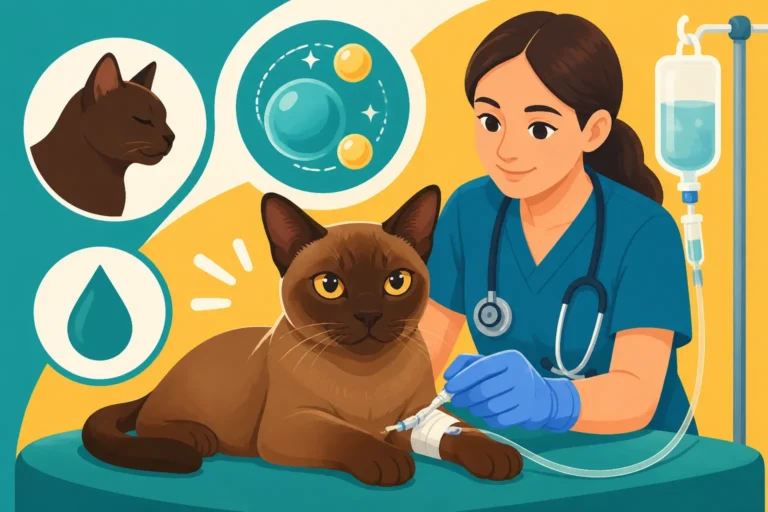
Giving an insulin injection might seem intimidating at first, but with a little practice and patience, it becomes second nature. Your vet or veterinary technician will walk you through the process, often having you practice with saline or a dummy cat until you feel comfortable. The technique involves "tenting" the skin, usually around the scruff of the neck or along the flank, to create a small pocket of skin where the insulin can be injected subcutaneously (under the skin).
Here’s a simplified step-by-step to build your confidence:
- Preparation: Always make sure you have the correct insulin, the right syringe size (often U-100 or U-40, depending on the insulin type), and a fresh, sterile needle. Roll the insulin bottle gently between your palms to mix it – never shake it. Draw up the precise dose as prescribed by your vet, making sure there are no air bubbles.
- Positioning Your Burmese: Since Burmese cats are famously affectionate and often enjoy being held, you might find success cradling them, or having them sit on your lap or shoulder while you talk to them soothingly. Some cats prefer to be on a counter or table. The key is to find a position that is calm and comfortable for both of you. A favorite blanket or a small treat can sometimes help create a positive association.
- Tenting the Skin: Gently grasp a fold of loose skin between your thumb and forefinger. This creates a "tent."
- Injecting: With the needle bevel (the slanted opening) facing upwards, swiftly insert the needle into the base of the skin tent, parallel to the body. You want to go under the skin but not through the other side. Once inserted, depress the plunger to deliver the insulin.
- Withdrawal: Quickly withdraw the needle and immediately dispose of it in a sharps container.
- Post-Injection: Give your Burmese praise, a gentle stroke, or a tiny, low-carb treat. You might want to observe the injection site briefly to ensure no insulin leaked out.
It's common for owners to worry about How to Give a Burmese Its Insulin at Home initially, but remember, the needles are incredibly fine, and most cats barely react. Their thick skin in the scruff area also has fewer nerve endings, making it less sensitive. Consistency, calm demeanor, and making it a positive experience (even if it's just a quick "good job!") will help immensely. Many pet insurance providers, like Healthy Paws, recognize the critical nature of ongoing care for diabetic cats and offer policies that can help offset the costs associated with insulin, syringes, and vet visits, giving you peace of mind as you establish this routine.
Adjustments, Monitoring, and Long-Term Management
The journey with a diabetic Burmese isn't a static one; it involves ongoing monitoring and potential adjustments to the insulin regimen. What works perfectly for a while might need tweaking down the line, and staying vigilant is key to their long-term health.
When Injection Frequency Might Change
While twice-daily injections are the gold standard for most diabetic cats, there are rare instances where the frequency might be adjusted, but only under strict veterinary guidance. For example, some cats, particularly those diagnosed early and managed aggressively with diet and weight control, can go into How Many Diabetic Burmese Go Into Remission. This is a fantastic outcome where their pancreas starts producing enough insulin again, potentially reducing or even eliminating the need for injections. However, even in remission, careful monitoring is essential, as diabetes can recur.
Another scenario involves specific types of insulin that have an extended duration of action, though these are less commonly used or might be reserved for very particular cases and are typically administered once daily. It's crucial to understand that self-adjusting your Burmese's insulin frequency or dosage can be incredibly dangerous, leading to severe hypoglycemia or uncontrolled hyperglycemia. Always consult with your veterinarian before making any changes to their prescribed treatment plan. They are the best resource for determining if a different schedule is appropriate based on your cat's individual response to treatment, diet, and overall health. Managing their weight is also paramount, as Why Portion Control Is Medical Care in a Burmese plays a huge role in diabetes control and potential remission.
The Role of Glucose Monitoring in Guiding Treatment
Regular monitoring of your Burmese's blood glucose levels is absolutely vital for guiding treatment decisions and ensuring the insulin regimen is effective. It helps your vet understand how your cat is responding to the current dose and frequency.
There are several methods for monitoring:
- Blood Glucose Curves (BGC): Historically, this involved frequent blood samples taken at the vet's office over a 12-24 hour period to create a graph of blood sugar fluctuations. This can be stressful for a cat, so many vets now recommend home monitoring. Learning How a Burmese Is Monitored on Insulin at Home can provide more accurate, less stress-induced readings.
- Continuous Glucose Monitors (CGMs): These small, temporary sensors are attached to your cat's fur, usually on the back of the neck, and painlessly record glucose levels continuously for up to two weeks. This offers a comprehensive picture of blood sugar trends without the need for multiple needle sticks. The data is easily read with a smartphone app or handheld scanner.
- Fructosamine Test: This blood test measures the average blood glucose level over the preceding 2-3 weeks. It doesn't show daily fluctuations but gives a good overall picture of how well the diabetes has been controlled. What a Fructosamine Test Shows in a Burmese is a less stressful, occasional check-in that complements daily monitoring.
- Urine Glucose Tests: While not as precise as blood tests, monitoring for glucose in urine can give a general idea if blood sugar levels are consistently very high. It’s typically used as an adjunct rather than a primary monitoring tool.
By regularly checking Why a Burmese's Glucose Should Be Checked From Seven, and indeed throughout their life once diagnosed, you and your vet can make informed decisions about adjusting insulin doses. This might mean increasing or decreasing the amount of insulin per injection, but rarely the frequency, unless remission is achieved. Reliable pet insurance companies like Healthy Paws can often help cover the costs of these monitoring supplies and tests, making it easier to maintain vigilance without financial strain. Effective monitoring is key to preventing complications like diabetic ketoacidosis or severe hypoglycemia, ensuring your Burmese enjoys the best possible quality of life.
Maintaining Quality of Life for Your Diabetic Burmese
Beyond the technical aspects of injections and monitoring, the true art of caring for a diabetic Burmese lies in fostering their overall well-being. It's about integrating their medical needs seamlessly into a loving, comfortable, and enriching environment.
Beyond Injections: Holistic Care
While insulin injections are undoubtedly critical, they are just one piece of the puzzle when it comes to managing feline diabetes. A holistic approach that emphasizes diet, weight management, and consistent routines will dramatically improve your Burmese's quality of life and the chances of successful diabetes control.
Diet is paramount. For a diabetic Burmese, a low-carbohydrate, high-protein diet is often recommended by veterinarians. This type of diet helps to stabilize blood sugar levels and can even encourage diabetic remission in some cats. Avoid free-feeding; instead, give two measured meals per day, ideally timed with their insulin injections. These meals should be precisely portioned, as Why Low Carbohydrate Food Matters for a Burmese and controlled feeding are non-negotiable. Discuss Which Diet Puts a Burmese Into Remission with your vet, as prescription diets are often formulated specifically for this purpose.
Maintaining a healthy weight is another critical factor. Overweight cats are more prone to insulin resistance, making diabetes harder to control. Regular play and appropriate exercise for your Burmese, even as they age, will help keep them active and at an ideal body condition. Remember, Burmese cats are known for their playful nature, often staying kittenish well into their senior years, so harness that energy with interactive toys and dedicated play sessions. Finally, creating a calm and predictable environment reduces stress, which can also impact blood sugar levels. Your Burmese thrives on routine and companionship, so ensuring they feel secure and loved is as important as any medication.
Overcoming Challenges and Seeking Support
It’s completely normal to encounter challenges along the way. Maybe you miss an injection time by a bit, or your usually cooperative Burmese suddenly decides they're not in the mood for their shot. Don't beat yourself up. Every pet owner managing a chronic illness experiences these moments. The key is to address them calmly and proactively. If you miss an injection, contact your vet for advice rather than guessing what to do. If your cat resists, try different approaches to handling, or use positive reinforcement like praise or a special low-carb treat. Remember that Burmese cats are incredibly intelligent and bond deeply with their humans, which can be a huge asset in building their cooperation. You can even learn Teaching a Burmese to Sit Still for a Glucose Check with patience and positive reinforcement.
Building a support system is also incredibly valuable. This could be your veterinary team, online forums dedicated to feline diabetes, or friends and family who understand the commitment involved. Sharing experiences and tips can provide comfort and practical solutions. Consider investing in robust pet insurance, like a plan from Healthy Paws, early in your cat’s life. While pre-existing conditions typically aren't covered, having a policy in place before a diabetes diagnosis can mean significant financial relief for ongoing vet visits, insulin costs, and potential complications, allowing you to focus on giving your Burmese the best care without added stress. With patience, dedication, and a loving heart, your diabetic Burmese can continue to live a long, happy, and fulfilling life right by your side.
Disclaimer
This article is intended for informational purposes only and does not constitute veterinary advice. Always consult with a qualified veterinarian for any health concerns or before making any decisions related to your Burmese cat's care, diet, or treatment plan. Individual needs can vary, and professional veterinary guidance is essential.