How Many Dentals a Burmese Needs in a Lifetime
It's a common, heartbreaking reality: many cat owners underestimate just how critical dental health is for their feline companions. For Burmese cats, this oversight is particularly risky. Their unique anatomy makes them highly susceptible to painful oral issues, often leading to serious systemic problems. This guide will meticulously detail why your Burmese needs dedicated dental care and precisely how many professional cleanings they'll likely require over their lifetime.
The Unique Dental Vulnerabilities of the Burmese Cat
If you've ever gazed at your Burmese's sweet, rounded face and wondered if their mouth is any different from other cats, the answer is a resounding yes. These lovely felines, with their distinctive look and affectionate personalities, unfortunately come with a predisposition to certain dental woes that demand proactive attention. It’s not just about bad breath; it’s about their fundamental well-being.
Genetic Predisposition to Gum Disease
The Burmese cat, especially the American type with its shorter, broader muzzle, possesses a jaw structure that can unfortunately contribute to dental overcrowding. This isn't just an aesthetic concern; it creates tight spaces where food particles, bacteria, and plaque can easily accumulate. Unlike cats with longer, more open muzzles, the Burmese's oral environment can be a perfect breeding ground for dental disease.
This anatomical quirk means that even with diligent home care, some Burmese cats are simply more prone to issues like gingivitis, which is inflammation of the gums, and the more severe periodontal disease. We often see how a Burmese's Gums Recede Early, exposing tooth roots and leading to significant pain and sensitivity. It’s a silent battle for many of these cats, as their stoic nature often means they hide discomfort until the problem is quite advanced. This can make it incredibly challenging for owners to spot early signs without regular, thorough inspection. The progression can be swift, turning mild gingivitis into full-blown periodontal disease, where bone loss around the teeth becomes a serious concern. If left untreated, this can lead to tooth loss, chronic pain, and even systemic infections as bacteria enter the bloodstream from the inflamed gums. Understanding How Gum Disease Progresses in a Burmese is crucial for any owner.
The Impact of Diet and Lifestyle on Dental Health
Beyond genetics, what your Burmese eats and how they live significantly impacts their dental destiny. While cats are obligate carnivores, many commercial cat foods, particularly kibble, contain a surprising amount of carbohydrates. This can contribute to plaque formation, which then hardens into tartar. Think of it like a sticky film on your own teeth after a sugary snack – now imagine that day after day, year after year, without proper cleaning.
A diet rich in high-quality protein and low in carbohydrates is not just beneficial for managing weight and preventing diabetes in this susceptible breed; it also plays a vital role in oral health. When we talk about Why Portion Control Is Medical Care in a Burmese, it extends to their dental health too. Overfeeding or feeding inappropriate foods can lead to weight gain, which indirectly affects their overall health, including their ability to tolerate anesthesia for necessary dental procedures. While kibble can provide some mechanical abrasion, it's often not enough to counteract the detrimental effects of its carbohydrate content and its tendency to shatter rather than scrub. Wet food, especially high-quality, meat-based options, can be a better choice as it leaves less residue that promotes plaque formation. Ensuring proper hydration, often encouraged by wet food, also helps maintain a healthier oral environment.
Understanding the Dental Cleaning Timeline for a Burmese
So, how often should your cherished Burmese be getting their pearly whites professionally cleaned? The answer isn't a one-size-fits-all, but there are clear guidelines and influencing factors to consider throughout their life.
Initial Dental Check-ups and Early Care
The journey toward a healthy mouth for your Burmese truly begins in kittenhood. When your little fluffball comes home, usually around 12-16 weeks, their first vet visit should include a thorough oral examination. This initial check-up isn't typically for cleaning, but to ensure all their deciduous (baby) teeth are erupting correctly and that there are no congenital anomalies in their jaw or mouth structure. Sometimes, kittens might have retained baby teeth that need removal to prevent crowding as the adult teeth come in.
More importantly, kittenhood is the prime time to introduce them to home dental care. Starting early makes a world of difference. Trying to get an adult cat to tolerate a toothbrush for the first time is significantly harder than habituating a kitten. Gentle introduction to toothbrushes and cat-specific toothpaste can lay the groundwork for a lifetime of better oral hygiene. If you’re wondering where to start, our guide on Brushing a Burmese's Teeth From Twelve Weeks offers practical tips to make this a positive experience for both of you. Getting them comfortable with having their mouth handled sets the stage for easier home care and less stress during future vet exams. Remember, early positive experiences mean less struggle later.
Average Frequency of Professional Dentals
For many cats, a professional dental cleaning might be recommended every 1-3 years. However, for a Burmese, given their predispositions, it's often more frequent. Many veterinarians will recommend a professional cleaning every 1 to 2 years, starting as early as 2-3 years of age, depending on individual risk factors. This might seem like a lot, but these aren't just cosmetic cleanings; they are essential medical procedures performed under anesthesia to thoroughly scale, polish, and examine each tooth, often involving dental X-rays to check for issues below the gum line.
During these procedures, your vet can assess the extent of plaque and tartar buildup, check for gingivitis, identify any signs of tooth resorption (a painful condition where the tooth structure breaks down), and remove any teeth that are beyond saving. These are all things that are impossible to accurately assess in an awake cat. Of course, anesthesia always carries some risk, which is why pre-anesthetic bloodwork is standard to ensure your Burmese is healthy enough for the procedure. This is where pet insurance, like a plan from Healthy Paws, can be a lifesaver, helping to cover the costs of these routine but necessary procedures, along with unexpected extractions if significant disease is found. Without a good insurance policy, the financial burden of managing a Burmese's dental health over their lifetime can be substantial.
Factors Influencing Dental Cleaning Frequency
Several factors play a significant role in determining how often your individual Burmese will need professional dental attention:
- Genetics and Breed Type: As discussed, the short muzzle of the American Burmese type can increase crowding. Some lines might also carry a higher genetic predisposition to early periodontal disease, regardless of diet or care.
- Age: As cats age, their risk of dental disease naturally increases. Senior Burmese cats (typically 7+ years) often require more frequent cleanings, sometimes annually or even every six to nine months if severe issues are present. This is a crucial part of Caring for a Burmese Past Twelve.
- Diet: A high-quality, low-carbohydrate wet food diet can help reduce plaque buildup compared to many dry kibbles. Cats on a kibble-heavy diet might need more frequent cleanings.
- Home Care Compliance: This is perhaps the biggest variable! Cats who receive daily brushing and regular oral checks at home will generally need professional cleanings less often than those with no home care.
- Individual Oral Health: Some cats simply have "better teeth" than others. Your vet will assess your cat's specific situation during each check-up.
- Presence of Other Health Issues: Conditions like diabetes can exacerbate dental problems, as high blood sugar can impair the immune system and increase inflammation, making the gums more susceptible to infection. This is another reason Why the Diabetes Risk Belongs in a Burmese Budget.
To give you a clearer picture, here’s a general guide:
Burmese Dental Care Frequency Guide
| Age Group | Home Care Regimen | Recommended Professional Dental Frequency | Key Considerations |
|---|---|---|---|
| Kitten (0-1 year) | Daily teeth brushing, oral checks | Initial vet check-up (6-12 months) | Focus on habituation; check for retained baby teeth and proper alignment. |
| Adult (1-7 years) | Daily/every other day brushing, weekly oral checks | Every 1-2 years, based on individual need | Monitor for early signs of gingivitis and plaque buildup; diet plays a significant role. |
| Senior (7+ years) | Daily brushing, frequent oral checks | Annually, or every 6-9 months if significant issues | Increased risk of periodontal disease, tooth resorption. Pre-anesthetic bloodwork is highly recommended. |
The Role of Home Dental Care in Extending Intervals
While professional dental cleanings are non-negotiable for a Burmese over their lifetime, diligent home care can significantly extend the time between those anesthetic procedures. This not only saves you money but, more importantly, reduces the number of times your cat needs to undergo anesthesia, which is always a benefit.
Daily Brushing and Dental Chews
The gold standard for home dental care in cats is, without a doubt, daily tooth brushing. Yes, it sounds daunting, but it’s entirely achievable with patience and positive reinforcement, especially if started when they are kittens. You’ll need a cat-specific toothbrush (tiny bristles!) or a finger brush, and enzymatic cat toothpaste (never human toothpaste, as it contains ingredients toxic to felines).
Here’s a simplified approach:
- Start Slow: Begin by just letting your Burmese lick the toothpaste off your finger. It's often liver or chicken flavored, making it appealing.
- Finger Power: Once they accept the taste, put a small amount on your finger and gently rub it along their gumline and teeth for a few seconds.
- Introduce the Brush: Graduate to the toothbrush, starting with just a few teeth, focusing on the outside surfaces where plaque accumulates most. Gradually increase the time and number of teeth over days or weeks.
- Consistency is Key: Aim for at least 30 seconds to a minute, daily, or every other day at minimum. It's about mechanically disrupting the plaque before it hardens into tartar.
While brushing is king, dental chews and water additives can be helpful adjuncts, but they are rarely effective on their own. Look for products with the Veterinary Oral Health Council (VOHC) seal of acceptance, which indicates they meet certain standards for plaque and tartar control. However, remember that many Burmese are incredibly food-motivated and can be prone to weight gain, so any treats or chews must be factored into their daily calorie intake.
Regular Oral Examinations at Home
Beyond brushing, you, as the owner, are the first line of defense in spotting dental problems. Get into the habit of gently lifting your Burmese’s lips and looking inside their mouth regularly, perhaps once a week. What are you looking for?
- Red, Swollen Gums: This is a clear sign of gingivitis. Healthy gums should be pale pink.
- Tartar Buildup: Yellowish-brown crusts on the teeth, especially near the gumline.
- Bad Breath (Halitosis): While "cat breath" isn't fresh, a truly foul, pungent odor is a strong indicator of infection or advanced dental disease.
- Drooling or Dropping Food: If your Burmese suddenly starts being messy with their meals or seems hesitant to eat, especially hard food, it could be a sign of oral pain. This is a definite red flag and a reason Why a Burmese That Drops Food Needs Its Mouth Checked by a vet immediately.
- Changes in Behavior: Cats are masters at hiding pain. A sudden decrease in grooming, reluctance to be touched near the face, or becoming more withdrawn can all signal oral discomfort. Remember, Why a Burmese Hides Illness Behind Its Affection.
Catching these signs early means you can consult your vet sooner, potentially preventing minor issues from escalating into major, painful, and costly problems. Your keen observation skills can make a massive difference in their quality of life.
Long-Term Outlook and Financial Considerations
The lifetime dental care needs of a Burmese cat are a significant commitment, both in terms of time and finances. However, understanding and preparing for these needs can lead to a healthier, happier cat and fewer emergency vet visits down the line.
Addressing Advanced Dental Disease
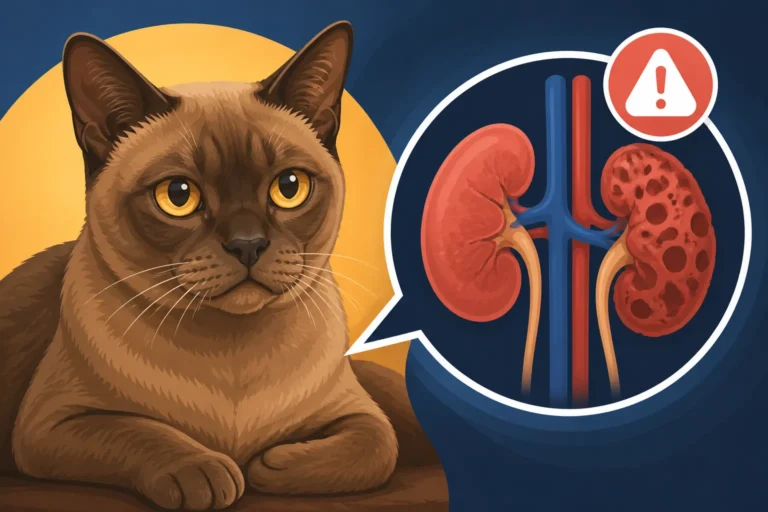
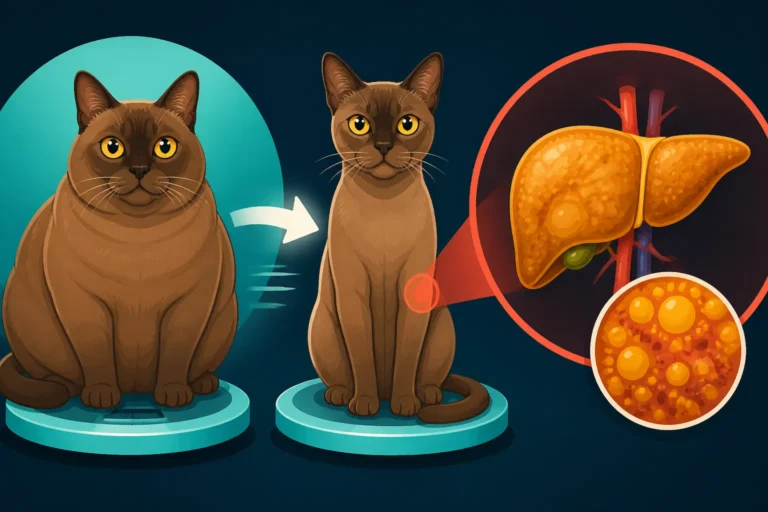
Ignoring dental disease in your Burmese isn't just cruel; it has serious ramifications for their overall health. Chronic oral infections can lead to a host of systemic issues, including heart disease, kidney disease, and liver problems, as bacteria from the mouth travel through the bloodstream. What starts as plaque can ultimately compromise organ function.
If dental disease progresses to advanced stages, it often necessitates extractions. Removing painful, infected teeth can drastically improve your cat's quality of life, but it's a more involved procedure, typically requiring longer anesthesia time and recovery. Imagine the discomfort of living with a rotten tooth – cats experience this too, even if they don't complain about it. While a cat can live a perfectly happy life without many of its teeth, preventing tooth loss through proactive care is always the ideal. This means embracing regular professional cleanings and consistent home care from an early age. The goal is to ensure your Burmese can continue to enjoy their food and playful nature without being plagued by chronic oral pain.
Budgeting for Lifetime Dental Health
Let's be real: professional veterinary dental cleanings are not cheap. The cost typically ranges from a few hundred dollars for a basic cleaning to well over a thousand if extractions, bone grafts, or specialized procedures are needed. These costs include anesthesia, monitoring, fluids, scaling, polishing, and dental X-rays. Over a Burmese's average sixteen to eighteen-year lifespan, even with diligent home care, you can expect several of these procedures.
This is precisely where pet insurance becomes invaluable. A comprehensive policy, especially one from a provider like Healthy Paws, can help cover a significant portion of these costs. While many policies have waiting periods or might not cover pre-existing conditions, getting your Burmese insured when they are young and healthy means that these recurring dental expenses, along with other unexpected health issues, are much more manageable. Thinking about What a Burmese Costs Over Sixteen Years, dental care is a major component that often gets overlooked in initial budgeting. Including an allocation for regular dental check-ups and potential procedures should be as standard as budgeting for food and routine vet visits. Proactive budgeting for health, including dental care, helps you avoid making difficult choices due to financial constraints when your beloved Burmese needs care the most.
Disclaimer
This guide provides general information about Burmese cat dental care and is not a substitute for professional veterinary advice. Always consult with a qualified veterinarian for specific recommendations regarding your cat's health, diagnosis, and treatment. Individual needs may vary.