Why a Burmese’s Insulin Dose Changes as It Loses Weight
Burmese cat weight loss reduces insulin resistance, changing necessary doses and improving diabetes management and blood sugar control.
Know what to watch for.
Breed-specific conditions, screening and DNA tests, what surgery actually costs, and the daily habits that stretch a healthy lifespan.
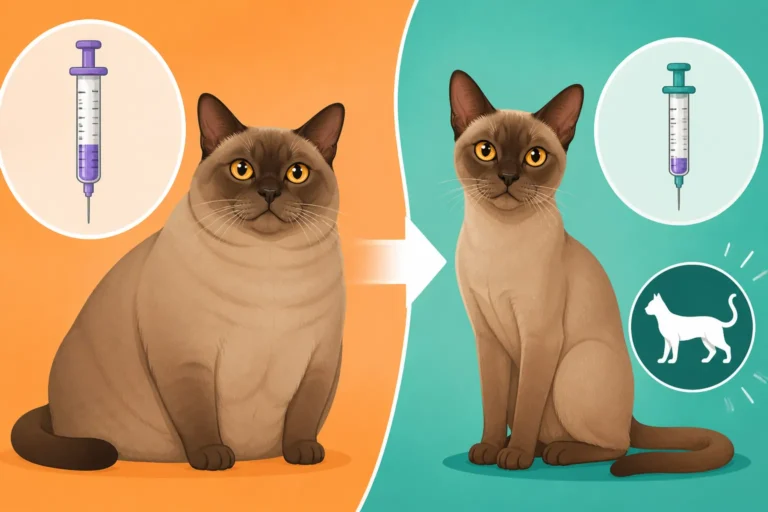
Burmese cat weight loss reduces insulin resistance, changing necessary doses and improving diabetes management and blood sugar control.

Ongoing veterinary potassium rechecks for Burmese cats with hypokalemia help manage genetic muscle weakness and prevent dangerous blood level drops.
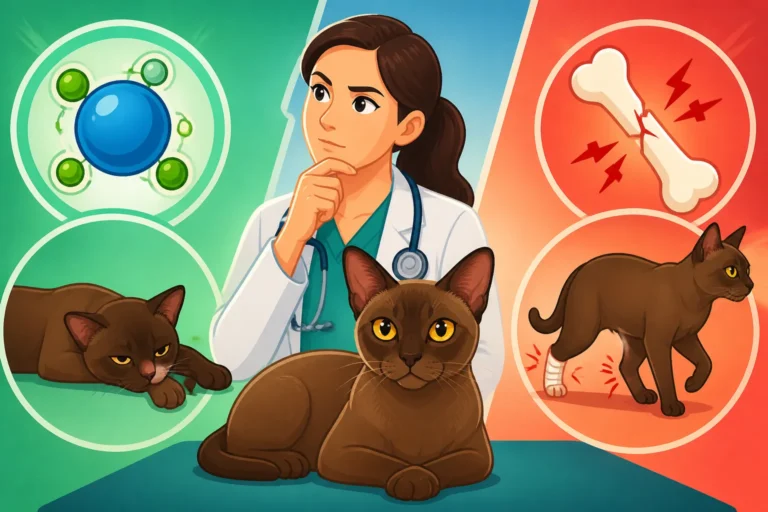
Burmese hypokalemia causes sudden muscle weakness and head drops that mimic physical trauma, confusing owners and veterinarians.
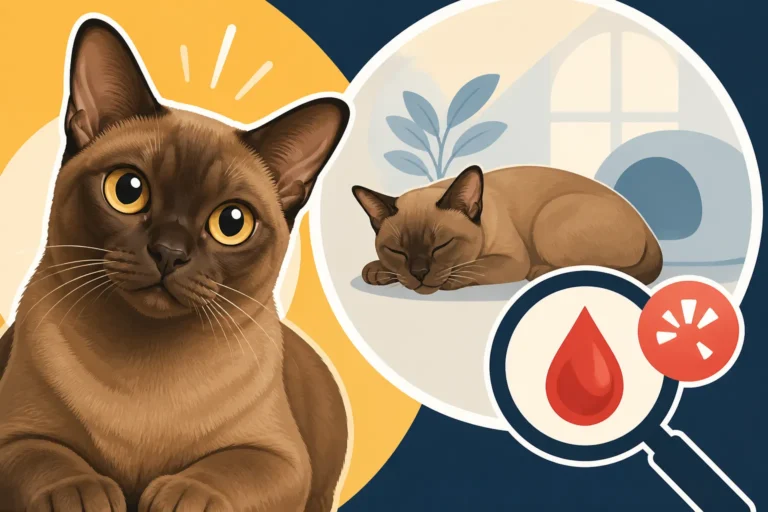
Burmese cat diabetes is frequently discovered by accident because the breed masks subtle early symptoms with stoicism and affection.
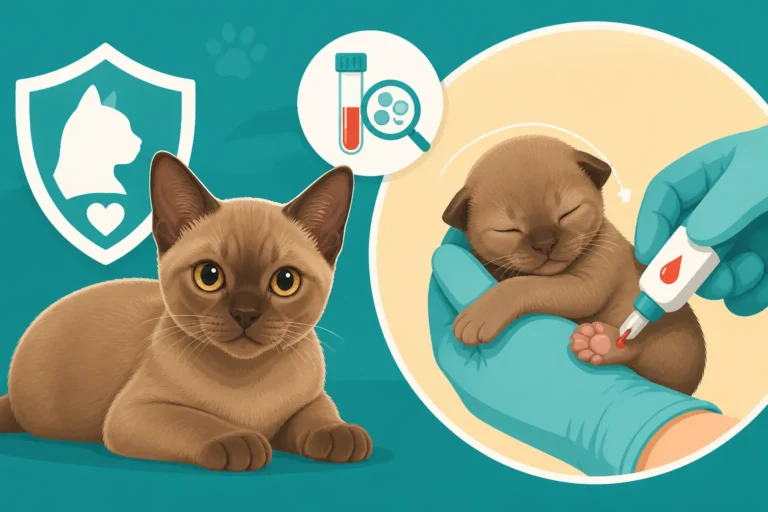
GM2 screening options for newborn Burmese kittens, the autosomal recessive inheritance pattern, and statistics on affected offspring.
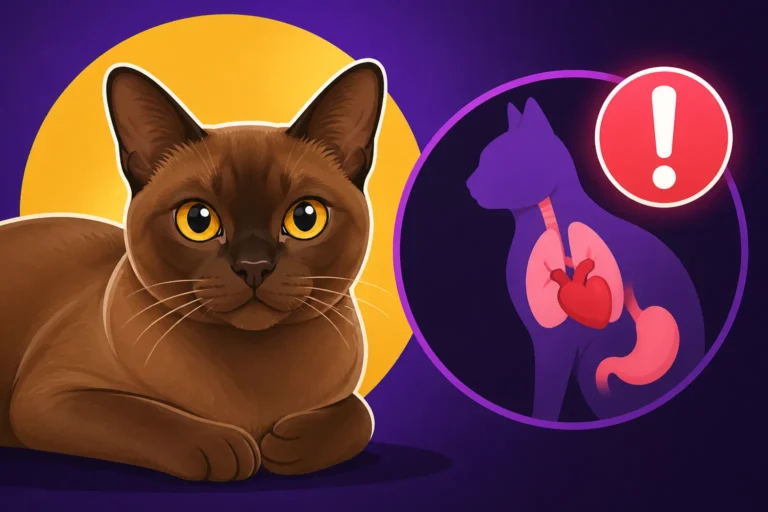
Undiagnosed diabetes and related genetic predispositions explain what an untested Burmese most often dies of without proper veterinary care.
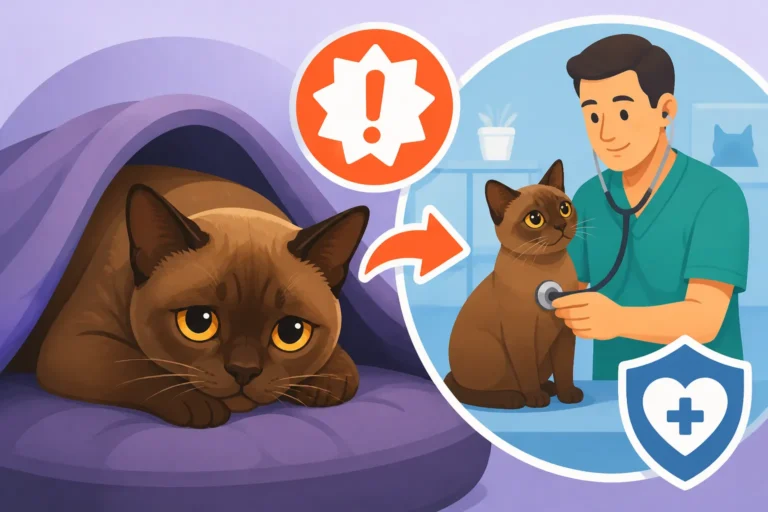
A withdrawn Burmese cat hiding from owners needs immediate veterinary care because sudden isolation signals masked, severe illness.
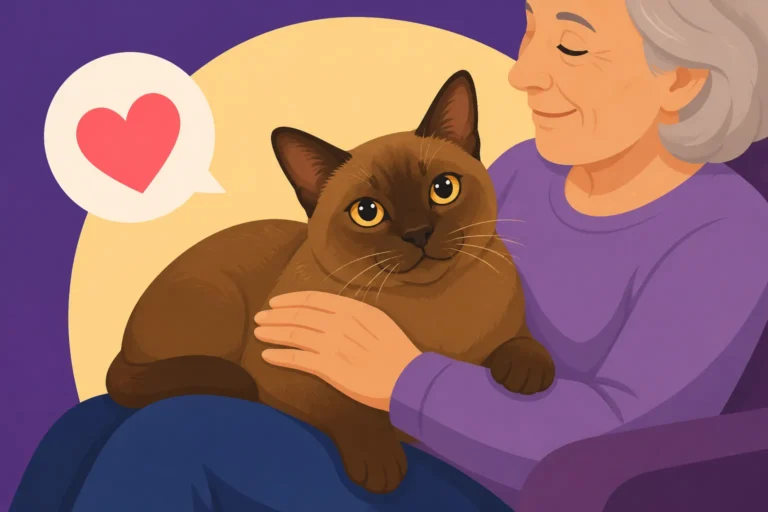
Senior Burmese cat affection explains why older Velcro cats seek continuous physical contact and warm human lap comfort.

Senior Burmese cats experience arthritis and subtle pain, and veterinarians provide safe medical options to manage their discomfort.
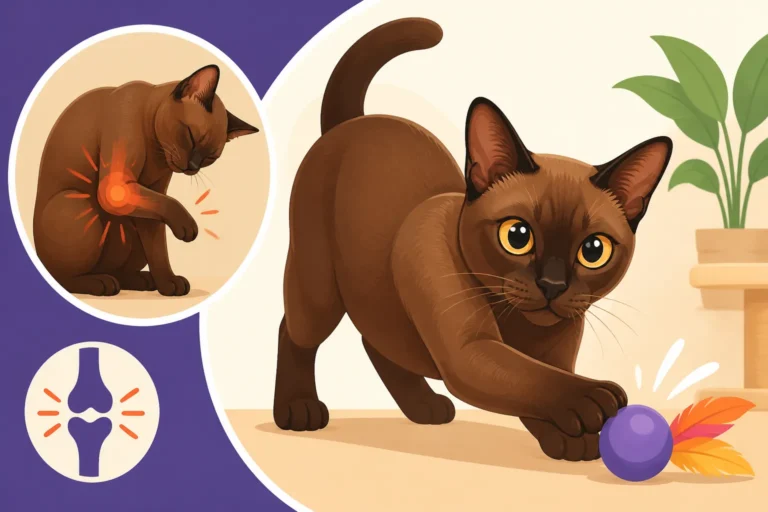
Subtle movement changes in a playful Burmese cat, such as slower jumps or stair hesitation, help owners identify early arthritis.