What Pain Relief an Old Burmese Can Take
It’s heartbreaking to watch your beloved Burmese cat, who once chased feather wands with youthful vigor, begin to slow down. As our feline friends age, many start to experience aches and pains that can significantly impact their quality of life. The challenge, especially with a breed as stoic and affectionate as the Burmese, is often just recognizing that they are in pain, let alone knowing what safe and effective pain relief options are available. This guide aims to help you understand the subtle signs of discomfort in your senior Burmese and explore the various veterinary-approved methods to manage their pain, ensuring their golden years are as comfortable and joyful as possible.
Recognizing Pain in Your Stoic Senior Burmese
Burmese cats are renowned for their people-oriented nature and their tendency to be 'dog-like' in their devotion. This deep bond can sometimes make it harder to spot subtle signs of discomfort, as they often try to hide their pain, a natural instinct for cats in the wild to avoid appearing vulnerable. However, when a Burmese is unwell, they might become withdrawn or change their routine, which can be the first red flag. You might find yourself wondering Why a Burmese Hides Illness Behind Its Affection.
Subtle Behavioral Changes to Watch For
Our older Burmese companions, even when playful well into their senior years, can start showing very subtle behavioral cues that indicate they're in pain. Instead of the dramatic limping you might see in a dog, a cat, particularly a Burmese, might just become a little less enthusiastic. For instance, if your cat usually greets you at the door, but now waits until you're closer, or if they used to jump onto the kitchen counter with ease and now hesitate or require a step-stool, these are significant changes. Perhaps they've stopped climbing their favorite cat tree or no longer sleep on your shoulder, preferring to stay on the sofa.
You might also notice shifts in their grooming habits. A cat in pain may over-groom a particular area if it’s bothering them, or conversely, they might neglect grooming altogether, leading to a dull or unkempt coat. Changes in appetite can also signal pain, especially if chewing or getting to the food bowl is difficult. Even small shifts, like becoming less vocal or altering their preferred sleeping spots, can be indicators that something isn't quite right. Understanding What an Old Burmese Slows Down From involves careful observation of these small details.
Physical Indicators of Discomfort
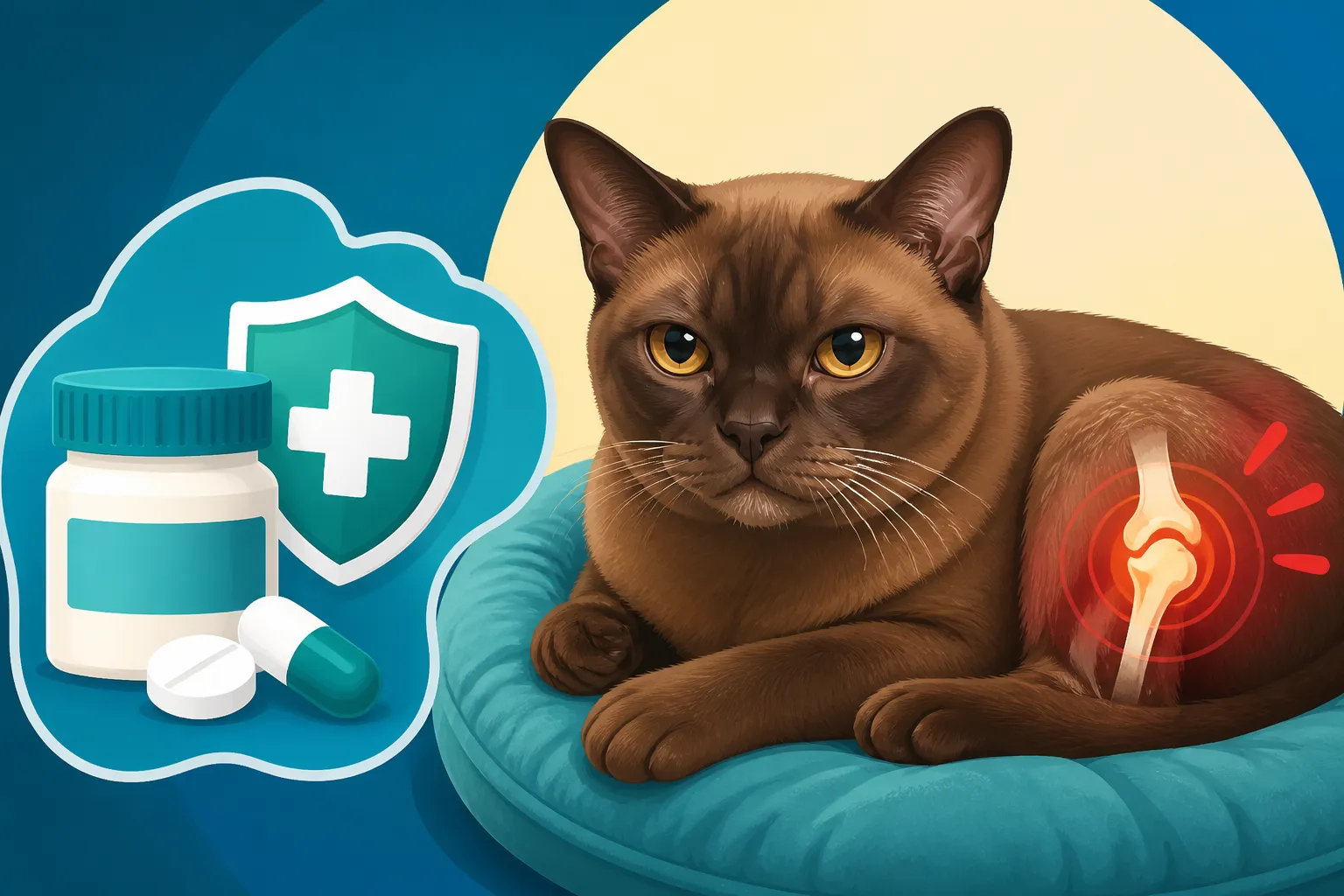
Beyond behavioral changes, there are physical signs that your senior Burmese might be experiencing pain. Arthritis is a common culprit in older cats, and you might notice How Arthritis Shows in a Burmese That Still Plays. They might appear stiff, especially after a long nap or in the morning. When they walk, their gait might be slightly altered, perhaps a bit more rigid, or they might struggle with stairs. Picking them up might elicit a yelp, a flinch, or even just a tense posture if you touch a sore spot.
Pay attention to their posture. Are they hunched or guarding a particular area of their body? Is their tail held differently? Sometimes, even difficulty using the litter box, either due to pain in squatting or difficulty getting into a high-sided box, can be a sign. Palpating their joints gently can sometimes reveal warmth or swelling, though this is best left to a vet who can properly assess without causing further discomfort. Remember, even if your Burmese still purrs and seeks affection, it doesn’t mean they aren't in pain – a purr can be a coping mechanism for stress and discomfort.
Understanding Safe Pain Relief Options for Senior Cats
Once you suspect your senior Burmese is in pain, the absolute first step is a veterinary consultation. Never try to administer human pain medications or over-the-counter remedies to your cat, as many are highly toxic and can cause severe, life-threatening reactions. Your vet will conduct a thorough examination, which may include blood tests and X-rays, to accurately diagnose the cause of the pain and recommend the safest and most effective treatment plan. The goal is always to improve their quality of life as they age.
Non-Steroidal Anti-Inflammatory Drugs (NSAIDs)
For cats experiencing pain due to arthritis, inflammation, or other musculoskeletal issues, veterinarians often prescribe Feline-specific Non-Steroidal Anti-Inflammatory Drugs (NSAIDs). Unlike human NSAIDs which are extremely dangerous for cats, veterinary NSAIDs like meloxicam (Metacam) are formulated for feline metabolism. These medications work by reducing inflammation and pain, making movement more comfortable.
However, NSAIDs are not without risks, especially for older cats. They can impact kidney and liver function, which is why your vet will always perform blood work before starting treatment and periodically throughout the course. This helps ensure your cat's organs are healthy enough to process the medication safely. They will typically start with the lowest effective dose and carefully monitor your cat for any adverse effects, such as changes in appetite, vomiting, diarrhea, or lethargy. It's a delicate balance, but when managed correctly by a veterinarian, NSAIDs can offer profound relief and significantly enhance your Burmese's comfort.
Gabapentin and Other Neuropathic Pain Meds
Sometimes, pain isn't just inflammatory; it can involve nerve pain or chronic discomfort that doesn't fully respond to NSAIDs alone. In these cases, medications like gabapentin can be incredibly helpful. Gabapentin works differently, targeting nerve pain and also acting as a mild sedative, which can be beneficial for anxious cats or those with chronic pain that affects their sleep. It can be used alone or in conjunction with NSAIDs or other pain relievers.
Your vet might also consider other medications depending on the specific type of pain your Burmese is experiencing. For example, some newer injectable medications are designed to target specific pain pathways in cats, offering another avenue for relief. These options underscore the importance of an accurate diagnosis from your veterinarian. Discussing all available options with your vet is crucial to tailor a plan that addresses your Burmese's unique needs, especially when they are Caring for a Burmese Past Twelve.
Joint Supplements and Nutraceuticals
Beyond prescription medications, many owners find success incorporating joint supplements and nutraceuticals into their senior Burmese's routine. These aren't typically used as standalone pain relief but rather as supportive therapy to help maintain joint health and reduce inflammation over time.
Common ingredients found in these supplements include:
- Glucosamine and Chondroitin: These are natural components of cartilage and are believed to help support cartilage health and lubrication in the joints.
- Omega-3 Fatty Acids: Derived from fish oil, omega-3s (EPA and DHA) are powerful natural anti-inflammatories. They can help reduce the overall inflammatory burden in the body, benefiting joints, skin, and even cognitive function.
- Methylsulfonylmethane (MSM): Another natural compound that can support joint health and has anti-inflammatory properties.
These supplements are often available in palatable forms, such as chews or liquids that can be added to food. While generally safe, it's always best to discuss any supplements with your veterinarian before introducing them, especially if your cat is on other medications. They can advise on appropriate dosages and reputable brands. When considering the overall health costs, remember that a good pet insurance policy, such as those offered by Healthy Paws, can help with the expenses of ongoing veterinary care and certain prescribed medications, though it's important to understand policy specifics regarding supplements.
Holistic and Supportive Therapies
While medication plays a crucial role, a comprehensive pain management plan for an old Burmese often includes various holistic and supportive therapies designed to enhance their comfort and mobility without relying solely on pharmaceuticals. These approaches focus on improving their living environment and providing gentle physical support.
Environmental Adjustments
Making your home more senior-cat-friendly can significantly reduce strain on aching joints and make daily life easier for your Burmese. Think about how your cat navigates their world and where they spend their time.
Here are some practical adjustments:
- Ramps or Steps: If your Burmese loves to jump onto furniture or the bed, provide ramps or pet steps. This eliminates the need for high-impact jumps that can exacerbate joint pain.
- Easily Accessible Resources: Place food, water, and litter boxes on the ground floor or in easily reachable locations. If your cat has Why a Burmese's Gums Recede Early or other dental issues, consider elevated food bowls to make eating more comfortable. Ensure litter boxes have lower sides for easier entry and exit, especially since Why a Diabetic Burmese Needs a Bigger Box could also apply to an arthritic one who needs more space.
- Comfortable Beds: Invest in orthopedic or memory foam beds that provide extra cushioning and support for joints. Place these beds in their favorite warm, quiet spots. Why a Burmese Seeks Out the Warmest Spot is not just about comfort, but can help soothe stiff muscles.
- Non-Slip Surfaces: If you have hardwood or tile floors, consider placing rugs or runners in high-traffic areas to provide better traction and prevent slips that could cause injury or discomfort.
- Warmth: As your Burmese ages, they may feel the cold more, which can stiffen joints. Providing a heated bed or a cozy blanket can make a big difference.
These small changes can often make a huge impact on your cat's daily comfort and mobility, demonstrating that caring for an old Burmese goes beyond just medication.
Physical Therapies and Massage
Gentle physical therapies and massage can also provide relief for stiff muscles and joints. Always approach these with caution and consult your vet or a certified veterinary physical therapist first, to ensure you're not causing further pain or injury.
- Gentle Massage: Softly stroking and kneading the muscles around your cat's joints can improve circulation and reduce stiffness. Watch your cat's reaction closely; if they show any signs of discomfort, stop immediately. Focus on areas like the hips, shoulders, and along the spine. Your Burmese usually enjoys being handled, so this can be a lovely bonding experience that also provides relief.
- Heat Therapy: A warm, damp towel or a pet-safe heating pad (set on low and monitored carefully) can be applied to sore areas for short periods (10-15 minutes). Heat helps relax muscles and increase blood flow, which can ease pain. Again, ensure the heat is gentle and never leave your cat unsupervised with a heating pad.
- Controlled Exercise: While strenuous activity is out, gentle, controlled movement is still important for maintaining muscle mass and joint flexibility. Encourage short, low-impact play sessions using wand toys, keeping them close to the ground so your Burmese isn't forced to jump high or twist excessively. Remember, What an Old Burmese Still Wants to Play means they still need mental and physical stimulation, just adapted to their capabilities.
The Importance of Veterinary Consultation and Ongoing Care
Navigating pain management for an older Burmese is a continuous journey that absolutely requires a strong partnership with your veterinarian. Attempting to self-diagnose or self-medicate can lead to serious health consequences, as cats metabolize medications very differently from humans. A vet's expertise is invaluable for accurate diagnosis, safe prescription, and ongoing monitoring.
Working with Your Vet to Create a Pain Management Plan
Your veterinarian will be your best ally in developing a tailored pain management plan for your senior Burmese. This plan is rarely a "set it and forget it" situation; it evolves as your cat ages and their needs change. Regular check-ups are essential, typically every 6-12 months for senior cats, even more frequently if they are on chronic medication. These visits allow your vet to:
- Assess Pain Levels: They will observe your cat's gait, posture, and reactions to palpation.
- Adjust Medication Dosages: Based on your cat's response and any changes in their condition, dosages may need to be fine-tuned.
- Perform Blood Tests: Routine blood work is crucial for monitoring organ function, especially kidneys and liver, when your cat is on NSAIDs or other long-term medications. This helps catch potential side effects early.
- Recommend Diagnostic Imaging: X-rays or ultrasounds might be needed to further investigate the source of pain or monitor the progression of conditions like arthritis.
Don't hesitate to ask your vet questions or voice any concerns you have. Keeping a log of your cat's good days and bad days, as well as any noticeable changes in behavior or appetite, can be incredibly helpful for your vet in making informed decisions. This proactive approach is key to ensuring your beloved companion has the best possible quality of life.
Financial Considerations and Pet Insurance
It's a realistic truth that providing ongoing medical care for a senior cat with chronic pain can be costly. The expenses for veterinary consultations, diagnostic tests, prescription medications, and potentially specialized diets or supplements can add up over time. This is where forward-thinking financial planning, including pet insurance, becomes incredibly valuable.
Many pet owners find peace of mind with a comprehensive pet insurance plan. While some conditions might be excluded if they are pre-existing, if you've had a policy in place for a while, it can significantly offset the financial burden of managing chronic pain. Companies like Healthy Paws offer various plans that can help cover eligible veterinary expenses, allowing you to focus on your cat's well-being rather than worrying about the bills. It's often recommended to Why to Insure a Burmese Before It Turns Seven so that age-related conditions, when they inevitably arise, are covered.
Before choosing a plan, carefully review what is covered, deductibles, reimbursement percentages, and any annual limits. Compare different providers and plans to find one that best suits your budget and your Burmese's potential health needs. Having this safety net can make a huge difference in your ability to provide the best possible care for your cherished senior Burmese, ensuring they continue to enjoy a comfortable and happy life by your side.
Disclaimer
This article is for general informational purposes only and does not constitute professional advice. Laws, prices and regulations vary by location and change over time. Consult a qualified professional for guidance on your specific situation.