Why a Burmese Seeks Out the Warmest Spot
If you're a Burmese cat parent, you've probably noticed a common theme in your home: your beloved feline seems to have a built-in heat-seeking missile. Whether it's draped across a sunny windowsill, burrowed deep under the duvet with you, or even perched precariously on a warm laptop, Burmese cats have an undeniable knack for finding – and claiming – the coziest, warmest spots in the house. This isn't just a quirky preference; it's deeply rooted in their unique physiology and inherent instincts. This guide will dive deep into why your Burmese is constantly on the hunt for warmth and how you can ensure they're always comfortable and safe.
The Burmese Coat: A Lesson in Warmth (or Lack Thereof)
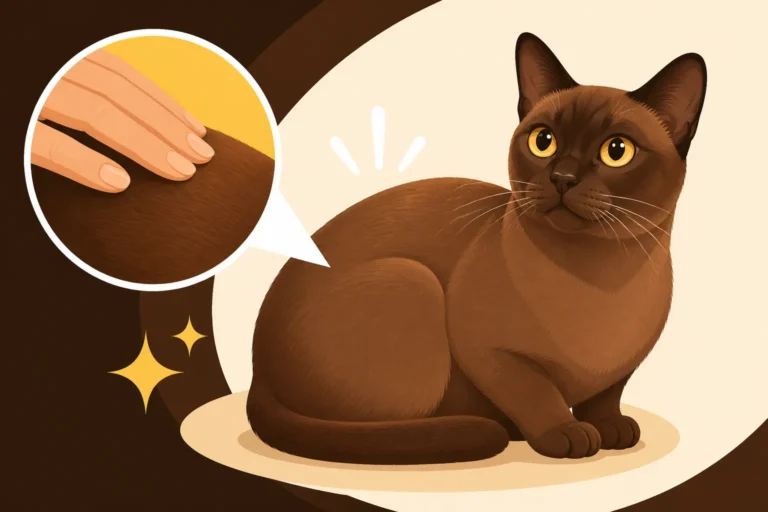
One of the most striking features of a Burmese cat is its stunning, short, and incredibly soft coat. It's often described as feeling like satin or even mink, and while it's certainly luxurious to the touch, this very characteristic is a major reason why your Burmese is always seeking out the warmest nooks and crannies.
The "Satin" Coat Explained
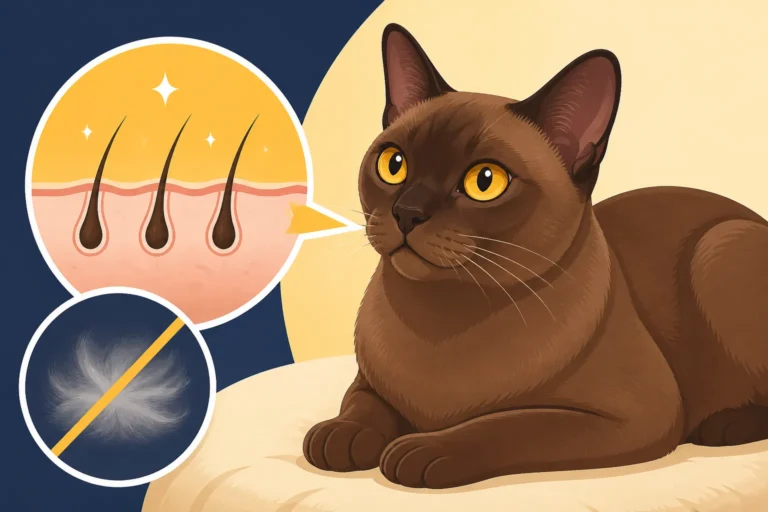
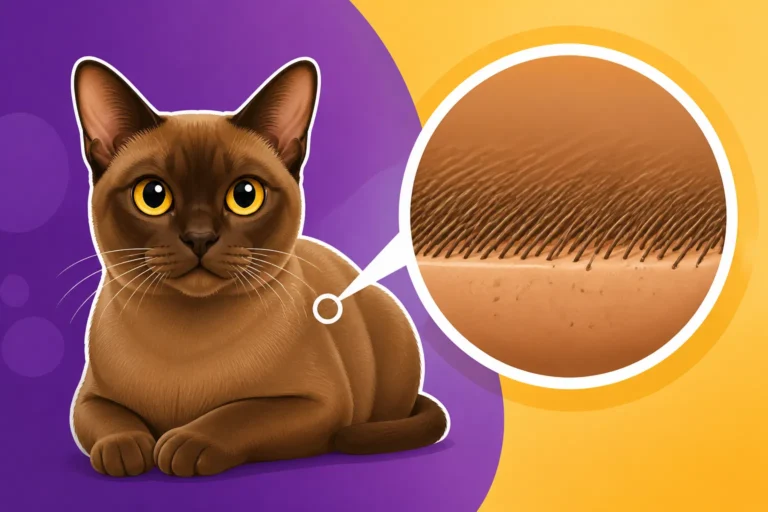
The unique texture of the Burmese coat isn't just for show; it's a testament to its singular structure. Unlike many other cat breeds that boast a dense undercoat, the Burmese has very little, if any, of this insulating layer. Their guard hairs, which are the visible, sleek outer hairs, lie incredibly flat and close to their body. This creates that wonderfully smooth, satiny feel that we adore, but it also means there's less air trapped between the hairs to provide natural insulation. Think of it like wearing a silk slip versus a thick wool sweater; both are fabrics, but one offers far more warmth than the other.
Because their fur lies so tightly against their skin, it doesn't offer the same kind of thermal barrier that a fluffier, double-coated cat might have. When you stroke a Burmese, you feel the immediate warmth of their body, not a cushion of fur. This is lovely for petting, but it means they are more directly exposed to ambient temperatures. They aren't equipped with a built-in blanket like a Persian or a Maine Coon, and they feel the chill more readily. This lack of a substantial undercoat also means they shed surprisingly little compared to some other breeds, which is a definite plus for owners, but a drawback for the cat's personal thermostat.
Why Short Hair Means Less Natural Insulation
The primary function of a cat's fur, beyond aesthetics, is thermoregulation – helping them maintain a stable body temperature. For cats with long, thick, or double coats, this fur acts as a natural insulator, trapping a layer of warm air close to their skin and preventing body heat from escaping too quickly. It's like having a built-in sleeping bag.
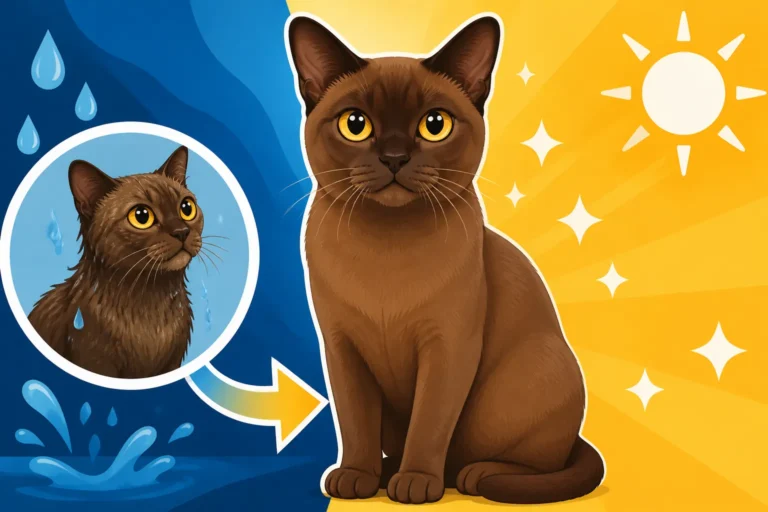
For a Burmese, with its remarkably short and fine coat, this insulating capability is significantly reduced. Their body heat dissipates much faster into the surrounding environment. Imagine stepping outside on a crisp autumn day in a light jacket compared to a heavy winter parka. The Burmese is essentially wearing that light jacket all the time. This means that in a room that might feel perfectly comfortable to you, your short-coated Burmese could be feeling a distinct chill, especially if they're not actively moving or snuggled up against a heat source. They have to work harder, or rather, seek harder, to conserve their body warmth. This is why you'll often find them draped over a radiator (safely, of course), basking directly in a sunbeam, or seeking out your lap. They're not just being affectionate; they're actively managing their internal temperature. Why a Short Coated Burmese Feels the Cold
The Burmese Metabolic Rate and Energy Needs
Beyond their sleek, less-insulating coats, another significant factor driving your Burmese's quest for warmth is their remarkably high metabolic rate and energetic nature. These cats are not known for being couch potatoes, even in their later years.
High Metabolism, High Heat Output (and Loss)
Burmese cats are renowned for their playful, active, and perpetually kittenish personalities. They are constantly on the go, engaging in energetic play sessions, exploring every nook and cranny, and generally being the life of the party. This high level of activity requires a significant amount of energy, which means their bodies burn calories at a faster rate than many less active breeds. A faster metabolism generates internal body heat, which is great, but it also means that heat is being produced at a constant clip.
However, that high heat output is quickly lost due to their thin coats. It's a bit of a double-edged sword: they generate a lot of heat, but they're not very efficient at holding onto it. This constant energy expenditure for activity, combined with inefficient heat retention, makes them acutely sensitive to cooler temperatures. They need to replenish that lost warmth regularly. So, when your Burmese curls up in a tight ball or seeks out the warmest spot, it’s often a physiological necessity to conserve energy and maintain their optimal body temperature, not just a casual preference. This drive to maintain warmth is particularly noticeable in cooler environments, where they might become less active if they can't find a warm spot, purely out of self-preservation. Why a Burmese Refuses to Go Out in Cold Weather
Impact of Diet on Body Temperature Regulation
A Burmese's diet plays a crucial, though indirect, role in its ability to regulate body temperature. Because they have such a high metabolism and are prone to certain health conditions like diabetes, their nutrition isn't just about taste; it's a medical decision. Feeding them a high-quality, species-appropriate diet – typically one that is high in protein and low in carbohydrates – provides the consistent energy they need for their active lifestyle.
When a Burmese is well-nourished with an appropriate diet, their body has the fuel it needs to maintain metabolic processes, including heat production. If a cat is underfed or fed a diet lacking in essential nutrients, its body might struggle to generate sufficient internal heat, making them even more susceptible to feeling cold. Furthermore, maintaining an ideal body weight is important. While Burmese are naturally muscular and denser than they look, a healthy weight means their metabolism is running optimally. Excess fat can provide some insulation, but it comes with a host of health risks, especially for a breed predisposed to diabetes. A lean, muscular Burmese, powered by the right food, will have a more efficient internal furnace, even if its coat isn't doing much to trap that heat. Many owners opt for quality wet foods, which often naturally align with the low-carb requirements crucial for a Burmese's long-term health. Brands available through retailers like Chewy or Amazon often stock suitable options, making it easier to ensure your cat is getting what it needs. Feeding a Burmese Is a Medical Decision, Not a Preference
Instinctual Behavior: Seeking Comfort and Security
Beyond the purely physical reasons related to their coat and metabolism, a Burmese's relentless pursuit of warmth is also deeply rooted in their primal instincts for comfort and security. This isn't just about survival; it's about feeling safe, content, and loved.
The Innate Drive for Heat and Safety
Just like their wild ancestors, domestic cats retain an innate drive to seek out warm, sheltered spots. In nature, a warm spot often meant safety from predators, protection from the elements, and an opportunity to conserve energy rather than expending it to stay warm. A sun-drenched rock or a cozy den would have been prime real estate. Even though our modern Burmese cats live pampered lives indoors, these ancient instincts persist. They associate warmth with comfort, safety, and well-being.
This is why you'll find your Burmese expertly tracking sunbeams as they move across the floor, or burrowing under blankets as if preparing for a long winter's nap. These actions aren't learned behaviors from training; they are hardwired responses. When they are warm, they feel more secure and less vulnerable. This instinct is particularly strong in breeds like the Burmese who aren't naturally insulated. They're not just looking for a spot to relax; they're looking for their version of a perfectly safe, warm haven. This can manifest in unexpected places, like inside a cupboard if it's shielded from drafts, or curled up in a laundry basket full of fresh, warm clothes.
Social Warmth: Laps, Blankets, and Other Cats
For a Burmese, warmth isn't just about passive environmental heat; it's also profoundly social. These are the "Velcro cats" of the feline world, known for their unwavering devotion and constant need for human companionship. Their desire to be physically close to you, often right on your lap or even riding on your shoulder, isn't just about affection (though there's plenty of that!). It's also a highly effective way for them to absorb your body heat. Your lap isn't just a comfortable perch; it's a living, breathing, warm hot water bottle. The Burmese Is the Velcro Cat of the Cat Fancy
This extends to their sleeping habits. Many Burmese cats will insist on sleeping under the covers with their humans, nestled against them. This provides maximum warmth and a deep sense of security. If you have more than one cat, or even a cat-friendly dog, you'll often find your Burmese snuggled up tightly with their furry companions, creating a collective warmth that benefits everyone involved. Why a Burmese Gets Right Under the Duvet This mutual heat exchange is a powerful bonding experience for them. It’s a testament to their affectionate nature that they satisfy both their need for warmth and their need for companionship simultaneously. A lonely Burmese might even pull out its own fur due to anxiety, which would further compromise its already thin insulation, making that social warmth even more vital. Why a Lonely Burmese Pulls Its Satin Coat Out
Practical Solutions: Keeping Your Burmese Cozy
Knowing why your Burmese is a warmth-seeker is one thing, but knowing how to keep them comfortably warm and safe in your home is another. Thankfully, there are many simple and effective ways to cater to their innate preferences without turning your home into a sauna.
Providing Purposeful Warm Spots
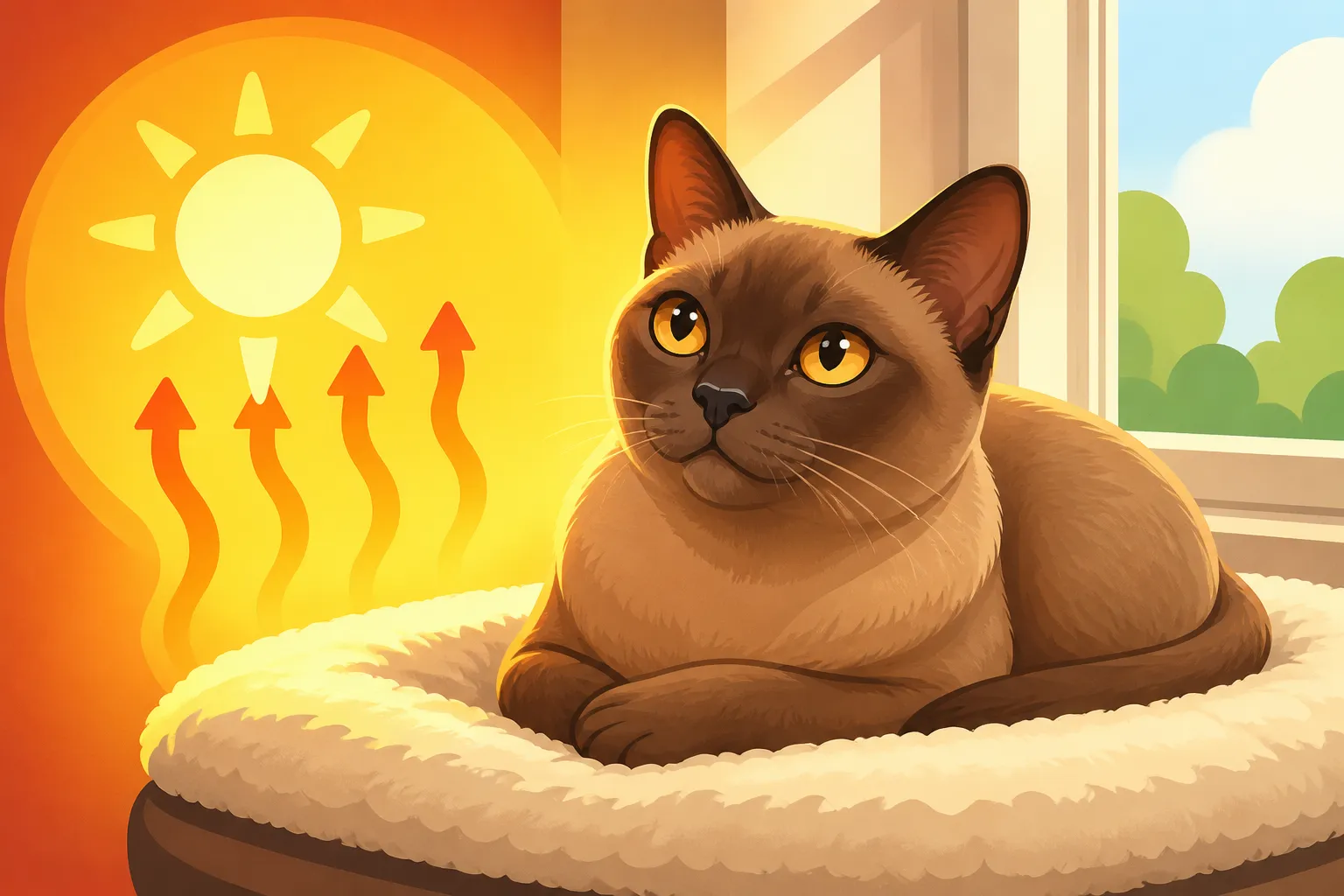
Since your Burmese will naturally gravitate towards warmth, it makes sense to provide them with designated, safe warm spots. Heated cat beds are a fantastic solution. These can range from simple self-warming mats that reflect a cat's own body heat to electric heated beds that offer a consistent, gentle warmth. When choosing an electric option, always ensure it's specifically designed for pets and has safety features like low wattage and automatic shut-off to prevent overheating. Brands like Amazon and Chewy offer a wide variety of these, allowing you to find one that fits your home and your cat's preferences. Place these beds in quiet, draft-free areas where your Burmese already likes to nap.
Beyond specialized beds, simple solutions can be incredibly effective. Soft, thick blankets, cozy cat tunnels, and enclosed cat caves provide a sense of security and help trap body heat. Placing these items in sunny spots during the day, or near a safe heat source like a radiator (ensuring there's no risk of direct contact or burns), will make them irresistible to your feline friend. You might also consider placing a comfortable bed or blanket on a raised surface, like a cat tree platform, as warm air tends to rise, and many cats enjoy being up high. These purposeful warm spots give your Burmese options and prevent them from seeking out potentially unsafe heat sources.
Environmental Control and Home Comfort
While you don't need to crank your thermostat up to tropical levels, maintaining a comfortable ambient temperature in your home, especially during colder months, will significantly benefit your Burmese. A general indoor temperature that feels comfortable for you is often sufficient for your cat, but remember that due to their thinner coats, they will feel the cold more acutely. Pay attention to drafts, especially near windows or exterior doors where your Burmese might like to rest. Blocking drafts with weather stripping or even just positioning furniture to create a barrier can make a big difference.
Consider their sleeping areas specifically. If your Burmese sleeps on your bed, fantastic – they get your body heat. If they have their own bed, ensure it's not on a cold floor or in a drafty hallway. Even an elevated bed can help lift them off a chilly floor. For homes with particularly cold floors, a thick rug or a mat under their favorite sleeping spot can add an extra layer of insulation. While some people consider pet clothing, for an indoor Burmese, providing multiple warm resting spots and managing drafts is usually sufficient and less restrictive than a sweater. The goal is to create an environment where they don't have to work hard to stay warm, allowing them to relax and thrive in their naturally affectionate and energetic way. Why a Burmese Needs Somewhere Warm to Sleep
Comparison of Warmth Solutions for Burmese Cats
| Solution Type | Description | Pros | Cons | Best For |
|---|---|---|---|---|
| Heated Cat Beds | Electric pads or self-warming mats designed to provide direct heat. | Consistent warmth, targeted comfort, often energy-efficient. | Can be an initial investment, electric ones need power outlet access. | Cats who prefer isolated warmth, cold climates, older or less active Burmese. |
| Thick Blankets/Caves | Soft, plush materials in beds, tunnels, or enclosed spaces. | Inexpensive, portable, offers security, traps body heat naturally. | Requires the cat's own body heat, may not be enough in very cold rooms. | All Burmese, especially those who love to burrow and feel secure. |
| Sunbeams | Natural warmth from sunlight through windows. | Free, natural, stimulating. | Only available during daylight hours, moves throughout the day. | All Burmese, especially during sunny days, great for napping spots. |
| Human/Pet Laps | Sharing body heat by snuggling with people or other pets. | Provides social warmth, strengthens bonds, free. | Not always available (e.g., when you're busy or away), reliant on others. | Affectionate Burmese, multi-pet households, constant companionship. |
| Radiator Beds/Shelves | Beds or shelves that attach to radiators, absorbing ambient heat. | Efficient use of existing heat, provides an elevated, warm spot. | Requires a radiator, must be safely installed to avoid burns/overheating. | Burmese who love high spots and consistent warmth. |
| Warm Rooms/Areas | Strategically increasing ambient temperature or sealing drafts in certain rooms. | Benefits the whole household, improves overall comfort. | Higher heating bills, may not be comfortable for humans if too warm. | Homes with consistently chilly areas, addressing drafts. |
You'll notice that many of these solutions involve passive heat. The goal is to create an environment where your Burmese doesn't have to spend its own valuable energy to stay warm. Providing a variety of options allows your cat to choose what suits them best at any given moment, ensuring they remain the happy, healthy, and wonderfully warm companion you adore. Knowing that their comfort is a priority will make both of you happier.
Disclaimer
This article is for general informational purposes only and does not constitute professional advice. Laws, prices and regulations vary by location and change over time. Consult a qualified professional for guidance on your specific situation.