Why a Burmese Refuses to Go Out in Cold Weather
If you've ever found yourself wondering why your usually adventurous Burmese cat gives you a look of utter betrayal when you open the back door to a brisk autumn day, you're not alone. Many Burmese owners observe their feline companions transforming into indoor-only enthusiasts as soon as the temperature drops. This guide will explore the specific reasons behind this behavior, rooted in their unique physiology and deep-seated instincts, and help you understand how best to keep your beloved Burmese comfortable and content when the weather turns cold.
The Burmese's Unique Coat: Why They Feel the Chill More Than Other Cats
It's a common misconception that all cats are equally equipped to handle various temperatures, especially with their fur coats. However, the Burmese cat's coat is truly one-of-a-kind, and it plays a significant role in why they're so averse to cold weather. Unlike many other breeds, their fur isn't designed for robust insulation, leaving them more susceptible to the biting chill.
Satin Smooth, Not Fluffy Warm
The Burmese is renowned for its short, fine, and incredibly soft coat, often described as feeling like satin. It lies close to their body, giving them that sleek, elegant appearance we all adore. But this beauty comes at a practical cost when it comes to keeping warm. This distinctive coat lacks the dense, insulating undercoat that many other cat breeds possess. Think of a Siberian or a Maine Coon, with their plush, double-layered coats designed to trap warm air close to their skin – a Burmese has none of that natural winter armor.
This absence of a thick undercoat means there's less material to create an insulating barrier against cold air. When you pet a Burmese, you can feel their warmth directly through their fur, which tells you just how little protection it offers. It's like comparing a light silk scarf to a thick wool blanket; one provides comfort and style, the other is built for warmth. For a Burmese, a chilly breeze isn't just uncomfortable; it genuinely penetrates their delicate coat much faster than it would for a cat with a more robust fur structure. This is a fundamental reason why they shy away from the outdoors when the mercury dips. For more on their distinctive fur, read How Short a Burmese's Coat Actually Is and Why a Burmese's Coat Feels Like Satin.
Temperature Regulation and Body Type
Beyond the lack of an undercoat, the Burmese cat's overall body type also contributes to their reduced ability to regulate their temperature in cold environments. They are known for their muscular, compact build – often affectionately called a "brick wrapped in silk" – but this doesn't equate to a larger surface area for heat generation or retention compared to, say, a longer-bodied cat. Their heat production, like all mammals, is metabolically driven, but without adequate external insulation, that heat can dissipate quickly.
Their metabolism works hard, but it’s fighting an uphill battle against the cold when they lack the physical adaptations for insulation. This means that a Burmese will expend more energy just trying to stay warm in cool temperatures, leading to discomfort and a natural inclination to seek out warmer spots. You'll often find them curled tightly, perhaps burrowed under blankets or snuggled against you, all in an effort to conserve body heat. Their aversion to cold isn't just a preference; it's a physiological response to feeling genuinely cold, much more acutely than you might realize. This is a crucial point for any owner, as it underscores Why a Short Coated Burmese Feels the Cold.
Instinct and Comfort: Why a Burmese Prefers the Indoors
Beyond their physical inability to tolerate cold, the Burmese also possesses certain breed-specific instincts and behavioral tendencies that make them decidedly indoor-loving cats, especially when the weather is less than ideal. Their deeply affectionate nature and inherent need for companionship mean they thrive in the warmth and security of a home environment.
A History of Warm Climates
The origins of the Burmese breed trace back to Southeast Asia, a region known for its warm, tropical climate. While modern Burmese cats have been selectively bred over generations, their genetic heritage still carries the imprint of their ancestors' preferred environment. Cats, like many animals, retain certain innate preferences and tolerances passed down through their lineage. For a cat whose forebears thrived in balmy conditions, a frosty morning or a snowy afternoon just doesn't feel natural or safe.
They haven't evolved the thick fur or the physiological adaptations that enable felines from colder regions to thrive outdoors year-round. So, while your domestic shorthair might tolerate a brief foray into the chilly garden, your Burmese is essentially hardwired to prefer the warmth that mimics their ancestral home. This historical context provides a deep understanding of why their discomfort in the cold is more than just a whim; it's a reflection of their very being.
The "Velcro Cat" Tendency: Preferring Human Warmth and Indoor Activity
Burmese cats are famously known as "Velcro cats" due to their intense need for human companionship and affection. They thrive on being close to their people, seeking out laps, shoulders, and any warm spot where they can snuggle up. This powerful drive for connection means they naturally gravitate towards the indoors, where their human family resides. When it's cold outside, the appeal of staying bundled up next to you, perhaps under a blanket, far outweighs any desire to explore a frigid backyard.
Their high intelligence and playful nature also mean they require plenty of mental and physical stimulation, much of which can be provided indoors. They'll chase toys, play fetch, and engage in elaborate games, often involving you, all from the comfort of a heated home. The cold weather simply removes any incentive for outdoor excursions, pushing them further into their natural role as the ultimate indoor companion. This profound bond is why The Burmese Is the Velcro Cat of the Cat Fancy.
Safety First: Outdoor Risks in Cold Weather
Even if a Burmese could tolerate the cold, many owners rightly worry about the increased risks associated with outdoor access during colder months. A Burmese is not typically street-smart; their trusting nature and lack of fear make them vulnerable to dangers like traffic, other animals, and even being stolen. In cold weather, these risks are compounded by the potential for hypothermia, frostbite, and exposure to harmful substances like antifreeze.
Furthermore, a Burmese might wander too far in an attempt to find warmth or shelter, becoming disoriented or trapped. Owners often make the responsible choice to keep their Burmese strictly indoors, especially during winter, to protect them from these very real threats. This protective instinct on the part of the owner reinforces the Burmese's natural inclination to stay inside, making their refusal to go out a wise decision for their well-being. Keeping them safe and warm inside is a priority, and for good reason.
Creating a Warm and Engaging Indoor Haven for Your Burmese
Since your Burmese has made it abundantly clear that cold weather is not their jam, it's our job as responsible and loving owners to ensure their indoor environment is a warm, stimulating, and comfortable sanctuary. Embracing their preference for indoor living means being proactive about meeting all their needs within the home.
Providing Cozy Retreats and Warm Spots
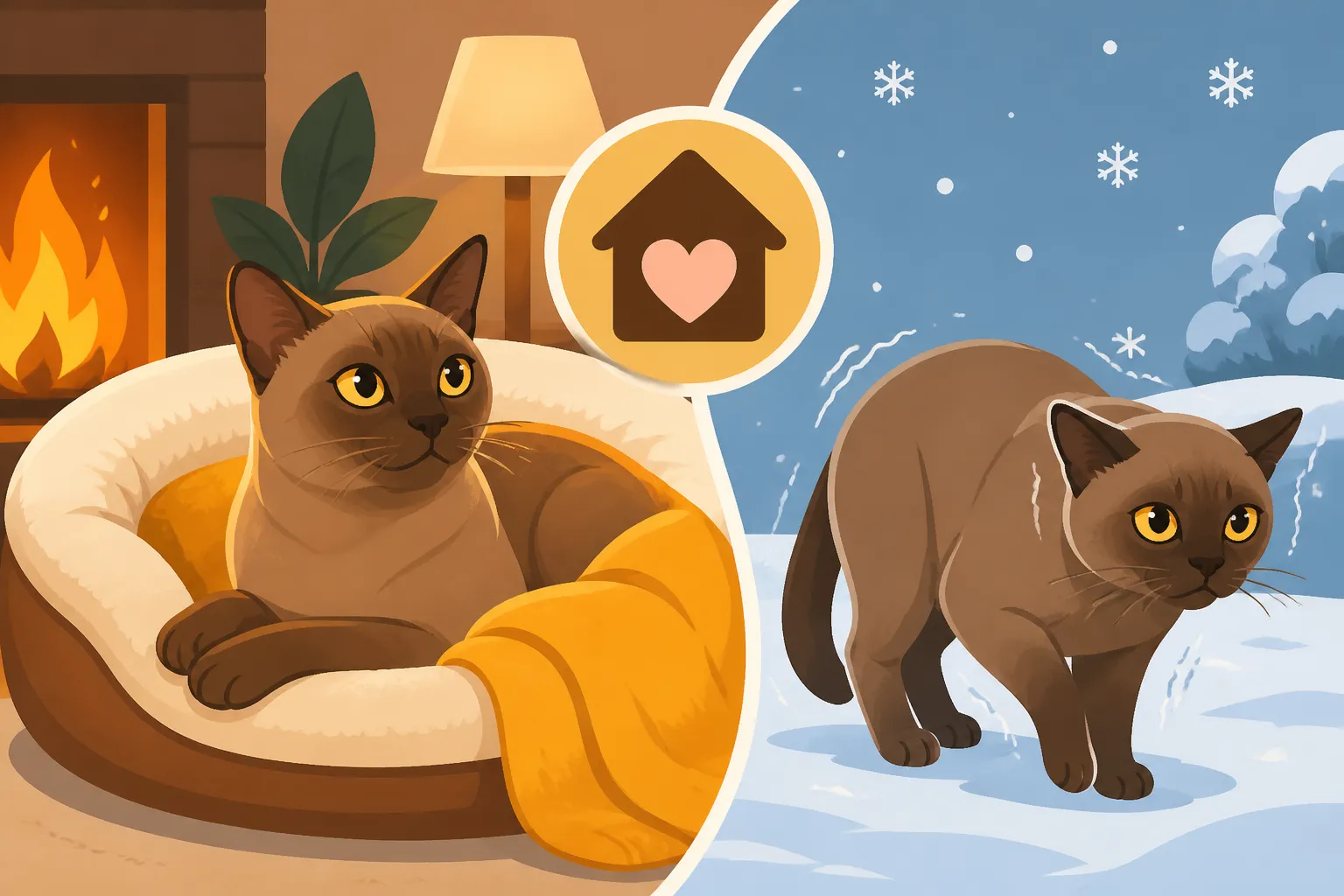
One of the easiest ways to cater to your Burmese's need for warmth is by strategically placing cozy sleeping spots throughout your home. They will naturally seek out the warmest areas, whether that's a sunbeam streaming through a window, a spot near a radiator, or tucked under a duvet with you. Providing dedicated warm beds or blankets can make a significant difference. Consider heated cat beds, especially for older or thinner Burmese cats, which can offer continuous, gentle warmth. These are readily available on platforms like Amazon or Chewy.
Plush blankets, soft cat beds, and even small, enclosed spaces like cat caves or carriers lined with bedding can become cherished warm retreats. Observe where your Burmese likes to curl up and enhance those spots with extra comfort. You might notice them draped over the back of a warm armchair or nestled into a laundry basket – these are clues to their preferred microclimates. Ensuring these areas are always accessible, clean, and inviting will go a long way in keeping your Burmese content during colder months. Remember, Why a Burmese Needs Somewhere Warm to Sleep is more than just a preference; it’s a physical need.
Indoor Enrichment and Play to Combat Boredom
While seeking warmth is paramount, a Burmese cat is also highly intelligent and active, even as they age. Being confined indoors, especially if they previously had outdoor access, can lead to boredom or destructive behavior if their needs for stimulation aren't met. To prevent this, it's crucial to provide a rich and engaging indoor environment. This means regular play sessions with wand toys, laser pointers, and interactive puzzles. They love games that involve 'hunting' and 'chasing,' mimicking their natural predatory instincts.
Consider investing in vertical spaces like cat trees or shelves, which not only provide exercise but also offer elevated vantage points, satisfying their curiosity about their surroundings. Puzzle feeders, which dispense treats or kibble only when manipulated correctly, can also provide mental stimulation and slow down their eating, which is beneficial for a breed prone to diabetes. You can find a wide range of engaging toys and puzzle feeders on Chewy or Amazon. Remember that a Burmese thrives on interaction, so these playtimes are not just about burning energy, but also about strengthening your bond. Even at an older age, What an Old Burmese Still Wants to Play.
Dietary Considerations for Maintaining Warmth and Health
A cat's diet plays a critical role in their overall health and ability to generate body heat. For a Burmese, who are prone to certain health issues like diabetes, careful attention to their nutrition is paramount, especially when they're spending more time indoors and potentially expending less energy through outdoor activity. A high-quality, protein-rich diet helps maintain muscle mass, which is important for metabolism and warmth.
Ensure their food portions are carefully weighed to prevent unintentional weight gain, as obesity can exacerbate health problems and make it harder for them to move comfortably. While they might burn slightly fewer calories indoors during colder months, their need for a balanced, low-carbohydrate diet remains constant. Consult with your vet to determine the appropriate caloric intake for your individual Burmese, taking into account their age, activity level, and any existing health conditions. A healthy diet, like those recommended by your vet, can support their energy levels and natural body temperature regulation, keeping them comfortable and spry even when it's cold outside. Why Portion Control Is Medical Care in a Burmese really cannot be stressed enough, especially when considering indoor activity levels.
Keeping Your Burmese Happy Through the Colder Seasons
Understanding why your Burmese cat shuns the cold is the first step to ensuring their year-round comfort. It's not about being finicky; it's about their unique physiology and deep-seated instincts. By creating a warm, safe, and stimulating indoor environment, you can embrace their natural preferences and foster a happy, healthy companion who will love snuggling up with you through every winter night.
A Look at Preferred Warmth vs. Outdoor Elements
The distinction between a comfortable indoor temperature and the harsh outdoor elements is particularly stark for a Burmese. Indoors, they have access to consistent warmth, soft bedding, and the constant company of their human family. Outdoors, they face not just cold air, but potentially wind, dampness, and even precipitation, all of which strip heat from their bodies very quickly due to their minimalist coat. A slight draft to us can be a significant chill for them.
This sensitivity makes them excellent barometers for indoor comfort. If your Burmese is constantly seeking out heat sources or burrowing deep into blankets, it might be a subtle sign that your home could benefit from being a touch warmer, or that they need more dedicated warm spots. They are not simply being lazy; they are actively seeking to preserve their core body temperature. Observing these behaviors can give you valuable insights into their comfort levels and help you adjust their environment accordingly.
The Social Aspect of Warmth
For a Burmese, warmth isn't just a physical sensation; it's often intertwined with social connection. They are incredibly people-oriented cats who thrive on physical proximity to their human companions. Often, the warmest spot in the house is your lap or nestled against your side on the sofa. This means that their quest for warmth naturally draws them closer to you, reinforcing their "Velcro cat" reputation.
When the weather turns cold, this desire for shared warmth intensifies. They may become even more insistent on cuddles, head-nuzzles, and snuggling under blankets. This isn't just a need for heat; it's also a powerful expression of their affectionate nature. So, when your Burmese refuses the cold outdoor world, they are often choosing the warmth of your company as much as the warmth of your home. It's a beautiful reflection of their bond with you, and a lovely reminder that Why a Burmese Still Wants a Lap is a lifelong trait.
Disclaimer
This article is for general informational purposes only and does not constitute professional advice. Laws, prices and regulations vary by location and change over time. Consult a qualified professional for guidance on your specific situation.