Why Treats Matter More to a Diabetes Prone Burmese
We all adore giving our Burmese cats a little something extra, don't we? That little nudge of their head, the insistent purr, those huge, expressive eyes – it's almost impossible to resist. But for a Burmese, especially one prone to diabetes, those seemingly innocent treats carry a weight far beyond their size. This guide isn't about guilt-tripping you; it's about empowering you with the knowledge to make treat choices that safeguard your beloved feline friend's health, focusing on why these small gestures matter more than you might think for this particular breed.
The Unique Diabetes Risk in Burmese Cats
It's a tough pill to swallow, but our beautiful, intelligent Burmese cats are, unfortunately, disproportionately affected by certain health conditions. One of the most significant and concerning is diabetes mellitus. Understanding why this is the case is the first step in making informed choices, especially when it comes to treats.
Why Burmese Are Prone to Diabetes
Let's face it: it's not fair, but it's true. The Burmese cat has a genetic predisposition that makes them statistically far more likely to develop diabetes than many other breeds. It’s not just a matter of whether they get a bit chunky, although that certainly doesn’t help; there’s an inherent metabolic vulnerability at play. It’s like they’re playing life on a higher difficulty setting when it comes to sugar regulation. In fact, research shows that The Burmese Has the Highest Diabetes Rate of Any Cat Breed, and they are Why a Burmese Is Four Times More Likely to Become Diabetic compared to other felines. This isn't just a quirky fact; it's a critical piece of information that every Burmese owner needs to internalize. Their bodies are simply not as forgiving of dietary indiscretions, particularly those involving carbohydrates.
How Diet Impacts Diabetes Development
When we talk about diabetes in cats, we're usually talking about Type 2, much like in humans, where the body either doesn't produce enough insulin or becomes resistant to the insulin it does produce. High-carbohydrate diets are a huge red flag for a diabetes-prone Burmese. Imagine your cat’s pancreas working overtime, day in and day out, trying to process a constant influx of sugar from their food. Over time, that organ can simply get exhausted, leading to insulin resistance and eventually, full-blown diabetes. This is why many vets will passionately advocate for a low-carbohydrate diet for Burmese cats, even before any signs of diabetes appear. It's a proactive measure, a crucial defense against a disease they're already genetically primed for. This principle extends directly to treats. Why Low Carbohydrate Food Matters for a Burmese isn't just a recommendation for main meals; it's a philosophy for all food going into your Burmese.
The Slippery Slope of "Just One Treat"
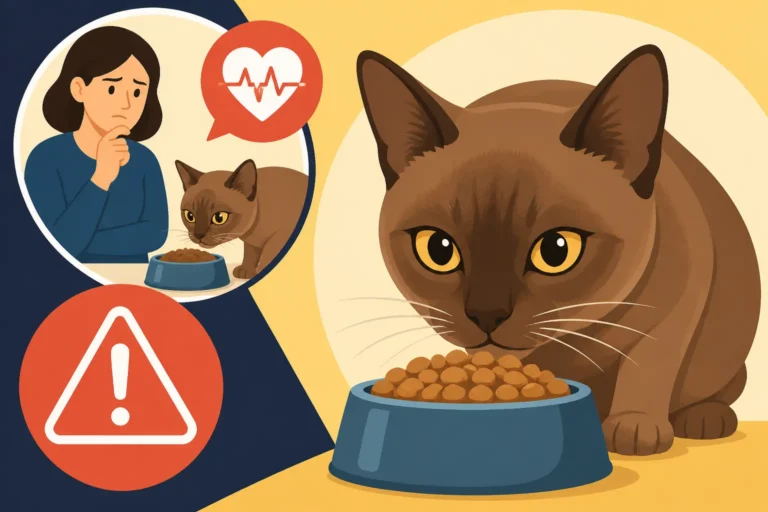
We've all been there. Your Burmese looks at you with those deep, pleading eyes, and you think, "It's just one tiny bite. What harm could it do?" The problem is, "just one treat" rarely stays just one. It often becomes one a day, then two, then a handful here and there. For a cat with a high genetic risk for diabetes, these small, consistent carbohydrate bombs add up. They constantly spike blood sugar, forcing the pancreas to work harder. It's like gently pushing a delicate mechanism closer and closer to its breaking point. You might not see immediate symptoms, but internally, that pancreatic strain is building. Before you know it, what seemed like harmless affection has contributed to a serious health issue. This is why How Quickly Treats Undo a Burmese's Glucose Control is such a critical consideration.
The Hidden Dangers of Conventional Cat Treats
It's easy to assume that anything marketed for cats is inherently safe, but the reality is far more nuanced, especially when we're dealing with a breed as predisposed to diabetes as the Burmese. Many commercial treats, even those from reputable brands, are formulated with convenience and palatability in mind, often at the expense of ideal nutritional profiles for specific health needs.
Understanding Carbohydrate Content in Treats
Here's the frustrating part: reading pet food labels for carbohydrate content can feel like deciphering a secret code. Manufacturers aren't required to list carbohydrates directly, so you often have to do some math. If a treat lists grains, corn, potatoes, or any kind of sugar high up in the ingredient list, you can bet it's packing a significant carb punch. These ingredients are cheap fillers, excellent binders for crunchy treats, and highly palatable, but they are absolutely counterproductive for a diabetes-prone cat. Imagine a human being with pre-diabetes regularly munching on sugary cookies; it’s the same concept for our felines. Dry, crunchy treats are particularly notorious for their high carbohydrate levels, often far exceeding what's healthy for a cat, let alone one genetically predisposed to diabetes.
The Calorie Overload Problem
Beyond carbohydrates, treats also contribute calories. Even if a treat seems small, its caloric density can be surprisingly high. A few extra treats a day, especially alongside a regular diet, can quickly lead to weight gain. And for a Burmese, weight gain is a massive accelerator for diabetes development. How Much Weight Raises a Burmese's Diabetes Risk cannot be overstated. Obesity creates insulin resistance, a state where the body's cells don't respond effectively to insulin, leading to elevated blood sugar levels. It's a vicious cycle: high-carb treats contribute calories, leading to weight gain, which then increases diabetes risk, which is exactly what we're trying to prevent in our Burmese. Every calorie from a treat should ideally be accounted for in their daily intake, rather than being an "extra."
Treats as Training Tools vs. Indulgences
There's a fundamental difference between using high-value treats sparingly for training purposes and habitually doling them out as simple indulgences. When you're clicker training your Burmese, teaching them to come when called, or getting them comfortable with their carrier, a tiny, potent reward can be incredibly effective. In these scenarios, the treat serves a clear purpose: behavior modification.
However, the moment treats become a mindless daily ritual – given simply because your cat asked, or because you feel a bit guilty for leaving them alone – they shift from being a tool to a potential health hazard. Your Burmese already has a wonderful, affectionate nature; they don't need excessive food rewards to feel loved or to want to be near you. They already want that! Distinguishing between these two uses is vital for maintaining their health.
Choosing Safe and Healthy Treats for a Diabetes-Prone Burmese
So, what’s a loving Burmese owner to do? It’s not about cutting out treats entirely – it’s about making smart, health-conscious choices that support their unique metabolic needs. Think of treats as a powerful tool that needs to be wielded with care and precision.
Prioritizing Low-Carbohydrate, High-Protein Options
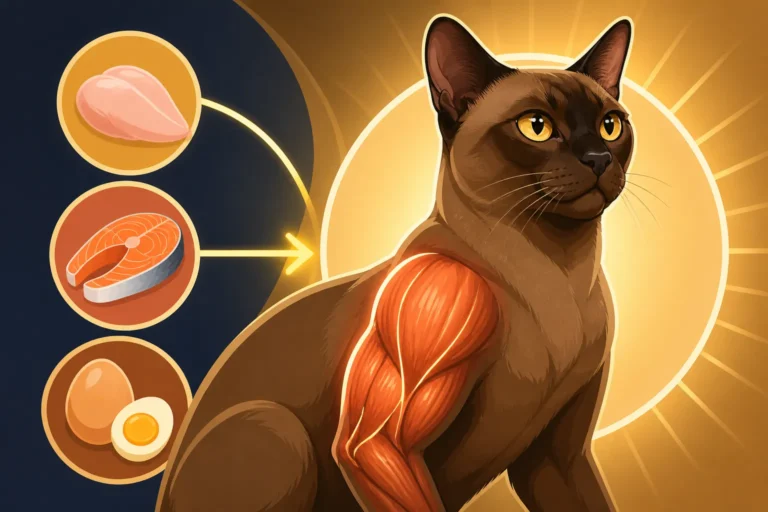
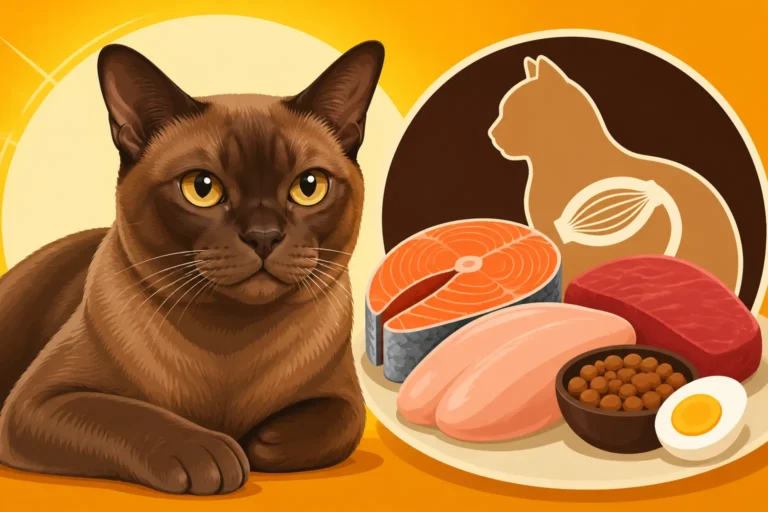
When you do give treats, they need to be the right kind. For a diabetes-prone Burmese, "treat" should almost always equate to "pure protein." Forget the crunchy biscuits and gravy-coated morsels. Instead, lean into options that mimic their natural diet as obligate carnivores.
- Cooked Lean Meats: Small pieces of plain, cooked chicken breast, turkey, or even lean beef can be excellent. Make sure there are no seasonings, bones, or skin. These are pure protein, low in carbs, and incredibly appealing to most cats.
- Freeze-Dried Single-Ingredient Treats: These are often the gold standard. Look for brands that offer 100% freeze-dried chicken, salmon, or liver. They are typically just what they say: meat, with all the moisture removed, making them very low in carbohydrates. You can often find a wide variety of these high-quality options on platforms like Chewy or Amazon. Always double-check the ingredient list, as some "freeze-dried" treats might still have binders or additives.
- Pieces of Their Regular Wet Food: If your Burmese is on a specific low-carbohydrate wet food diet (and they absolutely should be for diabetes prevention, as Which Wet Food Suits a Diabetes Prone Burmese), then a small, extra dollop or a few flakes from their measured meal can serve as a treat. It's already balanced for their needs and won't introduce unwanted carbs.
The key is vigilance in checking those ingredient lists. If you see sugars, starches, or grains, put it back. Period.
Portion Control and Timing Are Key
Even the best treats need to be portion-controlled. This isn't just about preventing weight gain; it's about not disrupting their metabolic balance. Treats should never be a significant part of their daily caloric intake. Think of them as tiny supplements, not mini-meals.
It's a fantastic habit to weigh your Burmese’s food, and the same careful approach should apply to treats. Why a Burmese's Portion Is Weighed, Not Scooped applies to every morsel they consume. If you give a few pieces of freeze-dried chicken, for example, consider slightly reducing their next main meal portion to compensate. This integrated approach ensures their overall diet remains balanced and doesn't inadvertently push them towards diabetes.
Timing can also be important. If you’re training, use them immediately after the desired behavior. If it’s just a loving gesture, give it at a consistent time, perhaps after one of their meals, to minimize blood sugar spikes.
DIY Treat Ideas for Peace of Mind
If you're truly concerned about hidden ingredients, consider making your own treats. It's surprisingly simple and gives you complete control.
- Baked Chicken or Fish: Boil or bake plain chicken or white fish until thoroughly cooked. Let it cool, shred it into tiny pieces, and offer it. You can even dehydrate small pieces in a low oven for a longer-lasting, crunchy option.
- Cooked Egg: A tiny piece of scrambled or boiled egg (without any butter, oil, or seasoning) is another protein-packed, low-carb choice that many cats adore.
These homemade options remove all guesswork and ensure you're providing nothing but beneficial nutrients.
Rethinking the Role of Treats in Bonding
Your Burmese loves you for you, not just for the food you dispense. They are, after all, the "Velcro cat" of the feline world. They thrive on companionship, cuddles, and interactive play.
Instead of reaching for a treat, consider:
- Interactive Play: Waving a wand toy, throwing a soft ball (yes, many Burmese will fetch!), or engaging them with a laser pointer (used carefully) can be far more enriching and calorie-free. How Much Play a Burmese Still Demands at Ten is surprising, even in older cats.
- Cuddle Time: Your Burmese will actively seek out your physical presence. Let them ride on your shoulder, knead on your lap, or simply Why a Burmese Pushes Its Face Into Your Palm. These moments build a bond stronger than any treat ever could.
- Grooming: A gentle brush or a rubdown with a chamois cloth isn't just good for their satin coat; it's also a form of loving interaction.
- Verbal Praise and Affection: Burmese cats are incredibly responsive to their humans. A soft voice, a gentle scratch behind the ears, or simply letting them curl up on you while you read are all powerful forms of affection. A Burmese wants a lap and will seek it out without needing food as an incentive.
Shifting your focus from food-based rewards to these non-food interactions strengthens your bond in healthier, more sustainable ways for a diabetes-prone cat.
Living with a Diabetes-Prone Burmese: A Holistic Approach
Managing the diabetes risk in your Burmese isn't just about treats; it's about a comprehensive, lifelong commitment to their well-being. Treats are an important piece of the puzzle, but they fit into a larger framework of care.
Regular Monitoring and Vet Checks
Proactive health monitoring is crucial for a breed with such specific vulnerabilities. This means more than just annual check-ups, though those are non-negotiable. Regular glucose checks, especially as your Burmese enters their middle years (around 7 years old), can catch potential issues early. Why a Burmese's Annual Visit Includes a Glucose Reading should be standard practice. Your vet might recommend a fructosamine test, which gives a broader picture of blood sugar control over several weeks, rather than just a snapshot. Early detection means earlier intervention, which can significantly improve outcomes and potentially delay or even prevent the onset of clinical diabetes. Don't wait for symptoms; be proactive.
Consistent Diet is Paramount
The cornerstone of preventative care for a diabetes-prone Burmese is a consistent, low-carbohydrate diet. This isn't just a suggestion; it's a medical directive. Feeding a Burmese Is a Medical Decision, Not a Preference, and that truth guides every meal. Feeding measured portions of high-quality, low-carb wet food twice a day, at consistent times, helps regulate their metabolism and keeps their pancreas from being overtaxed. Avoid free-feeding entirely, as this allows for constant grazing and blood sugar fluctuations. Think of their main meals as their primary medication against diabetes, and treats as a carefully controlled, occasional supplement.
Exercise and Play for Weight Management
A healthy weight is one of your strongest defenses against diabetes in a Burmese. These cats are naturally muscular and active, and encouraging that activity is key. Engage them in vigorous play sessions daily. Wand toys, laser pointers, and even simple games of fetch can burn calories and build lean muscle mass. This isn't just good for their physical health; it's fantastic for their mental well-being too. A fit, active Burmese is a happier Burmese, and a healthy weight supports optimal insulin sensitivity. Make playtime a priority, not an afterthought.
Educating the Whole Household
If you live in a multi-person household, it’s absolutely essential that everyone is on the same page regarding your Burmese’s diet and treat policy. A well-meaning family member, houseguest, or child who doesn’t understand the specific risks can easily undo all your careful efforts. Have an open conversation, explain why these dietary restrictions are in place, and set clear rules. Perhaps designate a specific person to handle all treats, or keep approved treats in a designated, accessible spot with clear instructions. Consistency across the board is vital to protect your Burmese from the unique health challenges they face.
Comparison of Treats for a Diabetes-Prone Burmese
To help visualize the difference, here's a quick comparison of common treat types and their suitability for your diabetes-prone Burmese:
| Treat Type | Pros | Cons | Suitability for Diabetes-Prone Burmese |
|---|---|---|---|
| Cooked Lean Meat | High protein, zero carbs, natural, palatable | Requires preparation, spoils quickly | Excellent |
| Freeze-Dried Meat | High protein, minimal carbs, convenient | Can be pricey, some brands add fillers (check labels), often found on Chewy or Amazon | Excellent |
| Wet Food (from meal) | Perfectly balanced with existing diet, safe | May not feel like a "special" treat | Excellent |
| Crunchy Kibble Treats | Convenient, readily available | Typically high in carbohydrates, fillers, can lead to weight gain | Poor – Avoid |
| Semi-Moist Treats | Palatable, easy to chew | Often very high in sugar, corn syrup, grains, artificial ingredients | Poor – Avoid |
| Dairy (cheese, milk) | Some cats love it | Lactose can cause digestive upset, often high in fat/calories | Poor – Avoid |
| Human Food Scraps | Quick, easy | Can contain harmful ingredients (onions, garlic), high fat/salt/sugar | Poor – Avoid |
Disclaimer
This article is for general informational purposes only and does not constitute professional advice. Laws, prices and regulations vary by location and change over time. Consult a qualified professional for guidance on your specific situation.