Feeding a Burmese Is a Medical Decision, Not a Preference
The sweet, demanding purr of a Burmese cat is one of life's great joys, but behind that velvet purr lies a significant responsibility, especially when it comes to their diet. Many Burmese owners face the heartbreaking reality of managing feline diabetes, a condition far too common in this beloved breed. This guide is here to help you understand why feeding your Burmese isn't just about filling their bowl; it's a critical medical decision that profoundly impacts their health, longevity, and quality of life, offering actionable steps to keep them healthy.
The Unique Metabolic Needs of the Burmese
The Burmese cat, with its muscular build and affectionate nature, often seems like a robust and healthy companion. However, beneath that smooth, satin coat lies a genetic predisposition that makes their metabolism uniquely sensitive, particularly to dietary carbohydrates. This isn't just a slight tendency; it's a significant factor that every Burmese owner must take seriously from day one.
Why Carbohydrate Load Matters So Much for Your Burmese
It's a stark truth: the Burmese breed has a considerably higher risk of developing type 2 diabetes compared to other cat breeds. We're talking about a predisposition that makes them Why a Burmese Is Four Times More Likely to Become Diabetic, and indeed, Why the Burmese Has the Highest Diabetes Rate of Any Cat Breed. This isn't just bad luck; it's rooted in their genetics. Their bodies are not as efficient at processing high levels of carbohydrates, which are unfortunately abundant in many commercial cat foods, especially dry kibble.
When a Burmese consumes a diet high in carbohydrates, their pancreas is constantly working overtime to produce insulin to manage the influx of sugars. Over time, this constant demand can lead to insulin resistance, where the body's cells stop responding effectively to insulin. It's a vicious cycle that, left unchecked, leads directly to diabetes. Imagine your car's engine, designed for premium fuel, constantly running on cheap, low-grade gasoline – eventually, it's going to break down. For your Burmese, the "cheap fuel" is often found in those convenient, crunchy bits many cats adore.
The Ideal Macronutrient Profile for a Burmese Diet
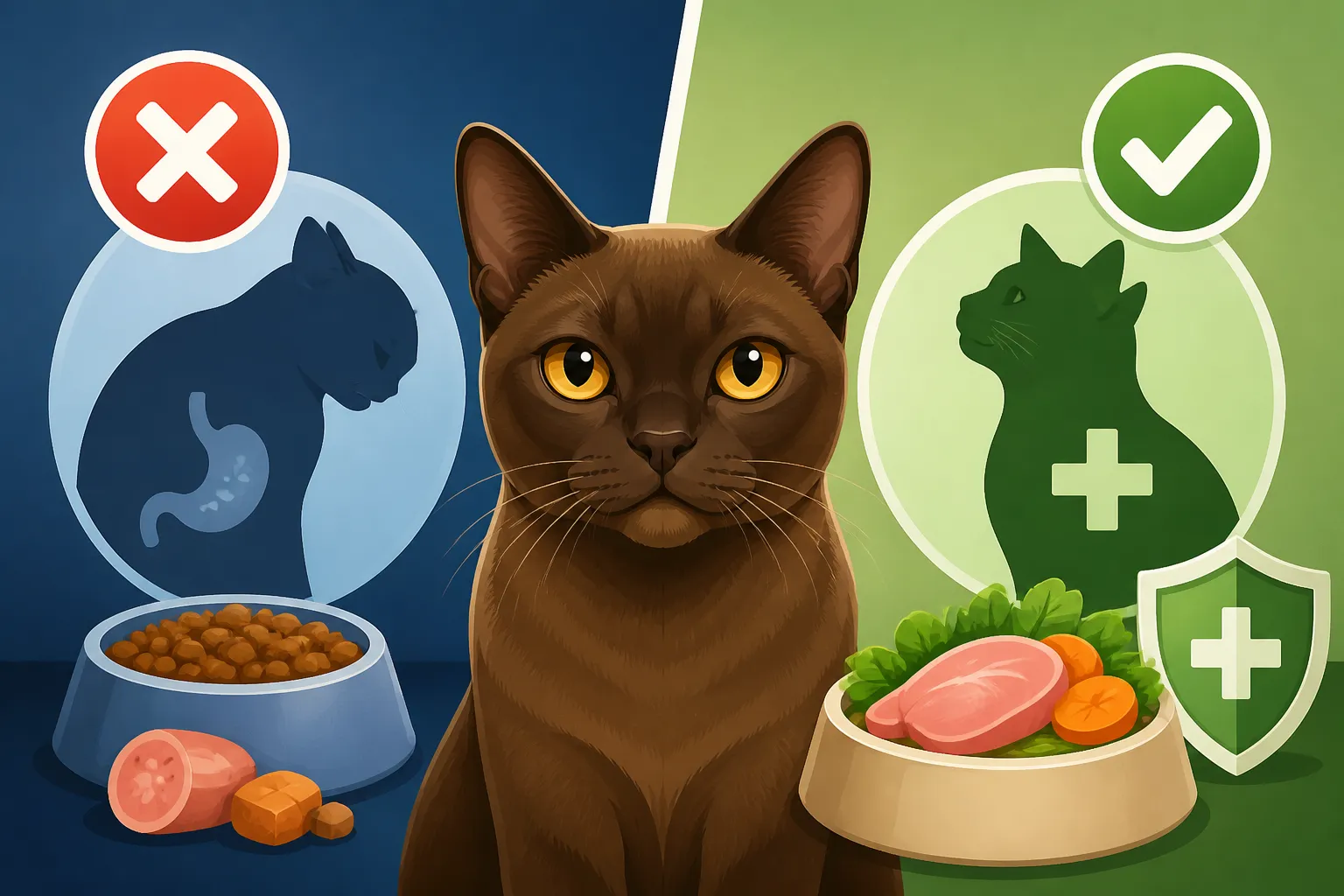
Given their genetic vulnerability, the cornerstone of a healthy Burmese diet is a high-protein, moderate-fat, and very low-carbohydrate composition. This mirrors the natural diet of a feline carnivore – think mice and small birds, not grains and starches. The goal is to minimize the glucose spikes that put stress on their pancreas.
This means prioritizing wet food over dry kibble, as dry foods almost invariably contain a higher carbohydrate percentage due to the starch required for kibble formation. Even "grain-free" dry foods can be loaded with carb-heavy fillers like peas, potatoes, or tapioca. When you're looking at food labels, aim for foods where carbohydrates make up less than 10% of the metabolizable energy (ME), ideally even lower. Many excellent resources explain Why Low Carbohydrate Food Matters for a Burmese, delving into the science of how this dietary approach supports their unique metabolic needs and helps prevent the onset of diabetes. Checking ingredient lists carefully on platforms like Chewy or Amazon and focusing on meat as the primary ingredient is crucial. Look for named meat sources first, such as chicken, turkey, or fish, rather than vague "meat by-products."
The Dangers of Free Feeding for a Burmese
For many cat owners, leaving a bowl of kibble out all day seems like the most natural, stress-free way to feed their pets. However, for a Burmese, this common practice is fraught with danger, directly contributing to the very health issues they are predisposed to. It's a habit born of convenience that can unwittingly pave the way for serious medical problems.
Why a Burmese Should Never Be Free Fed
Burmese cats are notoriously food-motivated. They don't just eat when they're hungry; they eat because food is available, because they're bored, or simply because it's there. This isn't a personality quirk; it's a deep-seated instinct combined with a breed-specific tendency that makes them particularly prone to overeating. You might notice your Burmese acting like Why a Burmese Never Stops Asking for Food, constantly hovering around the kitchen or attempting to "help" you prepare meals. This strong drive, coupled with a high-carb diet, is a recipe for disaster.
Free feeding allows unrestricted access to calories, making it nearly impossible to control their intake. This leads to steady weight gain, which is a massive risk factor for diabetes. Imagine a human eating constantly throughout the day; their system never gets a break. For a Burmese, free feeding means their pancreas is always working, always producing insulin, leading to the metabolic fatigue that paves the way for diabetes. It essentially turns a healthy cat into one perpetually on the brink of metabolic overload.
The Link Between Free Feeding and Diabetes Risk
The continuous consumption of food, particularly high-carbohydrate dry food, keeps a Burmese's blood sugar and insulin levels consistently elevated. This is precisely Why a Bowl Left Down Turns a Burmese Diabetic. When insulin levels are always high, the body's cells gradually become desensitized to its effects—this is insulin resistance. It's like hearing a constant alarm; eventually, you just tune it out.
The sustained high insulin levels also contribute to fat storage, particularly around the abdomen. This visceral fat is metabolically active and can exacerbate insulin resistance, creating a dangerous cycle. By eliminating free feeding and implementing a strict, portion-controlled feeding schedule, you give your Burmese's metabolic system a much-needed break. It allows their blood sugar and insulin levels to normalize between meals, significantly reducing the strain on their pancreas and lowering their risk of developing diabetes. This change alone can be one of the most impactful health decisions you make for your beloved Burmese.
Mastering Portion Control: A Weekly Ritual for Burmese Health
Once you understand why portion control is essential, the next step is implementing it consistently. This isn't about deprivation; it's about providing the right amount of the right fuel at the right time. Turning feeding into a measured, thoughtful ritual is key to preventing weight gain and managing their metabolic health.
How to Accurately Weigh and Portion Your Burmese's Food
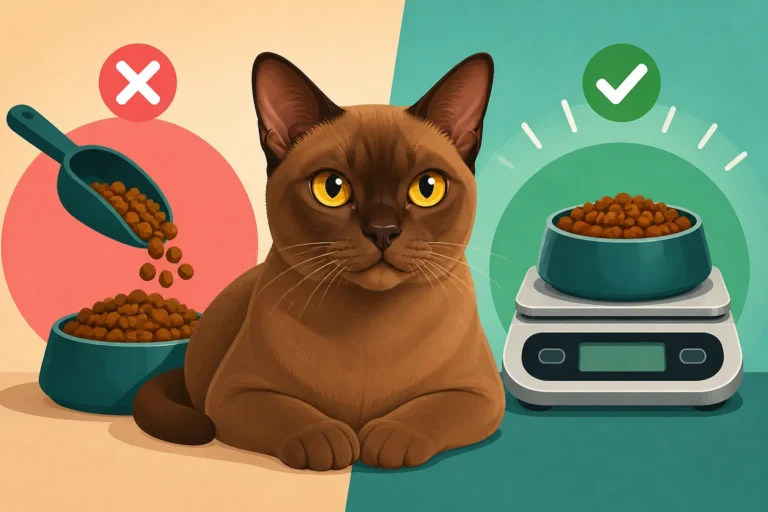
Eyeballing portions with a scoop is simply not accurate enough for a breed with such specific dietary needs. You need precision. Investing in a good quality digital kitchen scale is non-negotiable for a Burmese owner. Forget the plastic scoops that come with food bags; those can vary wildly. A simple digital scale allows you to measure your cat's food in grams, ensuring that every meal provides the exact caloric intake you've determined. Many affordable and reliable options are available on Amazon, making this an easy and impactful upgrade to your feeding routine.
Here’s a simple step-by-step:
- Determine Daily Caloric Needs: Consult your vet to establish your Burmese's ideal daily calorie intake based on their age, weight, and activity level.
- Measure Food: Place their feeding bowl on the digital scale and zero it out. Add the wet food until you reach the desired weight in grams for that specific meal.
- Divide Meals: For most adult Burmese, two meals a day are ideal. This allows their digestive system and pancreas to rest between feedings. For kittens, more frequent, smaller meals are appropriate.
- Consistency is Key: Feed at roughly the same times each day. This helps regulate their metabolism and sets a predictable routine, which is comforting for cats. This is particularly important if you need to administer medication later in life.
This consistent approach helps ensure your Burmese receives precisely what they need, no more, no less, helping to maintain a healthy weight and metabolic balance.
Calculating the Right Calorie Intake for Your Burmese
Determining the exact caloric needs for your Burmese isn't a one-size-fits-all equation. It requires considering several individual factors. A general guideline is often provided by veterinary professionals, but you must factor in your cat's specific circumstances:
- Age: Growing kittens need more calories relative to their size than adults, while very senior cats might need slightly fewer as their activity decreases, though maintaining muscle mass remains crucial.
- Activity Level: A Burmese that is a perpetual motion machine, constantly playing and exploring, will naturally burn more calories than a more sedate, couch-loving companion.
- Neuter Status: How Many Calories a Neutered Adult Burmese Burns are typically lower than an intact cat's, as neutering can slow metabolism. This is a common point where owners inadvertently allow weight gain.
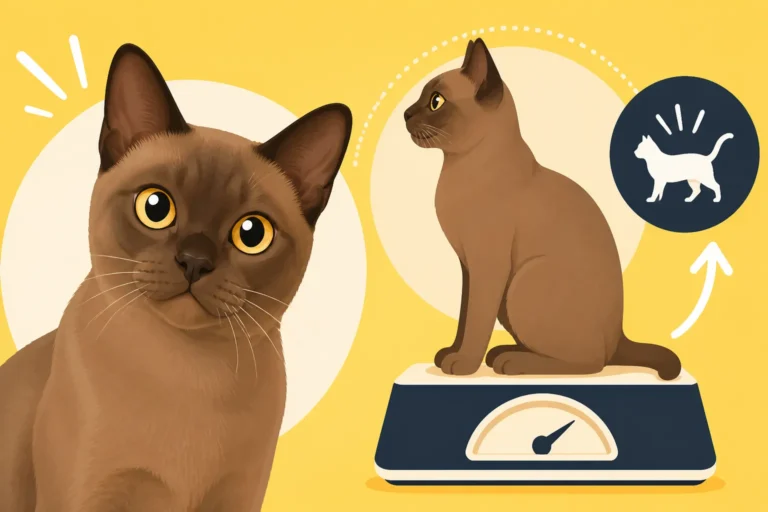
- Body Condition Score (BCS): This is where you become your cat's best advocate. Your veterinarian can teach you How to Score a Burmese's Body Condition. This involves feeling their ribs (easily palpable but not visible), observing their waistline, and assessing abdominal fat. A score of 5 out of 9 is generally considered ideal. If your cat is a 6 or higher, it's time to gently reduce calories. Conversely, if they're too thin, a slight increase might be needed. Regular weekly weigh-ins at home can also catch subtle changes before they become problematic.
Always consult your veterinarian to establish the initial caloric target and adjust it based on your Burmese's weight and body condition changes. This proactive approach ensures you're providing optimal nutrition throughout their life.
Navigating Nutritional Needs Through Burmese Life Stages
Just like humans, a Burmese cat's nutritional requirements evolve throughout their life. What's perfect for a rambunctious kitten won't be ideal for a dignified senior. Understanding these shifts and adapting their diet accordingly is a fundamental aspect of their lifelong care.
What a Growing Burmese Kitten Should Eat
Burmese kittens are bundles of energy, growing rapidly and developing strong muscles. Their diet needs to support this intensive growth phase. High-quality, digestible protein is paramount for proper muscle and organ development. While adult Burmese diets strictly focus on low carbs, kittens can tolerate a slightly higher, but still moderate, carbohydrate level due to their high energy demands. However, the emphasis should always be on quality protein and fat for energy, not fillers.
Just like adults, Why a Burmese Kitten's Portion Is Weighed Too. Kittens should be fed multiple small meals throughout the day – typically 3 to 4 – to support their metabolism and maintain steady energy levels. The transition from their mother's milk to solid food should be gradual, typically starting with gruel made from kitten wet food and slowly increasing the solid component. Ensure they always have access to fresh water. Early nutritional habits set the stage for adult health, so starting them on a high-protein, moderate-fat, low-carb wet food is the best foundation you can give them.
Tailoring Diet for Adult and Senior Burmese Cats
As your Burmese matures, typically reaching full size around one year, their caloric needs will stabilize and then slowly decrease with age. The focus for adult Burmese is maintaining their ideal body condition score and preventing the gradual weight creep that often precedes diabetes. This means consistent portion control and adhering to a high-protein, low-carbohydrate wet diet. Regular monitoring of their weight, ideally weekly, is crucial to catch any subtle changes.
When your Burmese enters their senior years, generally around 11-12 years old, their dietary needs may subtly shift again. While maintaining a low-carb diet remains vital, some seniors may experience a decrease in appetite or develop dental issues. For an older Burmese, Why an Old Burmese With Few Teeth Needs Wet Food becomes even more critical, as it's easier to chew and swallow. Monitoring their weight closely is paramount, as Why an Old Burmese Loses Its Muscle First can be a sign of underlying health issues or simply insufficient calorie intake. You want to ensure they continue to receive adequate protein to maintain muscle mass, which helps support their overall health and mobility. Caring for a Burmese Past Twelve often involves a delicate balance of maintaining their established healthy diet while being responsive to new age-related challenges like decreased mobility or potential kidney function changes. Your vet can guide you on adjusting protein levels if kidney issues arise, but for healthy seniors, keeping protein high is beneficial.
Dietary Management for the Diabetic Burmese
Discovering your beloved Burmese has diabetes is a devastating moment, but it's not a death sentence. With diligent care and, crucially, strict dietary management, many diabetic Burmese cats can live long, comfortable lives, and some can even achieve diabetic remission. This is where feeding truly becomes a medical intervention.
What a Diabetic Burmese Eats: The Low-Carb Imperative
For a Burmese diagnosed with diabetes, the dietary strategy becomes even more rigid: an extremely low-carbohydrate, high-protein wet food diet is absolutely essential. This is the primary lever we have to manage their blood glucose and reduce the need for insulin, or even eliminate it entirely. Many owners have found success with Which Diet Puts a Burmese Into Remission, typically involving veterinary therapeutic diets specifically formulated for diabetic cats or carefully selected commercial wet foods that meet strict carbohydrate guidelines (under 10%, ideally under 5-6% of metabolizable energy).
You'll need to scrutinize food labels even more meticulously. Avoid all dry kibble, as even "diabetic" prescription dry foods can be too high in carbohydrates for a Burmese. Focus on pure meat or fish patés, avoiding gravies or shreds that often contain thickeners like starches or carrageenan. Resources like those found on Chewy or Amazon allow you to filter by ingredient or even carbohydrate content if available, making it easier to find suitable options. This is not the time for compromises or "cheat" treats; every meal must contribute to stable blood sugar.
Timing Meals and Insulin Injections for Optimal Control
For a diabetic Burmese receiving insulin, the timing of meals relative to insulin injections is critically important. Insulin helps move glucose from the bloodstream into cells, so food must be available for this process to work effectively and safely. Typically, insulin is given immediately after or within a short window of your cat eating their meal. This allows the food to start being digested and absorbed, providing glucose for the insulin to act upon.
Consistency in feeding times is absolutely non-negotiable for a diabetic cat. Their body, and their insulin regimen, rely on a predictable schedule. Your vet will outline How to Feed a Burmese on Insulin Around Its Injections, but generally, you'll have two main meals, timed with their twice-daily insulin injections. If your cat doesn't eat, or eats significantly less, the insulin dose may need to be adjusted or withheld – always consult your vet for these critical decisions. Home glucose monitoring is also invaluable here; How a Burmese Is Monitored on Insulin at Home involves using a glucometer to check blood sugar levels at specific times, which helps you and your vet understand how well the insulin and diet are working together and if adjustments are needed. This level of precision is what makes feeding a diabetic Burmese a true medical art form.
Understanding Hydration and Its Role in Burmese Health
Water intake is often an overlooked aspect of feline health, but for a Burmese, it can be a vital indicator, especially concerning their predisposition to diabetes. Paying close attention to how much your Burmese drinks can provide early warnings and help support their overall well-being.
Why a Burmese's Water Intake Is a Critical Diabetes Warning Sign
One of the earliest and most common signs of diabetes in cats is increased thirst, medically known as polydipsia. If you notice your Burmese drinking significantly more water than usual, making more trips to the water bowl, or seeking out unusual water sources (like a dripping faucet), it should raise an immediate red flag. This isn't just a casual observation; it's Why a Burmese Drinking More Needs Testing That Week. The excess sugar in a diabetic cat's bloodstream draws more water from the body, leading to increased urination and, consequently, increased thirst.
Tracking your Burmese's water intake can be an incredibly useful tool. Keep their water bowls filled to a specific level, note how much they drink over 24 hours, and refill. Any sustained, noticeable increase should prompt a call to your veterinarian for a glucose check. Don't wait for other symptoms to appear; increased thirst is often the first clear signal that something is amiss metabolically. Catching diabetes early can significantly improve the prognosis and increase the chances of remission.
Encouraging Adequate Hydration in Your Burmese
Even for a healthy Burmese, ensuring they get enough water is important for kidney health and general well-being. Cats, by nature, don't have a strong thirst drive, evolved as they were to get most of their hydration from their prey. Here are a few ways to encourage your Burmese to drink more:
- Wet Food is Your Best Friend: This is perhaps the most effective way to increase a cat's water intake. High-quality wet food is naturally rich in moisture, providing significant hydration with every meal.
- Water Fountains: Many cats prefer moving water to still water. A circulating water fountain can entice them to drink more. Ensure it's clean and the filter is changed regularly.
- Multiple Water Stations: Place several water bowls around your home in quiet, accessible locations. Sometimes, a cat just doesn't want to walk to the kitchen.
- Bowl Material and Size: Some cats are particular about their bowls. Try ceramic, glass, or stainless steel bowls, and ensure they are wide enough not to touch their whiskers.
- Add Water to Wet Food: You can add a tablespoon or two of plain water or even low-sodium chicken broth (ensure no onion or garlic) to their wet food to boost moisture content.
- Measure and Monitor: While it's tricky, you can How to Measure a Burmese's Water Intake by noting how much water you put in their bowls each day and observing how much is consumed. This can help you understand their baseline and identify any sudden increases or decreases.
By proactively managing their diet and hydration, you're not just feeding a pet; you're actively safeguarding the health and happiness of your cherished Burmese companion.
Disclaimer
This article is for general informational purposes only and does not constitute professional advice. Laws, prices and regulations vary by location and change over time. Consult a qualified professional for guidance on your specific situation.