Why a Burmese Sits on Whatever You Are Reading
If you're a proud parent to a Burmese cat, chances are you've experienced the endearing, albeit sometimes inconvenient, phenomenon of them plonking themselves directly onto your book, tablet, or laptop screen the moment you try to read or work. It's not just a cute quirk; it's a deeply ingrained behavioral trait that speaks volumes about their personality and needs. This guide will explore the fascinating reasons behind this particular Burmese habit and offer practical tips for navigating it, helping both you and your feline companion coexist peacefully, even when there's a good story to be read or work to be done.
The Burmese: A Cat Obsessed with Your Attention
The Burmese cat is not just any feline companion; they are notorious for their profound need for human interaction. They often behave more like dogs in their devotion, and this intense bond is at the heart of why your reading material becomes their personal perch. They don't just want to be in the room with you; they want to be involved in whatever you're doing, especially if it takes your focus away from them.
The Velcro Cat Persona
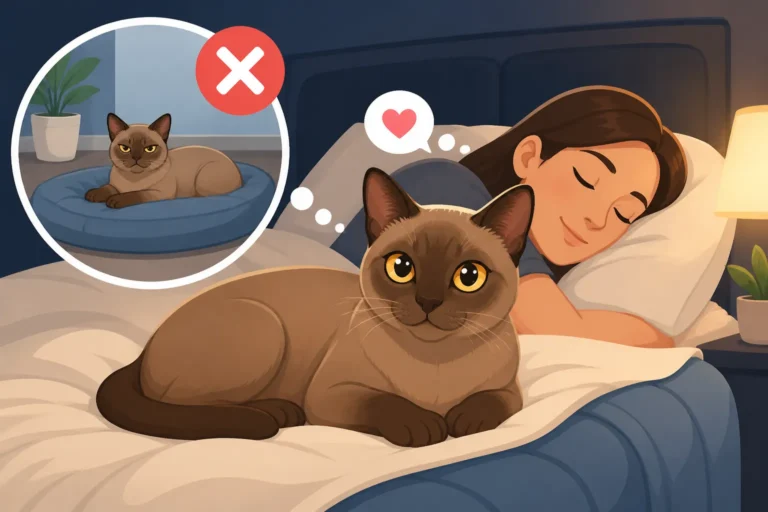
It’s no secret among Burmese enthusiasts that this breed earned the affectionate moniker of "Velcro cat." They stick to you, follow you from room to room, and generally want to be as physically close as possible. This isn't just about cuddles; it's about being an integral part of your life, a constant shadow. When you settle down with a book or your tablet, you're not just reading; you're engaging with something that isn't them. To a Burmese, this is an immediate call to action. They don't understand the concept of personal space in the human sense; their personal space is your space, and they intend to occupy it. They are genuinely the cat that will sit on your shoulder while you walk around, or drape themselves across your lap the moment you sit down. The Burmese Is the Velcro Cat of the Cat Fancy perfectly encapsulates this defining trait.
This deep-seated need for connection means that any activity you undertake that doesn't directly involve them is seen as an opportunity for intervention. They're not being naughty; they're simply responding to their natural instinct to be close to their favorite human. Imagine a small child tugging at your shirt for attention; that's essentially what your Burmese is doing, just in a much furrier, more determined way. Their world revolves around you, and they expect to be the central figure in yours.
Reading as a "Threat" to Engagement
From a Burmese perspective, your undivided attention on a book or screen is nothing short of a personal affront. It's a "rival" for your affection, a barrier to the constant flow of communication and petting they crave. They see you looking down, your eyes focused intently, and their internal alarm bells ring: "My human is ignoring me!" Their solution? To physically insert themselves between you and the offending object. This isn't malicious; it’s instinctual. They are trying to reclaim your focus, to re-establish themselves as the most important thing in your immediate vicinity.
Consider how a Burmese typically behaves when you're simply sitting and relaxing, not reading. They'll probably be on your lap, purring, or perhaps even trying to push their head into your hand for pets. The moment a book or a laptop appears, that direct connection is broken. The flat surface of the book or keyboard becomes the easiest, most direct route to get back into your line of sight and demand that precious eye contact. It's their way of saying, "Hello! I'm right here! Pay attention to me!"
Seeking Eye Contact and Interaction
Burmese cats thrive on interaction. They're not content to simply observe; they want to participate. When they plop onto your reading material, they're not just seeking physical proximity; they're actively trying to engage with you. They often look up at your face, purring loudly, perhaps even nudging your chin with their head. They want to be seen, acknowledged, and adored. This behavior is a direct plea for interaction, a way to break your concentration on anything other than them.
They'll often rub their cheeks against the book, your hands, or even the laptop screen, depositing their scent glands and further claiming the space as "theirs." This isn't just about being cuddly; it's a primal instinct to mark their territory and reinforce their bond with you. They know that once they've established this physical barrier, you're more likely to pause, stroke them, or even give up on your reading entirely in favor of a cuddle. This strong drive for interaction is also why Why a Burmese Cannot Be Left Alone All Day is such a crucial consideration for potential owners; they truly suffer without constant company.
Understanding the Physical Manifestation of Affection
Beyond the purely psychological need for attention, there are also some very physical reasons why your Burmese might choose your reading material as their preferred lounging spot. These factors often combine to make your book or tablet an irresistible magnet for your furry friend.
The Warmth Factor
Burmese cats, with their sleek, short coats and minimal undercoat, are particularly susceptible to feeling the cold. They love warmth, and they will seek out the warmest spots in your home. A book that's been held in your hands, a laptop radiating heat, or even a tablet warming up from use becomes a cozy, inviting bed for them. It's like a personal little hot pad, perfectly sized for their compact, muscular bodies. This search for warmth is a significant drive for many cats, but it's especially pronounced in breeds like the Burmese. Why a Short Coated Burmese Feels the Cold details this perfectly.
Think about where your Burmese often chooses to sleep when you're not around – often sunny spots, blankets, or even near a radiator. When you're actively using something that generates heat, even subtle warmth, it becomes an attractive proposition. The combination of your presence and the delightful warmth creates an irresistible siren call for your Burmese, making that book or laptop far more appealing than a cold floor or an unoccupied cat bed.
Scent Marking and Claiming You
Cats use scent to communicate and establish ownership. When your Burmese rubs its head, cheeks, or body against your book, laptop, or your hands, they are depositing their unique scent from glands located in those areas. This is a form of scent marking, a way for them to say, "This, and everything associated with it, is MINE." By putting their scent on your reading material, they are essentially claiming both the object and, more importantly, you as part of their territory.
This behavior is a powerful affirmation of their bond with you. It reassures them that you are their person and that their world is secure. It’s also a gentle, non-aggressive way to assert their presence. They're not just sitting there; they're leaving a tangible, olfactory signature that reinforces their place in your life. This deep need to claim their human is a huge reason Why a Burmese Owners Rarely Keep Just One – they tend to want all your attention, and sometimes another cat can help diffuse that intensity by giving them a fellow feline to bond with.
Tactile Connection and Comfort
There's something inherently comforting in the tactile experience of being close to you, and the reading material often facilitates this. The soft rustle of pages, the slight vibration of a keyboard, or the smooth surface of a tablet beneath their paws, combined with the reassuring presence of your hands and lap, creates a sensory experience that they find immensely soothing. They might even knead their paws on the surface, a sign of extreme contentment, similar to how a kitten nurses.
This tactile connection reinforces their sense of security and belonging. When they are nestled between you and your book, they are enveloped in your scent, your warmth, and your attention, even if it's divided. For a breed that thrives on constant companionship, this physical closeness, even if it's mediated by a book, is deeply reassuring. They seek out surfaces that offer a certain texture and firmness, and your current reading material, along with your lap, often fits the bill perfectly.
Strategies for Coexisting with Your Book-Loving Burmese
While their antics are adorable, sometimes you just need to get through a chapter or finish an email. The good news is that with a bit of understanding and some clever strategies, you can minimize the interruptions and still keep your Burmese feeling loved and connected.
Proactive Play and Cuddle Sessions
One of the most effective ways to manage your Burmese's need for attention is to preempt it. Before you even think about picking up that book or opening your laptop, dedicate some quality time to your cat. Engage them in an energetic play session with their favorite wand toy, feather teaser, or a crinkle ball. Aim for about 10-15 minutes of interactive play to burn off some energy and satisfy their craving for engagement. After playtime, follow up with a dedicated cuddle session on your lap, offering plenty of pets and purrs.
The idea here is to "fill their tank" of attention and affection before you dive into your own activities. A well-played and well-loved Burmese is much more likely to settle down for a nap or entertain themselves nearby than one who feels neglected. This strategy leverages their innate desire for interaction, ensuring they get their fill before you ask them to be independent. How Many Play Sessions a Burmese Asks For is an excellent resource for understanding their play drive.
Here's a simple table of proactive strategies:
| Strategy | Description | Benefit |
|---|---|---|
| Active Play | 10-15 minutes of engaging play (wand toys, chasing). | Burns energy, satisfies hunting instinct, reduces boredom. |
| Dedicated Cuddle Time | 5-10 minutes of petting, lap time, gentle grooming before you start your activity. | Fills their attention "tank," reinforces bond, promotes relaxation. |
| Interactive Toys | Provide puzzle feeders or toys they can bat around independently for short periods. | Offers mental stimulation when your hands are busy, keeps them occupied. |
| Verbal Affirmation | Talk to them gently, even if you can't pet them, to acknowledge their presence. | Reassures them you're aware of them, even if you're not directly interacting. |
Creating an Alternative "Warm Spot" Near You
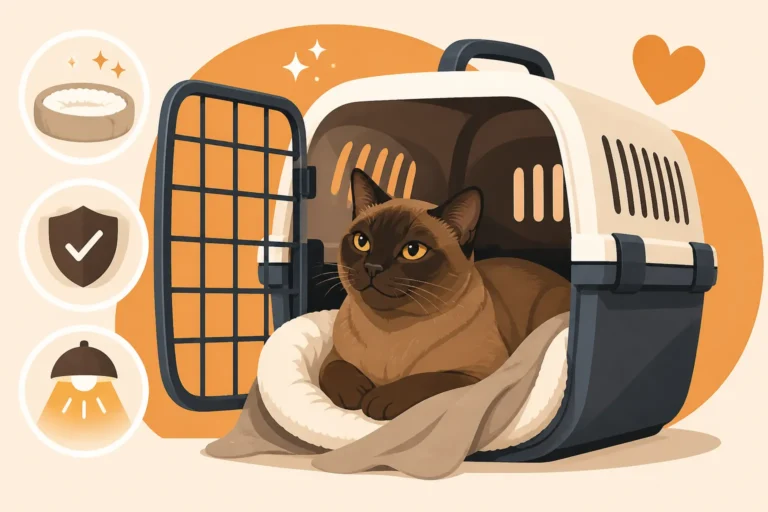
Since warmth is a significant draw, consider creating an equally (or even more) appealing warm spot right next to where you typically read or work. This could be a soft, plush cat bed placed on your desk, a cozy blanket draped over a nearby chair, or even a dedicated pet heating pad. Many Burmese absolutely adore a heated bed, which can be found easily on platforms like Amazon. The goal is to provide them with a comfortable, warm alternative that still allows them to be close to you without being on your reading material. Whether a Burmese Needs a Heated Bed provides more context on this.
Position this spot strategically so they can still see you and feel your presence. You might even encourage them to use it by placing a favorite toy or a treat there initially. The key is to offer a substitute that satisfies their need for proximity and warmth, redirecting their desire to be on your book to a more appropriate (for you) location. Consistency is crucial here; always guide them to their designated spot when they try to invade your reading space.
Gentle Redirection and Consistent Boundaries
When your Burmese does inevitably try to claim your reading space, gentle redirection is your best friend. Avoid yelling or harsh punishments, as this can damage your bond and confuse your cat. Instead, calmly and gently pick them up and move them to their designated alternative spot (like the warm bed you've prepared). Give them a soft stroke or a comforting word once they're settled in their new location.
The most important aspect of this strategy is consistency. Every single time they jump on your book, gently move them. It might take many repetitions, but over time, they will begin to associate your reading time with settling in their own nearby spot. While it might seem like a lot of effort, remember that Burmese cats are intelligent and thrive on routine. With patience, you can teach them where they should be during your reading time.
When the Behavior Signals Something More
While often just a charming (if demanding) display of affection, sometimes a Burmese's intense need for attention, especially during your reading time, can be a subtle signal of an underlying issue. It's important to differentiate between typical Burmese clinginess and behavior that might indicate boredom, anxiety, or even discomfort.
Boredom and Lack of Stimulation
A Burmese that constantly interrupts your reading might simply be bored. These cats are highly intelligent and incredibly playful, remaining kittenish well into old age. If they're not getting enough mental and physical stimulation throughout the day, they might resort to demanding your attention as their primary form of entertainment. They need enrichment, not just food and a warm place to sleep. A Burmese Is Still Playing at Fifteen illustrates their enduring playful nature.
Consider their daily routine: Are they spending long hours alone? Do they have enough toys that genuinely engage them, or are they bored with the same old things? A bored Burmese might become more insistent, more vocal, or even destructive in their attempts to get you to notice them. Providing regular play sessions, puzzle toys (you can find a great selection on Amazon), and even teaching them tricks can go a long way in keeping their active minds engaged and reducing their need to interrupt your quiet moments.
Underlying Anxiety or Insecurity
While Burmese are generally confident and outgoing, an excessive or sudden increase in clinginess, or a particularly frantic need for your attention, could indicate underlying anxiety or insecurity. These cats thrive on routine and companionship, and changes in their environment or a perceived lack of connection can be unsettling for them. What Separation Anxiety Looks Like in a Burmese delves into the more severe end of this spectrum, but even mild anxiety can manifest as heightened attention-seeking.
Factors like a new pet, a change in household schedule, or even a recent move can trigger insecurity. If your Burmese seems unusually agitated, overly vocal, or is exhibiting other signs of stress (such as changes in appetite or litter box habits), their incessant need to sit on your book might be a cry for reassurance rather than just a playful demand. In such cases, a consistent routine, extra comfort, and perhaps even a visit to the vet to rule out any medical issues are advisable. Sometimes, another Burmese companion, as suggested in Why Burmese Breeders Sell Them in Pairs, can provide the constant companionship they crave, alleviating anxiety.
A Change in Routine
Cats are creatures of habit, and the Burmese is no exception. Any significant change in your daily routine can throw them off balance and increase their need for reassurance from you. If you've recently started working from home, changed your work hours, or even altered your usual evening activities, your Burmese might be reacting to this shift by intensifying their attention-seeking behaviors. They might be trying to re-establish the connection that they feel has been disrupted.
For example, if you typically played with them every evening before dinner, and you've recently started reading a new book during that time instead, they might perceive this as a loss of their special bonding time. Communicating with your cat, maintaining as much of their routine as possible, and consciously integrating new routines that include them, can help them adjust. A clear pattern of "play time," "cuddle time," and "independent time" can help your Burmese understand what to expect and reduce their need to interrupt.
Disclaimer
This article is for general informational purposes only and does not constitute professional advice. Laws, prices and regulations vary by location and change over time. Consult a qualified professional for guidance on your specific situation.