Why a Burmese Will Not Sleep Anywhere but Your Bed
If you're a Burmese cat owner, chances are you've experienced the unique "problem" of your furry friend absolutely refusing to sleep anywhere but snuggled right up to you in your bed. It's an endearing, yet sometimes inconvenient, quirk of this incredibly affectionate breed, leaving many of us wondering if we'll ever reclaim our personal space again. This comprehensive guide will explore the deep-seated reasons behind your Burmese's intense desire to be your bedmate and offer insights into both embracing this behavior and, if absolutely necessary, gently guiding them towards an alternative sleeping arrangement.
The Burmese Need for Constant Connection
Burmese cats are renowned for their people-oriented personalities. They aren't just pets; they're family members who demand to be integrated into every aspect of your life, including your downtime. Their intense need for connection doesn't simply switch off when the lights go out. In fact, it often intensifies, making your bed the ultimate sanctuary of shared companionship.
They're Called "Velcro Cats" for a Reason
It's not an exaggeration when people call the Burmese a "Velcro cat." This breed forms incredibly strong bonds with their humans, often shadowing them from room to room, sitting on laps, and perching on shoulders. They thrive on physical contact and constant interaction, which is a big part of their charm. This innate desire to be perpetually close to their chosen people extends directly to their sleeping habits. For a Burmese, the day's end isn't a signal for solitary repose; it's an invitation for the ultimate cuddle session. They don't just want to be in the same room as you; they want to be on you, or at the very least, pressed firmly against you. This fundamental characteristic is key to understanding why they're so insistent on sharing your bed. They truly believe they are an integral part of your personal space, and they feel most secure and content when they are literally intertwined with your sleeping form.
Seeking Body Heat and Security
Beyond affection, there's a practical, instinctual reason your Burmese seeks out your bed: warmth. Unlike many cat breeds with thick, multi-layered coats, the Burmese possesses a remarkably short, fine, satin-like coat with very little undercoat. While this makes them incredibly soft to the touch and reduces shedding, it also means they can feel the cold more acutely. Your bed, especially with you in it, is a giant, plush heating pad. The duvet and blankets create a wonderfully insulated environment that perfectly suits their temperature preferences. It's not uncommon for a Burmese to burrow deep under the covers, transforming into a purring, warm lump beside you. Why a Short Coated Burmese Seeks Body Heat explains this in more detail, highlighting how their unique coat structure drives this behavior. Furthermore, sleeping close to their human offers an unparalleled sense of security. In the wild, animals sleep in close proximity to their family units for protection. Even though your Burmese is a pampered housecat, these primal instincts can still play a role. Being tucked in close to you, their provider and protector, offers a profound sense of safety and calm, making your bed the most desirable sleeping spot in the entire house. It’s where they feel most protected from any perceived threats, however imaginary they may be in a cozy home environment.
The Ultimate Sign of Affection and Trust
When your Burmese chooses to sleep in your bed, it's not just about comfort or warmth; it's a profound declaration of love and trust. These cats are known for their unwavering devotion, and sharing their most vulnerable state—sleep—with you is the highest compliment they can pay. They see you as their safest harbor, their most trusted companion. This deep connection is one of the most rewarding aspects of owning a Burmese. If you've ever had a Burmese curl up against your back, drape across your legs, or even tuck their head under your chin while you sleep, you know this feeling. It’s a silent, constant affirmation of their bond. They genuinely seek out the company of their chosen person, often bonding most strongly with the individual who provides the most attention and interaction throughout the day. Why a Burmese Attaches to Whoever Is Home Most delves into how this attachment develops and solidifies, making your bed the natural extension of their daytime devotion. This isn't just a cat finding a warm spot; it’s a living testament to the powerful, reciprocal affection that defines the Burmese breed.
Understanding Burmese Sleep Habits and Preferences
Burmese cats don't just tolerate sleeping in your bed; they actively prefer it. Their unique personality translates into distinct sleep patterns and expectations that set them apart from many other feline companions. Understanding these nuances can help you appreciate why your bed has become their prime real estate.
They Don't Just Sleep On the Bed, They Sleep In It
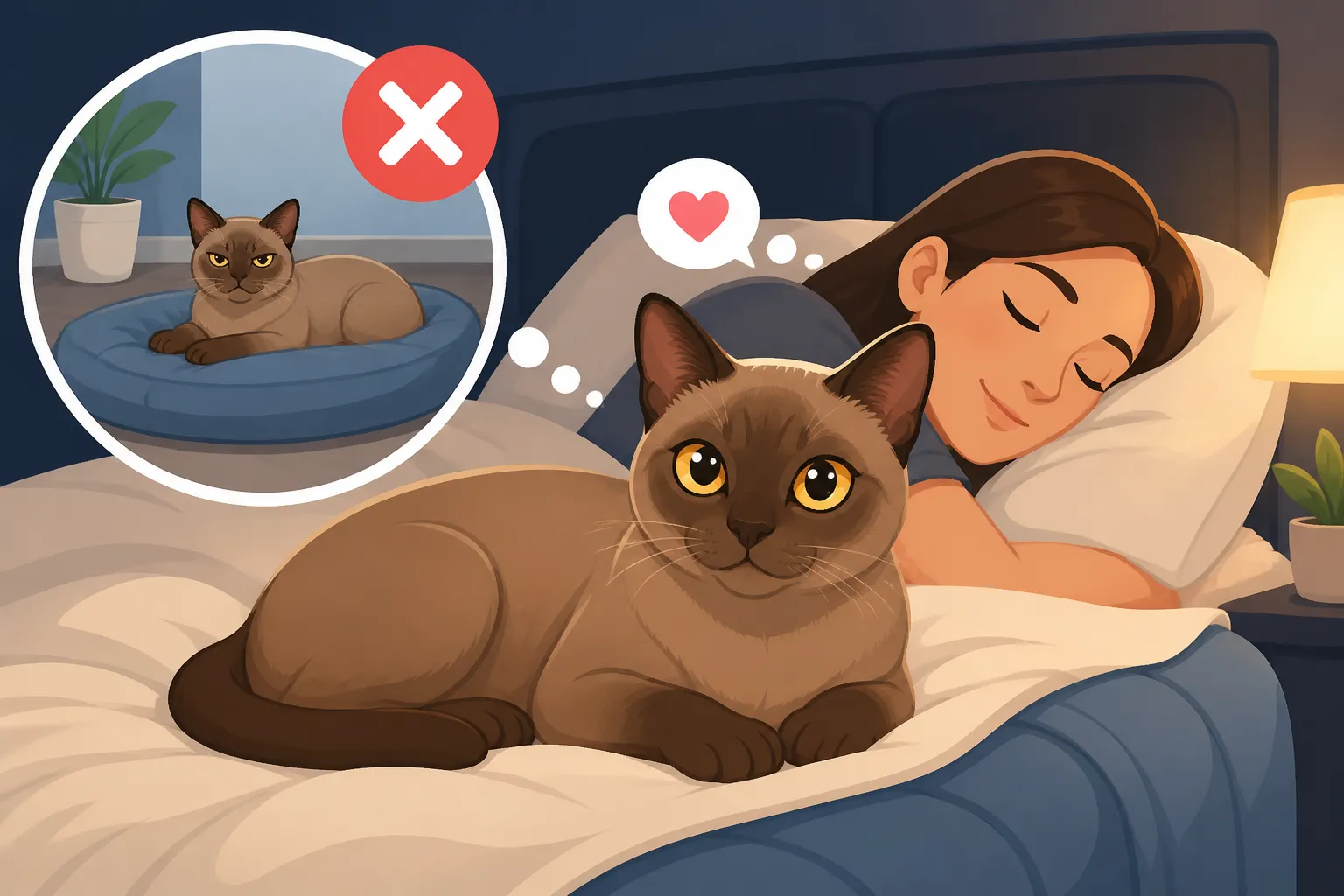
Many cat breeds might condescend to share your bed by finding a spot on top of the duvet or at the foot of the bed. Not the Burmese. They aren't content with just being on the bed; they want to be in it. This means burrowing under the covers, nestling between your legs, or pushing themselves right up against your side, often with their head tucked into your armpit or under your chin. They become an extra, purring limb, seamlessly integrating themselves into your personal sleeping space. This isn't a casual preference; it's a full-on commitment to shared slumber. They want to feel the warmth, the softness of the blankets, and most importantly, your direct body heat and presence. The sensation of being completely enveloped and secure is paramount to their comfort. This deep burrowing instinct is a hallmark of the breed, as described in Why a Burmese Gets Under the Duvet, where their need for warmth and security is satisfied by being fully submerged in the bedding with you.
The "Burmese Roar" Through the Night
While your Burmese may not be performing a full concert at 3 AM, their characteristic "rasp" or deep rumble is often part of their nighttime presence. Unlike the sometimes-piercing yowl of a Siamese, the Burmese voice is more throaty, a contented gurgle that can escalate into a demanding purr if they feel you're not paying enough attention, even in your sleep. This gentle, yet persistent, vocalization is part of their way of communicating their happiness and ensuring you know they're there. If you shift or move away, you might hear a low, questioning rumble, an invitation to return to the snuggle. What a Burmese's Rasping Voice Sounds Like details this unique vocal characteristic. Occasionally, if they feel disturbed or want to readjust, they might let out a louder, more insistent "mrrrow" to stake their claim or get you to move for optimal positioning. It's rarely aggressive; more often, it's a polite but firm request for attention or a better spot, making you wonder Whether a Burmese Under the Covers Wakes You more than you’d like to admit.
A Familiar Scent and Routine
Cats are creatures of habit, and the Burmese are no exception. Once they've established your bed as their preferred sleeping spot, it quickly becomes part of their nightly routine. The familiar scent of your bedding, combined with your own unique scent, creates a powerful olfactory comfort zone. For a Burmese, consistency is key to feeling secure and happy. Every night, they anticipate this shared ritual, and deviating from it can cause confusion or distress. This routine isn't just about sleep; it's about reinforcing their bond with you. From the moment you start winding down for the evening, your Burmese is likely already anticipating their spot. They might jump on the bed as soon as you do, or even precede you, staking their claim and waiting patiently for you to join them. This established habit becomes deeply ingrained, making any attempt to change it a significant undertaking. The comfort they derive from this predictable pattern of co-sleeping is immense, contributing greatly to their overall sense of well-being.
Managing (or Embracing) the Bed-Sharing
So, what do you do if your Burmese has claimed your bed as their own? For many, it's a delightful aspect of Burmese ownership, a testament to their loving nature. But for others, the lack of personal space or interrupted sleep can become a genuine concern. Luckily, you have options: embrace the cuddle, or strategically try to redirect them.
Creating Appealing Alternatives (If You Dare!)
If you're determined to reclaim your bed, simply removing your Burmese won't work long-term. You need to offer an alternative that is equally, if not more, appealing than sleeping with you. The key is to replicate the warmth, softness, and security your bed provides. Consider a high-quality, plush cat bed placed right next to your side of the bed, not across the room. Heated cat beds can be incredibly effective, providing the constant warmth that a short-coated Burmese craves. Look for beds with soft, luxurious materials that mimic the feel of your blankets. Many excellent options are available on platforms like Amazon, from self-warming pads to fully enclosed cat caves that offer a sense of security. The goal is to make their new bed so irresistible that it becomes a genuine contender for their affection. Where a Burmese Sleeps to Stay Warm and Why a Burmese Seeks Out the Warmest Spot offer further insights into their preference for cozy, warm sleeping areas, which you can leverage in choosing an alternative. You might even place a worn t-shirt of yours in the new bed to transfer your scent and make it more inviting.
The Gradual Transition Approach
Trying to ban your Burmese from your bed overnight is almost certainly a recipe for failure and a lot of sad meows (or rasps). If you choose to transition them, it needs to be a slow, patient process. Start by placing their new, incredibly appealing bed on your bed, right next to where they usually sleep. Once they consistently use it there, gradually move it to the floor right beside your bed. Over days or weeks, you can slowly increase the distance, always using positive reinforcement. Treats, gentle praise, and extra playtime during the day can help them associate their new sleeping spot with positive experiences. Consistency is paramount. Every time they try to jump back into your bed, gently but firmly redirect them to their new spot. It will take time and dedication, as you're trying to shift a deeply ingrained habit and a core aspect of their bonding with you. Remember, a Burmese values routine and companionship, so any change needs to be introduced with empathy and understanding.
Embracing the Burmese Cuddle Bug
For many Burmese owners, the "problem" of a bed-sharing cat isn't a problem at all; it's one of the greatest joys of the breed. Embracing your Burmese's desire to sleep with you can lead to a deeper bond and provide mutual comfort. There's something incredibly soothing about falling asleep to the gentle purr of a contented cat nestled beside you. It's a unique companionship, a furry hot water bottle, and a constant reminder of the unconditional love they offer. Many owners find that having their Burmese close reduces their own anxiety and provides a sense of security. How Long a Burmese Will Stay on a Lap during the day hints at their deep need for physical closeness, which naturally extends to nighttime. This breed thrives on attention and physical contact, and co-sleeping perfectly fulfills that need. If your lifestyle allows for it and you don't have severe allergies or other health concerns, simply allowing your Burmese to share your bed is often the easiest and most fulfilling solution. It’s a wonderful way to foster their happy, confident nature and ensure they feel cherished and integrated into your life. Furthermore, for a cat that struggles when left alone, such as one with What Separation Anxiety Looks Like in a Burmese, having that constant presence at night can be incredibly settling.
Practical Considerations for Co-Sleeping
While the thought of snuggling up with your Burmese sounds idyllic, there are a few practical aspects to consider to ensure both your comfort and their well-being. Addressing these concerns proactively can make the shared sleeping arrangement a harmonious experience for everyone.
Hygiene and Health Factors
Sharing your bed with a cat, even one as meticulously clean as a Burmese, introduces a few hygiene considerations. Your cat walks in their litter box, and while they groom themselves constantly, microscopic particles can still be transferred. Regular litter box cleaning is paramount, and using a high-quality, dust-free litter can help. Additionally, even though Burmese cats shed minimally compared to other breeds, their fine hairs can still accumulate on bedding. How Little a Satin Coated Burmese Sheds gives an idea of what to expect, but frequent washing of bedding becomes a necessity. Consider washable duvet covers and pillowcases that are easy to launder. Regular grooming, even just a weekly wipe down with a chamois or a damp cloth, can help keep their coat clean and reduce any loose hairs. How Often a Burmese's Satin Coat Needs Anything Done suggests minimal fuss for their coat, but for co-sleeping, a little extra attention can go a long way. Keeping up with your Burmese's flea and worming treatments is also vital to prevent any unwanted guests in your bed. A healthy cat means a healthier sleep environment for both of you.
Safety Considerations
For the most part, co-sleeping with an adult Burmese is safe. They are typically gentle cats and instinctively know not to scratch or bite their sleeping human. However, there are a few scenarios where caution is advised. If you have very young kittens, especially those under a few months old, sleeping with them directly under heavy covers could pose a suffocation risk due to their small size and inability to easily extricate themselves. Similarly, if you're a very restless sleeper, you might accidentally injure a small cat by rolling over onto them. For adult Burmese, the primary concern is usually just them taking up too much space! Always ensure your cat has a clear path to get out from under the covers if they need to, and avoid blankets that are overly restrictive. While rare, some people are very sensitive to pet dander, and constant close contact could exacerbate allergies. If you notice persistent respiratory issues or skin irritation, it might be worth consulting with a doctor and re-evaluating the sleeping arrangement.
Maintaining Boundaries (If Desired)
Even if you embrace co-sleeping, you can still establish some gentle boundaries if you wish. Perhaps you're fine with them on the bed, but not directly on your pillow, or you prefer them to sleep at the foot of the bed rather than completely under the covers. The key to successful boundary setting with a Burmese is consistency and positive reinforcement. If you don't want them on your pillow, gently move them to their designated spot every time they try. Reward them with praise or a tiny treat when they settle in the "right" place. Avoid scolding or harsh punishments, as this can damage your bond. A simple "no" and a gentle redirection are usually enough. You might find that over time, they learn your preferences. For example, some owners teach their Burmese to only sleep on the duvet rather than under it. This allows for closeness without the full burrowing experience. Consider a soft, thin blanket specifically for them on your bed, which creates their own mini-zone and can be easily washed. Ultimately, the level of intimacy in your shared sleeping arrangement is up to you, and your intelligent Burmese can learn to adapt with patient guidance.
Co-Sleeping with Your Burmese: Pros and Cons
Deciding whether to allow your Burmese into your bed is a personal choice with various factors to weigh. Here's a brief overview of the potential upsides and downsides to help you make an informed decision.
| Aspect | Pros of Co-Sleeping | Cons of Co-Sleeping |
|---|---|---|
| Bonding | Deepens the human-animal bond, fosters trust and affection. | Can create excessive dependence if not managed well. |
| Comfort | Provides warmth, comfort, and a sense of security for both cat and human. | Potential for restless sleep if the cat moves a lot or needs attention. |
| Warmth | Excellent source of natural warmth, especially for short-coated Burmese. | Can lead to overheating for some people, especially in warmer climates. |
| Hygiene | Aids in monitoring cat's health (noticing changes in breathing, etc.). | Requires more frequent washing of bedding; potential for dander/allergens. |
| Space | Fulfills the Burmese's intense need for closeness. | Can significantly reduce personal sleeping space for the human. |
| Behavior | Can reduce separation anxiety or destructive behavior in lonely cats. | May reinforce demanding behaviors (e.g., waking you for attention). |
This article is for general informational purposes only and does not constitute professional advice. Laws, prices and regulations vary by location and change over time. Consult a qualified professional for guidance on your specific situation.