What a Burmese Kitten Has Already Learned by Twelve Weeks
Bringing home a Burmese kitten is an absolutely joyous, albeit sometimes overwhelming, experience. These tiny bundles of satin-coated energy quickly steal your heart, but it's natural to wonder just how much they've already absorbed and understood in their short lives before they even step paw into your home. This comprehensive guide will illuminate the remarkable developmental milestones a Burmese kitten achieves by twelve weeks of age, offering insight into their ingrained behaviors and what you can expect as you embark on this incredible journey together.
The Foundational Lessons: Early Socialization and Handling
By the time a Burmese kitten reaches twelve weeks, they've already had a profound education in what it means to be a cat, and perhaps more importantly, what it means to be a Burmese interacting with humans. This early period is absolutely critical, shaping their personality and their ability to thrive in a human household. A good breeder understands this implicitly, and dedicates countless hours to ensuring these foundations are solid.
Learning the Language of Touch and Affection
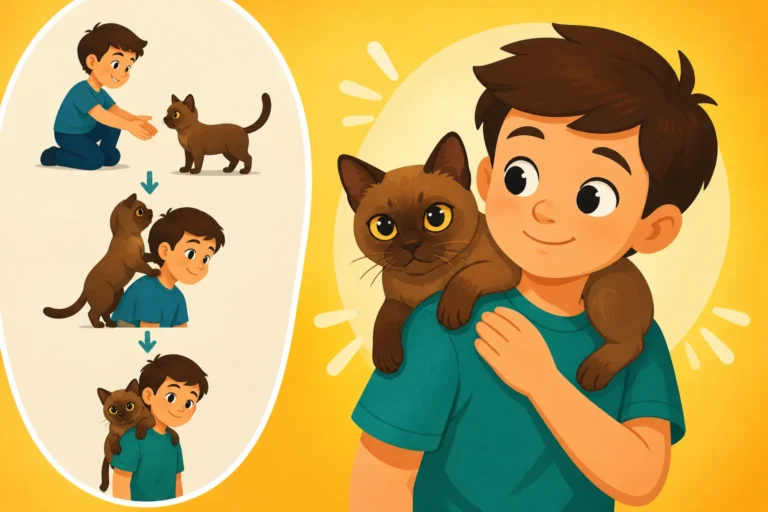
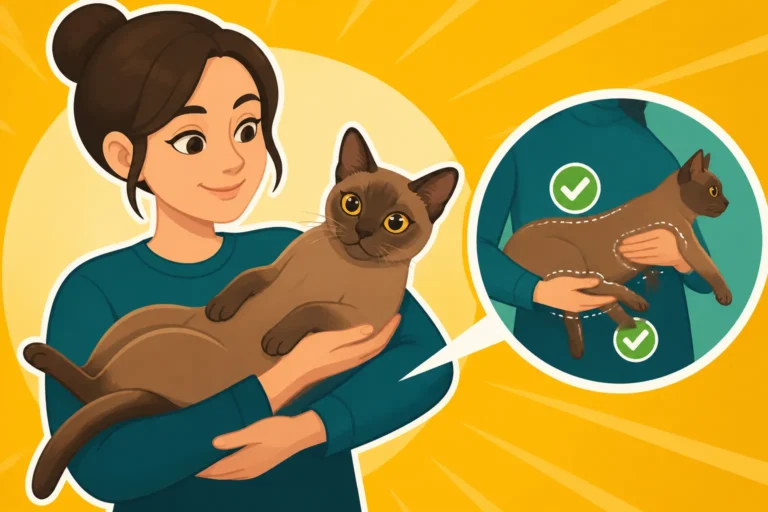
One of the most striking characteristics of the Burmese breed is their insatiable need for human connection and physical touch. This isn't something they suddenly develop when they arrive at your home; it's deeply ingrained by twelve weeks. From birth, these kittens are handled extensively by their mother, who bathes them, nudges them, and keeps them close. Crucially, they also experience consistent, gentle handling from their breeder and often from various family members in the home. This early, positive exposure teaches them that human hands are sources of comfort, warmth, sustenance, and delightful play. They learn to associate touch with positive experiences, which is why a Burmese will often melt into your arms or actively seek out a head scratch.
This early conditioning is what makes Burmese cats so exceptionally tolerant and even enthusiastic about being picked up, cuddled, and generally fussed over. Many new Burmese owners are taken aback by the sheer intensity of their kitten's desire for physical contact – it's far beyond what many other cat breeds exhibit. This foundational acceptance of handling is an enormous benefit for their entire life, making routine care such as nail trims, ear cleaning, and even vet examinations significantly less stressful for both cat and owner. Imagine trying to give medication to a cat that despises being touched; it's a battle. With a well-socialized Burmese, you're starting from a place of trust and comfort. It's a testament to these early weeks that many Burmese just purr through procedures that would send other felines into a frenzy. Indeed, Why a Burmese Enjoys Being Handled From the Start is a concept deeply rooted in these first few months.
Mastering the Art of Play with Siblings
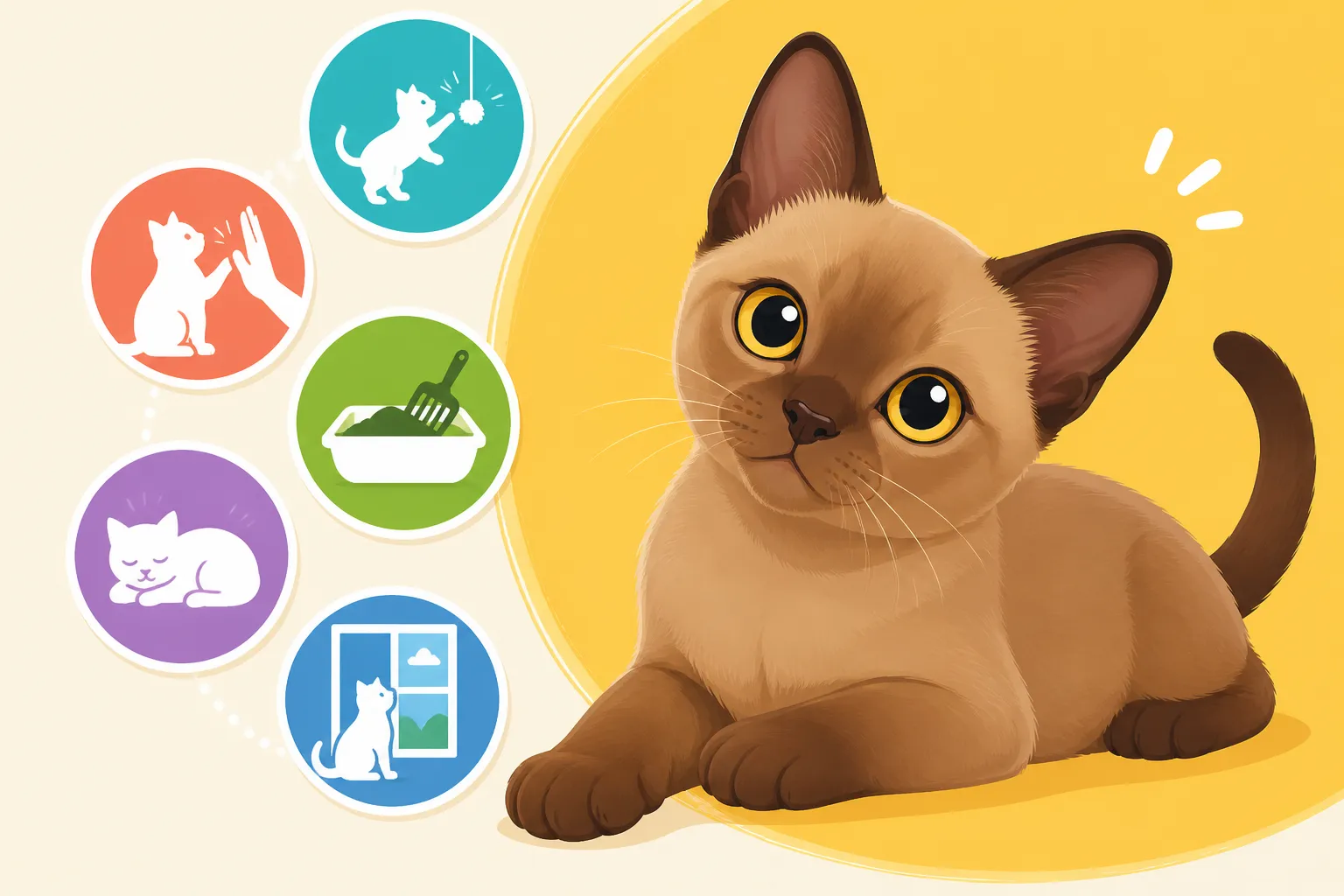
While human interaction is vital, the lessons learned from littermates are equally indispensable. By twelve weeks, Burmese kittens have spent countless hours engaging in rough-and-tumble play with their brothers and sisters. This isn't just cute frolicking; it's a vital part of their social development. Through wrestling, chasing, pouncing, and mock fighting, they learn crucial skills like bite inhibition. A kitten that bites too hard receives a yelp or a retaliatory swat from a sibling, quickly teaching them what's acceptable and what's not. This is why reputable breeders never let kittens leave before 12-14 weeks; separating them earlier deprives them of these essential "manners" lessons.
Beyond bite inhibition, sibling play teaches them feline body language – recognizing cues like an arched back, a twitching tail, or flattened ears. They learn to communicate their intentions and understand the boundaries of play. They develop their coordination, hunting instincts, and problem-solving skills as they stalk and ambush each other. Observing a litter of Burmese kittens at play is like watching a tiny, dynamic ballet of natural instincts and learned behaviors. It's during these weeks that they truly understand how to be a cat within a social group, laying the groundwork for how they'll interact with any other pets you might have, or even how they'll communicate their playful intentions to you. If you've ever wondered How Hard a Burmese Kitten Plays at Four Months, much of that energy and skill is refined in these early weeks with their littermates.
Essential Life Skills: Litter Training, Eating, and Grooming Habits
Beyond social graces, Burmese kittens become proficient in several key life skills during their first twelve weeks. These practical lessons ensure they are ready to seamlessly integrate into their new home and continue on a path of healthy development.
Potty Training Perfection: Understanding the Litter Box
By twelve weeks, it's a given that a Burmese kitten from a good breeder will be impeccably litter trained. This isn't magic; it's a combination of instinct and diligent reinforcement. Kittens naturally learn from their mother, who demonstrates proper litter box usage. Breeders then provide easily accessible litter boxes, kept meticulously clean, solidifying this learned behavior. The instinct to bury their waste is strong in felines, and by regularly placing kittens in the box after waking or eating, breeders guide them to associate the box with elimination.
When your twelve-week-old Burmese kitten arrives, they should instinctively know what the litter box is for. Your role is simply to provide a clean, accessible litter box (or two!) in a quiet location. Consistency is key here. While they are usually reliable, changes in environment, litter type, or even the style of the box can sometimes cause temporary confusion or accidents. It's always a good idea to use the same type of litter the breeder used, at least initially, to minimize stress and reinforce good habits. This early mastery of bathroom etiquette is a huge relief for new owners and speaks volumes about the care they've received.
Developing Healthy Eating Habits
The journey from mother's milk to solid food is largely complete by twelve weeks. Burmese kittens at this age have usually been fully weaned and are thriving on a diet of kitten-appropriate wet food, and possibly some dry kibble. A responsible breeder would have introduced a high-quality, species-appropriate diet, focusing on foods low in carbohydrates, given the Burmese breed's predisposition to diabetes later in life. This early exposure to a consistent, healthy diet is incredibly important.
By the time they come home, these kittens are accustomed to a feeding schedule, likely eating small, frequent meals throughout the day. They have learned to eat from a bowl and to manage their portion size – though with a Burmese, the latter often means eating as much as they can get! This is where you, the new owner, pick up the torch. It's vital to continue with weighed portions rather than free-feeding, even for a kitten. This establishes a routine that is paramount for their health. Understanding Why a Burmese Kitten's Portion Is Weighed Too is crucial, as is maintaining a low-carbohydrate diet from day one. Many reputable brands offer excellent wet food options suitable for growing kittens.
Early Grooming Acceptance
While the Burmese's sleek, satin coat is famously low maintenance, proper breeders introduce kittens to gentle grooming practices from an early age. By twelve weeks, a kitten should be comfortable with having its paws handled for nail trims, its ears gently examined, and its body stroked with a soft cloth or a grooming glove. This isn't about extensive grooming; it's about building acceptance.
This early desensitization is invaluable for future care. Imagine trying to trim the nails of an adult cat who has never had its paws touched. It’s a battle, often requiring professional help or even sedation. A Burmese kitten who has been regularly handled for these purposes will view it as another form of attention, often purring through the process. Even something as seemingly minor as Getting a Toothbrush Into a Burmese Kitten's Routine becomes easier when they've been accustomed to having their mouth and face gently touched from kittenhood. This proactive approach to care in the first twelve weeks sets your Burmese up for a lifetime of stress-free veterinary visits and home maintenance.
Cognitive & Behavioral Milestones: Curiosity and Confidence
Beyond the basics, Burmese kittens have already developed significant cognitive and behavioral traits by twelve weeks that are characteristic of the breed – traits that will define their personality and interactions with their new family.
Navigating Their World: Exploring with Confidence
Burmese kittens are naturally curious and possess a remarkable level of confidence. Unlike some more timid breeds who might hide or be wary of new situations, a twelve-week-old Burmese kitten, thanks to its robust early socialization, is typically an eager explorer. They've spent weeks investigating their immediate surroundings at the breeder's home, learning that new things can be exciting, not frightening. This means they are often the first to greet a stranger, to investigate a new toy, or to venture into an unfamiliar room.
Their confidence is further bolstered by their strong bond with humans; they learn that they are safe and loved, empowering them to approach the world with an open, inquisitive mind. This lack of fear makes them wonderful companions in busy households and adapts them quickly to new environments. You'll find them boldly exploring every nook and cranny of your home, testing boundaries, and always returning for a reassuring cuddle. This innate confidence is why Why a Burmese Kitten Insists on Being Handled from a young age is so true; they actively seek out interaction rather than shrinking from it.
Voice and Communication: The Signature Burmese Rumble
While all kittens meow, the Burmese breed develops a distinctive vocalization early on that sets them apart: their famous "rasp" or "rumble." By twelve weeks, your Burmese kitten will likely have moved beyond simple kitten chirps and meows to begin developing this unique, throaty sound. It's not the piercing yowl of a Siamese, but a deep, resonant purr-like rumble that they use to communicate a wide range of emotions and needs.
This rumble can signify contentment, a demand for attention, an invitation to play, or even a subtle complaint. They are incredibly vocal cats, and these early weeks are when they start to master their unique vocabulary. Learning to interpret these sounds becomes an important part of understanding your Burmese. When they greet you with that characteristic rumble, it's a clear signal of their affection and happiness. For a more detailed understanding of their voice, refer to What a Burmese's Rasping Voice Sounds Like.
Forming Attachments and Seeking Company
The cornerstone of the Burmese personality is their profound need for companionship, and this is firmly established by twelve weeks. Having spent their entire lives surrounded by their mother, siblings, and human caregivers, these kittens understand and expect constant company. They've learned to seek out warmth, comfort, and interaction from others. This is the developmental period that solidifies their reputation as "velcro cats."
This intense need for company is precisely why many reputable Burmese breeders strongly recommend, and often insist, on selling kittens in pairs, or to homes where there is already another cat-friendly pet or a human who is consistently present. A single Burmese kitten left alone for extended periods is prone to developing separation anxiety and destructive behaviors. They thrive on interaction and can become quite distressed in solitude. Why Burmese Breeders Sell Them in Pairs is not just a marketing tactic; it's born from a deep understanding of the breed's social needs and what a kitten has learned by this crucial age. Their ability to form deep attachments so quickly means that How Fast a Burmese Attaches to a New Household is quite remarkable, often bonding intensely within days.
What Comes Next: Building on Early Learning
Bringing home a twelve-week-old Burmese kitten means you're not starting from scratch; you're inheriting a beautifully prepared little feline, ready to continue learning and growing. Your role now is to build upon these incredible foundations.
Continued Socialization in Their New Home
While your Burmese kitten has received excellent early socialization, the process isn't over. The transition to a new home, with its unique sights, sounds, and smells, is a significant event. Continue to provide gentle, consistent positive experiences. Introduce them slowly to new family members, including respectful children and other well-behaved pets. Supervised playtime with new toys (perhaps some exciting finds from Amazon!) will help them associate their new environment with joy and discovery. The goal is to reinforce their inherent confidence and curiosity, ensuring they continue to grow into a well-adjusted, friendly adult cat. Regularly handling them for cuddles and short grooming sessions will also keep them accustomed to human touch.
Reinforcing Good Habits and Setting Boundaries
Your kitten has learned the ropes of litter training and basic feeding habits, but consistency from you is paramount to prevent regressions. Stick to a predictable feeding schedule and maintain a clean litter box. While their play with siblings taught them bite inhibition, they'll still be prone to playful nipping at your hands as they explore their world. Redirect this behavior with appropriate toys, teaching them that hands are for petting, not for biting. Remember, positive reinforcement works wonders with Burmese cats, who are highly intelligent and eager to please their human companions. Gentle correction and consistent boundaries will help them understand what's expected of them in their new home. You may even find yourself needing to teach them not to mouth in play (Stopping a Burmese Kitten Mouthing in Play) if they get a little overzealous.
Preparing for a Lifetime of Companionship
The early lessons learned by twelve weeks about affection, play, and the need for company are the blueprint for a lifelong bond with your Burmese. These cats thrive on interaction and will continue to demand it throughout their lives. Invest in interactive toys, dedicate time each day for play sessions, and make them an integral part of your daily routine. Their social intelligence means they'll pick up on household rhythms quickly.
| Milestone Achieved by 12 Weeks | Description | Importance |
|---|---|---|
| Acceptance of Human Touch | Comfortable with extensive handling, petting, and being picked up. | Facilitates bonding, vet visits, and daily care without stress. |
| Bite & Claw Inhibition | Learned appropriate play boundaries from littermates, usually gentle with humans. | Prevents painful nips and scratches during play, fosters safe interaction. |
| Litter Trained | Consistently uses the litter box, understanding where to eliminate. | Eases transition into a new home, avoids accidents and promotes hygiene. |
| Weaned & Eating Solids | Fully transitioned from mother's milk to appropriate kitten food. | Ensures proper nutrition and growth, establishes healthy eating routines. |
| Environmental Confidence | Eager to explore new surroundings, less prone to fear or shyness. | Helps quick adaptation to a new home, promotes a well-adjusted temperament. |
| Basic Vocalization | Developed the characteristic Burmese "rasp" or "rumble" for communication. | Allows for clear communication of needs and emotions to owners. |
| Need for Companionship | Strong desire for company, actively seeks interaction with other cats/humans. | Foundation for their "velcro cat" personality; crucial for emotional well-being. |
The remarkable development a Burmese kitten undergoes in its first twelve weeks sets the stage for the unique and delightful companion they will become. By understanding these foundational learnings, you can better appreciate the depth of their personality and provide the consistent care and affection they so deeply crave. This truly is a special breed, and those early weeks are when their exceptional nature truly blossoms. To ensure a long and healthy life, your kitten will also soon need its first full health examination; What a Burmese Kitten's First Exam Should Cover is a vital consideration.
Disclaimer
This article is for general informational purposes only and does not constitute professional advice. Laws, prices and regulations vary by location and change over time. Consult a qualified professional for guidance on your specific situation.