Why a Burmese Kitten’s Portion Is Weighed Too
It’s easy to think that when you have a bouncy, energetic Burmese kitten, you can just let them eat their fill. After all, they’re growing, they’re playing constantly, and they seem to burn through calories like nobody’s business. But here’s the tough truth: assuming a kitten can "free-feed" or that eyeball estimates for their meals are good enough can set them up for a lifetime of health struggles. This guide will walk you through precisely why every single meal your Burmese kitten eats needs to be accurately weighed, laying the groundwork for a long, healthy life.
The Foundation of Lifelong Health Starts in Kittenhood
Bringing a Burmese kitten home is an absolute joy! They’re bundles of purring energy, little explorers, and the most affectionate creatures you’ll ever meet. It's tempting to spoil them with endless food, especially when they beg so sweetly. However, what you establish in these crucial early months will profoundly impact their health for years to come. Thinking of their diet as a precise science from day one isn’t over-the-top; it’s essential for a Burmese.
Why Early Habits Dictate Future Wellness
Burmese kittens grow at an astonishing rate. In just a few months, they transform from tiny, wobbly furballs into sleek, muscular adolescents. This rapid development requires a very specific balance of nutrients and calories. Overfeeding during this period isn't just about putting on a little "kitten fluff"; it can actively interfere with their skeletal development, place undue stress on their still-forming joints, and even prime their metabolic system for issues later in life. Imagine a small bridge being built: if you consistently add too much weight before the foundations are truly solid, you're looking at structural problems down the line.
The Burmese breed, as wonderful as they are, carries a genetic predisposition to certain health conditions, most notably diabetes. Why a Burmese Is Four Times More Likely to Become Diabetic This isn't something that suddenly appears in middle age; the seeds are often sown much earlier. Consistent overfeeding, even in small amounts, during kittenhood can encourage fat cell development and insulin resistance, making them far more susceptible to developing full-blown diabetes as adults. Establishing careful portion control from day one helps regulate their metabolism, teaching their bodies to utilize nutrients efficiently without being constantly overloaded. A kitten fed an unrestricted, ad-libitum diet often has a softer, rounder body condition compared to a kitten whose meals are carefully weighed and offered at set times. The latter tends to be leaner, more athletic, and better equipped metabolically.
Understanding the Burmese Kitten's Unique Nutritional Needs
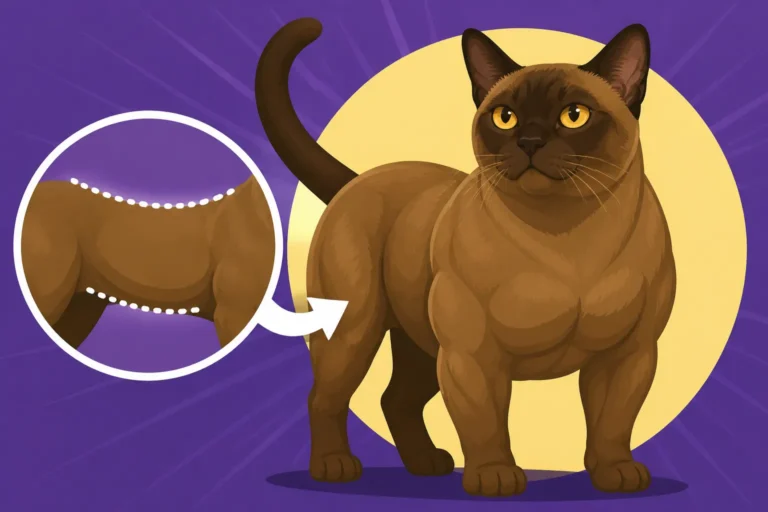
Burmese kittens are renowned for their playful, almost boundless energy. They leap, chase, climb, and cuddle with an intensity that can sometimes make you wonder if they ever truly rest. This high activity level translates into a significant caloric demand, but it's crucial not to misinterpret "high energy" for "unlimited food." Their growth also requires a diet rich in high-quality protein to support the development of their dense muscle mass – a hallmark of the breed's "brick wrapped in silk" physique. Why a Burmese Is Called a Brick Wrapped in Silk Healthy fats are also vital for neurological development, a glossy coat, and overall vitality.
Many owners, charmed by their kitten’s antics and seemingly insatiable appetite, believe they can't possibly feed them too much. However, a kitten's stomach is small, and their digestive system is still maturing. While they need frequent, smaller meals, the size of those meals must be carefully controlled. A Burmese's naturally muscular build can also sometimes mask early weight gain. What might look like a healthy, sturdy kitten could, in fact, be carrying excess fat that you simply can't feel due to their dense musculature. This is why understanding their true nutritional requirements, rather than simply responding to their begging, is key.
The Precision of Weighing: Why "Scoops" Just Don't Cut It
When it comes to feeding, many cat owners rely on measuring cups or even just approximations based on how full a bowl looks. While this might seem convenient, especially for a ravenous kitten, it's a practice fraught with inconsistencies that can have serious implications for your Burmese's health. The difference between a healthy weight and a gradual slide into obesity often comes down to this lack of precision.
The Inaccuracy of Volume Measuring
Think about baking: you wouldn't use a random cup from your cupboard to measure flour, would you? You'd use a precise measuring cup, perhaps even a scale, because accuracy matters for the outcome. The same principle applies, even more critically, to your Burmese kitten's food. Dry kibble varies wildly in density, shape, and size depending on the brand and specific formula. A standard measuring cup, even if it's designed for pet food, can hold a vastly different amount of calories depending on how packed the kibble is, or even the subtle differences in kibble size. A "half-cup" can easily become a "three-quarters of a cup" if you're not meticulous, leading to significant calorie creep over days and weeks.
Consider a real-life scenario: One family member might lightly scoop a portion, while another, perhaps in a rush, presses down to get a seemingly fuller scoop. This variation, often amounting to just a few grams per meal, can add up to hundreds of extra calories over a week. For a tiny, growing kitten, these small excesses compound quickly. Even with wet food, while it's generally more consistent than kibble, weighing ensures you're giving the exact amount prescribed, especially if you're dividing a can or pouch over multiple meals. This meticulous approach removes all guesswork, providing your kitten with a consistently accurate intake, which is vital for stable growth and preventing unwanted weight gain.
Preventing Calorie Creep and Early Obesity
"Calorie creep" is a silent saboteur of feline health. It's those tiny, unintentional extra bits of food, those slightly larger scoops, or the occasional treat that pushes a kitten's daily intake just above its actual needs. Individually, these seem insignificant. Collectively, they are the primary cause of gradual weight gain. For a breed like the Burmese, with its genetic propensity for diabetes, preventing calorie creep is not just about aesthetics; it's a medical intervention. How a Burmese Goes Into Diabetic Remission Early obesity in kittens isn't just cute; it's a serious health risk. It places stress on their developing joints, particularly their hips and knees, potentially leading to orthopedic problems later in life. It also burdens their tiny organs and sets a dangerous precedent for their metabolism.
By weighing every portion, you eliminate calorie creep entirely. A digital kitchen scale is an inexpensive and indispensable tool for any Burmese owner. You can find excellent, reliable options on platforms like Amazon or Chewy that will accurately measure out your kitten's food to the gram. This precision allows you to maintain your kitten's ideal body condition score. Rather than guessing, you'll know exactly how much they're consuming, enabling you to make informed adjustments as they grow. How to Score a Burmese's Body Condition Remember, a lean, athletic kitten is a healthy kitten, laying the groundwork for a long, vibrant life.
| Feature | Volumetric Measuring (Scooping) | Weighed Measuring (Scale) |
|---|---|---|
| Accuracy | Highly variable; depends on density, packing, kibble size | Precise; measures exact gram weight every time |
| Consistency | Low; different people or different days yield varying results | High; always the same amount of food |
| Risk of Overfeeding | High; easy for small excesses to accumulate (calorie creep) | Low; prevents accidental over-portioning |
| Health Impact | Contributes to early obesity, metabolic stress, diabetes risk | Supports ideal body condition, prevents obesity |
| Cost | Free (if using existing cup) | Low (digital kitchen scale is a one-time purchase) |
| Effort | Low (quick scoop) | Slightly higher initially (weighing), but becomes routine |
| Tracking | Difficult to track precise intake | Easy to track and adjust specific caloric intake |
Implementing a Weighed Feeding Regimen for Your Burmese Kitten
So, you're convinced that weighing your Burmese kitten's food is the way to go. Fantastic! Now let's talk about how to implement this system effectively, ensuring your little one gets exactly what they need, every single time. It's less complicated than you might think and quickly becomes a seamless part of your daily routine.
Choosing the Right Food and Tools
The foundation of any healthy diet, especially for a breed with specific needs like the Burmese, is the quality of the food itself. For Burmese, with their inherent diabetes risk, a high-quality, high-protein, and crucially, low-carbohydrate diet is paramount from kittenhood. Which Wet Food Suits a Diabetes Prone Burmese This focus on protein supports their muscular development while minimizing the carbohydrate load that can stress their pancreatic function. Look for foods with real meat as the first ingredient and avoid excessive fillers. Tailored, high-quality, whole-food options align well with these needs, and a vast selection of reputable wet and dry foods is available.
Once you have your chosen food, the most important tool you’ll need is a digital kitchen scale. These are readily available and affordable on platforms like Amazon. Look for one that measures in grams, as this offers the highest precision. Beyond the scale, having dedicated, easy-to-clean feeding dishes is also a good idea. To determine the exact amount of food, you'll need to calculate your kitten's daily caloric needs. While I can't give you specific numbers (that's a conversation for you and your vet, who can factor in your kitten's exact age, weight, and activity level), most kitten foods will have guidelines based on weight. You'll then convert those guidelines into grams using the calorie density information provided on the food packaging. Your vet can help you confirm these initial figures, ensuring you're setting your kitten up for success.
Establishing a Consistent Feeding Schedule
While some people allow kittens to "free-feed," leaving food down all day, this is a risky strategy for a Burmese. Scheduled meals are far superior for promoting healthy digestion, managing portion control, and monitoring appetite. A young kitten typically needs 3-4 small meals a day to accommodate their tiny stomachs and rapid metabolism. As they grow, this can transition to 2-3 meals daily. The key is consistency: feeding them at roughly the same times each day helps regulate their internal clock and makes mealtime a predictable, positive experience.
Consistency isn't just about scheduling; it's also about observation. By offering meals at set times, you can quickly notice if your kitten isn't finishing their food, or if they're exhibiting unusual hunger or thirst. These subtle changes can be early indicators of illness. Why a Burmese's Appetite Goes When It Is Unhappy If your kitten consistently leaves food behind, it might mean the portion is too large, or they could be feeling unwell. Conversely, if they act ravenous immediately after a weighed meal, you might need to slightly adjust their portion or discuss their caloric needs with your vet. This structured approach allows you to be proactive in managing their health, rather than reacting to problems that have already become significant.
Monitoring Progress and Adjusting as They Grow
Feeding your Burmese kitten is not a "set it and forget it" task. They are growing rapidly, and their caloric needs will change frequently. This is why regular monitoring is crucial. I recommend weighing your kitten weekly or bi-weekly at home. You can use your digital kitchen scale for this too! Simply weigh yourself, then weigh yourself holding the kitten, and subtract the difference. Keep a simple log of their weight. This data, combined with regular body condition scoring (feeling their ribs, spine, and waist), will tell you if your feeding plan is on track. Why a Burmese's Weight Should Be Recorded Monthly
As your kitten grows, their total daily caloric need will increase, but their per-pound caloric need will actually decrease. This means you’ll need to make small, gradual adjustments to their weighed portions over time. If your kitten is gaining weight too rapidly or looking a little too round, a slight reduction in their daily gram allowance might be necessary. If they seem too lean, or are having a growth spurt and acting extra hungry, a small increase could be appropriate. For example, you might have a kitten that hits a growth spurt around 4-5 months and suddenly seems to need a bit more fuel. Being able to adjust by precise grams, rather than vague scoops, ensures these changes are controlled and beneficial. This continuous fine-tuning based on objective measurements is how you ensure your Burmese kitten maintains an ideal weight and condition throughout its crucial developmental stages.
Disclaimer
This article is for general informational purposes only and does not constitute professional advice. Laws, prices and regulations vary by location and change over time. Consult a qualified professional for guidance on your specific situation.