How a Burmese Goes Into Diabetic Remission
Discovering your beloved Burmese cat has diabetes can feel like a punch to the gut. The initial shock, the daunting prospect of daily insulin injections, and the constant worry about their health can be overwhelming. Many of us dream of a day when our furry companions can be free from medication, and for diabetic Burmese cats, that hope often lies in achieving diabetic remission. This guide is here to walk you through what remission truly means, how it's achieved, and how you can support your Burmese on this critical journey.
Understanding Diabetic Remission in Burmese Cats
When you first receive a diabetes diagnosis for your Burmese, it's natural to feel a mix of fear and a desperate hope for a complete "cure." The term "remission" is often whispered, but what does it really signify for our precious companions? It’s not a magic bullet, but it is a hugely positive outcome, and one that is genuinely achievable for many Burmese.
What Remission Truly Means for Your Burmese
Diabetic remission in cats, particularly our Burmese darlings, means reaching a state where their blood glucose levels are consistently within the normal range without the need for insulin injections. It’s not a permanent cure in the sense that the underlying predisposition to diabetes vanishes, but rather a successful management of the condition to the point where the body can regulate its own blood sugar once more. Think of it as hitting the reset button on their pancreas, giving it a much-needed break from being overworked.
The pancreas, even when struggling, still produces some insulin. When diabetes is diagnosed, it means the pancreas isn't producing enough, or the body isn't responding to it effectively. By removing the stress of high blood sugar through diet and initial insulin therapy, the remaining pancreatic cells can recover their function. This recovery allows them to produce enough insulin to maintain normal glucose levels. It’s an incredible testament to the body’s resilience, and seeing your Burmese thrive without daily jabs is an indescribable relief for any owner. However, it's crucial to remember that they will always have the tendency towards diabetes, meaning vigilant management is a lifelong commitment, even in remission.
Why Burmese Cats Are Prone to Diabetes
It’s heartbreaking, but it’s a fact: Burmese cats, particularly those from Australian and European lines, are genetically predisposed to developing diabetes mellitus. We’re not talking about a slight increase in risk; research has shown that The Burmese Has the Highest Diabetes Rate of Any Cat Breed. This isn't just bad luck; it’s rooted deep in their genetics. Specifically, certain genetic mutations, particularly those involving the WNK4 gene, have been linked to a significantly higher risk of developing type 2 diabetes, which is the most common form seen in felines. This predisposition means that while factors like obesity and diet play a huge role, a Burmese cat often has a head start towards developing the condition compared to other breeds.
To put it into perspective, studies indicate that Why a Burmese Is Four Times More Likely to Become Diabetic than many other cat breeds. This heightened risk means that as owners, we have to be hyper-aware of preventative measures. A diet that might be fine for a generic domestic shorthair could be a ticking time bomb for a Burmese. Their efficient metabolisms, combined with this genetic legacy, mean that any excess carbohydrate intake or weight gain puts immense strain on their delicate pancreatic function. This understanding isn't to scare you, but to empower you with the knowledge that diligent care can indeed counteract this genetic lottery. It means that achieving remission for a Burmese isn't just about managing symptoms, but about actively mitigating a very real, inherited vulnerability.
The Cornerstone of Remission: Dietary Management
When it comes to getting a diabetic Burmese into remission, diet isn't just a factor; it's the factor. Many veterinarians and specialists agree that manipulating your cat's diet is the single most powerful tool you have in your arsenal. It’s about more than just reducing treats; it’s a complete overhaul of their nutritional intake.
The Critical Role of Low-Carbohydrate Diet
Imagine trying to put out a fire with gasoline. That’s essentially what feeding a high-carbohydrate diet to a diabetic cat does to its pancreas. The primary goal of dietary management for a diabetic Burmese is to drastically reduce the carbohydrate load. Carbs, when digested, turn into glucose (sugar) in the bloodstream, which then requires insulin to be processed by the body’s cells. A pancreas already struggling to produce enough insulin is simply overwhelmed by a carb-heavy diet. By feeding a diet that is high in protein, moderate in fat, and, most importantly, very low in carbohydrates, we reduce the demand on the pancreas significantly. This allows those stressed insulin-producing cells to rest, recover, and potentially start functioning more effectively.
We’re talking about aiming for foods where carbohydrates make up less than 10% of the metabolizable energy, and ideally, even lower, sometimes closer to 5%. This usually means moving away from kibble, which is often packed with grains and starches to hold its shape, and embracing wet food. Look for foods that list meat, poultry, or fish as the first few ingredients and avoid those with corn, wheat, soy, potatoes, or peas high on the list. These ingredients, while seemingly innocuous, contribute significantly to carbohydrate content. There are many excellent veterinary therapeutic diets designed specifically for diabetic cats, such as those from Royal Canin or Purina Pro Plan Veterinary Diets, but many commercially available high-quality wet foods can also fit the bill. Always discuss food choices with your vet, as they can help you decipher labels and choose the best option for your specific Burmese.
Portion Control and Consistent Feeding Schedules
Simply choosing the right food isn’t enough; how and when you feed your Burmese is equally vital. Why Portion Control Is Medical Care in a Burmese is not an exaggeration – it's a medical necessity. Free-feeding, where food is left out all day, is a definite no-go for a diabetic or diabetes-prone Burmese. It leads to constant spikes in blood sugar and makes it impossible for the pancreas to ever truly rest. Instead, your Burmese should receive two to three precisely measured meals per day, ideally at consistent times.
The key here is precise weighing. Don't rely on measuring cups; invest in a small kitchen scale. Every single gram of food matters, especially when you're trying to fine-tune their insulin dosage or encourage remission. Your vet will help you calculate the exact caloric needs for your cat to reach or maintain an ideal weight, and then you’ll weigh out their food accordingly. For example, a typical adult Burmese might need around 200-250 calories per day, divided into two meals. If you’re giving insulin, feeding times must be strictly synchronized with injections to prevent dangerous blood sugar lows. Consistency helps their metabolism regulate and allows for better tracking of their response to diet changes. It can feel like a lot of effort at first, but this meticulous approach is genuinely life-saving.
Here’s a sample feeding schedule to give you an idea:
| Time | Activity | Notes |
|---|---|---|
| 7:00 AM | Morning Meal (Weighed) | Ensure precise portion. Administer insulin if still required. |
| 7:30 AM | Monitor food intake | Ensure they eat the full portion. |
| 6:00 PM | Evening Meal (Weighed) | Another precise portion. Administer insulin if still required. |
| 6:30 PM | Monitor food intake | Observe their appetite and energy levels. |
| Throughout Day | Fresh Water Access, Observe Water Intake | Ensure multiple water sources. Note any excessive drinking. |
The Journey to Remission: Monitoring and Veterinary Partnership
Achieving diabetic remission isn’t a passive process; it’s an active partnership between you, your Burmese, and your veterinary team. It requires diligent monitoring at home and close collaboration with your vet to navigate the delicate balance of medication and diet.
Daily Monitoring at Home: Glucose and Water Intake
The most significant contribution you’ll make to your Burmese’s remission journey is consistent, accurate home monitoring. This includes regularly checking their blood glucose levels and meticulously tracking their water intake and urination. Learning to take a small blood sample from your cat’s ear using a pet-specific glucometer can feel daunting initially, but it quickly becomes part of your routine. This home monitoring is invaluable because it provides real-time data on how your cat’s body responds to food and insulin in their natural environment, free from the stress of a vet visit, which can artificially elevate blood sugar. Your vet will teach you how to do this safely and effectively, and there are countless online resources and support groups that can offer encouragement. How a Burmese Is Monitored on Insulin at Home is a skill you'll master.
Beyond glucose, paying close attention to their water consumption and litter box habits is crucial. Increased thirst (polydipsia) and increased urination (polyuria) are classic signs of uncontrolled diabetes. If you notice Why a Burmese Drinking More Needs Testing That Week, it's a red flag that their blood sugar might be creeping up again, even if they are in remission. Keeping a log of these observations, along with glucose readings, will give your vet a comprehensive picture of your cat’s health trends and allow them to make informed decisions about adjusting treatment. Pet insurance providers like Healthy Paws often cover continuous glucose monitoring devices or frequent vet visits for these check-ups, which can be a huge help financially, ensuring you don't skip critical monitoring due to cost.
Working Closely with Your Veterinarian
Your veterinarian is your most important ally on this journey. They will guide you through every step, from the initial diagnosis to the delicate process of tapering insulin and confirming remission. Regular check-ups are non-negotiable. During these visits, your vet will perform physical exams, discuss your home monitoring logs, and likely conduct laboratory tests such as fructosamine levels. A fructosamine test provides an average blood glucose level over the previous one to two weeks, giving a more stable long-term picture than a single spot glucose reading. It’s a key tool in understanding How a Diabetic Burmese Is Diagnosed and how well their diabetes is currently controlled.
As your Burmese responds to diet changes and insulin, your vet will gradually reduce the insulin dosage. This reduction must be done slowly and carefully, often in small increments, based on consistent normal home glucose readings. The goal is to avoid hypoglycemic (low blood sugar) episodes, which can be life-threatening. When your Burmese consistently maintains normal blood glucose levels for a period without any insulin, and their clinical signs have resolved, your vet can officially declare them in remission. Even then, regular follow-up appointments and continued home monitoring remain critical to catch any signs of relapse early. The costs associated with these frequent vet visits and tests can add up, making a good pet insurance plan from a provider like Healthy Paws a wise investment to protect against unexpected expenses and ensure your cat always gets the best care.
Factors Influencing Remission and Maintaining Health
Achieving diabetic remission is a huge accomplishment, but it's important to understand that it's often contingent on several ongoing factors beyond just the initial intervention. Maintaining that healthy state for your Burmese requires a consistent commitment to their overall well-being.
Weight Management and Activity Levels
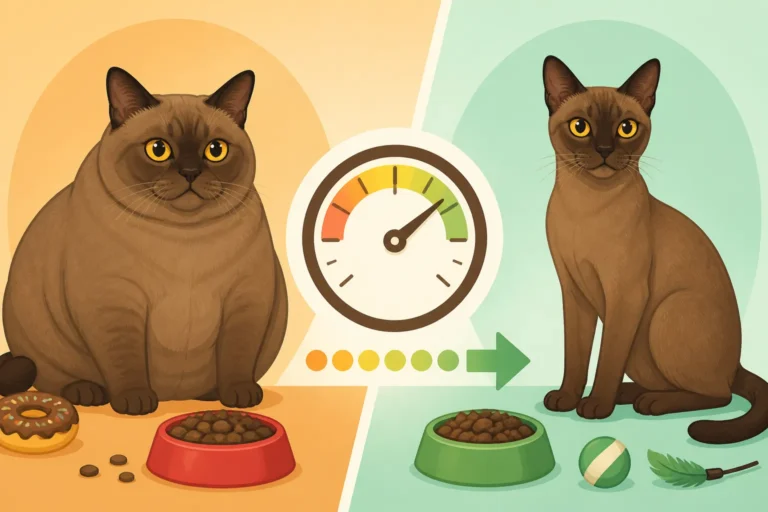
One of the most significant levers an owner has in both preventing and managing feline diabetes, especially in a predisposed breed like the Burmese, is weight. Why Weight Is the Only Lever a Burmese Owner Has might sound dramatic, but it underscores the immense impact excess weight has on insulin resistance. Fat cells produce hormones that interfere with insulin's ability to lower blood sugar, meaning a heavier cat needs more insulin to achieve the same effect. By achieving and maintaining an ideal body weight, you significantly reduce the strain on your Burmese's pancreas, making remission far more likely and relapse far less probable.
This isn't about crash dieting; it's about a controlled, gradual weight loss plan overseen by your vet, followed by meticulous weight maintenance. This goes hand-in-hand with an appropriate activity level. While Burmese cats are known for their playful, kitten-like energy well into old age, ensuring they have daily opportunities for interactive play and mental stimulation is important. Regular play sessions, using wand toys, laser pointers (used safely, never directly in their eyes), or puzzle feeders, helps burn calories, build muscle, and reduce stress. A lean, active Burmese is a healthier Burmese, and these habits need to become a permanent part of their routine, even after remission is achieved.
Stress Reduction and Environmental Enrichment
You might not immediately connect stress with blood sugar, but in cats, the link is very real. Stress hormones can directly impact glucose metabolism, potentially leading to spikes in blood sugar or making it harder for the body to regulate itself. For an already diabetes-prone Burmese, a stressful environment can be a significant setback, even triggering a relapse. Burmese cats are famously affectionate, people-oriented, and thrive on companionship; they are often called "Velcro cats" for a reason. Why a Burmese Cannot Be Left Alone All Day is a common piece of advice from breeders and seasoned owners alike, as prolonged solitude can cause significant anxiety in this breed.
To promote remission and overall well-being, strive for a calm, predictable home environment. Consistent routines, quiet resting spots, and plenty of positive interaction with their human family are essential. Environmental enrichment, such as climbing structures, scratching posts, and engaging toys, can also provide mental stimulation and reduce boredom-induced stress. Furthermore, many Burmese breeders strongly advocate for selling kittens in pairs, or recommend getting a second cat, because Why Burmese Breeders Sell Them in Pairs is often the best solution for their intense need for companionship. A second feline friend can provide vital social interaction, reduce loneliness and anxiety, and ultimately contribute to a more stable physiological state, which indirectly supports stable blood sugar. Considerations for a calm household and the potential costs of managing stress-related issues are things that pet insurance, like plans from Healthy Paws, can help with, covering vet consultations or even behavioral therapy if needed.
Navigating Relapse and Long-Term Management
The dream of diabetic remission is wonderful, but it's not always a permanent state. Understanding the possibility of relapse and committing to lifelong management are crucial aspects of caring for a Burmese cat who has experienced diabetes.
Recognizing Signs of Relapse
Even after achieving remission, your Burmese cat will always carry the genetic predisposition to diabetes. This means that a relapse is possible, and sometimes, unfortunately, even probable, especially if vigilance regarding diet and weight wanes. Therefore, continuous monitoring of their behavior and physical signs remains paramount. The classic symptoms of diabetes are your primary indicators of a potential relapse: increased thirst, frequent or larger urination, increased appetite coupled with weight loss, and changes in coat condition or energy levels.
It’s easy to dismiss a little extra drinking or a slightly fuller litter box now and then, but for a Burmese with a history of diabetes, these observations demand immediate attention. Keep a mental (or even better, a written) log of their daily habits. If you notice them drinking more water, making more frequent trips to the litter box, or suddenly becoming ravenously hungry but perhaps still losing weight, contact your veterinarian right away. Early detection of a relapse can mean a quicker return to control with potentially less intensive intervention. Your vet may recommend restarting insulin therapy, at least temporarily, to stabilize their blood glucose again, along with a renewed focus on strict dietary adherence.
The Lifelong Commitment to Managing Diabetes Risk
Achieving diabetic remission is a fantastic milestone, but it doesn't mean you can breathe a complete sigh of relief and revert to old habits. The genetic blueprint for diabetes remains, so the commitment to a low-carbohydrate diet and meticulous weight management is truly lifelong. Think of it not as managing an illness, but as promoting optimal health for a genetically predisposed individual. Continue to weigh their food precisely, stick to their feeding schedule, and regularly monitor their weight at home. Even in remission, periodic vet check-ups, including fructosamine tests, are wise to ensure their blood sugar levels remain stable.
Understanding How Long a Diabetic Burmese Lives can often surprise owners – with proper management, many diabetic cats, including Burmese, can live full, happy lives. Remission significantly enhances this outlook, but it's built on consistency. This long-term commitment has financial implications too. While you might save on insulin costs during remission, the specialized food, regular vet visits, and monitoring equipment represent ongoing expenses. It's a journey, and you're their guide. Having a comprehensive pet insurance policy, like those offered by Healthy Paws, can offer peace of mind, covering potential future relapses, diagnostic tests, or any other health issues that might arise over their What a Burmese Costs Over Sixteen Years lifetime, ensuring you never have to compromise on their care.
Disclaimer
This article is intended for informational purposes only and does not constitute veterinary advice. Always consult with a qualified veterinarian for any health concerns or before making any decisions about your pet's medical care.