How a Diabetic Burmese Is Diagnosed
It’s a heart-stopping moment for any Burmese cat owner: you notice something's just not quite right with your beloved furry shadow. Perhaps they're drinking more water than usual, or maybe they've lost a little weight despite their usual robust appetite. These subtle shifts can be incredibly worrying, and for a breed like the Burmese, often signal the early onset of diabetes. This guide will walk you through precisely how a diabetic Burmese is diagnosed, from those initial observations at home to the conclusive tests performed by your veterinarian, helping you understand each step of the process.
Recognizing the Early Warning Signs of Diabetes in Your Burmese
One of the most frustrating things about cat health is how adept our feline friends are at hiding illness. Burmese cats, with their incredibly affectionate and demanding personalities, often mask discomfort or changes even better than other breeds because they're so focused on being with you. But when it comes to diabetes, there are distinct signs that, once you know what to look for, can be the first clues that something is amiss.
Subtle Behavioral Changes to Watch For
Your Burmese is a creature of habit, and any deviation from their normal routine deserves your attention. Before you even notice physical symptoms, you might pick up on behavioral cues. Have they become a bit more lethargic, perhaps less enthusiastic about their favorite wand toy or their usual vigorous playtime sessions? Many Burmese remain playful well into their senior years, so a sudden drop in energy isn't typical. You might find them sleeping more deeply or in unusual spots, or just generally seeming a little "off."
Another key change can be in their appetite. It might sound counterintuitive, but a diabetic cat often experiences an increase in appetite – they're constantly hungry because their body can't properly utilize the glucose from their food. So, if your Burmese is suddenly begging for food more intensely, clearing their bowl faster, or even trying to raid the counter more often, don't dismiss it as just a phase. Conversely, some cats might show a decrease in appetite, especially if they're feeling unwell, which is also a red flag. Pay close attention to these subtle shifts, as your Burmese hides illness behind its affection. It’s their innate drive to be close to you that sometimes makes it harder to spot when they're not feeling their best.
Increased Thirst and Urination: The Classic Indicators
While behavioral changes can be subtle, increased thirst (polydipsia) and increased urination (polyuria) are the hallmark signs of diabetes in cats, including our sweet Burmese companions. This isn't just a little extra sip here and there; it's a noticeable, persistent increase. You might find yourself refilling their water bowl much more frequently throughout the day, or perhaps they're even trying to drink from unusual sources like the faucet or the shower.
Hand-in-hand with increased thirst comes increased urination. You'll likely notice more clumps in the litter box, and they might be larger than usual. Sometimes, a diabetic cat might even start having accidents outside the litter box because they can't hold their urine as well or the urge is too strong. This is a crucial symptom because it’s a direct physiological response to the body trying to flush out excess sugar. If you see your Burmese drinking more needs testing that week, it's not a symptom to wait on. The kidneys are working overtime to excrete the glucose that the body can't process, and water follows sugar, leading to dehydration and increased thirst.
Your First Steps: What to Do When You Suspect Diabetes
Spotting those early warning signs can be unsettling, especially for a breed like the Burmese that is already known for certain health predispositions. It’s natural to feel a knot in your stomach, but prompt action can make all the difference for your cat's long-term health.
The Importance of Immediate Vet Consultation
As soon as you notice any combination of these symptoms – increased thirst, increased urination, changes in appetite, or lethargy – the very first and most critical step is to schedule an immediate appointment with your veterinarian. Do not delay. While these symptoms can point to other health issues, diabetes is serious and requires timely intervention. Don't try to self-diagnose or wait to see if things improve on their own; your vet is the only one who can properly assess the situation.
During this initial call, clearly describe all the symptoms you’ve observed, even the seemingly minor ones. Mentioning that your cat is a Burmese is also important, as your vet will be aware of the breed's higher predisposition to diabetes. This information helps your vet prioritize the appointment and prepare for specific diagnostic tests. If you have pet insurance, this is also a good time to review your policy. Many pet insurance providers, such as Healthy Paws, can help cover the costs of diagnostic tests and ongoing treatment, but early diagnosis is key for a smooth claim process.
Gathering Critical Information for Your Vet
Before your vet visit, take a few minutes to gather as much information as possible. This preparation can significantly aid your veterinarian in making a swift and accurate diagnosis.
Here's a checklist of details that will be invaluable:
- Timeline of Symptoms: When did you first notice the increased drinking, urination, or changes in appetite? Has it been gradual or sudden?
- Water Intake: Try to estimate how much water your cat is drinking daily. If you can, measure the amount you put out and the amount left over in a 24-hour period.
- Urination Frequency and Volume: Note how often your cat uses the litter box and if the urine clumps are larger than usual.
- Appetite and Diet: What exactly are you feeding your Burmese? How much? Have there been any recent changes to their food or feeding schedule? Considering that portion control is medical care in a Burmese, this information is particularly pertinent.
- Weight Changes: Have you noticed any weight loss or gain? If you weigh your cat regularly at home, bring those records.
- Energy Levels: Describe any changes in their playfulness, activity, or sleeping patterns.
- Other Pets: If you have other cats or pets, specify if the changes are only affecting the suspected Burmese.
Creating a detailed log, even for just a few days before your appointment, can provide objective data that's far more useful than vague recollections. This thoroughness empowers your vet to move quickly and efficiently through the diagnostic process.
The Veterinary Diagnostic Process: Unraveling the Mystery
Once you and your Burmese are at the clinic, your vet will embark on a systematic process to pinpoint the cause of your cat's symptoms. This usually involves a combination of physical examination, urine analysis, and blood tests.
Initial Physical Exam and Urinalysis
The first step in any veterinary investigation is a thorough physical examination. Your vet will check your Burmese's overall body condition, looking for signs of weight loss (which can sometimes be masked by their muscular build), dehydration, and the condition of their coat and gums. They'll palpate your cat's abdomen and listen to their heart and lungs. While a physical exam alone can’t diagnose diabetes, it helps rule out other obvious conditions and gives the vet a baseline understanding of your cat’s health.
Following the physical exam, a urinalysis is almost always performed if diabetes is suspected. This is a simple yet incredibly informative test. Your vet will collect a urine sample (sometimes directly via cystocentesis, which is sterile and usually well-tolerated) and test it for several key indicators. The most significant finding for suspected diabetes is the presence of glucose (sugar) in the urine. Normally, a cat's kidneys reabsorb all the glucose from the filtered blood, so there should be no sugar in the urine. Its presence indicates that blood glucose levels are extremely high, exceeding the renal threshold, meaning the kidneys can no longer reabsorb it all. The urinalysis will also check for ketones, which can indicate diabetic ketoacidosis (DKA), a severe and life-threatening complication of uncontrolled diabetes. Additionally, it can reveal signs of urinary tract infections, which are more common in diabetic cats.
Blood Tests: Glucose and Fructosamine Explained
The definitive diagnosis of diabetes in a Burmese cat relies heavily on blood tests, specifically measuring glucose and fructosamine levels.
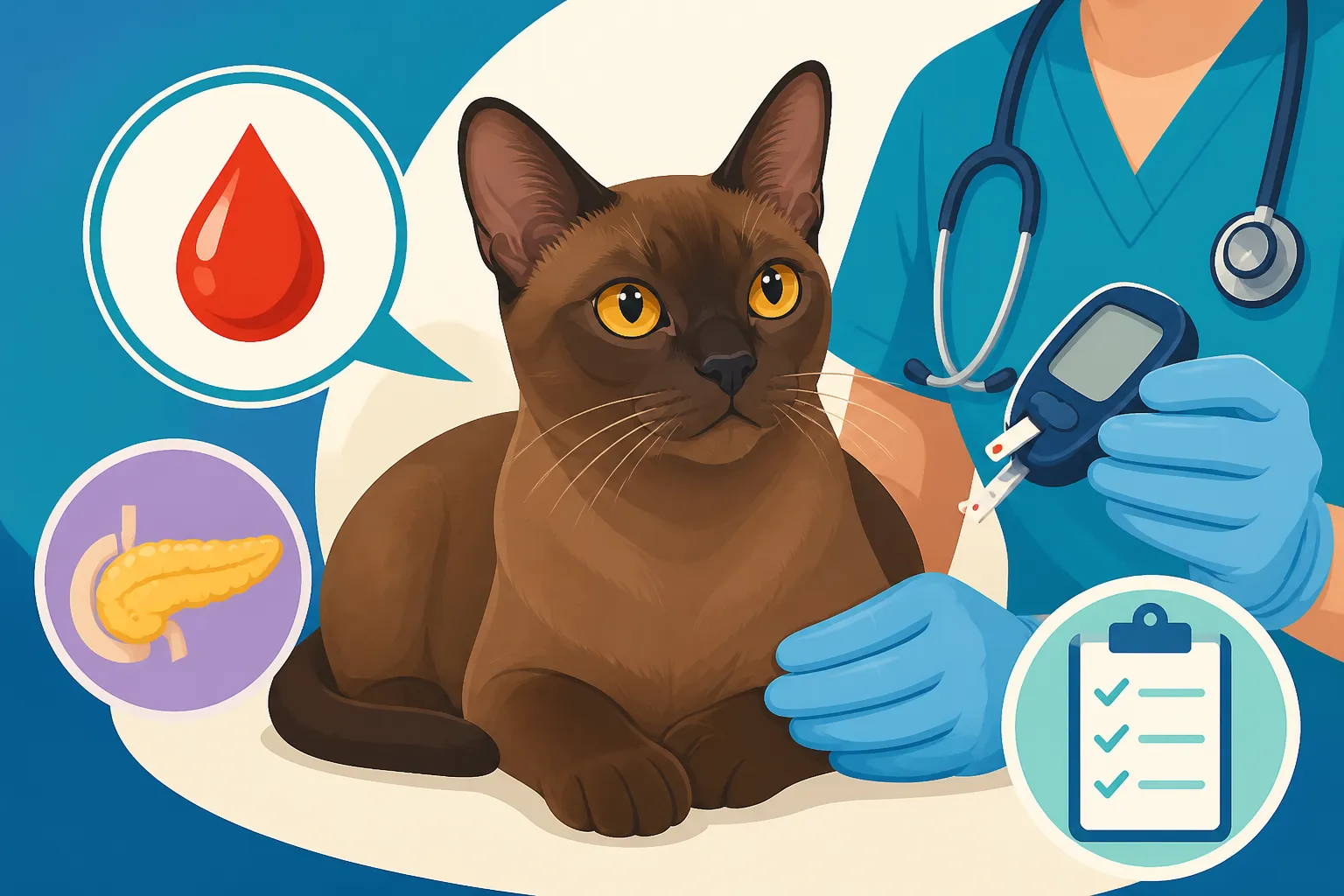
Blood Glucose Test: This is the most direct way to measure the sugar content in your cat's blood at a specific moment in time. A single elevated blood glucose reading, especially when accompanied by glucose in the urine and clinical signs, is a strong indicator of diabetes. However, cats are masters of stress, and a trip to the vet can cause a significant spike in blood glucose (stress hyperglycemia), which can complicate interpretation. This is where the fructosamine test becomes invaluable.
Fructosamine Test: This test measures the average blood glucose level over the preceding one to three weeks. Unlike a single glucose reading, fructosamine is not affected by short-term stress or excitement from the vet visit. It reflects how well your cat's blood glucose has been controlled over a longer period. High fructosamine levels, combined with clinical signs and an elevated single blood glucose reading, provide strong evidence for a diabetes diagnosis. It allows your vet to confirm diabetes in a Burmese even if the stress of the vet visit causes a temporary glucose spike.
| Test Type | What It Measures | What It Indicates for Diabetes | Impact of Stress |
|---|---|---|---|
| Urinalysis | Glucose, Ketones, pH, Specific Gravity | Glucose in urine (glucosuria), ketones (ketonuria) | Minimal direct impact on urine constituents |
| Blood Glucose | Sugar level in blood at time of draw | High blood sugar (hyperglycemia) | Highly affected; can show false elevation |
| Fructosamine | Average blood glucose over 1-3 weeks | Sustained high blood sugar | Not affected; provides reliable long-term average |
Your vet will carefully analyze both the blood glucose and fructosamine results. For instance, if your Burmese has a very high blood glucose reading but a normal fructosamine, it might suggest stress hyperglycemia rather than chronic diabetes. Conversely, a high fructosamine confirms persistent hyperglycemia, regardless of the single blood glucose reading. Understanding what a fructosamine test shows in a Burmese is critical for an accurate diagnosis, separating true diabetes from a temporary stress response.
Advanced Diagnostics and Ruling Out Other Conditions
While blood and urine tests are usually enough for a definitive diagnosis, sometimes your vet might recommend additional diagnostics to rule out other conditions or assess your cat's overall health. This is especially true if there are complicating factors or if the initial results are ambiguous.
For example, a complete blood count (CBC) and biochemistry panel might be performed. The biochemistry panel checks liver and kidney function, electrolyte balance, and other markers that can be affected by diabetes or point to concurrent diseases. Diabetes can sometimes go hand-in-hand with pancreatitis, which might require further imaging like an ultrasound to confirm. In some cases, thyroid testing might be recommended, as hyperthyroidism can sometimes mimic or complicate diabetes symptoms in older cats.
It’s also crucial to remember that certain genetic predispositions in Burmese cats, like their higher diabetes rate, mean vets are often keenly attuned to these possibilities. While there isn't a specific DNA test for diabetes itself, knowing the breed's history is part of the diagnostic puzzle. In rare cases where diagnosis remains tricky, or if your vet suspects a rarer underlying cause for the symptoms, a more comprehensive diagnostic workup might be needed. This holistic approach ensures that not only is diabetes accurately diagnosed, but any other concurrent health issues are also identified and addressed. If you have pet insurance, this is where a comprehensive policy from providers like Healthy Paws truly shines, helping to manage unexpected costs for these more extensive tests.
Understanding Your Burmese's Diabetes Diagnosis
Receiving a diabetes diagnosis for your beloved Burmese can feel overwhelming, but understanding what the results mean and what the next steps are can help you feel more in control. It's a journey, not a sprint, and you're not alone.
Interpreting the Results with Your Vet
Your veterinarian will walk you through all the test results, explaining what each finding means for your Burmese. They will correlate the clinical signs you observed at home with the objective data from the urinalysis, blood glucose, and fructosamine tests. For example, if your cat has elevated blood glucose, glucose in the urine, and high fructosamine levels, the diagnosis of diabetes mellitus is confirmed.
This is your opportunity to ask questions. Don't hesitate to clarify anything you don't understand. Some common questions might include:
- How severe is the diabetes?
- Are there any signs of complications, like diabetic ketoacidosis (DKA)?
- What is the estimated prognosis?
- What does the initial treatment plan involve?
Your vet will explain that diabetes in cats often means their pancreas isn't producing enough insulin, or their body isn't responding properly to the insulin it does produce. This prevents glucose (sugar) from entering the cells for energy, leading to high blood sugar and other issues. The diagnosis is the first, most crucial step in getting your Burmese the care they need. They will explain exactly how a vet confirms diabetes in a Burmese and what that means for your specific cat.
The Road Ahead: Initial Management Considerations
Once a diagnosis is confirmed, your vet will discuss the initial management plan. This typically involves starting insulin therapy and making significant dietary changes.
Insulin Therapy: Most diabetic cats will require insulin injections, usually twice a day. Your vet will demonstrate how to give these injections and provide a specific dosing schedule. It might seem daunting at first, but with practice, it becomes a routine part of your day. We’ve covered how a diabetic Burmese is started on insulin in another post, so you can explore that for more details on the practicalities.
Dietary Changes: Diet plays a massive role in managing feline diabetes. The primary goal is usually a low-carbohydrate, high-protein wet food diet. This helps stabilize blood glucose levels and can even lead to diabetic remission in some cats. Your vet will provide specific recommendations for suitable commercial cat foods. This is directly related to why low carbohydrate food matters for a Burmese, as it's a cornerstone of managing their diabetes effectively.
Monitoring: Regular monitoring is essential. Initially, this will involve frequent vet visits for glucose curves and adjustments to insulin doses. You'll also learn how to monitor your Burmese at home, looking for signs of hypoglycemia (low blood sugar), and tracking their appetite, water intake, and litter box habits. This proactive approach helps keep your cat safe and well-regulated. While the upfront costs can be significant, the long-term benefits of proper care are immeasurable. It's worth considering the long-term financial implications and exploring pet insurance options like those offered by Healthy Paws, which can help mitigate the costs associated with ongoing care and medications.
Table: Initial Management Checklist for a Newly Diagnosed Diabetic Burmese
| Management Area | Key Actions & Considerations |
|---|---|
| Insulin | Start prescribed insulin injections (usually twice daily). |
| Learn proper injection technique from your vet. | |
| Maintain consistent timing for injections. | |
| Diet | Transition to a low-carbohydrate, high-protein wet food diet. |
| Weigh and portion meals precisely. | |
| Establish consistent feeding times. | |
| Monitoring | Schedule follow-up vet visits for glucose curve adjustments. |
| Watch for signs of hypo- or hyperglycemia at home. | |
| Track water intake, urination, appetite, and energy levels daily. | |
| Lifestyle | Maintain a stable routine for your Burmese. |
| Ensure easy access to fresh water and litter boxes. | |
| Continue regular, gentle play to encourage activity. | |
| Support | Maintain open communication with your vet. |
| Consider joining support groups for owners of diabetic cats. |
Remember, a diabetes diagnosis is not a death sentence. With dedication, consistent care, and a strong partnership with your veterinarian, many Burmese cats with diabetes can go on to live full, happy lives. Understanding how a diabetic Burmese is diagnosed is the first critical step toward providing that future.
Disclaimer
The information provided in this article is for educational and informational purposes only, and does not constitute veterinary advice. Always consult with a qualified veterinarian for any health concerns or before making any decisions related to your pet's health or treatment.