How Arthritis Shows in a Burmese That Still Plays
It's incredibly frustrating when your beloved Burmese still bounces around, seemingly full of beans, yet you can't shake the feeling that something isn't quite right. These intelligent, affectionate cats are masters at masking discomfort, often continuing to play and engage even when chronic pain, like arthritis, is starting to creep in. This guide will walk you through the subtle, often overlooked signs of arthritis in a Burmese that still appears playful, helping you become an expert observer for your cherished companion.
The Sneaky Nature of Arthritis in a Playful Burmese
Burmese cats are renowned for their vibrant, almost kitten-like personalities that persist well into their senior years. This enduring playfulness, while charming, can make detecting chronic pain conditions like arthritis incredibly challenging. They possess a remarkable resilience and a deep desire to be involved with their families, which often leads them to push through discomfort rather than display obvious signs of pain.
Why Their Playfulness Masks Pain
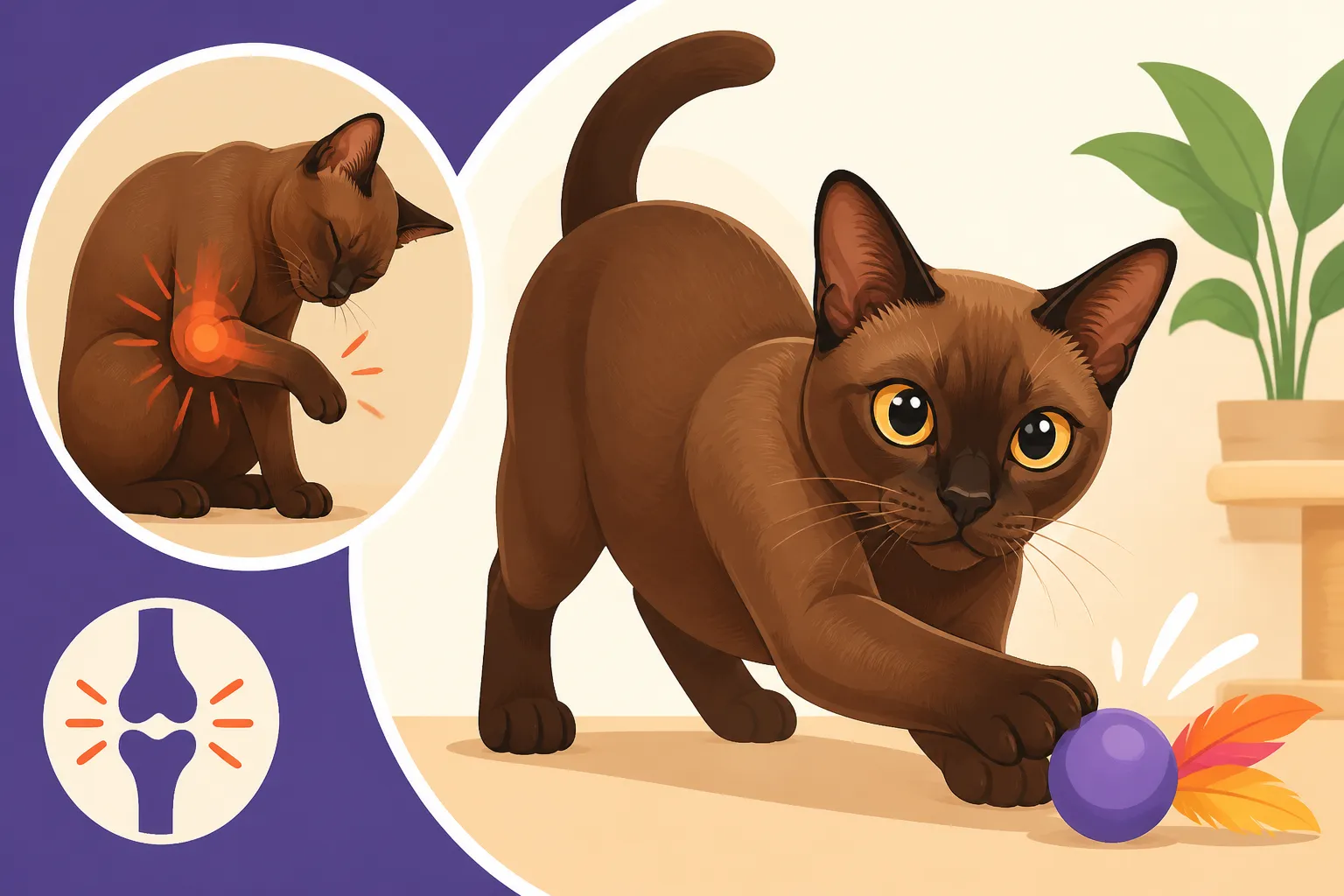
Think about it: your Burmese is probably the "velcro cat" of the house, always wanting to be where you are, always ready for a game. This strong bond means they are highly motivated to maintain their usual routine and interaction levels. They might still chase a wand toy or bat at a feather, even if every jump sends a twinge through their joints. It's not that they're not feeling it; it's that their desire to be with you, to play, to be themselves, often overrides their instinct to show vulnerability. Unlike some more stoic or independent breeds, a Burmese's very nature compels them to engage, making overt limping or withdrawal less common in the early stages of arthritis. You might even find yourself saying, "But they still play all the time!" – which is precisely why spotting arthritis in them requires a different kind of observation. Remember, a Burmese is known for their lasting youthful spirit, so you might expect A Burmese Is Still Playing at Fifteen, making age-related changes even harder to pinpoint.
This masking behavior is a double-edged sword. On one hand, it's a testament to their incredible spirit and affection. On the other, it means that by the time a Burmese does show undeniable signs of pain, the arthritis is often quite advanced. They don't want to let you down, or perhaps, they've simply learned to adapt their movements to minimize the pain, becoming incredibly adept at hiding their true physical state. It takes a keen eye and a deep understanding of your individual cat's habits to catch these early, subtle shifts before they become undeniable lameness. This is why paying close attention to minor deviations from their norm is absolutely critical.
Subtle Changes in Their Movement and Gait
While a full, obvious limp might be rare in a playful Burmese with early arthritis, you'll start to notice more subtle alterations in their movement. Instead of a fluid, effortless jump onto the sofa, you might observe a slight hesitation, a gathering of themselves, or perhaps they'll opt for a two-stage approach – jumping onto a chair first, then the sofa. Their once graceful leaps might be lower, less powerful, and sometimes accompanied by a slightly stiffer landing. Watch how they navigate stairs; do they take them one at a time now, rather than bounding up? Do they hesitate at the top or bottom?
Consider their overall fluidity. When they walk, does one leg seem just a fraction less engaged, or do they take slightly shorter strides with a particular limb? You might notice a slight sway or stiffness in their lower back or hips as they move. They might even try to avoid certain movements entirely, like not stretching as far back to scratch an itch, or no longer attempting to climb the tallest cat tree, instead opting for lower perches. If your Burmese used to enjoy climbing you like a tree, scaling your leg to reach your shoulder, you might find that they now hesitate or prefer to be lifted, a telling sign given that Why a Burmese Climbs People Rather Than Furniture is often a natural part of their affectionate behavior. These aren't always dramatic changes, but rather nuanced shifts that, when combined, paint a picture of emerging joint discomfort.
Behavioral Clues Beyond Physical Movement
Arthritis doesn't just affect how a Burmese moves; it can subtly alter their daily routines and comfort-seeking behaviors. Because they are so attuned to their environment and their human companions, these shifts in behavior can be critical indicators.
Shifts in Sleep Patterns and Comfort
A common sign of arthritis, even in a playful cat, is a change in how they sleep and where they choose to do it. You might notice your Burmese shifting positions more frequently while resting, trying to find a comfortable spot, only to readjust again moments later. This restlessness can be a direct result of aching joints that hurt when they stay in one position for too long. They might struggle to curl up tightly, preferring to stretch out more, or lie on one side consistently to alleviate pressure on a painful joint.
Furthermore, a Burmese is known for seeking out warmth, often snuggling under duvets or near radiators. With arthritis, this tendency can intensify as warmth helps soothe stiff joints. You might find them gravitating towards specific sunbeams or heated beds more often than before. Observing Why a Burmese Seeks Out the Warmest Spot in the house or actively requesting more blankets can be an indirect but significant clue. Conversely, some cats might become more sedentary, spending longer periods asleep simply because moving is uncomfortable. Pay attention to how they rise after a long nap; do they seem stiff or need a moment to "loosen up" before moving fluidly?
Changes in Grooming Habits
Grooming is a crucial part of a cat's daily life, and any alterations can signal underlying discomfort. A Burmese is typically fastidious, keeping their satin coat immaculate. If you start to notice areas of their fur that look less well-maintained – perhaps matted patches on their lower back, hips, or tail base – it could indicate they're struggling to reach these areas due to joint pain. The twisting and stretching required for thorough grooming can become painful with arthritis. Observing When an Old Burmese Stops Keeping Its Coat Glossy often points to physical limitations rather than a lack of desire to be clean.
On the flip side, some cats might over-groom a specific area that's causing them pain. Licking or chewing excessively at a painful joint can lead to localized hair loss, skin irritation, or even small sores. This is their way of trying to self-soothe or alleviate the discomfort. Therefore, any notable change in grooming habits – either a decrease in overall care or an increase in focused grooming on a particular spot – warrants investigation, even if they're still playing with gusto between grooming sessions.
Appetite and Litter Box Variations
While not always direct indicators of arthritis, changes in appetite and litter box habits can be secondary signs of chronic pain and discomfort. A cat that's constantly hurting might experience a general decline in well-being, which can manifest as a reduced appetite. While Why a Burmese's Appetite Goes When It Is Unhappy can have many causes, chronic pain is certainly one of them. It's crucial to ensure your playful cat is eating adequately and maintaining a healthy weight, as excess weight places additional strain on joints, exacerbating arthritis.
Litter box changes can be particularly telling. If your Burmese struggles with joint pain, getting into and out of a high-sided litter box can become a painful ordeal. You might notice them hesitating before entering, or adopting an awkward posture while inside. They might even start having "accidents" outside the box because it's simply too painful to use it. A reduced squatting depth can also lead to messier deposits. If you suspect arthritis, consider switching to a litter box with lower sides to make access easier. Any changes in urination or defecation frequency should also be noted, as they can indicate broader health issues related to pain or other conditions.
Interaction and Temperament Red Flags
The affectionate and social nature of the Burmese means that changes in their interactions with you and their environment can be powerful indicators of discomfort. These subtle shifts in temperament might be easily dismissed as "just getting older," but they could very well be the silent cries of a cat in pain.
Reluctance to Be Handled or Picked Up
The Burmese cat is famously known as "the velcro cat of the cat fancy" for a reason. They thrive on physical contact, often seeking out laps, shoulders, and snuggles. If your typically cuddly Burmese suddenly becomes hesitant or resistant when you try to pick them up, especially if they vocalize or flinch, it's a significant red flag. They might still come for pets, but avoid being lifted, or only tolerate it if you support them in a specific way that doesn't put pressure on a sore joint.
Pay close attention to how they prefer to be held. If they usually enjoy riding on your shoulder, but now hesitate or jump down quickly, it could be that the movement required to get there, or the position itself, is causing pain. While Why a Burmese Aims for Your Shoulder and Not Your Lap is a classic Burmese trait, discomfort can alter even this deeply ingrained behavior. A sudden aversion to being handled, groomed, or even just touched in certain areas can be a strong indication that chronic pain has set in, even if they still greet you at the door with enthusiasm.
Altered Play Style and Engagement
This is where the "still plays" aspect of the query comes in. Your Burmese might still engage in play, but the quality and duration of that play might have changed. Observe them closely:
- Less intensity: Are their pounces less vigorous? Do they move slower when chasing a toy, or seem to tire more quickly?
- Preference for ground play: Do they favor games that involve batting at toys on the floor rather than jumping, climbing, or leaping after a wand toy?
- Shorter sessions: While they might still initiate play, do the sessions end abruptly? Do they seem less enthusiastic to restart after a brief pause?
- Hesitation: Do they pause before making a jump they once did effortlessly, or do they look for an easier path?
A cat that once loved to retrieve a thrown toy might still bring it back, but perhaps without the same eager dash. They might drop the toy closer to you instead of right in your hand, or take longer to return. These are not signs of a cat that has "lost interest," but rather one that is managing pain while still trying to participate in the activities they love and associate with you.
Subtle Vocalizations or Body Language
Burmese cats are known for their distinctive, often raspy, vocalizations. While What a Burmese Wants When It Rumbles at You can be a sign of contentment, sometimes changes in vocalization can be subtle pain indicators. An increase in quiet purring or low rumbles, especially when resting or being gently petted, might actually be a self-soothing mechanism rather than pure pleasure. Cats often purr when they are in pain, so differentiating between a happy purr and a pain-related purr requires careful observation of their overall demeanor.
Beyond sounds, look at their overall body language. A cat in chronic pain might have a subtle tenseness in their posture, even when relaxed. Their eyes might appear slightly squinted, or their whiskers might be held back rather than forward and relaxed. A slightly lowered head or a more hunched posture, even when standing, can be a sign. They might seek proximity to you but resist direct physical interaction, or display a subtle flick of the tail when a sensitive area is touched. These are the quiet, often overlooked signals that your playful Burmese is trying to tell you something is wrong.
What to Do When You Suspect Arthritis
Suspecting arthritis in a cat that still plays is often disheartening because you want them to be comfortable without sacrificing their joy. The good news is that early detection and management can significantly improve their quality of life.
Keeping a Detailed Log for Your Vet
Because the signs of arthritis in a playful Burmese can be so subtle, documenting your observations is paramount. Start a journal or a note on your phone. Record:
- Specific changes: Instead of "he seems stiff," write "he hesitated for 3 seconds before jumping onto the bed this morning," or "his pounces aren't as high when playing with the feather wand."
- Dates and times: Note when you observed these behaviors. Patterns can emerge.
- Triggers: Did the behavior occur after a long nap, or after a particularly vigorous play session?
- Videos: If possible, discreetly film snippets of your cat's altered movement, whether it's a hesitant jump, a stiffer walk, or difficulty grooming. These visual aids are incredibly powerful for your veterinarian.
This detailed log will be invaluable to your vet, as it provides objective evidence rather than just a general feeling. It helps them piece together the puzzle and avoid dismissing subtle signs, leading to a more accurate diagnosis and a tailored treatment plan.
Discussing Options with Your Veterinarian
Once you have your observations, schedule an appointment with your veterinarian. Be prepared to discuss your detailed log and show any videos you've taken. Explain your concerns clearly, emphasizing that while your Burmese still plays, you've noticed these specific changes. Your vet will conduct a thorough physical examination, assessing your cat's joints for pain, swelling, and range of motion. They might recommend further diagnostics, such as X-rays, to confirm the presence and severity of arthritis.
Treatment options often involve a multi-modal approach. This can include:
- Pain relief medication: Your vet might prescribe anti-inflammatory drugs or other pain medications.
- Joint supplements: Glucosamine and chondroitin supplements can help support joint health.
- Weight management: If your Burmese is overweight, even slightly, losing those extra pounds can significantly reduce strain on their joints. This reinforces why How Much Weight Raises a Burmese's Diabetes Risk is a critical consideration for their overall health, including arthritis.
- Physical therapy: Gentle exercises or massage might be recommended.
It's also a good time to consider pet insurance, like Healthy Paws, which can help cover the costs of diagnostics, medications, and ongoing treatments for chronic conditions like arthritis, allowing you to focus on your cat's well-being without financial stress. Discussing What Pain Relief an Old Burmese Can Take with your vet is crucial to ensure safe and effective management.
Environmental Adjustments and Support
Making a few thoughtful changes to your home environment can dramatically improve your Burmese's comfort and mobility, helping them continue to play for longer.
- Ramps and steps: Provide pet-friendly ramps or steps for easy access to favorite sleeping spots on beds, sofas, or cat trees. This reduces the need for painful jumping.
- Comfortable bedding: Offer orthopedic beds or thick, soft blankets, especially in their favorite resting spots. Heated beds can be particularly soothing for aching joints; consider if Whether a Burmese Needs a Heated Bed would be beneficial.
- Accessible litter boxes: Switch to litter boxes with lower sides, making it easier for your cat to step in and out without pain or struggle.
- Raised food and water bowls: Elevating their bowls can reduce strain on their neck and front legs, making meal times more comfortable.
- Gentle play: Adapt your play sessions to be lower impact. Focus on ground-based games with wand toys, encouraging chasing and batting rather than high jumps. Keep sessions shorter but perhaps more frequent.
- Regular, gentle exercise: Encourage gentle movement to keep joints mobile, but avoid overexertion.
- Floor traction: If you have slippery floors, consider rugs or runners to provide better grip and prevent slips that could worsen joint pain.
By combining careful observation, veterinary care, and thoughtful home modifications, you can ensure your playful Burmese continues to enjoy a high quality of life, even with arthritis.
Disclaimer
This article is for general informational purposes only and does not constitute professional advice. Laws, prices and regulations vary by location and change over time. Consult a qualified professional for guidance on your specific situation.