Why a Burmese Aims for Your Shoulder and Not Your Lap
It’s a common scenario: you envision a sweet, cuddly cat curled up on your lap, purring softly. Then you bring home a Burmese, and suddenly your shoulder becomes the prime real estate. You might find yourself wondering, "Why doesn't my Burmese want to sit on my lap like other cats? Is something wrong?" Rest assured, this isn't a snub; it's a perfectly normal, and deeply affectionate, Burmese quirk. This guide will explore the fascinating reasons behind your Burmese's preference for a high perch and how to embrace their unique way of showing love.
The Burmese Imperative for Proximity and Elevation
Burmese cats are renowned for their intense need for human companionship, often earning them the nickname "Velcro cats." But unlike some breeds that might be content to simply share the sofa, a Burmese often wants to be physically integrated into your personal space. The shoulder, it turns out, is the perfect combination of fulfilling their affectionate nature and their innate feline instincts.
A Unique Blend of Affection and Vantage Point
Imagine being a small, curious creature in a big world. For a Burmese, being on your shoulder offers an unparalleled view of their environment. From this elevated position, they can survey the room, observe your movements, and feel completely immersed in your activities. It's not just about being close; it's about gaining a strategic overview. They are highly intelligent and observant, and the shoulder provides them with a front-row seat to the human drama unfolding around them. This vantage point satisfies their innate curiosity in a way a low lap simply cannot. They might watch you prepare dinner, read a book, or type on a keyboard, feeling like an active participant rather than a mere observer. This blend of affection and elevated perspective is deeply ingrained in their behavior, making the shoulder a highly sought-after spot.
Beyond the strategic view, this proximity also offers incredible warmth and comfort. Why a Short Coated Burmese Seeks Body Heat delves into how their exceptionally short, satin coats mean they can sometimes feel the cold more acutely. Being pressed against your neck and shoulder, soaking up your body heat, is a luxurious experience for them. It's a prime spot for warmth, security, and endless pats without having to shift positions.
The "Velcro Cat" Instinct at Play
The "Velcro cat" moniker isn't just a cute phrase; it's a fundamental aspect of the Burmese personality. These cats crave constant physical contact and reassurance. They thrive on being utterly connected to their chosen person, often following them from room to room, even to the bathroom! The shoulder isn't just a place; it's an extension of their desire to be an inseparable part of your existence. This isn't a cat that wants to be admired from afar; it wants to be with you, touching you, feeling your presence. The Burmese Is the Velcro Cat of the Cat Fancy explores this deep-seated need for connection in detail.
When they climb onto your shoulder, they're not just seeking a perch; they're actively seeking to merge their energy with yours. This constant touching and closeness helps them feel secure and loved, validating their place in your life. It's a profound expression of trust and attachment, far more involved than simply resting their head on your lap while you watch TV. They want to be actively engaged, participating in your world from the most intimate position possible. This makes them feel safe and included, a feeling that began in kittenhood as they snuggled closely with their littermates and mother.
Communication and Interaction from a High Perch
For a Burmese, the shoulder isn't just a comfortable spot; it's a prime location for deep, meaningful interaction. Their intelligence and expressive nature truly shine when they're at eye level, allowing for a different kind of communication with their humans.
Eye-Level Engagement
Think about how much more you can "talk" to someone when you're looking them straight in the eyes. For a Burmese, being on your shoulder brings them into direct eye-level contact, fostering a unique and intimate form of communication. From this vantage point, they can gauge your mood, respond to your facial expressions, and engage in those deep, soulful gazes that Burmese are famous for. This direct eye contact builds an incredibly strong bond, making both of you feel understood. They might rub their head against your cheek, purr directly into your ear, or even offer a gentle "head butt" as a sign of affection, all of which are enhanced by the close proximity of your faces. Why a Burmese Pushes Its Face Into Your Palm further explores their tactile expressions of love.
They are also incredibly vocal cats, known for their distinctive, raspy voices. Being on your shoulder provides them with a direct line to your ear for their characteristic rumbles, chirps, and conversational trills. The Rasping Rumble a Burmese Uses Instead of a Meow describes this unique vocalization. It's less a plaintive meow and more of a conversational murmur, and they often use it to engage with you, tell you about their day, or simply express their contentment at being so close. This isn't just noise; it's their way of participating in your world, offering commentary from their favorite spot.
Participating in Your World
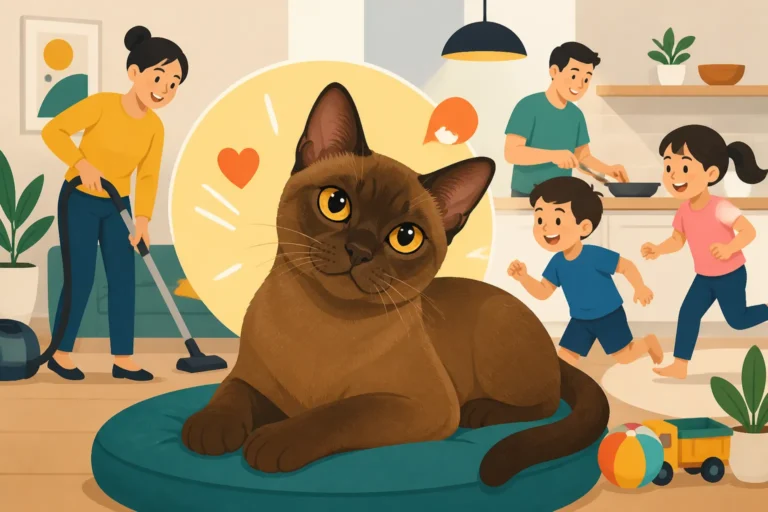
Burmese cats have an insatiable curiosity about their human's activities. They don't just want to watch; they want to be part of it. When you're standing and moving around, your lap isn't an option. Your shoulder, however, allows them to accompany you as you move through your home. Whether you're doing chores, moving from the kitchen to the living room, or just puttering around, your Burmese can ride along, observing everything you do. This satisfies their deep need for involvement and engagement. They want to see what you're seeing, hear what you're hearing, and feel like they are contributing to whatever task you're undertaking. Why a Burmese Cares Less About the House Than the People highlights their focus on people over possessions or environments.
This active participation is crucial for their mental enrichment. A Burmese that feels constantly included and engaged is a happier, more settled cat. They thrive on interaction and being the center of attention, and your shoulder provides the perfect stage for this. It's their way of bonding through shared experience, whether that experience is simply you fetching a glass of water or reading a new book. The world is a much more interesting place when viewed from the heights of their favorite human's shoulder.
Comfort, Security, and Early Learning
The shoulder isn't just a place of elevation and interaction; it also provides a profound sense of comfort and security for a Burmese. These foundational feelings are often established early in their lives and reinforced through consistent positive experiences.
The Secure Embrace
From a cat's perspective, being lifted off the ground and held close is inherently protective. It mimics the secure feeling they experienced as tiny kittens, cradled by their mother. On your shoulder, they are literally above the fray, safe from clumsy feet or unexpected disturbances. The close physical contact, especially around your neck and head, feels like a comforting embrace, reinforcing the bond and trust they have in you. This feeling of security allows them to relax deeply, often purring contentedly or even dozing off right there. It’s a place where they feel completely safe and cherished, away from any perceived threats on the floor.
This sense of being held and protected is vital for such an intensely people-oriented breed. A Burmese needs to feel utterly secure in their relationship with their human, and the act of being carried on the shoulder solidifies that bond. It's a testament to the deep trust they place in you, seeing you not just as a provider of food, but as a safe haven. Why a Burmese Kitten Insists on Being Handled from a young age demonstrates their innate desire for physical contact and security from their humans, setting the stage for behaviors like shoulder riding.
Learning from Experience
Cats are creatures of habit and keen observers. If a Burmese discovers early on that your shoulder offers the best combination of warmth, a good view, constant attention, and security, they will quickly adopt it as their preferred spot. This behavior is often reinforced through positive experiences. Every time you respond with affection, gentle pats, or soft words while they're on your shoulder, you're teaching them that this is a desirable place to be. They learn that their shoulder perch guarantees them prime access to your love and attention, and they'll leverage that knowledge throughout their lives.
It's a learned behavior as much as an instinct. While some cats might try it once and decide it's not for them, a Burmese typically finds the experience deeply rewarding. They understand that this unique position guarantees them maximum interaction and closeness, making it far superior to just sitting next to you or on your lap. They might even develop a specific "signal" to let you know they're ready for their ride. The Signal a Burmese Gives Before It Climbs You describes these subtle cues they often give before launching themselves upwards. This combination of instinctual comfort and learned positive reinforcement cements the shoulder as their go-to spot for companionship.
Managing the Shoulder-Riding Habit
While a shoulder-riding Burmese is undeniably charming and a huge compliment, it's not always practical or safe for every situation. You might adore their affection, but sometimes you need to cook dinner without a cat on your head. The good news is that you can manage this beloved behavior while still cherishing your bond.
Encouraging Alternative Cuddling Spots
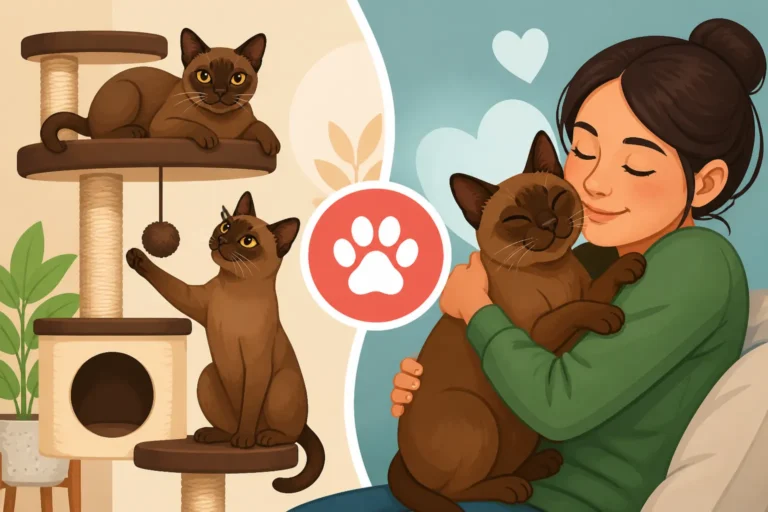
If your Burmese's shoulder habit becomes a bit much, you can gently encourage them towards other equally cozy, albeit lower, spots. The key is to make these alternatives just as appealing as your shoulder, or close to it. Provide soft, warm beds in strategic locations: a heated bed in their favorite sunny spot, a plush blanket on your lap when you're settled, or a tall, sturdy cat tree placed right next to your desk or favorite armchair. The goal is to offer them a similarly elevated view or an equally warm and secure spot close to you. For instance, an Amazon cat tree with multiple levels near your main hangout could be a great alternative, allowing them to survey the room from a safe height, even if it's not on you.
When they choose one of these alternative spots, offer lots of praise, gentle pets, or even a small, healthy treat. Positive reinforcement goes a long way with these intelligent cats. You're not trying to stop them from being close; you're simply offering them more options for closeness that fit into your daily routine. Remember, a Burmese wants to be with you, so the alternative spot must still offer proximity and engagement. They are less interested in a fancy bed in a far-off room than a simple cushion placed right on your desk or next to your chair.
Safety and Boundaries
There will be times when having a Burmese perched on your shoulder isn't safe – think hot stoves, sharp tools, or delicate projects. In these moments, it's perfectly fine to gently, but firmly, redirect them. Don't push them off abruptly, as this can damage their trust. Instead, carefully lower them to a nearby safe surface, like a chair or a counter, while reassuring them with your voice. You might then immediately offer them an alternative, like a warm blanket on a chair next to where you're working, so they still feel included. How to Carry a Burmese Around Without Dropping It offers insights into safe handling techniques that maintain their sense of security.
Establishing boundaries is important for both your safety and your cat's. They will quickly learn which activities are "shoulder-friendly" and which are not. This doesn't diminish their love for you; it merely teaches them acceptable parameters within your shared life. A Burmese, with its deep desire for connection and understanding, will typically adapt well to these cues, as long as they still feel loved and included. Remember, their shoulder-riding is a huge compliment, a sign of deep affection and trust that they have in you, their human. Cherish it, but don't be afraid to guide it.
| Feature / Benefit | Lap Perch (Burmese View) | Shoulder Perch (Burmese View) |
|---|---|---|
| Proximity to Human | Close, but often stationary | Extremely close, mobile, direct contact |
| Vantage Point | Low, somewhat restricted view | Elevated, excellent view of human & surroundings |
| Warmth/Comfort | Good, direct body heat shared | Excellent, direct contact with neck/head warmth |
| Engagement Level | Passive, ideal for napping or gentle pets | Active, involved in human activities, "part of the action" |
| Security | Good, stable, but still on a lower plane | Very secure, elevated, less prone to disturbance |
| Communication | Good, but less direct eye contact | Excellent, direct eye contact, "conversation" enabled |
Disclaimer
This article is for general informational purposes only and does not constitute professional advice. Laws, prices and regulations vary by location and change over time. Consult a qualified professional for guidance on your specific situation.