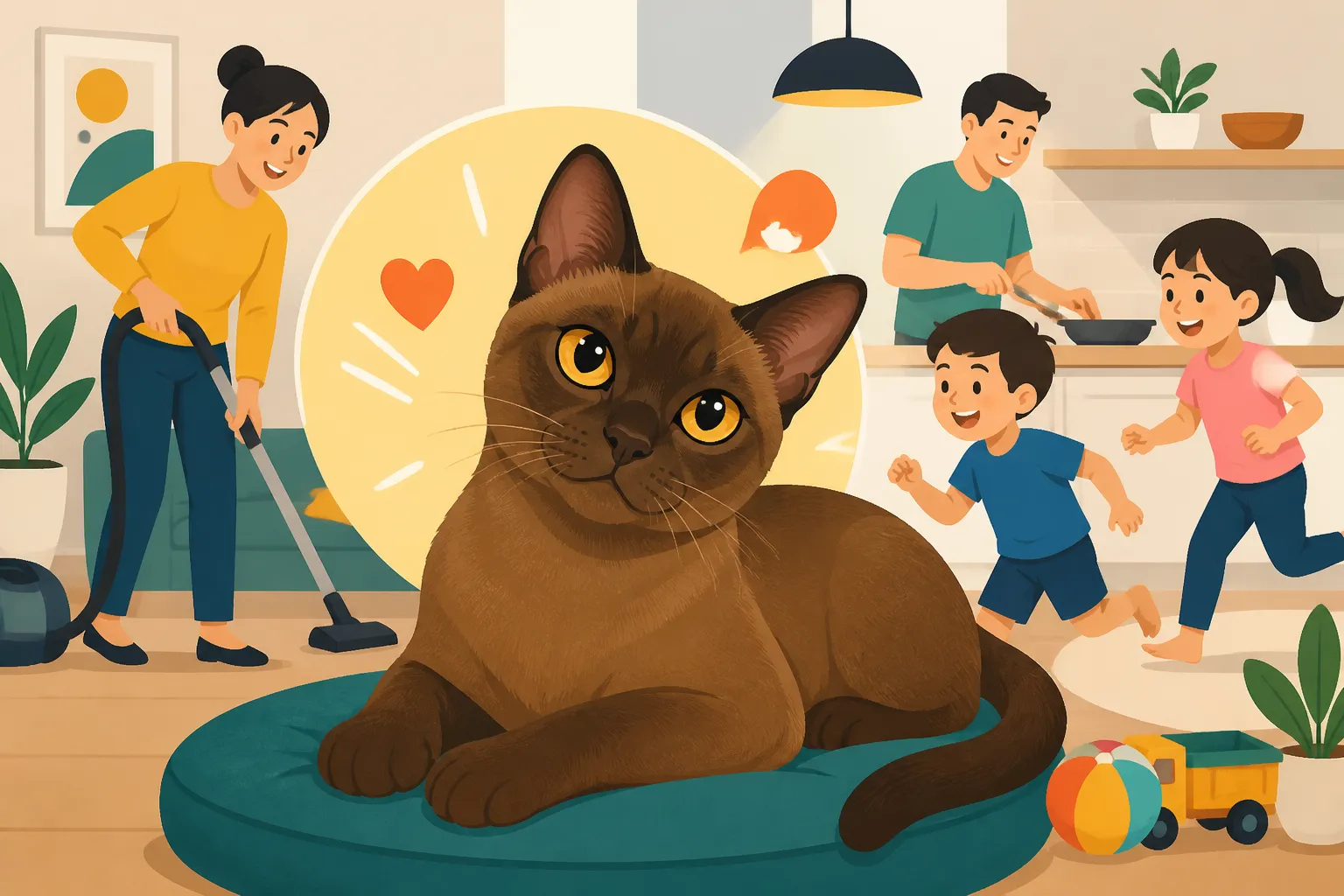
Why a Busy Household Suits a Burmese Best
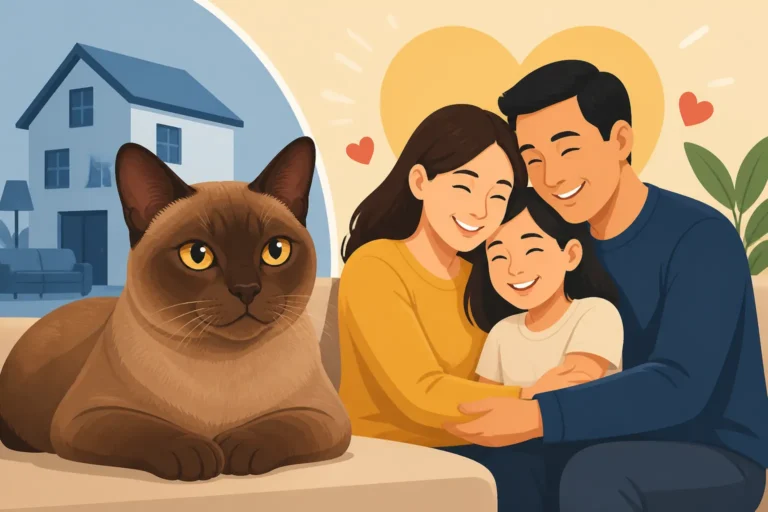
One of the most common heartbreaks for a Burmese cat owner is realizing their beloved, affectionate companion is struggling with loneliness, even in a home where they feel cherished. It's a tough pill to swallow when you've given your all, but the truth is, a Burmese thrives on constant interaction and activity, often finding its happiest, most balanced self in a bustling household where quiet solitude is a rare occurrence. This guide will explore why the lively chaos of a busy home isn't just tolerated by a Burmese, but often preferred, and how such an environment actually provides the ideal backdrop for their unique personality to shine.
Understanding the Burmese Personality: The Ultimate Velcro Cat
When people talk about the Burmese, a common phrase you'll hear is "Velcro cat." This isn't just a cute nickname; it's a profound descriptor of their intrinsic need for companionship and their desire to be physically and emotionally attached to their humans. Unlike many other cat breeds that might enjoy their independence, a Burmese considers itself a full-fledged member of the family, a participant in every activity, and an ever-present shadow. This deeply social nature means they genuinely suffer when left without engagement, often leading to behaviors that can be confusing or frustrating for owners who aren't aware of this intense need.
Their Inherent Need for Companionship
Imagine a cat that genuinely believes it's a person in a fur coat, destined to share every moment with its chosen humans. That's essentially the Burmese. From the moment they wake up until they settle down for the night, they crave interaction. It’s not just about food or cuddles; it’s about presence, conversation, and shared experience. If you’re in the kitchen, they’re there. If you’re working at your desk, they’re likely trying to 'help' by batting at your pen or curling up on your keyboard. This isn't clinginess in an annoying way; it's a profound, joyful engagement with their world, a world that revolves primarily around their people. They truly embody the phrase The Burmese Is the Velcro Cat of the Cat Fancy.
This deep-seated need for companionship stems from their breed history and genetic makeup. They've been selectively bred over generations to be outgoing, intelligent, and human-oriented. It's not a trait they can simply "grow out of" or be trained away from. They interpret quiet spaces or prolonged absences not as opportunities for peaceful solitude, but as a lack of engagement, which can be deeply distressing for them. Their happiness quotient is directly proportional to the amount of interactive presence they receive.
The "Dog-Like" Traits That Make Them Unique
You'll often hear the Burmese described as Why the Burmese Is Called a Dog in a Cat's Body, and it's an apt comparison. Many of their behaviors mirror those of a loyal canine companion rather than a typical feline. They greet you at the door with an enthusiastic purr-rumble, follow you from room to room, and often enjoy games of fetch with small toys. They respond well to voice commands and can even be leash-trained, eager to explore the world alongside you, much like a well-adjusted dog.
This dog-like devotion means they thrive on the kind of consistent, engaged attention that a busy household naturally provides. They aren't content with just a brief petting session; they want to be woven into the fabric of daily life. The more activity, the more people, the more opportunities for them to observe, interact, and participate, the happier and more fulfilled they tend to be. This contrasts sharply with a quieter home, where such opportunities might be limited, leaving a Burmese feeling understimulated and alone.
The Pitfalls of a Quiet Home for a Burmese
While a calm, peaceful environment sounds ideal to many, for a Burmese cat, it can often be a recipe for disaster. Their highly social and engaging nature means that prolonged periods of quiet or solitude can lead to significant emotional distress and, subsequently, behavioral problems. Owners often don't realize the depth of their cat's need for company until these issues begin to surface, leaving everyone feeling confused and frustrated.
Separation Anxiety and Its Manifestations
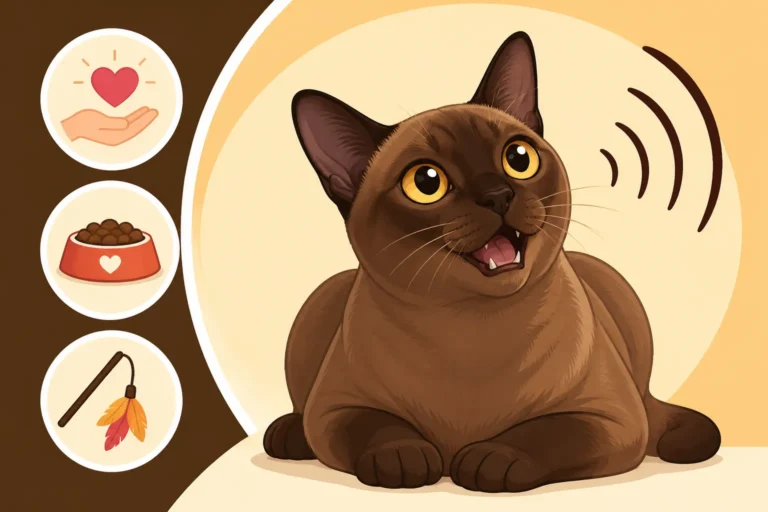
Leaving a Burmese alone for extended periods is one of the quickest ways to induce separation anxiety. This isn't just a fleeting feeling of missing you; it's a profound sense of abandonment that can manifest in various concerning ways. If you've ever come home to a house that looks like a small tornado passed through, or found puddles where they shouldn't be, it might not be naughtiness, but a cry for help from a lonely Burmese. What Separation Anxiety Looks Like in a Burmese includes excessive vocalization (which, in a Burmese, is usually a low, raspy rumble rather than a loud meow), inappropriate urination or defecation, and destructive chewing.
Imagine being gone for eight or nine hours a day, five days a week, with only brief interactions in the mornings and evenings. For a Burmese, this can feel like an eternity of isolation. They might pace anxiously, sit by the door waiting for your return, or even stop eating. This intense emotional response is why many experienced Burmese owners and breeders will tell you that a single Burmese should never be left Why a Burmese Cannot Be Left Alone All Day for long stretches. Their need for continuous presence is simply too great.
Destructive Behaviors Stemming from Loneliness
A bored or anxious Burmese isn't just unhappy; they can become destructive. When their innate need for interaction and stimulation isn't met, they'll find ways to cope, and these often aren't the ways we'd prefer. This can include scratching furniture more intensely, tearing up curtains, or even pulling out their own fur. What a Burmese Does to a House It Is Left In can be heartbreaking for owners, not just because of the damage, but because it highlights the cat's distress.
Chewing on inappropriate items, such as shoes, electrical cords, or fabric, can also be a sign of acute anxiety or boredom. It’s their way of seeking sensory input and releasing pent-up energy, often acting out frustrations. While an Amazon cat tree might provide some vertical space, it won't truly address the root cause if the cat is suffering from a lack of human engagement. These behaviors are not malicious; they are desperate attempts to self-soothe or to gain attention, even if it's negative attention upon your return.
How a Busy Household Provides Optimal Enrichment
The beauty of a busy household for a Burmese lies in its inherent capacity to provide the constant stimulation and interaction these cats crave. It's not about being loud or chaotic all the time, but about the consistent ebb and flow of human activity, the varied sounds, sights, and opportunities for engagement that a single, quiet person simply cannot replicate. For a Burmese, a home with multiple people or constant activity is like a never-ending buffet of delightful experiences.
Constant Stimulation and Interaction
Think about a household with children, teenagers, or multiple adults who have different schedules. Someone is almost always home, or coming and going, creating a dynamic environment. For a Burmese, this means a steady stream of new scents, sounds, and most importantly, potential playmates or lap-warmers. They thrive on being part of the action, whether it’s observing a family dinner, supervising homework, or "helping" with household chores. This constant, gentle hum of life is incredibly enriching.
This steady interaction means they're less likely to get bored or anxious. Even if they're not directly playing, simply being in the same room as someone, listening to conversations, or watching daily routines unfold provides immense satisfaction. A multi-person household inherently offers the varied forms of attention and engagement that prevent the loneliness a Burmese dreads. It ensures that their sharp minds and social spirits are always fed.
Multiple 'Laps' and Sources of Affection
One of the greatest benefits of a busy household for a Burmese is the availability of multiple laps and hands for petting. These cats are true lap-magnets, and they adore being cuddled, stroked, and held. In a single-person household, if that person is busy or away, the Burmese goes without. In a home with several family members, there’s almost always someone available for a snuggle. They distribute their affection widely, forming strong bonds with everyone in the household.
Consider a home where children are often playing on the floor, or teenagers are lounging on couches. These present prime opportunities for a Burmese to seek out cuddles or join in gentle play. Why a Burmese Treats Children and Dogs as More Company means they often see every resident, human or otherwise, as a potential source of love and interaction. This constant flow of affection, readily available from different family members, is paramount to their emotional well-being and helps fulfill their profound need for connection. They aren't picky; any warm body that's willing to provide a lap or a gentle scratch behind the ears is a welcome addition to their world.
Integrating a Burmese into a Multi-Person or Multi-Pet Home
Bringing a Burmese into a busy home isn't just about the number of people; it's also about how those individuals (and other pets) interact with the cat. The good news is that Burmese cats are generally incredibly adaptable and eager to become a central, beloved part of any loving family. Their inherent friendliness makes them excellent candidates for multi-generational homes, families with young children, and even households with other species.
Children and Their Role in a Burmese's Life
For many cat breeds, young children can be a source of stress. Not so for the Burmese! They often thrive in homes with children, viewing them as energetic playmates and additional sources of attention. Their patient and tolerant nature means they're usually very gentle, even with toddlers who might be a little clumsy with their affections. Instead of hiding, a Burmese is more likely to engage with children, perhaps by chasing a string toy or gently head-butting a tiny hand for pets.
It's crucial, of course, to teach children how to interact respectfully and safely with any pet, but the Burmese's forgiving temperament makes this process much easier. They appreciate the consistent activity and the sheer number of people available for interaction. A child might be reading on the floor, providing a perfect lap; another might be playing with a toy that the Burmese can "help" with. This constant, gentle engagement helps keep their minds stimulated and their social needs met, contributing to a happy, well-adjusted cat.
Other Pets as Companions
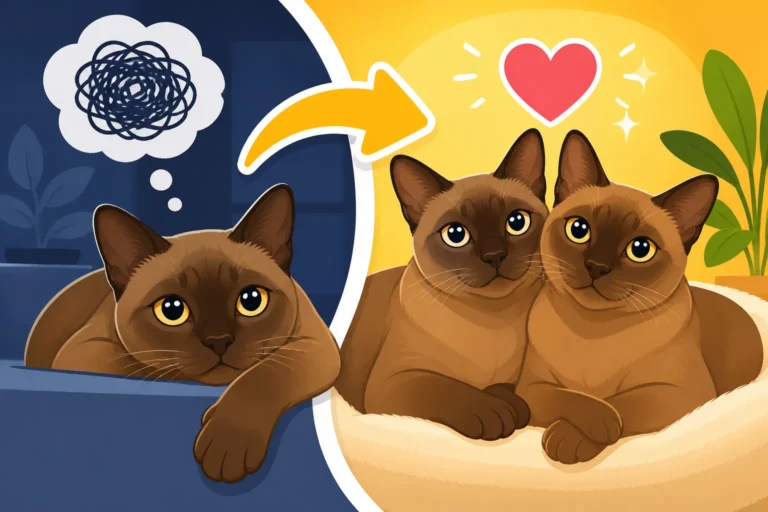
The Burmese is one of those rare breeds that often gets along famously with other pets, including other cats and even dogs. If you can't be home all day, a second Burmese, or another sociable feline, can be a fantastic solution. Why Burmese Breeders Sell Them in Pairs is a testament to this, as they understand the breed's need for constant companionship. Two Burmese cats will happily entertain each other, play together, and even sleep curled up in a tangled heap, providing much-needed social interaction when their humans are otherwise occupied.
They also tend to integrate well with cat-friendly dogs. A Burmese might even curl up with a dog for warmth or play, enjoying the companionship. Why a Burmese Curls Up Against a Dog illustrates how naturally they seek out connections. When considering another pet, look for animals with a calm, friendly disposition that won't be overwhelmed by the Burmese's forward and affectionate nature. Introducing them slowly and positively will pave the way for a harmonious multi-pet household. The key is to provide enough social outlets, whether human or animal, to satisfy their insatiable need for company.
Managing Energy and Attention in a Lively Environment
Even in a busy household, it’s important to intentionally manage your Burmese's energy and ensure they receive specific, focused attention. A bustling home is great for ambient stimulation, but they still need dedicated playtime and mental engagement from their primary caregivers. This isn't just about keeping them physically active; it's about strengthening your bond and exercising their intelligent minds.
Structured Play and Mental Stimulation
While a Burmese will happily participate in whatever the family is doing, they also benefit immensely from structured play sessions. These don’t need to be long, but they should be consistent and engaging. Think about interactive toys, like wand toys or laser pointers, that mimic hunting behaviors. How Much Play a Burmese Still Demands at Ten years old can still be significant, proving their kittenish energy lasts well into adulthood. Even a quick 15-minute session before you leave for work or when you return home can make a huge difference in their overall well-being.
Puzzle feeders are another excellent tool for mental stimulation, especially for a breed prone to being food-motivated and, unfortunately, prone to diabetes if left unchecked. You can find a wide variety of puzzle feeders on Amazon that require your Burmese to use their problem-solving skills to extract treats or a portion of their meal. This not only keeps their brains active but also slows down their eating, which can be beneficial for their health. Rotate toys regularly to keep things fresh and exciting, preventing boredom.
Creating Safe, Engaging Spaces
Even in a busy home, a Burmese still needs their own designated safe spaces. These aren't places to hide from people, but rather spots where they can observe the action from a comfortable vantage point or retreat for a nap without being underfoot. A tall cat tree near a window overlooking the garden provides both entertainment and a sense of security. Shelves or cubbies where they can perch and watch the family go about their day are also highly valued.
Additionally, ensure there are warm, cozy spots for them to sleep, especially given their short, low-maintenance coats. Why a Burmese Needs Somewhere Warm to Sleep is a genuine need, as they don't have a thick undercoat to keep them insulated. A soft bed in a sunny spot, or even a cozy blanket on the couch where they can snuggle up against a family member, will be much appreciated. The goal is to integrate them fully into the family’s life while also respecting their need for comfort and a sense of belonging in their territory.
Conclusion
The unique, deeply social, and "dog-like" personality of the Burmese cat makes them an ideal companion for a busy, active household. While it might seem counterintuitive to some, the constant activity, varied interactions, and multiple sources of affection that come with a bustling home actually provide the optimal environment for a Burmese to thrive. They crave engagement, revel in participation, and genuinely suffer when left in prolonged solitude. Understanding this fundamental aspect of their nature is key to providing them with a happy, enriched life, ensuring that your beautiful Burmese isn't just a pet in your home, but a truly integrated and cherished member of the family.
Disclaimer
This article is for general informational purposes only and does not constitute professional advice. Laws, prices and regulations vary by location and change over time. Consult a qualified professional for guidance on your specific situation.