Why a Burmese Cannot Be Left Alone All Day
Many cat owners grapple with the modern dilemma of balancing work with their pet's needs, often assuming that a cat's independent nature means they're perfectly content alone for long stretches. However, for a Burmese, this common belief can lead to profound emotional distress and a host of challenging behavioral issues, causing immense frustration and heartache for both the cat and their loving owner. This comprehensive guide will explore the deep-seated reasons why a Burmese simply cannot thrive when left alone all day, offering empathetic insights and practical, actionable solutions to ensure your beloved companion's happiness and well-being.
The Inescapable Call of the "Velcro Cat"
The Burmese is famously known in the feline world as the "Velcro cat," and for good reason. Their need for companionship is not just a preference; it's an intrinsic part of their being, woven into their genetic makeup and refined over generations of selective breeding for a highly affectionate temperament. Ignoring this fundamental need is akin to denying a dog its pack – it goes against their very nature.
The Burmese: A Dog in a Cat's Body
It's a common saying among Burmese enthusiasts that they are "dogs in a cat's body," and anyone who has lived with one will immediately understand why. These cats don't just coexist with you; they actively participate in your life. If you're cooking dinner, expect a Burmese to be weaving around your ankles, perhaps even attempting to "help" by inspecting ingredients. When you settle down with a book or to watch television, they aren't content to merely share the room; they want to share your lap, your chest, or even your shoulder.
Unlike many other breeds that might greet you at the door and then wander off to their own activities, a Burmese will often follow you from room to room, a furry shadow ensuring they're always in your orbit. They thrive on being part of every human activity, big or small. This constant, unwavering presence means that when you're gone, that presence is profoundly missed, creating a void that no amount of toys or background noise can truly fill. They are not merely observing; they are engaging.
The Physicality of Their Affection
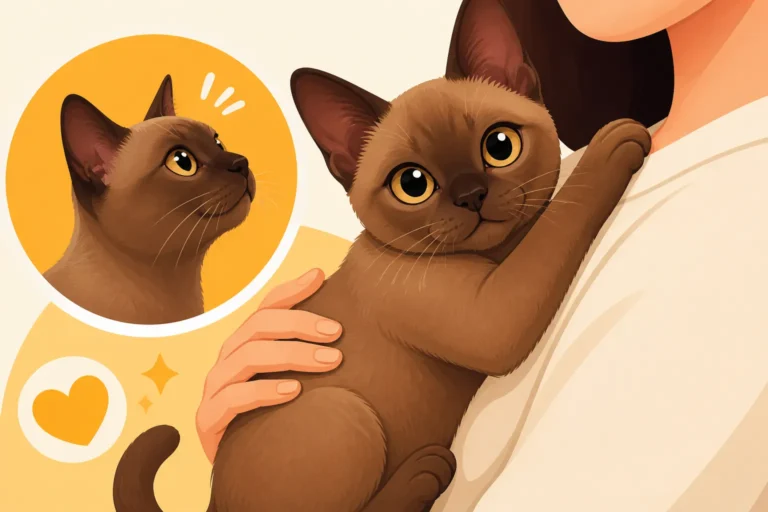
The Burmese expresses its affection not just through presence but through intense physical closeness. They are renowned for their love of cuddling, often seeking out the warmest spot right next to you, on you, or even under the covers with you. Imagine trying to read in bed, and instead of just lying at your feet, your Burmese is nestled directly under the duvet, a warm purring lump against your side or back. They will push their soft, round heads into your palm for prolonged strokes, or launch themselves onto your shoulder for a perch that allows them to be literally at eye level with you. Why a Burmese Rides on Your Shoulder
This deep need for physical contact means that solitary confinement, even in a comfortable home, can feel like a profound deprivation. They crave the warmth of a human body, the gentle stroke of a hand, the reassuring weight of another being. When left alone all day, they lose this vital sensory input, which can be incredibly unsettling for a breed so reliant on touch. They aren't just looking for warmth; they are looking for connection, and physical touch is one of their primary languages.
The Rasping Rumble: Their Constant Conversation
If a Burmese is physically affectionate, they are equally vocally communicative, though their voice is distinct. Instead of the piercing cry of a Siamese, the Burmese often employs a unique, throaty rasping rumble, a constant conversational murmur that rarely ceases when their humans are around. The Rasping Rumble a Burmese Uses Instead of a Meow This isn't just random noise; it's a dialogue. They'll greet you with it, express their desires with it, and even comment on your activities, like a continuous stream of observations bubbling up from their chest.
When you're home, this rasping rumble is a reassuring soundtrack to your day, signifying their contentment and engagement. But when they are left alone, that conversation falls silent. The absence of interaction means the absence of their primary mode of vocal expression. For a cat so accustomed to conversing with their people, this silence can be deafening and contribute significantly to feelings of isolation. They aren't just making noise; they are trying to connect, and without you, that connection is severed.
The Heartbreaking Reality of Separation Anxiety
For a cat so intrinsically linked to its human companions, extended periods of solitude aren't just inconvenient; they can trigger genuine separation anxiety. This isn't just a touch of loneliness; it's a serious emotional condition that can manifest in truly distressing ways, impacting both the cat's welfare and the harmony of the home.
Recognizing the Subtle and Overt Signs
Separation anxiety in a Burmese can show up in myriad ways, from subtle shifts in behavior to overtly destructive acts. You might come home to find that your usually fastidious cat has urinated or defecated outside the litter box, a clear sign of distress rather than a mere accident. Perhaps you notice excessive grooming, to the point of bald patches or skin irritation, as they try to self-soothe through a compulsive behavior. Another common sign is destructive chewing on furniture, wires, or fabric, an attempt to cope with anxiety or simply channel frantic energy. Some Burmese might also become withdrawn, losing their usual playful spark, or even showing changes in appetite, either eating less or overeating out of stress. What Separation Anxiety Looks Like in a Burmese
A real-life scenario might involve an owner returning after a long day to find their favorite armchair clawed, or a neatly folded laundry pile soaked. The cat, instead of running to greet them with purrs, might be hiding under the bed or seem unusually quiet and detached. These aren't acts of malice; they are desperate calls for help from a creature overwhelmed by loneliness and fear. It's crucial for owners to understand that these behaviors stem from genuine distress, not spite.
Why the Burmese is Especially Prone
The Burmese breed’s genetic lineage and the characteristics breeders have cultivated mean they are particularly predisposed to forming intense bonds with humans. Unlike a feral cat or a more independent breed, the Burmese has been selectively bred to be highly sociable and dependent on human interaction. This isn't a flaw; it's part of what makes them such captivating and affectionate companions. However, this deep capacity for attachment comes with a vulnerability: the potential for profound distress when that attachment is broken, even temporarily.
Their development has fostered a cat that relies heavily on its human 'pack' for comfort, security, and mental stimulation. They haven't evolved the robust self-sufficiency mechanisms that enable other cats to cope with long periods of solitude. Their entire emotional architecture is built around companionship, making isolation a fundamentally unnatural state for them. This inherent predisposition makes separation anxiety a far greater risk for a Burmese than for many other feline breeds.
The Cycle of Stress and Unhappiness
When a Burmese experiences chronic separation anxiety, it sets off a devastating cycle of stress and unhappiness that impacts every aspect of their life. The repeated stress of daily departures and long periods alone elevates their cortisol levels, which can suppress the immune system and make them more susceptible to physical ailments. You might see a cat develop recurring digestive issues, or urinary tract problems, all stemming from persistent anxiety. Beyond the physical, the emotional toll is immense; a cat constantly worried about its human's return can never truly relax or feel secure in its own home.
This continuous state of low-level panic can lead to a general decline in their quality of life, eroding their natural playfulness and zest for life. For the owner, witnessing these behaviors can be equally heartbreaking and frustrating, sometimes leading to a breakdown in the human-animal bond if the underlying cause isn't understood. The cycle can even escalate to the point where owners, not realizing the root cause, may consider rehoming, tragically shortening the lifespan and happiness of a cat that just needed more companionship. Why a Burmese's Appetite Goes When It Is Unhappy
A Mind and Body Built for Interaction, Not Isolation
The Burmese isn't just a pretty face; they possess a keen intelligence and an enduring playful spirit that demands constant engagement. Their physical and mental makeup are geared towards interaction, making a solitary existence a recipe for profound dissatisfaction and behavioral problems.
The Intelligent Playmate Who Never Grows Old
One of the most charming traits of the Burmese is their eternal kitten-like energy and curiosity, which often persists well into their senior years. While many cats slow down significantly by age seven or eight, a fifteen-year-old Burmese might still be chasing a feather wand with the enthusiasm of a youngster. A Burmese Is Still Playing at Fifteen Their intelligence means they quickly master games like fetch, can learn a variety of tricks, and enjoy the mental challenge of interactive play. They are keen observers and quick learners, constantly seeking out novel experiences and engaging with their environment.
This sharp mind requires stimulation. Without it, their intelligence can turn inward, leading to boredom and destructive habits. They don't just want to play; they want to play with you. A simple ball of yarn might hold their attention for a minute, but a consistent game of fetch with their human is where their joy truly lies. They thrive on the back-and-forth, the anticipation, and the shared experience of play, something a lonely house cannot provide.
When Boredom Becomes Destructive
A Burmese left without adequate mental and physical outlets will, almost inevitably, find their own entertainment – and it’s rarely something you’ll appreciate. Their high intelligence and boundless energy, when unchanneled, can quickly turn destructive. You might find them systematically exploring every cabinet, knocking items off shelves just to see them fall, or unrolling an entire toilet paper roll for sport. Chewing on electrical cords, scratching furniture, or relentlessly targeting house plants are all common manifestations of a bored and anxious Burmese.
Imagine coming home to find a curtain shredded, or a prized houseplant completely denuded, soil scattered across the floor. These are not acts of defiance; they are often desperate attempts to alleviate profound boredom and anxiety. The physical damage to your home can be significant, but the real cost is the distress your cat is experiencing. A bored Burmese is not a happy Burmese, and their efforts to self-entertain can be costly in more ways than one. What a Burmese Does to a House It Is Left In
The Pursuit of Human-Centric Activities
While there's a vast market for automated toys and self-playing gadgets, a Burmese often gives them short shrift when a human is available. They prioritize interaction with people above almost anything else. A laser pointer is fascinating, but only if you are the one holding it and directing the dot. A battery-operated mouse might get a brief sniff, but it quickly loses its appeal if it doesn't lead to a shared game or a moment of connection with their person. They're not just playing; they're playing with you.
This human-centric play drive means that even the most expensive and ingenious solitary toys have a limited capacity to entertain a Burmese for hours on end. They understand that the true fun comes from the shared experience, the verbal encouragement, and the physical interaction with their beloved human. When you're absent, even a room full of toys can feel empty, underscoring their profound need for social engagement over mere distraction.
The Health Implications of a Lonely Life
Beyond the behavioral issues, leaving a Burmese alone for extended periods can have significant and detrimental effects on their physical health. The emotional stress of loneliness often manifests in tangible health problems, which can be costly and heartbreaking to manage.
Stress-Induced Physical Ailments
Chronic stress, whether from loneliness or anxiety, can wreak havoc on a cat's immune system, making them more vulnerable to a range of physical ailments. Just like in humans, prolonged stress in cats can lead to digestive upset, recurring urinary tract infections, or even exacerbate pre-existing conditions. For the Burmese, who already have a genetic predisposition to certain health issues like diabetes, stress can be a dangerous trigger. A stressed cat might comfort eat, leading to weight gain, which is a direct pathway to feline diabetes, a condition the Burmese is unfortunately Why a Burmese Is Four Times More Likely to Become Diabetic.
Furthermore, cats are masters at masking illness, a survival instinct from their wild ancestors. A withdrawn or lethargic Burmese might simply seem "quiet" to an owner, but this could be a subtle sign of an underlying health problem exacerbated by stress, or even the stress itself manifesting physically. Catching these issues early is vital, but a cat that spends most of its day alone might not exhibit symptoms clearly or consistently enough for an owner to notice until the condition is advanced.
Weight Management and Feeding Challenges
For a breed so prone to diabetes, managing a Burmese's weight is not just a preference; it's a critical component of their preventative healthcare. Why Portion Control Is Medical Care in a Burmese However, loneliness can make this a significant challenge. Owners, feeling guilty about leaving their cat alone, might be tempted to free-feed or leave out extra food as a form of "comfort." This practice can quickly lead to obesity, directly increasing their risk of developing diabetes. Anxious cats might also overeat as a coping mechanism, further complicating weight management.
Conversely, some stressed Burmese may experience a reduced appetite, leading to weight loss and nutritional deficiencies. Establishing strict, consistent meal times, which is essential for managing a Burmese's diet and preventing diabetes, becomes difficult if the cat is eating due to stress or not eating at all when alone. This delicate balance of caloric intake and scheduled meals is crucial, and a lonely cat's unpredictable eating habits can undermine even the best-laid dietary plans. Why Weight Is the Only Lever a Burmese Owner Has
The Hidden Costs of Behavioral Problems
The health implications of a lonely Burmese aren't just about vet bills for stress-induced illnesses. There's a hidden layer of costs associated with managing their behavioral problems. Damage to furniture, carpets, or personal belongings due to destructive chewing or scratching can lead to expensive repairs or replacements. Constant house-soiling requires extensive cleaning products and effort, not to mention the potential damage to flooring or subflooring.
Beyond the tangible, there are also the intangible costs. The emotional toll on an owner trying to cope with a cat exhibiting severe separation anxiety can be immense, leading to frustration, guilt, and even resentment. This breakdown in the human-animal bond can, in the worst cases, lead to the cat being rehomed, adding another layer of trauma for a creature already struggling with attachment. The initial cost savings of not getting a second cat or hiring a sitter can be quickly dwarfed by the expenses and emotional strain of a lonely, anxious Burmese. Why a Burmese Left Alone All Day Ends Up Rehomed
Smart Strategies for the Working Burmese Owner
Acknowledging that a Burmese cannot thrive when left alone all day doesn't mean that working individuals cannot own this wonderful breed. It simply means adopting smart strategies and making conscious choices to ensure their social and emotional needs are met. With a little planning and commitment, you can provide a fulfilling life for your Burmese, even if your daily schedule takes you away from home.
The Indispensable Companion Cat
The most effective, and often recommended, solution for a Burmese who would otherwise be left alone is to get them a companion. Ideally, this would be another Burmese, as they share the same deep need for companionship and thrive on mutual interaction. A pair of Burmese cats will entertain, comfort, and groom each other, significantly reducing the stress and loneliness they might experience in your absence. Why Burmese Breeders Sell Them in Pairs If another Burmese isn't feasible, a similarly social and playful breed that enjoys feline company can also be a good fit.
The key is to introduce them carefully and ensure they bond. Watching two Burmese tumble and chase each other, or curl up together for a nap, is truly a sight to behold and offers immense reassurance that their social needs are being met. This isn't just a convenience for you; it's a profound act of kindness for your cat, providing them with a constant, living presence that no toy or human substitute can truly replicate. It genuinely doubles their joy and halves their anxiety. Why Two Burmese Cost Less Than One Anxious One
Harnessing Technology and Enrichment Toys
While no toy can replace a companion, modern technology and well-chosen enrichment toys can certainly help fill some of the gaps during your absence. Puzzle feeders are excellent for engaging a Burmese's intelligence and slowing down their eating, turning mealtime into a mental exercise. Which Puzzle Feeder Slows a Greedy Burmese Down Look for sturdy, multi-level puzzle feeders on Amazon that release treats slowly, providing prolonged engagement. Interactive toys that move on their own or offer enticing sounds can also provide intermittent stimulation.
Consider setting up "cat TV" – a YouTube channel showing birds or squirrels – on a tablet or smart TV, or leaving on some calming music or a talk radio station. While these aren't substitutes for social interaction, they can provide background noise and visual interest, making the house feel less empty. Regular rotation of toys, ensuring there’s always something new and exciting, can also keep their curious minds engaged. Don't forget vertical spaces like cat trees or wall-mounted shelves, which offer climbing opportunities and high vantage points for observation. Many excellent options for these can be found on Amazon.
The Value of Human Proxies: Sitters and Day Care
If getting a second cat isn't an option, or even if it is, consider supplementing their care with human proxies. A professional pet sitter who visits your home once or even twice a day can make a world of difference. These visits provide not just food and litter box maintenance, but also crucial social interaction, playtime, and a watchful eye for any signs of distress or illness. For a highly social Burmese, these check-ins break up the long hours of solitude and offer much-needed human connection.
In some areas, cat-friendly day care facilities are becoming more common. These environments can provide supervised play and social interaction with other cats or human caregivers. While not suitable for every cat, a highly social and confident Burmese might thrive in such a setting. If these aren't available or feasible, enlisting a trusted friend, family member, or neighbor to pop in for playtime and cuddles can also significantly alleviate loneliness. The goal is to ensure that a significant portion of their day involves direct engagement, even if it's not always from you.
Why Two Burmese Truly Are Better Than One
The advice to get two Burmese cats, rather than just one, often comes directly from experienced breeders and long-time owners. This isn't just about increasing sales; it's based on a deep understanding of the breed's intrinsic social needs and how best to ensure their lifelong happiness. For a Burmese, a companion isn't a luxury; it's often a necessity for their emotional well-being.
Built-in Companionship from Day One
Bringing home a pair of Burmese kittens, ideally siblings or two kittens raised together, provides them with built-in companionship from the very start. They already have a bond, a shared history, and a natural instinct to play, groom, and sleep together. This immediate companionship means they never experience the profound isolation that a single Burmese kitten might face when its human family leaves for the day. They learn social cues from each other, engage in wrestling matches, and comfort each other during moments of uncertainty.
This shared experience is invaluable during their formative months, teaching them appropriate play behaviors and reinforcing their social nature. Instead of waiting for their human to return for interaction, they have a constant playmate and cuddle buddy. Breeders often observe that paired kittens are more confident, settle into new homes faster, and show fewer signs of stress compared to single kittens, simply because they are never truly alone. Why a Burmese Breeder Recommends Buying a Pair
Halving the Anxiety, Doubling the Joy
When a Burmese has a companion, the burden of loneliness and potential separation anxiety is significantly reduced. Instead of pacing or fretting by the door, two Burmese might be engaged in a spirited game of chase, curled up napping together, or simply enjoying each other's presence. They provide mutual comfort and security, acting as a buffer against the stress of human absence. This often translates into less destructive behavior, fewer inappropriate eliminations, and generally a more relaxed and contented household.
The joy of watching two Burmese interact is truly something special. Their playful antics, shared naps, and constant grooming of each other create a dynamic and enriching environment. For the owner, this peace of mind is invaluable, knowing that even when you're not there, your beloved pets are not suffering from isolation. It allows them to fulfill their deep-seated need for connection and shared experience, turning a potentially stressful situation into one of contentment and happiness. Why Two Burmese Settle Each Other
Practicalities of a Multi-Burmese Household
While the idea of two cats might seem like double the trouble, in the case of Burmese, it often means less trouble in terms of behavioral issues. Yes, you'll need two litter boxes (the general rule is one per cat plus one extra), and adequate food and water bowls. However, the emotional and behavioral benefits far outweigh these minor logistical considerations. The reduced incidence of destructive behavior, inappropriate elimination, and stress-related illnesses can actually save you money and heartache in the long run.
Moreover, a pair of Burmese will often share toys, cat trees, and even carriers, making daily life surprisingly manageable. Their shared activities mean less individual attention is needed for pure entertainment, freeing you up to simply enjoy their company. Many owners find that the increased happiness and reduced anxiety of having two Burmese make the slight increase in daily care minimal compared to the profound positive impact on their cats' lives. The investment in a second Burmese is often an investment in the well-being of both cats, ensuring a harmonious and joyful home.
Crafting a Home Environment That Nurtures Social Cats
Beyond providing companionship, creating a stimulating and secure home environment is crucial for a social breed like the Burmese. Even with a companion, thoughtful environmental enrichment can further enhance their quality of life, ensuring they remain mentally engaged and physically active, whether you're home or away.
Vertical Spaces and Engaging Layouts
Burmese cats, despite their stocky build, love to climb and explore. Providing ample vertical space through cat trees, wall-mounted shelves, and even clear paths on bookshelves can significantly enrich their environment. These elevated perches offer secure vantage points from which they can observe their domain, providing mental stimulation and a sense of security. A tall cat tree with multiple levels and scratching posts (available on Amazon in various styles) can be a central hub for play and relaxation.
Consider placing these vertical elements near windows, allowing your Burmese to indulge in "cat TV" – watching birds, squirrels, and neighborhood activity. This visual stimulation can be incredibly engaging, keeping their minds active and preventing boredom. The ability to move up and down, explore different heights, and survey their surroundings caters to their natural instincts and prevents the stagnation that can arise from a flat, uninspired environment.
Interactive Feeding and Water Stations
For a breed so prone to diabetes and with such a strong food drive, interactive feeding stations are a godsend. These aren't just toys; they are essential tools for slowing down eating, providing mental stimulation, and preventing obesity. Puzzle feeders, lick mats, or slow-feeder bowls (all easily found on Amazon) make your Burmese work for their meals, transforming eating from a quick gulp to an engaging activity. This not only promotes healthier digestion but also provides a form of enrichment when you're not around. Why a Puzzle Feeder Helps a Diabetes Prone Burmese
Encouraging proper hydration is equally important, especially for a breed susceptible to urinary issues. Water fountains, which circulate and filter water, often entice cats to drink more than still bowls. The moving water is appealing to their instincts and helps ensure they stay well-hydrated throughout the day. Placing multiple water sources in different locations around the house also makes hydration more accessible and appealing.
The Rituals of Departure and Return
Establishing consistent rituals around your departures and returns can significantly reduce anxiety in a social cat. Instead of a dramatic goodbye, which can heighten their distress, aim for a calm and understated departure. Provide a favorite toy or a puzzle feeder as a distraction just before you leave. Similarly, upon your return, resist the urge for an overly enthusiastic greeting if your cat is anxious. Acknowledge them calmly, allow them to settle, and then engage in dedicated playtime or cuddle sessions after they've had a moment to decompress.
Consistency is key. Burmese cats thrive on routine, and knowing what to expect can greatly reduce their stress. A predictable schedule for meals, playtime, and quiet time helps them feel secure and understand that your departure is temporary and your return is guaranteed. Incorporating structured play sessions before you leave and immediately upon your return ensures they get their daily dose of human interaction, making the hours in between more bearable.
Disclaimer
This article is for general informational purposes only and does not constitute professional advice. Laws, prices and regulations vary by location and change over time. Consult a qualified professional for guidance on your specific situation.