Why Two Burmese Settle Each Other
It's a common scenario: you fall in love with a Burmese kitten, captivated by their charm and affectionate nature, and bring them home with dreams of a devoted companion. But then, as the weeks turn into months, you might start noticing something concerning. That incredibly loving, people-oriented little cat seems… stressed. They might be following you relentlessly, howling when you leave the room, or even acting out in ways you never expected. The truth is, while a single Burmese can thrive in certain very specific circumstances, this breed often does best with a companion, and this guide will explore exactly why two Burmese cats settle each other, leading to a happier home for everyone.
Understanding the Burmese Need for Company
The Burmese is truly unlike many other cat breeds when it comes to their social needs. They aren't just fond of company; they often require it to truly flourish. Their entire disposition is geared towards interaction and being part of the action, which means a solitary life can be deeply unsettling for them.
The "Velcro Cat" Persona
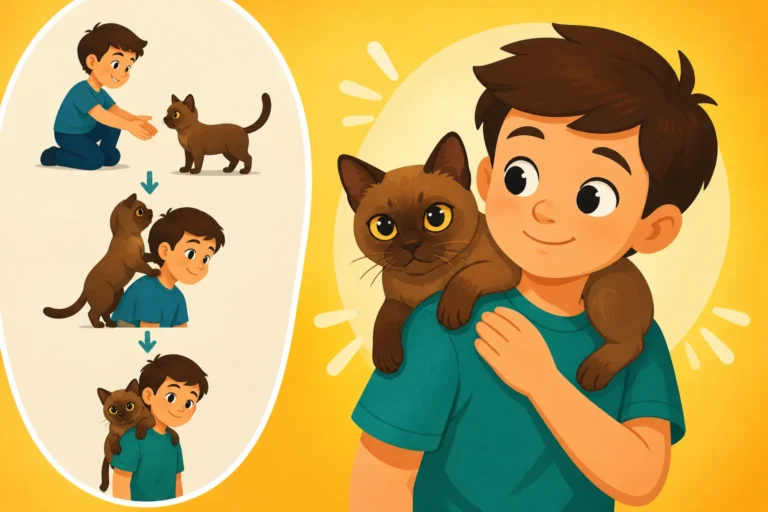
If you've spent any time researching the Burmese, you've likely heard them described as "Velcro cats." This isn't just a cute nickname; it’s a deeply accurate descriptor of their personality. They genuinely want to be where you are, doing what you're doing. Whether you're working, relaxing, or even sleeping, your Burmese will likely be right there, often draped across your lap, shoulder, or snuggled under the covers. This intense desire for connection is part of their charm, but it also highlights a critical need. They are not independent creatures content to observe from a distance; they want to be immersed in your life. The Burmese Is the Velcro Cat of the Cat Fancy speaks volumes about this inherent trait. This constant need for physical and emotional presence means that when their primary human companion is unavailable, the void can feel immense and distressing. They don't just miss you; they experience a genuine sense of loss and isolation.
Signs of a Lonely Burmese
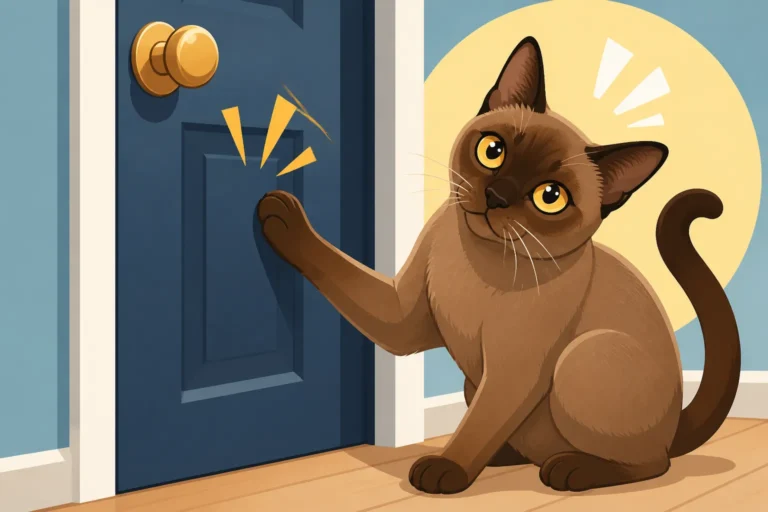
A Burmese cat left alone for extended periods might develop a range of concerning behaviors that are often misinterpreted as naughtiness or stubbornness. The reality is, these are usually distress signals. One of the most heartbreaking signs is excessive vocalization – not their usual happy chatter, but a mournful, insistent cry that can escalate into a full-blown howl. What Separation Anxiety Looks Like in a Burmese is often mistaken for simple boredom, but it goes much deeper. They might become destructive, scratching furniture or pulling at carpets, not out of malice, but as an outlet for their anxiety. Some lonely Burmese cats may even resort to over-grooming, pulling out their beautiful satin coat until patches become sparse, a clear sign of stress. In more severe cases, they might begin spraying, even if they are neutered and perfectly litter-trained, as a desperate attempt to mark their territory and alleviate their feelings of insecurity. A common sign you might overlook is a change in appetite; an anxious cat might eat too fast, or conversely, refuse to eat when alone.
The Instinctive Need for a Companion
While domesticated over thousands of years, cats still retain many of their wild instincts. For some breeds, this means a solitary hunting life, but for the Burmese, their lineage points to a more communal past, or at least a highly adaptable one that thrives on social interaction. They mature quickly but retain a kittenish playfulness well into old age, and that playful energy needs an outlet. They instinctively seek out warmth and comfort, often piling together with littermates or their mother, a habit that continues into adulthood. This innate desire for physical closeness and shared activity means that another cat, especially another Burmese, fulfills a deeply ingrained need. It's not just about having a cat; it's about having the right kind of companion. How Many Hours Alone a Burmese Tolerates is far fewer than many other breeds, highlighting this fundamental difference in their social makeup.
How a Second Burmese Provides Solace
Bringing a second Burmese into your home isn't just about doubling the cuteness (though it certainly does that!). It's about providing a profound sense of security, companionship, and enrichment that a single Burmese often struggles to find.
Shared Play and Mental Stimulation
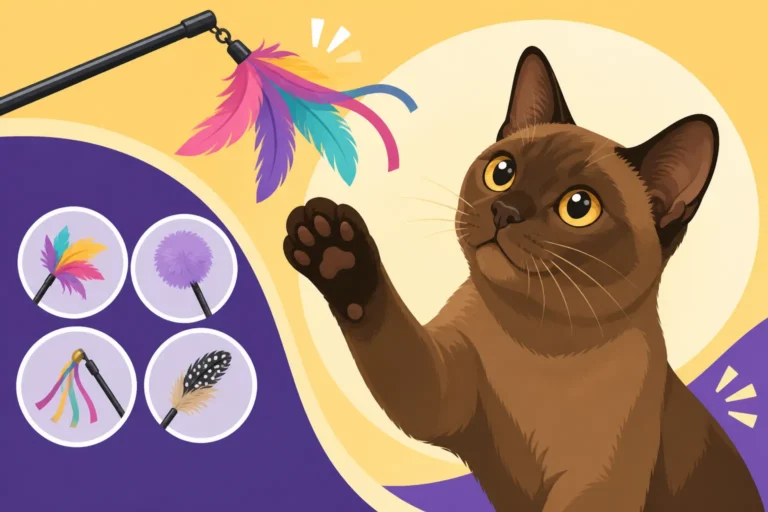
One of the most immediate benefits of a second Burmese is the constant source of entertainment they provide for each other. You'll witness them chasing, wrestling, pouncing, and grooming each other for hours on end. This isn't just adorable to watch; it's vital for their physical and mental well-being. A single Burmese, even with a dedicated owner, can't replicate the dynamic, spontaneous play that two cats engage in. This shared activity burns off excess energy, preventing it from being channeled into destructive behaviors. They develop their own games, teach each other new tricks, and keep their minds sharp through constant interaction. Even an older Burmese, who might seem less inclined to play alone, can be re-invigorated by the presence of a playful younger companion. How Much Play a Burmese Still Demands at Ten is still significant, and a companion can help meet that need. This isn't just about physical activity, either; the mental stimulation of navigating social dynamics, understanding each other's cues, and engaging in cooperative play is immense.
Comfort and Security in Numbers
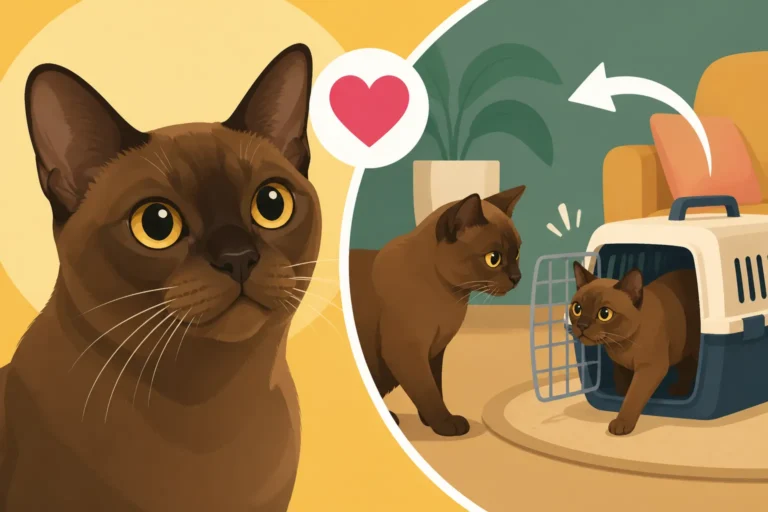
Imagine being left alone in a large house all day, every day. Even with food and toys, it can be a lonely and anxiety-inducing experience. For a Burmese, this feeling is amplified. A companion cat offers a constant, reassuring presence. They curl up together for naps, groom each other, and simply exist in close proximity, providing a profound sense of security. This bond helps to reduce separation anxiety when you're not home, as they have each other for comfort. When one cat is feeling a bit nervous, the presence of the other can be incredibly calming. They become a unit, a little pack that navigates the world (or at least your living room) together. This innate desire for a "buddy" is a key reason why Why Burmese Breeders Sell Them in Pairs is such common advice. This mutual comfort means less stress hormones coursing through their bodies, leading to a healthier, more balanced emotional state.
Maintaining Routines and Reducing Stress
Cats, especially Burmese, thrive on routine. When you're the sole source of their routine and interaction, any deviation can be incredibly stressful. With two Burmese, they create a mini-ecosystem of their own. They might nap together at certain times, instigate play sessions at others, and generally provide a more consistent daily rhythm for each other. If your schedule fluctuates, having a companion means your Burmese isn't solely dependent on your availability for interaction. This stability helps to significantly reduce overall stress levels. Think of it this way: when you're away at work, instead of waiting anxiously by the door, your Burmese has a friend to hang out with. This dramatically lessens the chance of them acting out. Why a Second Cat Fixes Most Burmese Problems is largely due to this ability to maintain a more consistent and enriching environment, even in your absence.
Practical Considerations for Bringing Home a Second Burmese
Deciding to bring a second Burmese into your life is a wonderful step, but it's important to approach it thoughtfully to ensure a smooth transition for everyone involved.
Choosing the Right Companion
While two Burmese cats are often a match made in heaven, a few considerations can make the pairing even more successful. Generally, a Burmese will get along well with another cat, especially another Burmese. They tend to be very accepting. When it comes to age, introducing a kitten to an existing adult Burmese often works well, as the older cat can "mentor" the younger one. However, bringing two kittens home together is also an excellent option, as they grow up as inseparable companions. Gender is less critical than temperament, but two neutered males or a male and female pair often do beautifully. The most important thing is to consider the personality of your existing Burmese. If they are particularly dominant, a more submissive or calm companion might be a better fit. Conversely, a very shy Burmese might benefit from a slightly more outgoing, but not overwhelming, friend. Which Cats Are Sociable Enough for a Burmese includes other breeds, but another Burmese often has the most compatible energy levels.
The Introduction Process
A slow, patient introduction is key to fostering a positive relationship between two cats. Don't just plop the new cat down and expect instant friendship. Start by confining the new Burmese to one room with their own food, water, litter box, and bed. Allow them to decompress and get used to their new surroundings. For the first few days, focus on scent swapping: swap blankets, beds, or even rub a cloth on one cat and let the other sniff it. This helps them get used to each other's smell. Next, allow supervised visual contact through a baby gate or screen door, keeping these interactions short and positive, often paired with treats or meal times. Gradually increase the duration of these meetings, always supervising closely. If any aggression occurs, separate them and go back a step. It can take weeks, or even a few months, for cats to fully accept each other, but the patience pays off immensely. Remember, some cats may never be best friends, but harmonious co-existence is a perfectly achievable and positive outcome.
Managing Resources for Two
Having two cats means you'll need to double up on certain essentials, but it's more about ensuring abundance than strict duplication.
Food: It's often best to feed cats separately, especially in the initial stages, to prevent competition and ensure each cat is getting their appropriate portion. Why Portion Control Is Medical Care in a Burmese is critical, as they are prone to diabetes, so free-feeding is almost always a bad idea, especially with two cats who might steal from each other.
Litter Boxes: The general rule of thumb is one litter box per cat, plus one extra. So, for two Burmese, aim for three litter boxes. This prevents territorial disputes and ensures cleanliness.
Scratching Posts & Beds: Provide multiple scratching posts (both vertical and horizontal) and plenty of comfortable sleeping spots. While they may choose to share a bed, having options reduces potential friction. Investing in some interactive toys they can play with together, or even solo toys (many good options on Amazon), will keep them stimulated.
Space: Ensure there's enough vertical space, like cat trees or shelves, for them to retreat to if they need a moment alone. Even the most bonded cats appreciate their own personal space from time to time.
The Long-Term Benefits of a Burmese Pair
The investment of time, effort, and resources into bringing two Burmese cats together pays dividends over their entire lifespan, enhancing their well-being and enriching your home.
Healthier and Happier Lives
A Burmese with a companion is generally a healthier and happier cat. Reduced stress means a stronger immune system and a lower likelihood of stress-related illnesses. When cats are constantly anxious, their bodies are under chronic strain, which can manifest in various health problems. A contented cat is less likely to engage in harmful self-soothing behaviors like over-grooming, and their appetite tends to be more regular. They also keep each other physically active through play, which is crucial for maintaining a healthy weight – a significant factor in preventing conditions like diabetes, to which the Burmese breed is particularly susceptible. Observing two Burmese interact, grooming each other, and snuggling, you'll see a profound sense of contentment that's simply harder for a single, lonely Burmese to achieve.
Less Destructive Behavior
As mentioned earlier, many "bad" behaviors in a lone Burmese are actually cries for help stemming from boredom or anxiety. When they have a companion, much of that energy and emotional need is redirected. Instead of scratching your couch, they might be wrestling with their sibling. Instead of crying mournfully at the door, they might be chasing each other through the house. The shared activity and emotional support reduce the internal pressure that drives destructive behavior. This means less damage to your home, less frustration for you, and a more peaceful environment for everyone. What a Burmese Does to a House It Is Left In can be heartbreaking, and a companion is often the simplest, most effective preventative measure. Ultimately, this can save you money on repairs and replacements, turning the initial cost of a second cat into a long-term investment in your home's integrity and your peace of mind. Why Two Burmese Cost Less Than One Anxious One is a phrase you'll understand completely once you see the difference.
Enriched Human-Cat Bond
It might seem counterintuitive, but having two Burmese often strengthens your bond with them, rather than diluting it. When your cats are happy, relaxed, and well-adjusted, they are better able to engage with you in positive ways. They'll still want your cuddles and attention, but it will be out of joy and affection, not desperate need. You'll observe their unique personalities shining through as they interact with each other and with you, creating a dynamic and engaging household. The sheer joy of watching them together, witnessing their intricate social dance, and seeing their contentment is incredibly rewarding. You're not just providing a home; you're facilitating a truly enriched life for these wonderful creatures, and that understanding deepens the love you have for them. A happy, well-adjusted pair of Burmese cats will bring endless entertainment, comfort, and love into your life, making your home a truly vibrant and affectionate space.
Disclaimer
This article is for general informational purposes only and does not constitute professional advice. Laws, prices and regulations vary by location and change over time. Consult a qualified professional for guidance on your specific situation.