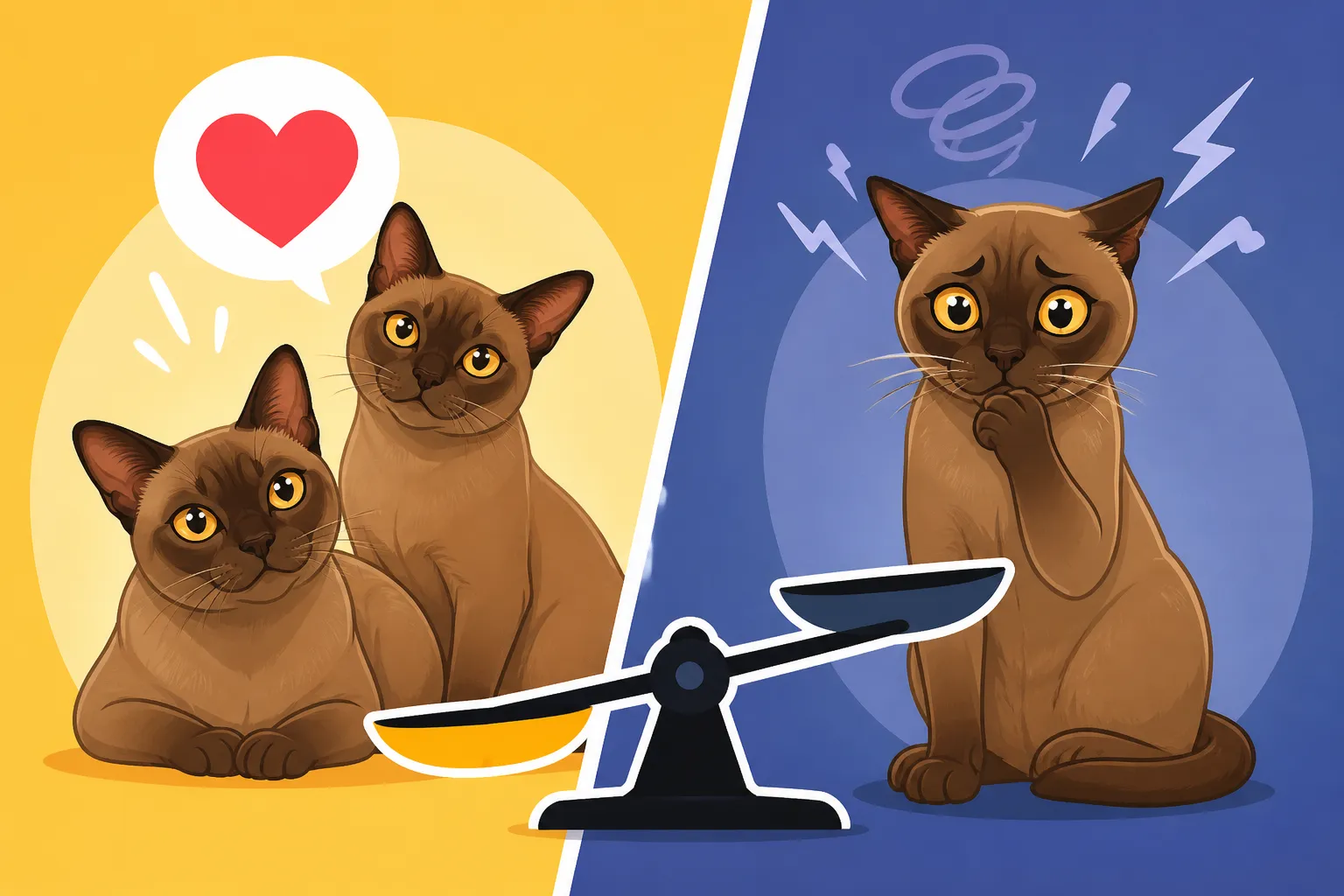
Why Two Burmese Cost Less Than One Anxious One
It's a common misconception among new cat owners that getting one cat is cheaper than two. While that might hold true for some independent breeds, for a Burmese, this line of thinking can lead to heartache and a surprisingly expensive journey. If you're considering bringing a Burmese into your life, or already have one and are struggling with behavioral issues, this guide will illuminate why a single, lonely Burmese often incurs more costs, both financial and emotional, than a happy, harmonious pair.
The Inherent Social Needs of the Burmese Cat
The Burmese cat isn't just a pet; it's a sentient companion that thrives on interaction. Their social nature is perhaps their most defining characteristic, making them utterly distinct from many other feline breeds. Ignoring this fundamental need can lead to a host of problems that ultimately cost more than simply embracing their desire for company.
The Velcro Cat Persona
You've probably heard the term "Velcro cat" bandied about, and for the Burmese, it couldn't be more accurate. These aren't the aloof, independent felines who tolerate your presence. No, a Burmese wants to be with you, on you, and actively involved in everything you do. They'll follow you from room to room, perch on your shoulder while you cook, nestle on your lap while you read, and burrow under the covers with you at night. This isn't just a cute quirk; it's an ingrained part of their personality. Their need for physical closeness and constant interaction is profound and deeply rooted in their breed's temperament.
This intense desire for connection means they thrive on constant engagement. If you're home, they want to be your shadow, offering a soft head-butt or a gentle nudge to remind you of their presence. They communicate with a unique, The Rasping Rumble a Burmese Uses Instead of a Meow, letting you know their thoughts and desires. This isn't just an occasional craving for affection; it's a pervasive, all-day need for social and physical contact. For a single person with a busy life, providing this level of constant interaction can be an enormous challenge, often leading to a companionship deficit for the cat.
Why a Burmese Cannot Thrive Alone
To put it plainly, a Burmese cat is not designed for solitude. While some cats might enjoy long stretches of quiet reflection, a Burmese left alone for extended periods will often suffer. This isn't about being pampered; it's about a deep-seated instinct for companionship that, when unmet, can manifest in genuine distress. They are often described as having "dog-like" personalities precisely because of this intense loyalty and dependency on their human family.
Many ethical Burmese breeders will actually stipulate in their contracts or strongly advise that if you work long hours or have a quiet household, you should consider purchasing two kittens rather than one. They understand that Why a Burmese Cannot Be Left Alone All Day is not just a preference, but a welfare issue. A single Burmese, devoid of constant interaction, can experience significant emotional distress, boredom, and anxiety, which can pave the way for a myriad of undesirable and costly behaviors. It's a sad truth that a cat bred for companionship will feel its absence keenly.
The Visible and Hidden Costs of a Lonely Burmese
When a Burmese cat's profound social needs aren't met, the emotional distress they experience rarely remains hidden. Instead, it often spills over into behaviors that can be destructive, heartbreaking, and financially draining.
Behavioral Manifestations and Property Damage
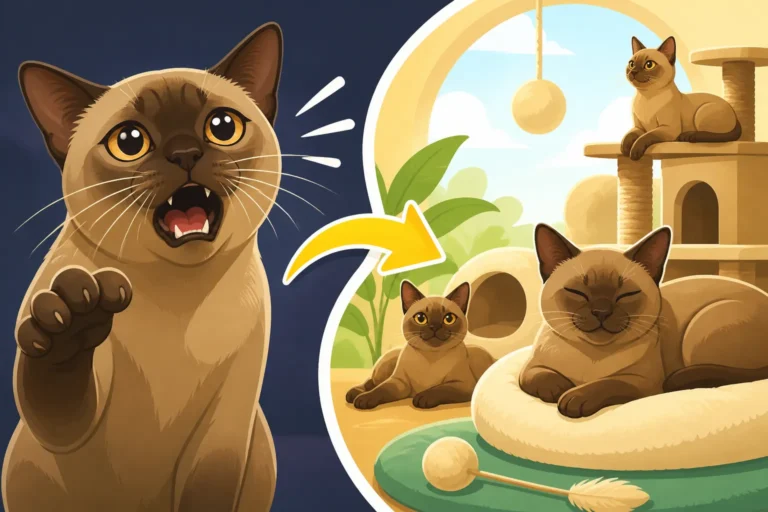
Imagine coming home after a long day, only to discover that your beautiful Burmese has decided to redecorate your home. This might involve extensive claw marks on your brand-new sofa, shredded curtains dangling in tatters, or even urine marking on walls or furniture. These aren't acts of defiance; they are often desperate cries for attention or symptoms of severe stress and anxiety. A bored or lonely Burmese will find ways to occupy itself, and unfortunately, those ways can be incredibly destructive to your property. They might target items that carry your scent, attempting to "hold onto" you, or simply lash out at their environment in frustration.
The cost of replacing or repairing damaged items can escalate quickly. A new couch, custom blinds, or even expensive rugs can fall victim to a distressed Burmese. Beyond the obvious, some cats might engage in pica, chewing and ingesting non-food items, which can pose a serious choking hazard or lead to internal blockages requiring emergency veterinary care. This type of damage is not just an inconvenience; it's a significant financial burden that many single-cat owners underestimate. It's also a stark illustration of Why a Lonely Burmese Pulls Its Satin Coat Out, a distress behavior that can ruin their beautiful coat and leave them with painful skin infections. You might be constantly searching Chewy for "indestructible" toys or deterrents, trying to find a solution that often isn't about the item but the cat's underlying emotional state.
Health Issues Stemming from Stress
The ripple effect of loneliness and anxiety in a Burmese extends far beyond behavioral issues and property damage; it can significantly impact their physical health, leading to unexpected and costly veterinary interventions. Chronic stress is a known suppressor of the immune system, making your cat more vulnerable to various illnesses. For a Burmese, this often manifests as stress-induced cystitis, a painful bladder inflammation that requires immediate veterinary attention. Imagine your beloved cat straining to urinate, crying in pain, or having accidents outside the litter box – a clear sign of distress and a condition that can become chronic if the underlying anxiety isn't addressed.
Other stress-related health problems can include persistent gastrointestinal upset, such as vomiting or diarrhea, as well as excessive grooming (over-grooming), which can lead to skin lesions, infections, and even hair loss. These physical manifestations of anxiety are not minor ailments; they demand veterinary diagnosis and treatment, which can involve expensive medications, special diets, diagnostic tests like urinalysis or blood work, and multiple follow-up appointments. A single emergency visit for a severe flare-up of cystitis, for instance, could cost a considerable amount, especially if it requires hospitalization. Such costs can quickly add up, turning an already stressful situation into a significant financial strain that many pet insurance policies, even those from providers like Healthy Paws, might not fully cover, especially if it's considered a pre-existing condition after symptoms emerge. It's a heavy burden, both emotionally and financially, to watch your pet suffer due to unmet social needs. You might find yourself on the phone with your vet discussing specific behavioral medications or even specialized prescription diets, adding another layer of recurring expense to your budget.
The Financial Ripple Effect of a Single, Anxious Burmese
Beyond the immediate costs of damage and vet visits, the ongoing management of a single, anxious Burmese can create a continuous drain on your finances and personal resources. These are the costs that build up over time, sometimes unnoticed until you look at the larger picture.
Escalating Veterinary and Behavioral Costs
When a Burmese exhibits signs of loneliness or separation anxiety, such as spraying, destructive scratching, or excessive vocalization, these behaviors rarely resolve on their own. Instead, they often necessitate professional intervention, leading to a cascade of escalating costs. You might find yourself consulting with a certified feline behaviorist, whose initial consultation and subsequent follow-up sessions can involve a substantial fee. These experts may recommend a range of environmental modifications, enrichment tools, or even pharmaceutical interventions, such as anti-anxiety medications, all of which are additional recurring expenses.
Furthermore, the health issues stemming from chronic stress, as discussed earlier, demand ongoing veterinary care. Stress-induced cystitis often requires repeated visits, medication, and possibly special urinary diets. Skin infections from over-grooming might need long courses of antibiotics and anti-inflammatory drugs. These aren't one-off expenses; they're continuous drains on your budget. Diagnostic tests to rule out other medical causes for behavioral changes, such as blood panels or imaging, also contribute to the accumulating vet bills. What Diabetes Costs a Burmese Owner a Year is a significant figure, and while anxiety doesn't directly cause diabetes, chronic stress can weaken a cat's overall health and potentially exacerbate underlying predispositions to conditions like diabetes, making regular health checks and proactive care even more critical and potentially costly in the long run.
Hidden Expenses and Opportunity Costs
The financial impact of a single, anxious Burmese isn't always obvious. Beyond the direct vet bills and repair costs, there are numerous hidden expenses that can silently erode your budget. Consider the cost of specialized cleaning products for urine accidents, or even professional cleaning services needed for extensive spraying, which can be surprisingly expensive. You might also find yourself constantly purchasing new toys and enrichment puzzles from stores like Chewy, desperately hoping to distract your lonely cat, only for them to be ignored or quickly destroyed. The cycle of buying, replacing, and cleaning can feel endless.
Then there's the more intangible "opportunity cost" – the value of what you sacrifice. The constant worry about your cat's well-being can impact your own mental health, leading to stress, sleepless nights, or even a reluctance to leave home for work or social engagements. This emotional toll can indirectly affect your productivity, your relationships, and your overall quality of life. Spending countless hours trying to manage a distressed cat, rather than enjoying your time with a happy one, is a significant personal cost. The anxiety of potentially returning home to further damage or a distraught cat is a heavy burden. This often leads owners to explore solutions that bring peace back to the home, such as Bringing Home the Second Cat a Burmese Needs.
The Companionship Solution: Why Two Burmese Are Better (and Often Cheaper)
This might sound counterintuitive at first glance, but for a Burmese cat, two can genuinely be less expensive than one. The breed's unique social requirements mean that providing a feline companion can proactively prevent many of the costly problems associated with a solitary, anxious cat.
Natural Playmates and Stress Reduction
The transformation in a household with two Burmese cats, compared to one lonely one, is often remarkable. Suddenly, your resident Burmese has a constant companion – a playmate for energetic romps, a wrestling partner, and a warm, purring body to snuggle with during naps. Burmese cats typically adore having another feline friend; it taps into their natural social instincts and provides an outlet for their abundant energy and affection. Instead of directing their stress or boredom towards destructive behaviors or incessant vocalization, they channel it into healthy, interactive play and mutual grooming. It's often said that Why Two Burmese Settle Each Other because they simply complete each other's social world.
The sound of two Burmese chasing each other through the house, engaging in mock battles, or sharing a sunbeam nap is a testament to the power of companionship. They fulfill each other's needs for physical contact and mental stimulation in ways a human, no matter how devoted, simply cannot provide 24/7. This dramatically reduces the likelihood of stress-induced behavioral problems like spraying, excessive scratching, or over-grooming. When their social needs are met by another cat, their dependence on you, the sole source of interaction, lessens, allowing you to leave the house without the crushing guilt or the fear of returning to chaos. This profound reduction in stress translates directly into fewer health problems and a happier, more stable feline.
Shared Costs and Reduced Damage
While the idea of adding a second cat might conjure images of doubled expenses, the reality for Burmese owners can be surprisingly different, especially when you factor in the avoided costs of a single anxious cat. Yes, you'll have a slight increase in food and litter, and potentially a bit more for routine preventative vet care. However, the significant expenses of behavioral consultations, specialized medications for stress-related illnesses, and, most notably, property damage often vanish or are drastically reduced.
Consider the potential savings: no more shredded curtains, scratched furniture, or urine-stained carpets. The adage Why Two Burmese Halves the Damage Bill rings true for many who've experienced the destructive power of a lonely Burmese. Resources like cat trees, scratching posts, and even some toys can be shared, making those investments more efficient. While high-quality, low-carbohydrate food is essential for a Burmese due to their predisposition to certain health issues, the overall financial burden of treating anxiety-related health problems far outweighs the marginal increase in daily care for two harmonious cats. You're effectively investing in prevention, which almost always proves to be more cost-effective than constant reaction and repair.
Here's a simplified comparison of potential costs:
| Expense Category | Single Anxious Burmese (Potential High Costs) | Two Harmonious Burmese (Potential Lower Costs) |
|---|---|---|
| Initial Purchase Cost | 1 Kitten Price | 2 Kitten Prices (often with a breeder discount) |
| Food & Litter | Moderate | Moderate to High (but efficient per cat) |
| Vet Bills (Stress-Related) | High (cystitis, skin issues, behavioral meds) | Low to Moderate (routine care) |
| Behavioral Consultation | High (if needed) | Low (unlikely needed) |
| Property Damage (Furniture, etc.) | Very High (replacement, repairs) | Low (shared play, less destructive) |
| Cleaning Supplies | High (for accidents) | Low |
| Pet Sitter/Boarding | Moderate (single cat) | Moderate (often two cats together for same price) |
| Total Lifetime Cost | Potentially Very High | Significantly Lower |
This table illustrates how the initial higher cost for a second kitten can quickly be offset by avoiding the much larger, ongoing expenses associated with a distressed single cat.
Navigating the Introduction of a Second Burmese
The decision to bring a second Burmese home is a big one, and while the benefits are numerous, the process of introducing a new cat requires patience, careful planning, and an understanding of feline behavior to ensure a smooth transition for everyone involved.
Careful Introductions are Key
You wouldn't expect two strangers to instantly become best friends if you just shoved them into a room together, and the same applies to cats. A slow, gradual introduction process is absolutely crucial, especially when bringing a new cat into a home with an existing Burmese, which can be sensitive to changes. Rushing the process can create conflict, stress, and potentially lasting negative associations, defeating the very purpose of getting a companion.
Begin with a period of complete separation, allowing the new cat its own "safe room" with food, water, litter, and a comfortable bed. During this time, focus on scent swapping. Rub a soft cloth on each cat and then introduce the scent to the other, allowing them to get used to each other's smell without direct contact. Gradually move to supervised visual introductions through a baby gate or a crack in the door, allowing them to eat in sight of each other. Positive reinforcement, such as treats and praise, during these brief, positive interactions helps build good associations. Let the cats dictate the pace; some may integrate within days, while others might take weeks. Patience is your most valuable tool here, ensuring that Bringing Home the Second Cat a Burmese Needs is a success, not a source of further stress.
Planning for Double the Love and Care
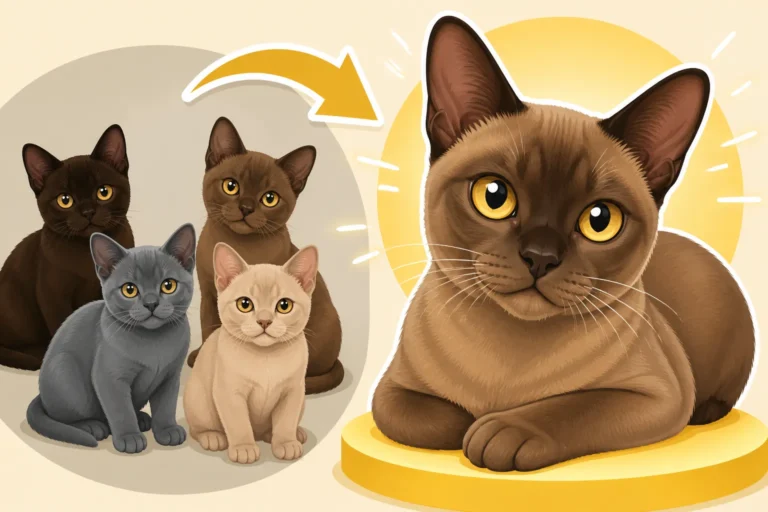
While the long-term financial benefits of having two harmonious Burmese are clear, there are indeed initial and ongoing costs that need to be considered when planning for a second cat. The purchase price of a second Burmese kitten will be an immediate expense, though many reputable breeders recognize the benefits of pairs and may offer a slight discount for littermates or two kittens going to the same home. Factor in initial veterinary costs for the new arrival, including a full vet check, necessary vaccinations, deworming, and microchipping.
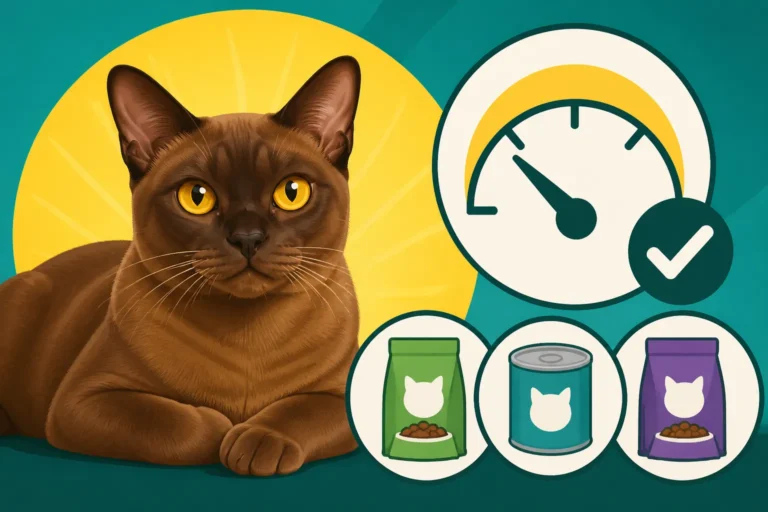
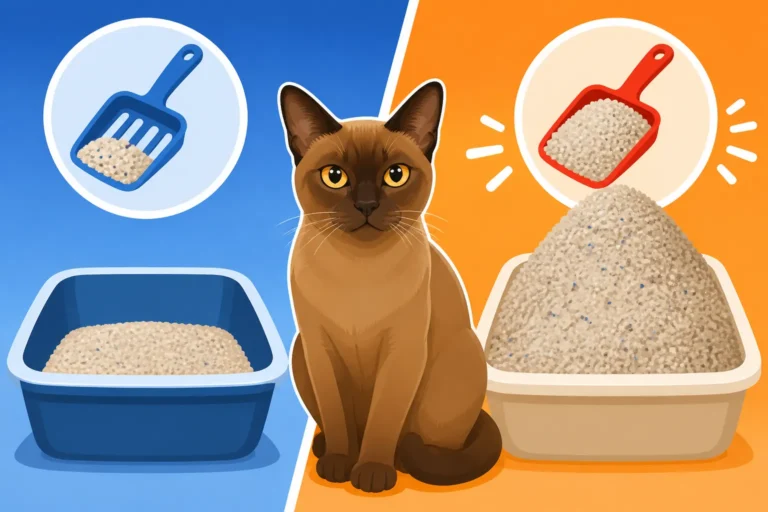
On a day-to-day basis, you will undoubtedly use more food and litter. The general rule of thumb for litter boxes is one per cat, plus one extra, so you'll likely need at least three boxes for two cats. However, because Burmese are so social, they often share everything, from toys to beds. Investing in a high-quality, balanced diet from the start can make a difference in their long-term health and prevent future complications. Even with two cats, preventative care is vital. While What a Full Burmese Genetic Panel Costs is an important consideration for a new cat, especially a Burmese, ensuring you choose a kitten from a responsible breeder who screens for common genetic conditions minimizes future health surprises. The joy and companionship two healthy, happy Burmese bring far outweigh these manageable increased costs.
Long-Term Quality of Life and Overall Savings
Ultimately, the decision to welcome a second Burmese cat into your home transcends mere financial calculations. It's about a profound investment in the well-being of your feline family members and, by extension, the tranquility of your own home.
A Happier, Healthier Household
The most significant return on your investment in a second Burmese is the dramatic improvement in the quality of life for your cats. A lonely Burmese, constantly craving interaction, can be a source of chronic worry and stress for you, and a state of perpetual anxiety for them. In contrast, a pair of Burmese, fulfilling each other's social needs, are typically a picture of contentment: playful, deeply affectionate, and incredibly bonded to both each other and their human family. This peace of mind, knowing your cats are thriving, is truly invaluable.
A Burmese that is settled and happy with a companion is far less prone to the stress-related illnesses that plague solitary cats. This means fewer emergency vet visits, less need for expensive behavioral medications, and generally a healthier, more robust pet. Their natural inclination for play continues well into their senior years; Why a Burmese Is Still Playing at Fifteen is a testament to their enduring vitality, often fueled by the presence of a playmate. The holistic impact on your household is undeniable: a calmer atmosphere, less destructive behavior, and the sheer delight of observing two magnificent Burmese interact, groom each other, and simply exist in harmonious companionship. You're not just buying another cat; you're cultivating a joyful, thriving ecosystem in your home.
The True Lifetime Value of Companionship
When you consider the full spectrum of What a Burmese Costs Over Sixteen Years, the initial investment in a second Burmese often emerges as a clear financial advantage in the long run. The significant expenses avoided—behavioral therapy, recurring vet bills for stress-induced conditions, and the constant replacement of damaged household items—frequently eclipse the modest increase in food and routine care for two cats. It's a classic example of how proactive prevention, in this case, providing essential companionship, is far more economical than constantly reacting to problems.
Beyond the monetary aspect, the true value lies in the enriched lives of your pets and the boundless joy they bring. A pair of Burmese will offer double the cuddles, double the purrs, and double the entertainment. They rely on each other for companionship, but they also extend that deep affection to their human family, creating a bond that is truly unique to this breed. You'll find that having two happy, thriving Burmese enriches your life in countless, immeasurable ways, fostering a truly harmonious and loving home for many years to come.
Disclaimer
This article is for general informational purposes only and does not constitute professional advice. Laws, prices and regulations vary by location and change over time. Consult a qualified professional for guidance on your specific situation.