Which Brands Keep a Burmese Under Its Carbohydrate Limit
It can be incredibly frustrating to navigate the overwhelming landscape of pet food, especially when you know your beloved Burmese cat has specific dietary needs due to their breed's predisposition to certain health issues like diabetes. Finding the right balance of nutrition that keeps them thriving and healthy, while also fitting into a specific carbohydrate limit, feels like a constant puzzle. This guide aims to demystify how to identify and choose cat food brands that support your Burmese's health by adhering to a crucial low-carbohydrate intake.
The Critical Role of Carbohydrate Limits for Burmese Cats
The Burmese cat, with its delightful personality and stunning satin coat, also comes with a notable genetic predisposition that makes diet a much more significant concern than for many other breeds. We're talking about diabetes, a condition that can dramatically impact their quality of life and lifespan. This isn't just about general feline nutrition; it's about understanding the unique metabolic makeup of the Burmese and proactively guarding their health.
Understanding the Unique Burmese Metabolism
Burmese cats, particularly those from certain lines, have a genetic factor that makes them less efficient at processing carbohydrates. While all cats are obligate carnivores, meaning their bodies are designed to thrive on a diet primarily of animal protein and fat, the Burmese seems to have an amplified sensitivity to dietary carbohydrates. Think of it this way: their bodies are inherently less forgiving of sugars and starches than perhaps a domestic shorthair's might be. When a Burmese consumes a diet high in carbohydrates, their pancreas is constantly working overtime to produce insulin to manage blood sugar levels. Over time, this can lead to insulin resistance, where the body's cells no longer respond effectively to insulin, eventually culminating in full-blown diabetes. This isn't a "maybe it will happen" scenario; it's a significant risk factor that every Burmese owner needs to take seriously. Why a Burmese Is Four Times More Likely to Become Diabetic really spells out the urgency here.
The Link Between Diet and Diabetes Prevention and Management
For a Burmese, diet isn't just about sustenance; it's a primary tool for health management. A low-carbohydrate diet helps to stabilize blood sugar levels, reducing the strain on the pancreas and minimizing the risk of developing diabetes. If your Burmese is already diabetic, a carefully controlled low-carb diet is absolutely essential for managing the condition, and in many cases, can even lead to diabetic remission. It’s a powerful lever you have as an owner. Without proper dietary control, a diabetic Burmese will struggle to respond to insulin therapy, leading to a much harder path for both cat and owner. Even for healthy Burmese, maintaining a low-carb intake from kittenhood helps to build a foundation for long-term health. It's about feeding them what their wild ancestors would have eaten, rich in animal protein and fat, with minimal plant-derived sugars and starches. This is particularly true for Why a Neutered Male Burmese Is Highest Risk, as neutering can sometimes contribute to weight gain, which further exacerbates diabetes risk.
Deciphering Cat Food Labels: What to Look For
Navigating the pet food aisle can feel like a minefield of marketing buzzwords and confusing ingredient lists. When your goal is to keep your Burmese under a strict carbohydrate limit, you need to become a detective, meticulously examining every label. Don't fall for flashy packaging or vague claims; the real answers are in the guaranteed analysis and ingredient list.
Calculating the Carbohydrate Percentage
Most cat food labels don't explicitly state the carbohydrate percentage, which is incredibly frustrating for conscientious owners. But don't despair; you can calculate it yourself! You'll need the "guaranteed analysis" section of the label, which typically lists protein, fat, fiber, and moisture.
Here's how to do it:
- Find the "Guaranteed Analysis": Look for crude protein, crude fat, crude fiber, and moisture percentages.
- Add them up: Sum the percentages for protein, fat, fiber, and moisture.
- Subtract from 100: Subtract that sum from 100 to get the estimated carbohydrate percentage on a "wet matter" basis.
However, for a more accurate comparison across different food types (especially wet vs. dry), it's often more useful to look at the "dry matter" basis. To do this:
- Calculate Dry Matter for each component: (Component Percentage / (100 – Moisture Percentage)) * 100.
- Then, perform the carbohydrate calculation again using the dry matter percentages.
For example, if a food has 10% protein, 5% fat, 1% fiber, and 80% moisture:
- Wet matter: 10 + 5 + 1 + 80 = 96. So, 100 – 96 = 4% carbohydrates. This is often the easiest and most practical method for wet foods where moisture content is high.
- For a Burmese, you want to aim for foods with a carbohydrate percentage (on a dry matter basis) of generally 10% or less, though ideally, some owners aim for under 5%. This is a crucial number for Which Carbohydrate Percentage a Burmese Should Stay Below. Remember, even a small amount of How Much Weight Raises a Burmese's Diabetes Risk can be a concern for this breed, and diet is key to managing it.
Ingredient Lists: What's Good, What's Bad
Beyond the percentages, the order and type of ingredients tell a huge story. Cats are carnivores, so meat should be the very first ingredient, followed by other meat-based components.
What to look for (the "good"):
- High-quality animal protein: Names like "chicken," "turkey," "beef," "salmon," "duck," or specific organ meats (e.g., "chicken liver").
- Meat meals: "Chicken meal," "turkey meal" can be good, as they are concentrated protein sources, but pure meat is always preferable as the first ingredient.
- Animal fats: "Chicken fat" or "salmon oil" are excellent sources of energy and essential fatty acids.
- Minimal or no grains/starches: Look for foods that specifically say "grain-free" or avoid ingredients like corn, wheat, soy, rice, potatoes, peas, and tapioca high up on the list. While "grain-free" doesn't automatically mean "low-carb" (sometimes manufacturers replace grains with other starchy vegetables), it's a good starting point.
- Limited plant-based ingredients: A small amount of certain vegetables or fruits further down the list might be acceptable, but they shouldn't be primary components.
What to avoid (the "bad"):
- Grains and starches high on the list: Corn, wheat, soy, rice, potatoes, sweet potatoes, peas, tapioca, and other legumes are common fillers and carbohydrate sources.
- Sugars: Dextrose, corn syrup, molasses, or other added sweeteners. These are an absolute no-go for a diabetes-prone breed.
- Excessive plant proteins: While some plant protein might be present, it should not be a primary source of protein. Cats need animal-derived amino acids.
- "By-products" as a primary protein source: While some by-products can be nutritious (like organ meats), vague terms like "meat by-products" can hide less desirable ingredients.
Remember, the list is ordered by weight, so the first few ingredients are what the food is primarily made of. If you see corn or rice before any significant meat source, put that can or bag back on the shelf!
Recommended Food Types and Brands for Your Burmese
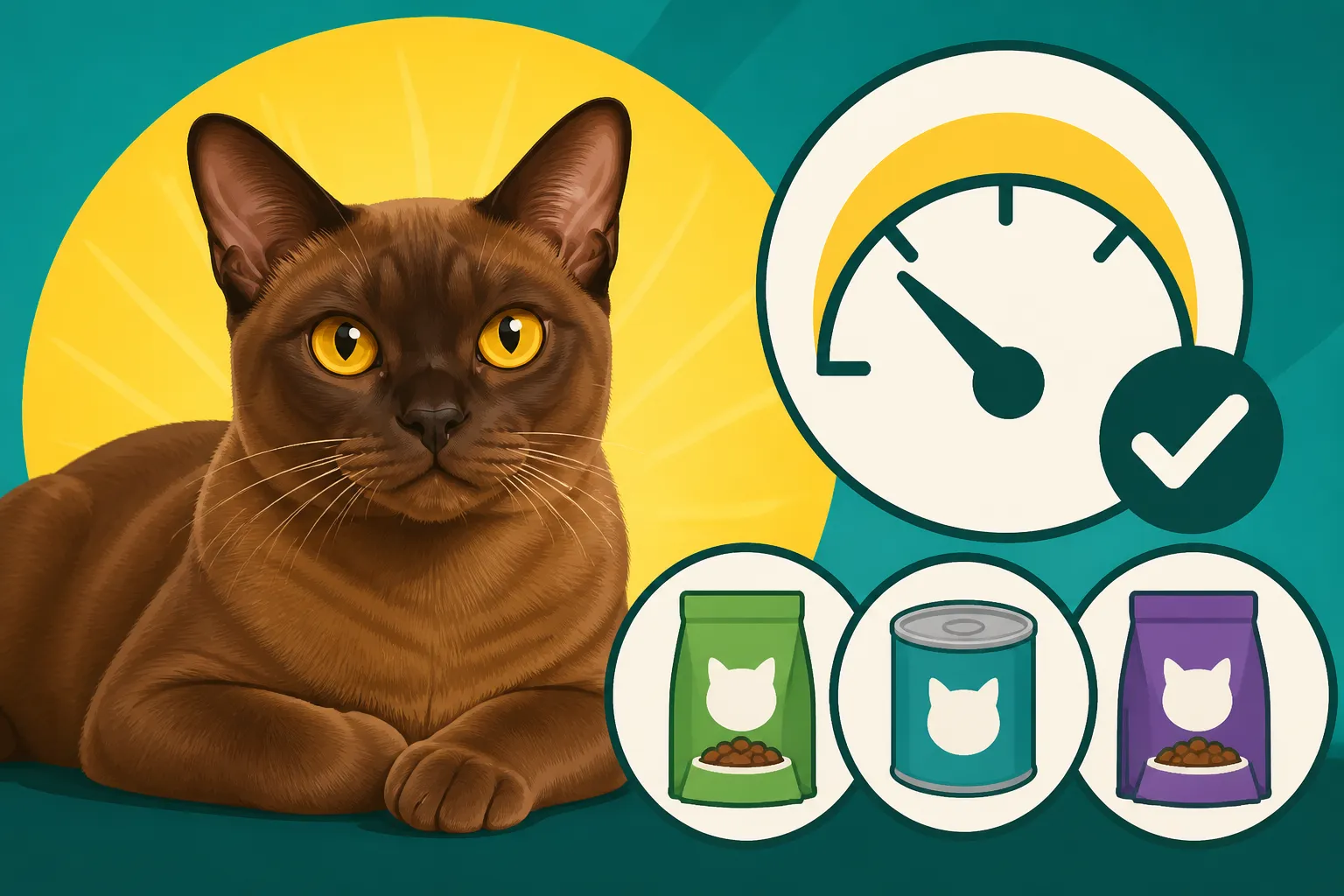
When it comes to feeding your Burmese, prioritizing their health means leaning heavily into certain food types and carefully selecting brands. The goal is always to mimic their natural diet as closely as possible, which means high protein, moderate fat, and very low carbohydrates.
Wet Food Options
Wet food is almost universally recommended for Burmese cats due to its inherently lower carbohydrate content compared to dry kibble. The high moisture content is also beneficial for feline urinary tract health. When shopping for wet food, aim for paté-style options, as these often have less gravy or fillers, which can be sneaky sources of carbohydrates. Gravy-based foods often use thickeners that are starch-derived.
Many popular brands offer suitable low-carb wet food options. When browsing a wide selection on platforms like Chewy, you can often filter by "grain-free" or even look for brands that specifically market themselves as high-protein, low-carb. Some excellent choices that many Burmese owners consider include:
- Fancy Feast Classic Paté: Don't let the name fool you. Many of their classic paté varieties are surprisingly low in carbohydrates (often under 5% dry matter) and are widely available and affordable. Always check the specific flavor, as formulations can vary.
- Weruva, Tiki Cat, Koha: These brands are known for their high-quality, meat-first ingredients and generally boast very low carbohydrate levels. They often feature simple ingredient lists with recognizable meat sources. They can be a bit pricier, but many owners find the investment worthwhile for their Burmese's health.
- Hound & Gatos: Another brand that consistently focuses on high-meat content and minimal fillers, making them a good choice for carbohydrate-sensitive cats.
- Nulo Freestyle: Offers a range of patés and shredded options that are grain-free and formulated with high animal protein.
When selecting wet food, always remember to check the guaranteed analysis and ingredient list for each flavor, as carbohydrate levels can differ significantly even within the same brand. Why Wet Food Beats Kibble for a Burmese isn't just a preference; it's a medical recommendation.
Raw or Homemade Diets
For those who want ultimate control over their Burmese's diet and truly want to replicate a prey-based meal, raw or carefully prepared homemade diets are an option. These diets, when done correctly, are naturally very low in carbohydrates, high in animal protein, and can be incredibly beneficial. However, they come with a significant caveat: they must be nutritionally balanced and complete. This often requires careful research, supplementation, and potentially consulting with a veterinary nutritionist. Improperly balanced raw or homemade diets can lead to severe nutritional deficiencies or excesses.
Services that offer fresh, human-grade food delivered to your door can sometimes provide a middle ground. While primarily marketed for dogs, their philosophy around fresh, less processed ingredients often means their cat food options are also designed with high protein and carefully controlled carbohydrate levels, though you'll still need to scrutinize their specific formulations for cats. The key here is not just “fresh” but “nutritionally complete and balanced for cats.” Always ask for their nutritional analysis to ensure it meets your Burmese's low-carb needs.
Important considerations for raw/homemade:
- Balance is paramount: Cats have very specific dietary requirements (e.g., taurine, certain vitamins, and minerals) that must be met.
- Hygiene: Proper handling of raw meat is essential to prevent bacterial contamination for both your cat and your household.
- Consult a professional: Work with a veterinary nutritionist experienced in feline raw or homemade diets before making the switch.
What to Avoid
Just as important as knowing what to feed is knowing what to absolutely steer clear of. For a Burmese, certain foods and feeding practices are essentially a fast-track to health problems.
- Dry Kibble (as a primary diet): While convenient, almost all dry kibbles, even "grain-free" varieties, contain a significant amount of carbohydrates from starches required to bind the kibble together. This constant influx of carbs puts a huge strain on a Burmese's system, dramatically increasing their diabetes risk. Why a Burmese Should Never Be Free Fed is especially critical for dry food, as continuous grazing leads to spikes in blood sugar. If you must feed some kibble (perhaps for dental health, although wet food is generally better for this too), it should be a very small, measured amount of a specifically low-carb variety, and never left out for free-feeding.
- Gravy or Sauce-Heavy Wet Foods: As mentioned, the thickeners in these often mean hidden carbs. Stick to patés or shredded meats in broth.
- Treats High in Carbs/Sugars: Many commercial cat treats are loaded with starches, sugars, and fillers. These can quickly undo all your careful dietary management. Look for single-ingredient meat treats (e.g., freeze-dried chicken or salmon) or tiny pieces of cooked meat as rewards.
- "Diet" or "Light" Foods: Paradoxically, many commercial "diet" cat foods reduce fat and replace it with carbohydrates to keep calorie counts down. This is the opposite of what a Burmese needs. Always check the carb percentage, not just the calorie count.
By understanding these distinctions and making informed choices, you're not just feeding your Burmese; you're actively contributing to their longevity and well-being.
Integrating Diet with Overall Burmese Care
A low-carbohydrate diet is a cornerstone of Burmese health, but it's not a standalone solution. It needs to be integrated into a holistic care routine that includes regular veterinary check-ups, consistent monitoring, and a mindful approach to their daily life. This breed truly thrives when their owners are proactive and attentive to all aspects of their well-being.
Regular Vet Checks and Bloodwork
Even with the most meticulously chosen diet, regular veterinary visits are non-negotiable for a Burmese. These check-ups allow your vet to monitor your cat's weight, overall health, and, critically, their metabolic status. Annual bloodwork, including glucose and fructosamine tests (especially once they reach middle age), can catch potential issues like pre-diabetes or diabetes early, when intervention is most effective. Your vet might recommend Why a Burmese's Glucose Should Be Checked From Seven as a baseline, and it's a good idea to discuss this proactively.
If a Burmese develops diabetes, the costs for ongoing care, insulin, and monitoring can be significant. This is where pet insurance, such as a policy from providers like Healthy Paws, can offer peace of mind. While most policies have waiting periods or might exclude pre-existing conditions, having a policy in place before any health issues arise can significantly alleviate the financial burden should your Burmese need long-term medical management. It truly highlights the importance of proactive care and planning.
The Importance of Consistent Feeding Schedules
Free-feeding, where food is left out all day for a cat to graze, is a definite no-go for Burmese cats. This practice leads to inconsistent blood sugar levels and makes it nearly impossible to monitor their actual intake, which is vital for a breed prone to diabetes and weight gain. Instead, establish a consistent feeding schedule with two to three measured meals per day. Why a Burmese's Food Bill Is a Health Decision because every meal, every gram, makes a difference.
This structured approach:
- Stabilizes blood sugar: Predictable meal times help prevent drastic spikes and dips in glucose levels.
- Manages weight: By weighing and portioning food, you ensure your Burmese receives the correct number of calories, preventing obesity, which is a major risk factor for diabetes. How Many Calories a Diabetes Prone Burmese Should Get is a specific number, not a guess.
- Allows for monitoring: You can easily see if your cat is eating their full meal or if there's a sudden change in appetite, which can be an early sign of illness.
- Supports diabetic management: For diabetic Burmese cats, meal times must be carefully coordinated with insulin injections. How to Feed a Burmese on Insulin Around Its Injections is a critical skill for any owner of a diabetic Burmese.
Transitioning a free-fed cat to scheduled meals might take a little patience, but it's a crucial step in safeguarding their health. Your Burmese might complain loudly, as they are notoriously food-motivated, but staying firm on a schedule is one of the best things you can do for them. Ultimately, making these careful dietary choices and integrating them into a thoughtful care routine ensures your delightful Burmese has the best possible chance at a long, healthy, and happy life right by your side.
Disclaimer
This article is for general informational purposes only and does not constitute professional advice. Laws, prices and regulations vary by location and change over time. Consult a qualified professional for guidance on your specific situation.