Why a Burmese’s Food Bill Is a Health Decision
It's a common misconception that choosing your cat's food is just about what they'll eat or what fits your grocery budget. For us Burmese cat parents, nothing could be further from the truth. The food we put in their bowl is a direct, critical component of their health management, especially given their unique predispositions. This guide will help you understand why your Burmese's food bill isn't just an expense, but an investment in their long-term well-being, exploring the metabolic needs of the breed, the nuances of diet choices, and the lasting financial impact of those decisions.
The Unique Metabolic Needs of Your Burmese
Burmese cats, with their sweet, affectionate personalities and muscular builds, are absolutely captivating. However, beneath that glossy satin coat lies a genetic predisposition that makes their dietary needs distinct and, frankly, non-negotiable for their health. We're talking specifically about their heightened risk for certain conditions that are heavily influenced by diet. It’s a reality many of us have had to face, and understanding it early can save a lot of heartache (and vet bills!) down the line.
Why Carbohydrate Load is a Game Changer for Burmese Cats
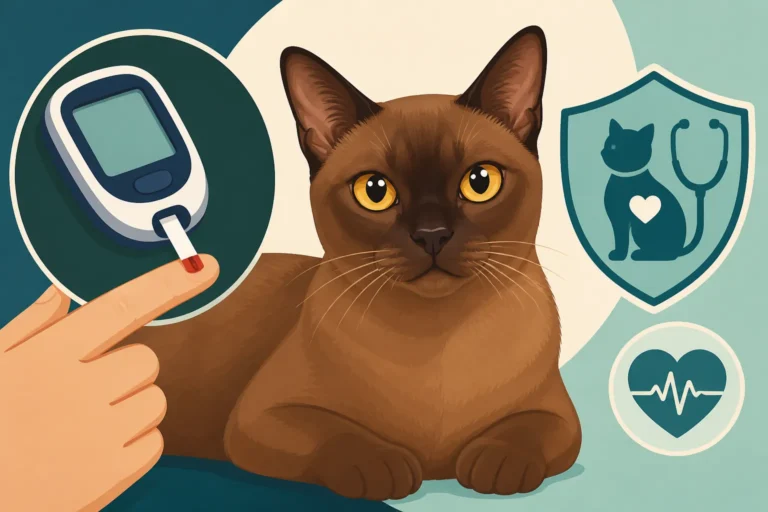
If you've spent any time researching Burmese health, you've probably heard the term "diabetes." It’s not just a concern; it’s a stark reality for many, as The Burmese Has the Highest Diabetes Rate of Any Cat Breed. Studies and anecdotal evidence from countless owners and breeders confirm that our beloved Burmese are significantly more prone to developing diabetes than most other cat breeds. And guess what the number one dietary culprit is? Carbohydrates. Cats, by nature, are obligate carnivores. Their bodies are designed to process protein and fat, not a lot of carbs. Yet, so many commercial cat foods, especially dry kibble, are packed with them. These high carbohydrate loads force a Burmese's pancreas to work overtime, year after year, potentially leading to insulin resistance and eventually, full-blown diabetes. It's not about being trendy with "grain-free"; it's about respecting their biology. Why Carbohydrate Load Matters More in a Burmese isn't just a catchy phrase, it's a medical imperative. Every morsel you feed them contributes to their overall carbohydrate intake, and for a Burmese, this cumulative effect can be incredibly damaging over time.
The Silent Threat of Insulin Resistance and Weight Gain
The journey to diabetes often starts quietly, with insulin resistance. This means your Burmese's body isn't responding as efficiently to the insulin it produces, requiring more and more insulin to keep blood sugar levels stable. High carbohydrate diets exacerbate this, leading to a vicious cycle. And hand-in-hand with high carbs is often weight gain. Many Burmese owners find their cats are heavier than they look, often due to their dense, muscular build, which can mask excess fat. This added weight puts even more strain on their metabolic system. You might think a few extra pounds are cute, but for a Burmese, it significantly How Much Weight Raises a Burmese's Diabetes Risk. It's a silent threat because you often don't see the signs until the disease is well advanced. They might still be playful, affectionate, and seem perfectly fine, but internally, their bodies are struggling. This is why preventative care through diet is so crucial. We're not just feeding them; we're actively managing their risk factors with every meal.
Navigating Food Choices: Wet, Dry, and Everything In Between
With so many cat food options on the market, it can feel completely overwhelming trying to make the right choice. Every bag or can promises the best for your feline friend, but for a Burmese, "the best" means something very specific. We need to cut through the marketing jargon and focus on the nutritional composition that truly supports their unique health needs and helps mitigate their genetic predispositions. This means being a diligent label reader and understanding what your cat's body truly requires, not just what smells appealing or is convenient.
The Critical Role of High Protein, Low Carbohydrate Wet Food
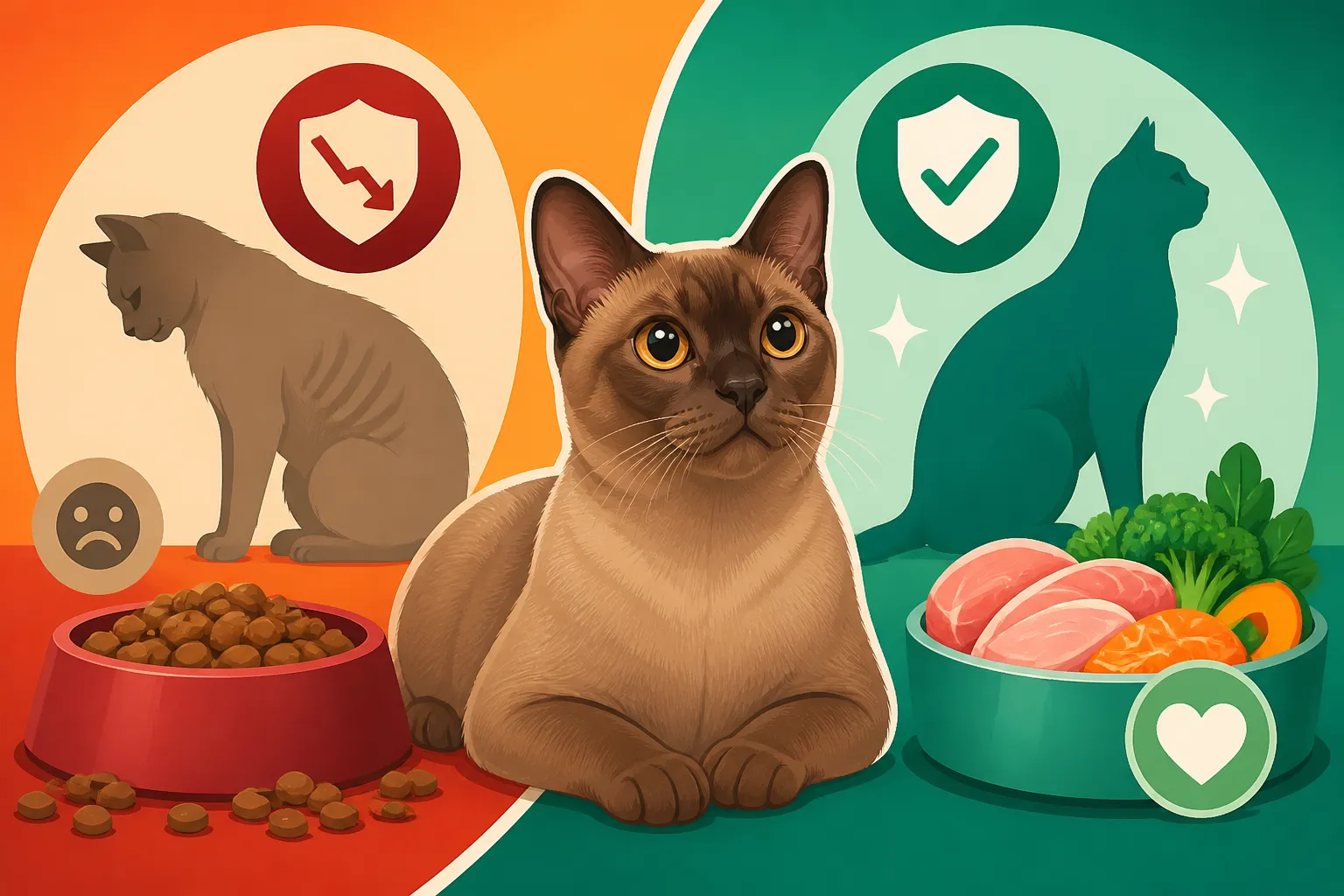
When it comes to feeding a Burmese, high protein, low carbohydrate wet food is almost universally recommended by veterinarians and experienced breeders. Why wet food? Firstly, it provides much-needed moisture. Cats naturally get most of their hydration from their food, and a dry kibble diet leaves them perpetually mildly dehydrated, straining their kidneys. Secondly, and perhaps most importantly for the Burmese, wet food generally contains significantly fewer carbohydrates than dry kibble. Remember, we're trying to minimize that carb load to protect their pancreas. Look for wet foods where meat (chicken, turkey, beef, fish) is the primary ingredient, and where the carbohydrate content is as low as possible – ideally under ten percent, and certainly no more than fifteen percent on a dry matter basis. Many brands, including some readily available on platforms like Chewy, now offer excellent low-carb wet food options. It takes a bit more effort than just pouring kibble, but the health benefits for your Burmese are immense. Why Wet Food Beats Kibble for a Burmese isn't just a preference; it's a foundation of their healthy diet.
Understanding Food Labels and Hidden Sugars
Deciphering cat food labels can feel like you need a degree in nutritional science, but it’s a skill worth mastering for your Burmese. Manufacturers aren't always transparent, and sometimes, ingredients that sound healthy can still contribute to a high carbohydrate load or contain hidden sugars. For example, "grain-free" doesn't automatically mean low-carb; potatoes, peas, and tapioca are often used as fillers and can be just as problematic as corn or wheat for a Burmese’s sensitive system. You'll want to focus on the guaranteed analysis for protein, fat, and fiber, and then mentally calculate the carbohydrate content (100% minus protein, fat, fiber, and ash usually gets you close, though moisture also plays a role). Be wary of ingredients like corn syrup, molasses, or even excessive amounts of fruit, which are just unnecessary sugars for a cat. Sometimes, even "natural flavors" can mask sweeteners. This meticulous label reading is paramount. It’s a health decision you're making with every can, directly impacting their long-term vitality.
The Perils of Free Feeding for a Burmese
I know, it's so easy to just fill the bowl and let them graze, right? Many of us grew up with cats that free-fed and seemed perfectly fine. But for a Burmese, especially one prone to diabetes, free feeding is genuinely one of the most detrimental habits. Why a Burmese Should Never Be Free Fed is a truth that needs to be shouted from the rooftops. When food is constantly available, two problems arise:
- Overconsumption: Burmese cats are often highly food motivated. They'll eat more than they need, leading to weight gain. Every extra pound increases their diabetes risk.
- Pancreatic Strain: Continuous grazing means their pancreas is constantly producing insulin to deal with the incoming carbohydrates. This constant workload exhausts the organ over time, accelerating insulin resistance.
Instead, your Burmese should be fed measured meals, usually two or three times a day. This allows their digestive system and pancreas to rest between meals, promoting better metabolic health. It also gives you a clear picture of their appetite, which is an early indicator of illness if it changes. It might feel like more work at first, but establishing a routine of timed, portion-controlled meals is a cornerstone of responsible Burmese ownership. Some owners even turn to automatic feeders that dispense food at set times, ensuring consistent portioning even when you're not home.
Beyond the Bowl: Portion Control and Long-Term Health Investment
The act of feeding your Burmese isn't just about putting food in a bowl; it's a careful, deliberate process that requires attention to detail. This focus on portion control and mindful feeding isn't just about preventing obesity; it's about actively investing in their future health, much like putting money into a savings account. Every gram of food, every calorie, every carbohydrate counts. This diligence in the kitchen directly correlates with fewer visits to the vet and a potentially longer, healthier life for your cherished companion.
Why Every Meal Must Be Weighed for a Burmese
"Eyeballing it" simply doesn't cut it for a Burmese. Their dense musculature can make it difficult to accurately assess their body condition by sight alone, and a scoop often varies wildly in the actual amount of food dispensed. That's Why Portion Control Is Medical Care in a Burmese – it truly is. Every single meal, whether it's wet food or a carefully chosen low-carb kibble (used sparingly, if at all), should be weighed using a kitchen scale. This ensures consistency and prevents accidental overfeeding.
Imagine you're aiming for a specific calorie intake for your Burmese. If your scoop varies by even 10-20% each time, that adds up significantly over days, weeks, and months. A small, seemingly insignificant excess of calories daily can easily translate into several extra pounds a year, pushing your Burmese closer to the diabetes danger zone. By weighing their food, you're taking guesswork out of the equation and gaining precise control over their dietary intake. This simple habit is one of the most powerful tools you have in your arsenal for managing their long-term health and preventing costly, chronic diseases.
How Your Food Bill Becomes a Preventative Healthcare Fund
When you prioritize high-quality, low-carb wet food and diligently weigh your Burmese's portions, your food bill might seem a little higher upfront. Let's be realistic, premium wet food often costs more per serving than a large bag of dry kibble. However, it's essential to reframe this cost. This isn't just a food bill; it's a preventative healthcare fund. The investment you make in quality nutrition now can significantly reduce the likelihood of expensive health issues later.
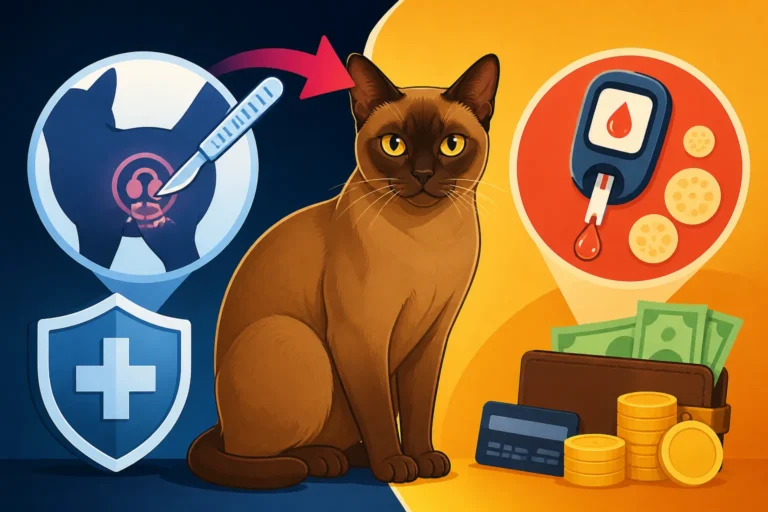
Consider the alternative: if a Burmese develops diabetes, the ongoing costs can be substantial. You're looking at regular vet visits for glucose curves, insulin injections twice a day (and the cost of insulin itself, plus needles), special prescription diets, and potential complications. What Diabetes Costs a Burmese Owner a Year can be a significant financial burden, easily dwarfing the extra cost of premium preventative food. By choosing wisely, you're essentially pre-paying for health, reducing the risk of your Burmese becoming another statistic. This proactive approach ensures that Why the Diabetes Risk Belongs in a Burmese Budget isn't just a warning, but a manageable part of your financial planning.
| Dietary Approach | Initial Food Cost | Long-Term Health Outlook | Potential Vet Costs | Overall Value |
|---|---|---|---|---|
| High Carb Dry Kibble | Lower | Increased Diabetes Risk | High (insulin, diagnostics, emergencies) | Poor |
| Low Carb Wet Food | Higher | Reduced Diabetes Risk | Lower (preventative check-ups) | Excellent |
| Measured Raw/Fresh | Highest | Optimized Health/Energy | Lowest (wellness focused) | Premium |
When Dietary Choices Impact Insurance and Vet Bills
The connection between diet and health has a tangible financial impact, even extending to pet insurance. If your Burmese develops a chronic condition like diabetes, it's often considered a pre-existing condition. This means any pet insurance policy you try to obtain after diagnosis will likely exclude coverage for diabetes-related treatments. This can leave you facing significant, uncovered expenses for the rest of your cat's life. Providers like Healthy Paws are excellent for covering unexpected illnesses and accidents, but they operate on the principle of covering new conditions.
This makes early, preventative dietary choices even more critical. By maintaining a healthy weight and mitigating diabetes risk through diet, you keep your Burmese in a prime position for comprehensive insurance coverage should any other health issues arise. A healthy cat, due to excellent dietary management, is less likely to incur those massive, ongoing medical expenses later in life. It's a strategic move that saves money on vet bills and gives you peace of mind that your furry family member is protected. Think of your consistent, high-quality food purchases as a daily commitment to a future with fewer financial surprises and a happier, healthier cat.
Disclaimer
This article is for general informational purposes only and does not constitute professional advice. Laws, prices and regulations vary by location and change over time. Consult a qualified professional for guidance on your specific situation.