Why Color Adds to a Burmese’s Price
When you set out to find your perfect Burmese companion, you might quickly notice that the price tags aren't all the same, even for kittens from the same litter. This can be incredibly confusing, leaving you wondering why one adorable bundle of satin fur costs significantly more than another, seemingly identical, sibling. This guide will help demystify how a Burmese's coat color can play a surprising role in its overall price, delving into the genetics, rarity, and market demand that influence these figures.
The Foundation of Burmese Colors: From Sable to Platinum
The Burmese cat breed is renowned for its short, incredibly soft, "satin" coat and its distinctive color palette. Unlike many breeds with a vast array of patterns and hues, the Burmese traditionally comes in a rather limited number of solid colors. However, within these few shades, there's a fascinating story of genetics and selective breeding that directly impacts their availability and, consequently, their price. Understanding these foundational colors is key to grasping why some fetch a higher premium.
The Original Sable and Its Dominance
The very first Burmese cat, Wong Mau, who arrived in the United States in the 1930s, carried the gene for what we now know as sable. Sable, often referred to as brown, is the most common and historically significant color in the Burmese breed. It's a rich, warm brown that can range from a deep sepia to a dark, almost black-brown, particularly in mature cats. Because sable was the original color and is genetically dominant over the diluted colors, sable kittens are generally the most frequently seen in litters and tend to be the most accessible in terms of price. They represent the classic Burmese look, the benchmark against which other colors are often compared. Breeders find it relatively straightforward to produce sable kittens, especially when breeding two sable parents, making them less 'rare' from a genetic standpoint. If you're looking into The cb Allele Is What Makes a Burmese Brown, you'll understand why this particular gene is so crucial to the breed's defining appearance.
The Diluted Colors: Blue and Champagne
Over time, through careful breeding programs, other beautiful colors emerged from the original sable lines. These are known as "diluted" colors, meaning a genetic modifier softens the intensity of the base color. Blue is one such example, resulting from the dilution of sable. It's a gorgeous, warm grey, sometimes with a lavender or plum undertone, that truly shines on the Burmese's sleek coat. Champagne, the dilute of chocolate (which is a recessive variant of sable), presents as a warm, honey-beige or fawn color. Both blue and champagne require specific recessive genes from both parents to appear in a litter. This makes them inherently less common than sable, as not every breeding pair will carry the necessary genes for dilution. Therefore, kittens in these colors often command a slightly higher price than their sable siblings, simply due to the added genetic complexity and reduced frequency of their appearance.
Platinum: The Rarest of the Traditional Four
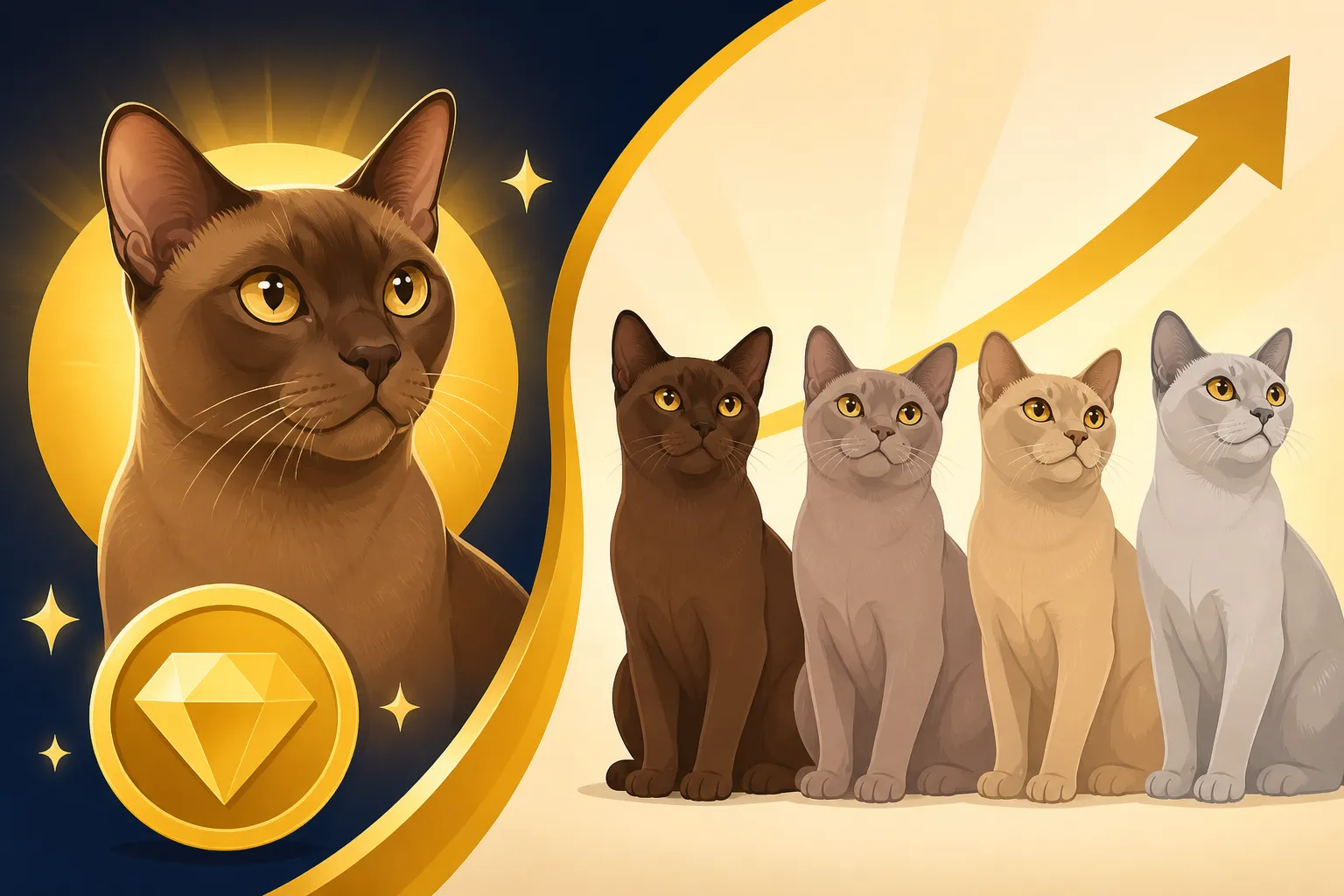
Then we come to platinum, which is arguably the most ethereal and often the priciest of the four core Burmese colors recognized by most associations, such as the CFA, which outlines Which Colors CFA Accepts in a Burmese. Platinum is a double dilute, meaning it's the diluted form of chocolate, further diluted. It presents as a pale, shimmering silver-grey or a light lilac-beige, often described as having an icy or frosty quality. Genetically, platinum kittens are the most challenging to produce consistently. They require both parents to carry the dilute gene and the chocolate gene, and then for the kitten to inherit two copies of each recessive gene. This specific genetic combination means platinum kittens appear less frequently in breeding programs, making them genuinely rarer. Their striking, almost otherworldly appearance, combined with their genetic rarity, places them at the top of the price range among the traditional Burmese colors. When you understand the delicate balance of genes required, it becomes clear why How Much a Platinum Burmese Kitten Costs will often be higher.
Rarity and Genetics Behind Color Pricing
The price variations you see among Burmese kittens aren't just arbitrary; they're deeply rooted in the fascinating world of feline genetics. Certain colors are simply harder to produce, requiring specific gene combinations that don't occur in every litter. This inherent rarity is a primary driver of price differences.
Understanding Recessive Genes in Burmese Colors
At the heart of Burmese color variation are recessive genes. The base color, sable (brown), is the result of one specific gene. However, the diluted colors—blue, champagne, and platinum—only manifest if a kitten inherits two copies of a particular recessive gene, one from each parent. For example, to get a blue Burmese, both parents must either be blue themselves or carry the blue dilution gene, even if they appear sable. Similarly, for champagne, both parents must carry the chocolate gene and then the dilute gene. Platinum is even more intricate, needing both the chocolate and dilute recessive genes from both sides.
Think of it like this: if you have two sable parents, they might produce a litter that is all sable. But if both of those sable parents happen to carry the gene for blue, then statistically, about 25% of their litter could be blue. If only one parent carries it, you won't get any blue kittens, though half of the litter would now be carriers. Breeders aiming for specific rare colors need to have a deep understanding of their cats' genetic makeup, often confirmed through DNA testing. This scientific approach to breeding ensures genetic diversity while also allowing for the careful selection necessary to produce less common colors.
The Breeding Challenge of Specific Shades
Breeding for a specific color isn't as simple as choosing two cats of that color and expecting a full litter of identical kittens. While it helps, the underlying genetics can still throw surprises. For instance, a breeder might be working with lines that carry the genes for all four traditional colors. Their goal might be to produce a platinum kitten, knowing that such a kitten requires a very precise combination of recessive genes. This means that a significant portion of their litters might be sable, blue, or champagne, even if the genetic potential for platinum exists.
The challenge isn't just about getting the color, but also about getting the right shade of that color, especially for show quality. A good breeder doesn't just breed for color; they also breed for health, temperament, and adherence to the breed standard. This means they can't simply pair any two cats with the right color genes if those cats don't also excel in other areas. The meticulous planning, record-keeping, and genetic testing required to achieve specific, high-quality colors add significant investment for the breeder, which naturally reflects in the kitten's price. You can imagine the effort that goes into ensuring What a Burmese Breeder Must Test Before Any Mating covers everything, including these complex color genetics.
Why Platinum and Blue Litters Are Smaller
It's not uncommon to hear that litters containing platinum or blue Burmese kittens might be smaller overall, or contain fewer of the desired dilute colors. This isn't necessarily a direct consequence of the color genes themselves, but often an outcome of the breeding strategy to achieve them. When breeders are working with lines that are more specialized for recessive colors, the gene pool might be slightly more concentrated. Also, the statistical probability of a particular recessive color appearing means that within a litter, there will naturally be fewer of these specific colored kittens compared to the dominant sable.
Imagine a pair of cats that both carry the genes for platinum. While they can produce platinum kittens, they will also produce sable, blue, and champagne kittens. If the litter size is, say, four kittens, there's only a statistical one-in-four chance for each color. This means the actual number of platinum kittens born can be quite low. Fewer available kittens of a highly sought-after, genetically rarer color naturally leads to higher demand and, therefore, a higher price. It's simple supply and demand, intensified by the precise genetic requirements for these beautiful shades.
The Impact of Show Standards on Price
The world of cat fancy and breed standards plays a significant role in determining how much a Burmese kitten of a certain color might cost. What's considered desirable and therefore more valuable in one registry might be less so in another, directly influencing breeder pricing strategies and the perceived value of a specific color.
American vs. European Standards and Color Acceptance
It's a well-known fact in the Burmese world that there are distinct differences between the American and European Burmese types, even influencing how their colors are categorized and valued. For example, the American Burmese standard generally recognizes four core colors: sable, champagne, blue, and platinum. Each of these colors has very specific criteria for hue, saturation, and consistency to be considered show-quality.
The European Burmese, while stemming from the same foundational genetics, has evolved with a broader color palette recognized by associations like GCCF (Governing Council of the Cat Fancy) in the UK, often accepting reds, creams, and tortie patterns in addition to the traditional four. This wider acceptance can influence pricing. A color that is standard and widely available in Europe might be considered "rare" if produced by an American breeder working with European lines, and vice versa. This can lead to differing market values depending on where you are and which type of Burmese is more prevalent. Understanding Whether a European Burmese Outlives an American One might also lead owners to prioritize different traits, subtly affecting the perceived value of different lines and colors.
Judging Criteria for Color Perfection
For breeders aiming for show quality, color isn't just about presence; it's about perfection. The breed standard meticulously details the ideal shade, consistency, and depth of each color. For instance, a sable Burmese should have a rich, warm brown that is uniform across the body, with minimal barring or ticking. A blue Burmese should be a warm grey, free from rustiness or a dull, flat tone. Platinum must exhibit that icy, pale sheen without any yellowing.
Any deviation from these ideals, such as a patchy coat, incorrect eye color for the specific shade, or "ticking" (bands of color on individual hairs), can reduce a cat's show potential and, consequently, its price. A kitten with "perfect" color according to the standard, bred from champion lines, will inevitably command a higher price than a pet-quality kitten of the same color that might have a slight fault, even if that fault is purely cosmetic. Breeders invest heavily in their breeding stock, seeking out cats that consistently produce offspring meeting these stringent criteria, and this investment is reflected in the cost of their kittens.
The 'Rare' Color Trap: Unrecognized Shades
A common pitfall for new owners is falling for the allure of a "rare" or "exotic" Burmese color that isn't actually recognized by major cat registries. Sometimes, breeders might advertise colors like red, cream, or tortie at a premium, implying they are incredibly unique Burmese. While these colors do exist in Burmese lines (especially European ones, or through outcrossing that may or may not be sanctioned), they may not be recognized by all major associations, particularly in the American Burmese standard.
This can be a bit of a trick. If a color isn't recognized by a major registry, that kitten cannot be shown or registered as a purebred Burmese of that color in those associations. While it doesn't diminish the cat's beauty or companionship qualities, it means its "rarity" in the context of purebred standards is non-existent. Paying a premium for an unrecognized color could mean you're paying for something that doesn't hold true value in the show world or even for future breeding potential within strict guidelines. Always check with the relevant breed associations and ask for pedigrees to understand what you're truly getting. This is why Why a Burmese Advertised as Rare Colored Is a Warning is such important reading for prospective owners.
Beyond Rarity: Demand and Perception
While genetics and show standards certainly dictate a significant portion of a Burmese's price based on color, there's another powerful force at play: human preference. Just like fashion trends, certain colors rise and fall in popularity, creating increased demand that can push prices higher, regardless of inherent genetic rarity.
Fashion and Trends in Cat Colors
It might sound strange, but even cat colors can follow trends! What's considered chic or highly desirable can shift over the years. For a time, perhaps the sleek, sophisticated blue Burmese was all the rage, driving up demand and consequently prices. Then, perhaps, the unique subtlety of champagne captures the public's imagination. Currently, platinum often holds a strong appeal due to its distinct, almost ethereal appearance.
These trends aren't always logical from a purely genetic standpoint. A color might not be genetically rarer than another, but if more people are actively seeking it out, breeders can price those kittens higher simply because they know they'll find homes quickly. This human element adds another layer of complexity to Burmese kitten pricing. Breeders who keep a pulse on these trends might strategically breed for colors that are currently popular, knowing they can command a better price.
The Allure of the 'Exotic' Burmese
There's an undeniable allure to owning something that feels unique or exotic. For some, a platinum Burmese, with its pale, shimmering coat, might feel more special or "designer" than a traditional sable. This perception of exclusivity can add significant value in the eyes of a buyer. Even if the genetic rarity is only slight, the psychological impact of owning a cat that stands out can justify a higher price for many.
This ties into the desire for individuality. While all Burmese are incredibly affectionate and wonderful companions, a specific color might speak to a prospective owner's aesthetic preferences, making them willing to pay more for that particular shade. This isn't just about showing off; for many, it's about finding that perfect visual match for their new family member, and if that means paying a bit extra for How Much a Blue Burmese Kitten Costs because they adore the warm grey hue, then so be it.
Regional Preferences for Burmese Colors
Just as fashion trends vary globally, so too can preferences for cat colors across different regions. In some countries or states, one particular Burmese color might be more popular or readily available than another. For instance, historically, European Burmese lines often emphasized a wider range of colors, which might lead to different popular choices there compared to regions where the American standard dominates.
These regional preferences can affect the local market. If blue Burmese are particularly sought after in one area, breeders there might price them higher due to local demand, even if they are not considered exceptionally rare globally. Conversely, a color that is less popular in a particular region might be more affordable, even if it's genetically rarer. This highlights the importance of understanding your local market and the specific type of Burmese being offered (American vs. European) when researching prices. Remember that these are general trends, and individual breeder philosophies and local economies also play a significant role.
Breeder Investment and Ethical Considerations
While the aesthetic appeal of a certain color is undeniable, a significant portion of a kitten's price, particularly for rarer shades, is directly linked to the breeder's investment in their program. Ethical breeders prioritize health, temperament, and adherence to the breed standard above all else, and this requires considerable financial and time commitment. When a particular color is harder to achieve responsibly, these costs naturally increase.
The Cost of Genetic Testing for Color
Ethical breeders don't just guess what colors their cats carry; they confirm it through genetic testing. Specific DNA tests can identify whether a cat carries the dilute gene or the chocolate gene, even if the cat itself is sable. This allows breeders to make informed decisions about pairings to achieve specific color outcomes while maintaining genetic diversity and health. These genetic tests come with a cost, and reputable breeders often test their entire breeding stock to understand their genetic potential fully.
Beyond color, breeders also conduct comprehensive DNA panels for various health conditions specific to the Burmese breed, such as Hypokalemia and Gangliosidosis. The price of a kitten from a breeder who has invested in this level of genetic screening, both for color and health, will naturally be higher than from someone who skips these crucial steps. This investment is not just about producing a pretty kitten; it's about ensuring a healthy one. This due diligence for health, which can sometimes be overlooked when prioritizing a specific color, ensures that the higher price is justified by a commitment to the breed's well-being.
Breeding Programs Focused on Specific Colors
Establishing a breeding program with a specific color goal, especially for elusive shades like platinum, requires immense dedication and financial outlay. A breeder might need to import cats from other regions or countries to introduce specific color lines, incurring significant costs related to travel, quarantine, and registration of the new breeding stock. These cats then need to be housed, fed, and receive regular veterinary care, all contributing to the overhead.
Furthermore, patience is paramount. It can take several generations of careful, selective breeding to consistently produce high-quality kittens of a desired, rarer color while maintaining excellent health and temperament. This isn't a quick or easy process; it involves years of planning, meticulous record-keeping, and sometimes difficult decisions about which cats to breed and which to retire. The expertise and time invested in such specialized programs are substantial, and this naturally contributes to the higher price point for kittens from these lines.
Red Flags for Overpriced 'Rare' Colors
As a prospective owner, it's essential to be discerning, especially when encountering claims of "ultra-rare" colors being sold at exorbitant prices. Sometimes, unethical breeders or backyard breeders might try to capitalize on a lack of knowledge, marketing common dilute colors as extraordinary rarities or selling unrecognized colors as unique without proper explanation.
Here are some red flags to watch out for:
- Exaggerated Claims: If a breeder describes a standard blue or champagne Burmese as "super rare" or "exclusive" without solid genetic or standard-based justification, be wary.
- Lack of Pedigree/Registration: A reputable breeder will always provide registration papers and a pedigree clearly stating the kitten's breed type and color. If these are absent or vague, it's a major warning sign.
- No Genetic Health Testing: As mentioned, true ethical breeders invest in health testing. If they claim rarity in color but skimp on health screening, that's a serious red flag. You don't want to bring home a kitten that carries genetic diseases.
- Unrealistic Prices: While rare colors do command higher prices, there's usually a ceiling. If a price seems exceptionally high compared to other reputable breeders, always question why.
- Breeding "Odd" Colors: If a breeder is deliberately producing colors outside the recognized standard and charging a premium, ensure you understand what that means for the kitten's official status and future.
Ultimately, a higher price for a specific colored Burmese should reflect the breeder's commitment to the health, temperament, and genetic integrity of their cats, not just superficial rarity. Ask questions, do your research, and always choose a breeder who is transparent and genuinely passionate about the well-being of the Burmese breed.
Understanding the Value of Your Burmese Companion
It's clear that color does add a layer of complexity to a Burmese's price tag, driven by genetics, rarity, and human preference. Whether you fall in love with the classic sable, the sophisticated blue, the warm champagne, or the ethereal platinum, each color holds its own charm and history. However, it's crucial to remember that while color might initially capture your eye and influence the sticker price, it's the breed's renowned personality, its unwavering affection, and its playful spirit that truly make a Burmese priceless.
When you're budgeting for your new companion, remember that the initial purchase price is just one part of the equation. You'll need to consider ongoing costs like high-quality food (many Burmese owners opt for specific dietary options, especially for a breed prone to diabetes), veterinary care, and pet insurance. Companies like Healthy Paws can help cover unexpected medical costs, which is a smart move for any purebred cat, regardless of its color. The true cost of a Burmese isn't just about its color; it's about a lifetime of love and responsible care.
No matter the color, a well-bred Burmese will bring years of joy and companionship. Focus on finding a reputable breeder who prioritizes health, temperament, and adherence to the breed standard, and who can provide clear information on their breeding practices, including the genetics behind their beautiful color offerings. Choosing your Burmese is about finding a family member, and the love they bring will always outweigh the initial cost, whatever their stunning color may be.
Disclaimer
This article is for general informational purposes only and does not constitute professional advice. Laws, prices and regulations vary by location and change over time. Consult a qualified professional for guidance on your specific situation.