Which Colors CFA Accepts in a Burmese
It’s a common misconception that all Burmese cats are simply "brown." While their signature warm, rich tones are certainly a hallmark of the breed, many prospective owners are surprised to learn that the Cat Fanciers' Association (CFA) actually recognizes a distinct palette of colors for these captivating companions. If you've ever felt a little lost trying to understand the nuances of Burmese coat colors, you're not alone! This guide will dive deep into the specific shades the CFA accepts, helping you understand the genetic magic behind each one and what to expect when you're looking for your next silky-coated friend.
The Foundation of Burmese Color: A Genetic Deep Dive
To truly appreciate the beauty of a Burmese cat's coat, we need to talk a little bit about genetics. Don't worry, we won't get too bogged down in scientific jargon, but understanding the basics is key to grasping why Burmese cats look the way they do and why certain colors are recognized over others. At the heart of it all is a specific gene that gives the Burmese its unique coloring.
The Special "Burmese Gene"
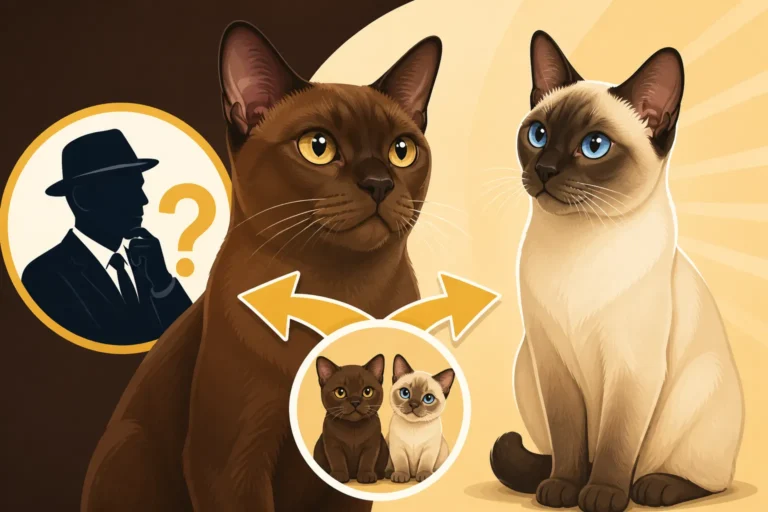
Every Burmese cat carries a special gene known as the "Burmese gene" or the "cb allele." This gene is a form of partial albinism, which means it reduces the amount of pigment in the fur, particularly in warmer areas of the body. Think of it like a dimmer switch for color. Cats with two copies of this gene (cb/cb) will express the classic Burmese pattern. Their body color is noticeably lighter than their "points" – areas like the face, ears, paws, and tail – which appear darker. This isn't as extreme as a Siamese, where the contrast is very stark; in a Burmese, the difference is subtle, blending harmoniously. This unique coloring is often referred to as "sepia" coloration, a beautiful middle ground between a fully pigmented solid cat and a heavily pointed Siamese. It’s The cb Allele Is What Makes a Burmese Brown and gives them that distinct warmth.
How Genes Determine the Shade
While the cb/cb gene gives the Burmese its overall sepia pattern, other genes determine the actual shade of that sepia. There are foundational color genes in cats, primarily black and red, which are then modified by other genes to produce different hues. For instance, the dilute gene can turn black into blue (grey) and red into cream. In the Burmese, these genetic modifiers work in conjunction with the cb/cb gene to produce the four recognized colors. So, while every Burmese has that lovely soft shading, the underlying pigment determines if it's brown-based, grey-based, or a modified version of those. Breeders carefully select pairings to ensure they produce kittens that meet these color standards, and understanding What Two Copies of cb Produce in a Burmese is essential for them.
Sable: The Classic, Rich Brown Burmese
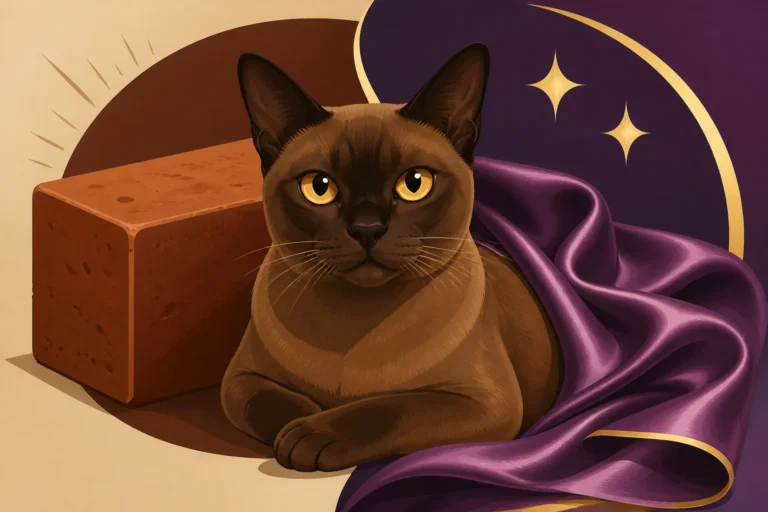
When most people picture a Burmese, they are likely envisioning a Sable Burmese. This is the original color, the one that first captivated Dr. Joseph Thompson when he brought Wong Mau to America. Sable is the epitome of the breed's warmth and depth, a color that truly lives up to the "brick wrapped in silk" description.
The Deep, Velvety Brown
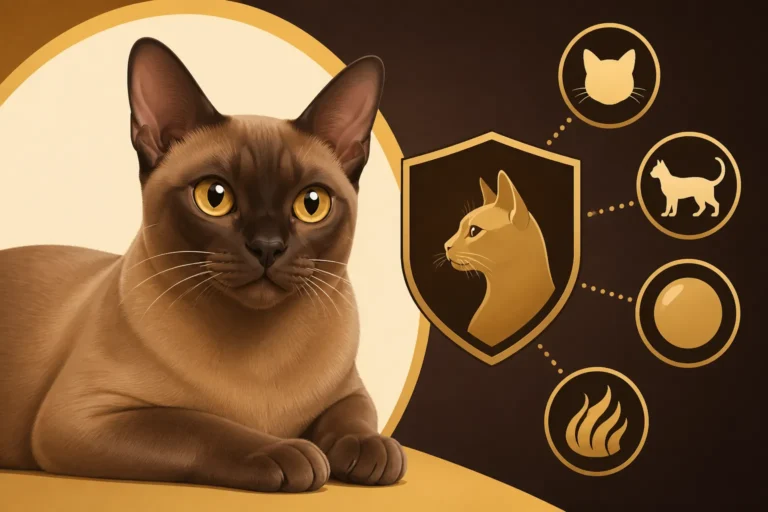
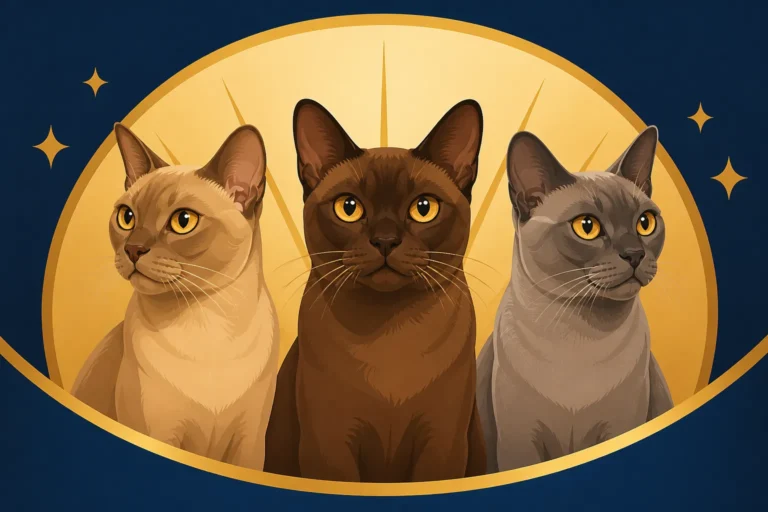
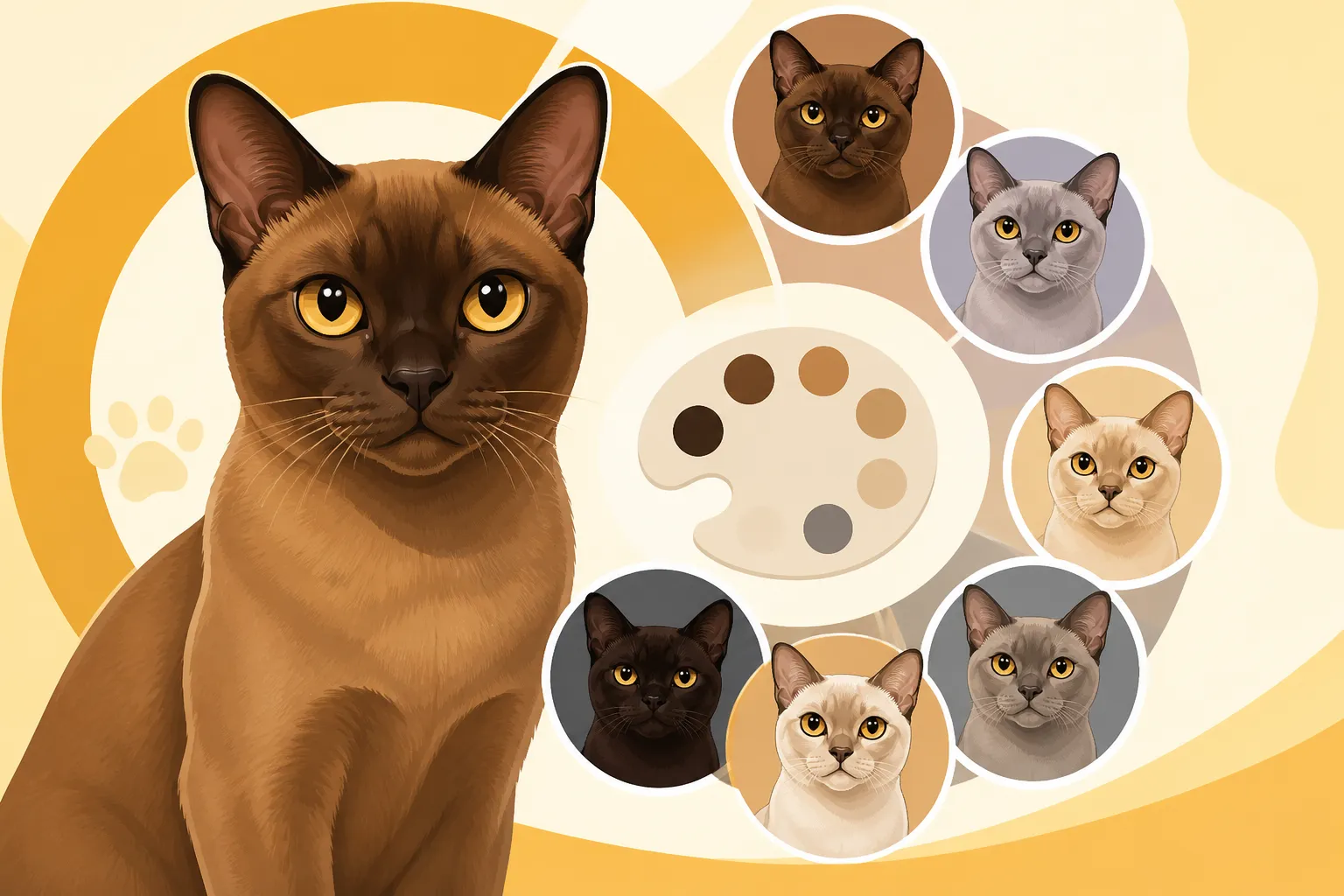
A Sable Burmese is characterized by its rich, warm, dark brown coat. It's often described as a deep, velvety chocolate brown, with a lustrous sheen that truly earns them the "satin coat" moniker. The points (face, ears, paws, tail) are a deeper shade of brown, but the transition is gradual and harmonious, not sharply defined like a Siamese. Think of a dark espresso coffee, rich and inviting. The nose leather is typically brown, and their paw pads are dark brown. There's a certain sophistication to the Sable, a timeless elegance that has endured since the breed's inception. This is the color that really showcases Why the First Burmese Was Bred to a Siamese to clarify its genetic foundation.
Color Development and Nuances
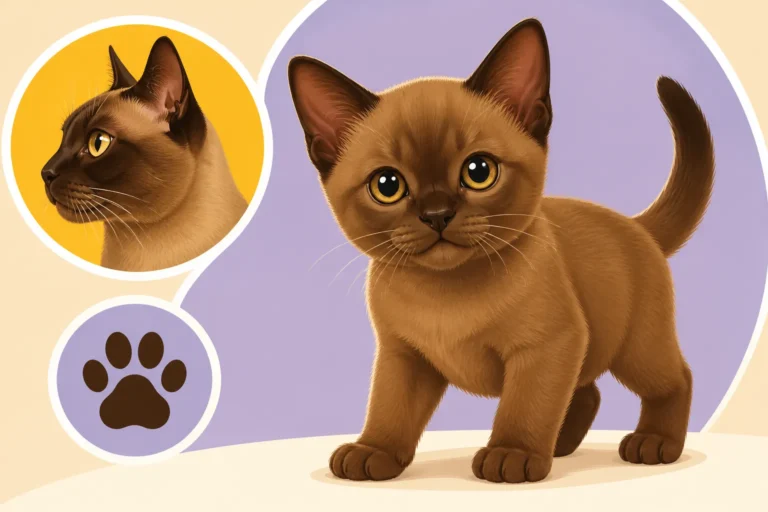
Interestingly, Sable Burmese kittens are often born a much paler shade than their adult selves. They might appear a light fawn or even a slightly grey-brown at birth, gradually deepening in color as they mature. This darkening process can continue for the first year or two of their lives, eventually settling into that magnificent, deep Sable hue. Environmental factors, like temperature, can even play a subtle role; cooler environments might encourage a slightly darker overall coat. Owners sometimes notice subtle red undertones in sunlight, adding another dimension to this already stunning color. Ensuring a healthy diet, with quality ingredients readily available from places like Chewy, can support a glossy coat regardless of the final shade. It's truly fascinating to observe When a Burmese Kitten's Adult Color Settles and witness their transformation.
Champagne: The Warm, Honey-Toned Delight
Moving from the deep richness of Sable, we arrive at the soft, inviting glow of the Champagne Burmese. This color is often a pleasant surprise for those unfamiliar with the breadth of Burmese shades, offering a lighter, more delicate appearance while retaining all the breed's inherent charm.
The Gentle, Honey-Beige Hue
The Champagne Burmese presents a beautiful warm beige or honey-toned coat. It's a lighter, softer brown than the Sable, often compared to the color of milk chocolate or warm caramel. The points are a slightly darker, but still warm, shade of brown. Imagine a perfectly toasted marshmallow or a light mocha latte – warm, inviting, and utterly captivating. The nose leather is a lighter tan or pinkish-brown, and their paw pads are a warm pinkish-tan. There's a gentle elegance to the Champagne, a subtle beauty that truly shines in natural light, making them look like liquid gold.
Genetic Origin and Common Misconceptions
The Champagne color is essentially a "diluted" Sable. Genetically, a Sable Burmese has two copies of the non-dilute black gene (B/B or B/b) in combination with the Burmese cb/cb gene. A Champagne Burmese has two copies of the dilute brown gene (b/b) paired with the cb/cb gene. This means that the underlying black pigment that would create a Sable is instead expressed as brown, and then further modified by the Burmese gene to create the Champagne's lighter, warmer tone. Sometimes, people mistakenly think Champagne Burmese are just "light Sables," but they are genetically distinct. It’s a wonderful example of Where the Burmese Color Gene Sits and how it interacts with other color genes to produce varied results. You’ll find that whether you have a Sable or a Champagne, the need for engaging toys remains the same, and many great options can be found on Chewy.
Blue: The Sophisticated Grey-Blue Hue
For those who prefer a cooler palette, the Blue Burmese offers an incredibly elegant and sophisticated option. This color has a distinct charm, providing a striking contrast to the warmer tones of Sable and Champagne.
The Cool, Steel-Grey Coat
A Blue Burmese showcases a stunning medium grey coat with a subtle blueish cast. It's often described as a soft, steel grey or slate blue, reminiscent of a stormy sky or fine pewter. Like the other Burmese colors, the points are a deeper shade of blue-grey, blending seamlessly into the body color. The nose leather is a greyish-blue, and their paw pads are slate grey. There's a calm, serene beauty to the Blue Burmese, an understated elegance that makes them stand out. They possess all the characteristic Burmese charm, wrapped in a cool, sophisticated package.
How Blue Differs from Other Breeds
The "blue" color in cats is a dilution of black. In non-pointed or non-sepia breeds, a blue cat would be a solid grey. However, in the Burmese, the cb/cb gene modifies this dilution, creating that distinctive sepia-blue effect – a blue body with slightly darker blue points. This isn't the powder blue of some other breeds, but a deeper, richer blue-grey that perfectly complements the Burmese's muscular build and expressive eyes. It's a testament to How a Burmese's Color Gene Reacts to Temperature and other modifiers to produce such distinct variations within the breed. Understanding the intricacies of What an American Burmese's Head Should Look Like against this striking blue coat can further highlight the breed's unique aesthetics.
Platinum: The Delicate, Light Silver Burmese
The Platinum Burmese is perhaps the most ethereal and delicate of the recognized colors, offering a truly stunning pale appearance that sets it apart. It's a testament to the subtle beauty that the Burmese gene can produce.
The Pale, Silvery Lavender Tone
The Platinum Burmese displays a very pale, almost silvery-grey coat with distinct lavender or lilac undertones. It’s the lightest of the four recognized colors, often described as a frosty, pale dove grey, or even a pale parchment. The points are a slightly darker shade of this same delicate color, creating a soft, almost ethereal contrast. Their nose leather is lavender-pink, and their paw pads are a soft lavender-pink. A Platinum Burmese often appears to glow with a gentle luminescence, possessing a fragile beauty that belies their robust and playful nature. This rare and exquisite color often garners significant admiration.
The Rarest of the Accepted Shades
Genetically, Platinum is the dilute form of Champagne. It results from a cat inheriting the dilute gene that turns black to blue, and the brown gene that turns black to brown, combined with the Burmese cb/cb gene. This makes it a double-diluted color, and consequently, it is often the rarest of the four to find in a litter. Breeders who produce Platinums are working with a very specific genetic combination, resulting in these stunningly pale kittens. Just like their darker counterparts, Platinum Burmese cats thrive on affection and interaction. No matter the color, providing a stimulating environment with plenty of vertical spaces and engaging toys from Chewy is crucial for their well-being. Knowing the distinct features of How the American and European Burmese Split can also sometimes give clues about the prevalence of certain colors in different lines.
Beyond the Core Four: Unaccepted Burmese Colors
While Sable, Champagne, Blue, and Platinum are the four colors officially recognized by the CFA for the Burmese breed, you might occasionally encounter other colors. It's important for prospective owners to understand why these other shades exist and why they are not part of the breed standard.
Red, Cream, and Tortoiseshell Burmese
You might hear whispers or even see photographs of Burmese cats described as "Red Burmese," "Cream Burmese," or "Tortoiseshell Burmese." These colors do exist, and they are beautiful in their own right. The red and cream genes are present in the general cat population and can certainly appear in Burmese cats if the right genetic combinations occur. Tortoiseshell, which is a mix of red/cream and black/dilute colors, also crops up.
However, the CFA standard for the Burmese breed is very specific, and these colors are not accepted for showing or registration under the Burmese breed name. This isn't to say they aren't lovely cats; they simply do not conform to the established genetic and phenotypic profile that defines a Burmese for the purposes of championship status. Such cats might be registered as part of other breeds, or in some registries, they might be listed under an "experimental" category or as "non-standard Burmese." This strict adherence helps maintain the distinct characteristics of the breed. It also touches on issues related to What CFA Objected To in Burmese Pedigrees in 1947 when maintaining purity of lines was a big concern.
Why Breed Standards Exclude Them
Breed standards are meticulously developed to define the ideal characteristics of a specific breed, encompassing everything from body type and eye color to, of course, coat color. These standards help breeders maintain consistency, health, and the unique traits that distinguish one breed from another. For the Burmese, the initial standard was built around the sepia gene (cb/cb) interacting with the primary black pigment and its dilutions. Red and cream genes, when present in a Burmese, create a different visual effect that falls outside this established pattern. While there are ongoing discussions and different approaches in various international cat associations, the CFA has historically maintained a strict definition for its recognized Burmese colors. This helps ensure that when you see a CFA-recognized Burmese, you know exactly what genetic and aesthetic qualities it represents. It speaks to the rigorous process and commitment involved since When CFA First Recognized the Burmese.
Navigating CFA Standards and Your Burmese's Pedigree
When you're looking to bring a Burmese into your home, especially if you have an interest in showing or breeding, understanding the CFA standards and how they're documented in your kitten's pedigree is paramount. This ensures you're getting a cat that truly represents the breed's heritage.
Decoding the Pedigree: Color and Type
Every purebred Burmese kitten from a reputable breeder should come with a pedigree that meticulously details its lineage for several generations. This document is far more than just a family tree; it's a genetic blueprint. It will explicitly state the registered color of each cat in the lineage, allowing you to trace the genetic influences that led to your kitten's particular hue. For example, if you're looking for a Platinum Burmese, you would expect to see generations of Champagne, Blue, or Platinum cats in its background, as the genetic markers for these colors must be present. The pedigree also confirms that the cats meet the "Burmese type" – referring to their overall physical structure, like their round head and expressive eyes, as much as their color. Knowing what constitutes What a Burmese Looks Like Against the Standard helps you appreciate the effort breeders put in.
What to Ask Your Breeder About Colors
A good breeder will be an open book when it comes to the colors in their lines and the genetics behind them. Don't hesitate to ask questions like:
- "What colors are typically in your litters?"
- "Can you explain the genetic basis for my kitten's specific color?"
- "Do you test your breeding cats for genetic markers related to color?" (Though usually color is evident phenotypically, understanding the full genetic panel is helpful for other health reasons, like those mentioned in Which Tests Belong on a Burmese DNA Panel.)
- "How does this kitten's color compare to the CFA standard?"
Reputable breeders are passionate about their cats and will be thrilled to educate you. They understand the importance of matching the right kitten to the right home, and that includes ensuring you understand all aspects of the breed, including its beautiful color variations. They’re also likely sourcing their high-quality cat food and supplies from trusted retailers like Chewy, ensuring the health and vibrancy of their kittens.
Table of CFA Accepted Burmese Colors
To help summarize the key distinctions between the four CFA-recognized Burmese colors, here's a handy table:
| Color Name | Description | General Appearance Notes | Nose Leather | Paw Pads | Genetic Basis (Simplified) |
|---|---|---|---|---|---|
| Sable | Rich, warm, dark brown | Deep, velvety chocolate brown; darker points, subtle contrast | Dark Brown | Dark Brown | Non-dilute black pigment + Burmese gene (cb/cb) |
| Champagne | Warm beige or honey-toned | Lighter, softer brown (milk chocolate); slightly darker points | Tan/Pinkish-brown | Pinkish-tan | Dilute brown pigment + Burmese gene (cb/cb) |
| Blue | Medium grey with a blueish cast | Soft, steel grey/slate blue; deeper blue-grey points | Greyish-blue | Slate Grey | Dilute black pigment (blue) + Burmese gene (cb/cb) |
| Platinum | Very pale, silvery-grey with lavender undertones | Frosty pale dove grey/lilac; slightly darker points | Lavender-pink | Lavender-pink | Dilute brown pigment (lilac) + Burmese gene (cb/cb) (double dilute) |
This table provides a quick reference for distinguishing between these beautiful shades. Remember, photographs can sometimes distort true colors, so seeing kittens in person is always the best way to appreciate their individual hues.
Caring for a CFA-Recognized Burmese of Any Color
No matter if you bring home a classic Sable or an elegant Platinum, the fundamental care for your Burmese cat remains the same. Their exquisite satin coat, while stunning in appearance, is surprisingly low-maintenance. They are known for their short, sleek fur that lies flat against their body, requiring minimal grooming. A weekly wipe down with a chamois cloth is often all that's needed to enhance their natural shine and keep shedding to a minimum.
General Care Considerations
Beyond grooming, proper nutrition is paramount for a Burmese cat, especially given their genetic predisposition to certain health conditions. Why Portion Control Is Medical Care in a Burmese is a crucial piece of advice for any owner. A balanced diet, ideally low in carbohydrates, supports their overall health and helps manage their weight, which is a key factor in preventing issues like diabetes. Providing plenty of mental and physical stimulation through interactive play is also vital for these intelligent and active cats. They are highly social creatures, and their need for companionship should never be underestimated. You’ll quickly learn that The Burmese Is the Velcro Cat of the Cat Fancy and they thrive on interaction, whether you're playing with a feather wand or browsing for supplies on Chewy.
The Importance of Health Screening
For any purebred cat, but particularly for a Burmese, ensuring you choose a kitten from health-tested parents is non-negotiable. While coat color is a beautiful aesthetic trait, health is always the most important consideration. Reputable breeders will screen their cats for inherited conditions such as hypokalemia and specific forms of head defect. Discussing these screenings and viewing the parents' health certificates should be a standard part of your conversation with a breeder. A healthy Burmese, regardless of its color, will bring immense joy and companionship for many years. It's truly a breed that captures your heart, whether it's the rich Sable, the warm Champagne, the sophisticated Blue, or the delicate Platinum. Each color is a unique expression of the beloved Burmese cat.
Disclaimer
This article is for general informational purposes only and does not constitute professional advice. Laws, prices and regulations vary by location and change over time. Consult a qualified professional for guidance on your specific situation.