Why a Burmese Is Called a Brick Wrapped in Silk
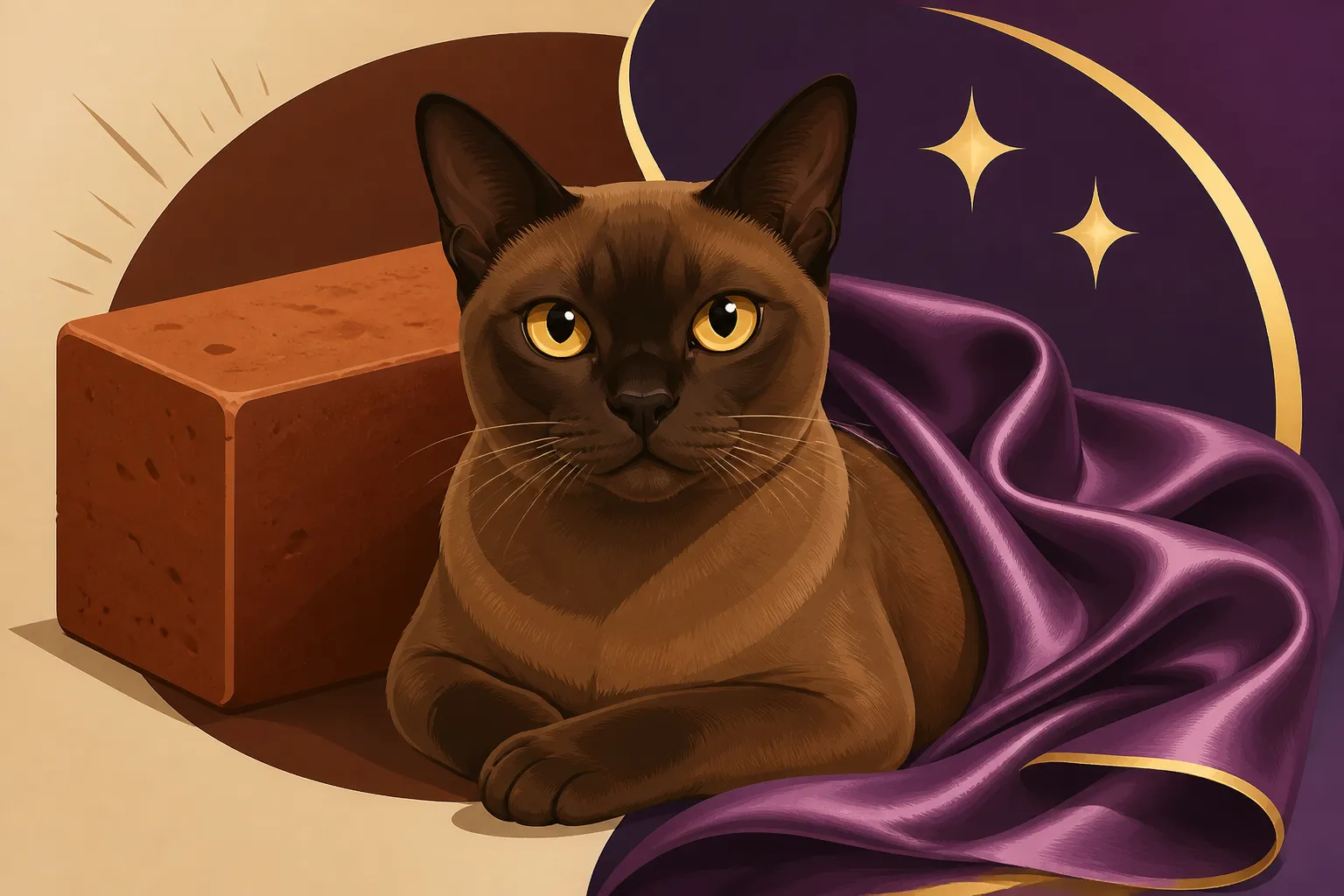
Anyone who has ever had the pleasure of picking up a Burmese cat often has the same reaction: a surprised "Wow, they're heavy!" This delightful sensation, combining unexpected heft with an incredibly soft coat, is precisely why the Burmese is affectionately, and accurately, described as "a brick wrapped in silk." This guide will delve into the unique physical attributes of this amazing breed that earned it such a memorable moniker, exploring both the sturdy "brick" and the luxurious "silk" aspects of their conformation.
The "Brick" Revealed: Unpacking the Burmese's Dense Muscle and Surprising Weight
When you first encounter a Burmese, especially if you're accustomed to other cat breeds, you might expect a relatively lightweight animal. After all, they don't look particularly large or bulky. However, appearances can be incredibly deceiving with these wonderful felines. The moment you scoop one into your arms, the density and solidness of their build become immediately apparent. It’s like picking up a furry bowling ball – surprisingly heavy for its size. This isn't due to excess fat, but rather a remarkable amount of compact muscle, giving them a substantial feel that truly lives up to the "brick" part of their famous description. They are lean, powerful, and incredibly well-muscled, a testament to their athletic and active nature.
The Compact Powerhouse: Why a Burmese Feels Heavier Than It Looks
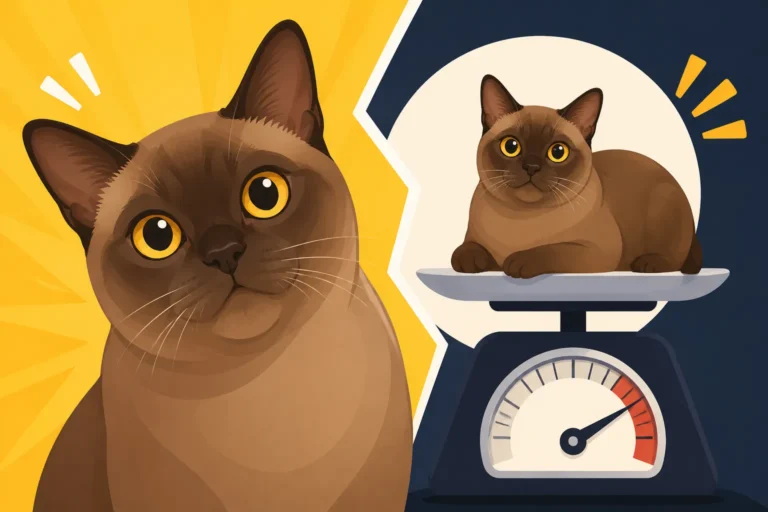
The feeling of a Burmese being much heavier than it appears is a consistent experience for owners and admirers alike. This isn't just an anecdotal observation; it's a defining characteristic of the breed, often referenced in breed standards. Their bones are denser, and their musculature is incredibly well-developed and tightly packed, giving them a solidity that belies their medium size. When you cradle a Burmese, you're holding a compact package of pure feline strength. This unique density contributes to their overall robust health and lively energy, making them feel less like a fragile domestic cat and more like a miniature, powerful jungle dweller. It’s a delightful surprise that reinforces their distinctive charm and physical prowess, making every interaction a tactile pleasure. This physical characteristic is part of why they're often described with awe, and why many owners find themselves repeating the "brick wrapped in silk" phrase to newcomers. It's a key part of their identity. You might even find yourself saying, "Why a Burmese Weighs More Than It Looks" to explain it to someone holding one for the first time.
Muscle, Not Fat: The Athletic Build of the Burmese
It's crucial to understand that this surprising weight and density in a Burmese comes from muscle, not from being overweight. A healthy Burmese is a paragon of athletic conditioning, with a firm, well-toned body. If you feel along their sides, you should be able to discern their ribs under that smooth coat, but they won't feel bony or gaunt. Instead, there's a springy firmness to their musculature that speaks to their active lifestyle and inherent strength. This muscular build is what allows them to be such agile and playful cats, even well into their senior years. They are jumpers, climbers, and enthusiastic players, all supported by their powerful physique. Maintaining this lean, muscular condition is important for their long-term health, especially given their propensity for certain conditions like diabetes. Proper diet and ample exercise are key to keeping that "brick" well-toned.
How a Burmese Weighs Up: Typical Size and Density
When we talk about the weight of a Burmese, we're discussing a breed that generally falls into the medium-sized category, but with a surprising amount of mass for that frame. Adult male Burmese cats typically weigh more than females, showcasing a more pronounced muscular build. However, both sexes share that characteristic density. For a male, a healthy weight might be somewhere in the range of 10-14 pounds, while females tend to be a bit lighter, often between 8-12 pounds. These aren't huge cats, like a Maine Coon, but they carry their weight impressively. It's not uncommon for a Burmese owner to mention their cat feels much heavier than its actual numerical weight on the scale. This weight, combined with their compact structure, gives them a unique presence that is both substantial and graceful. It's part of what makes them so appealing to pick up and cuddle. You can learn more about How Much an Adult Male Burmese Weighs and How Much an Adult Female Burmese Weighs to get a clearer picture of their typical size.
The "Silk" Sensation: Exploring the Burmese's Signature Coat
While the "brick" refers to the Burmese's surprising heft and solid build, the "silk" describes their truly remarkable coat. It is one of the most distinctive and appealing features of the breed, a tactile delight that sets them apart. Unlike many other cat breeds with multi-layered fur or coarser textures, the Burmese boasts a coat that is incredibly short, fine, and lies exceptionally close to their body. The texture is often compared to satin or, indeed, silk, feeling incredibly soft and smooth to the touch. This luxurious feel is not just pleasant; it's a hallmark of the breed's elegance and contributes significantly to their overall captivating presence. Running your hand over a Burmese is an experience in pure tactile pleasure, a feeling you won't soon forget.
A Touch Like No Other: The Satin Feel of the Burmese Coat
The feel of a Burmese coat is often the first thing people comment on after its surprising weight. It’s not just soft; it has a unique, almost cool, satin-like quality that glides under your fingers. This is due to the particular structure of their fur. Each hair is fine, short, and lies perfectly flat against the skin, without the dense undercoat that gives many other cats a plush or fluffy texture. This absence of a thick undercoat means that when you stroke a Burmese, you’re making direct contact with that exquisitely smooth outer layer. The sensation is genuinely like running your hand over a piece of silk, hence the famous comparison. This characteristic makes them incredibly inviting to pet and cuddle, fostering a strong bond between owner and cat through constant physical affection. It’s a truly unique sensory experience in the feline world. If you've ever wondered why their coat feels this way, it's a fascinating aspect of their genetics. You can explore Why a Burmese's Coat Feels Like Satin for a deeper dive into this unique characteristic.
Lies Flat and Luminous: The Visual Appeal of the Burmese's Short Hair
Beyond the tactile experience, the Burmese coat also possesses a distinct visual appeal. Its extreme shortness and tendency to lie flat against the body give the cat a sleek, streamlined appearance. This isn't a fluffy or shaggy cat; it's sculpted and elegant, accentuating their muscular build rather than obscuring it. The coat also has a natural luminosity, often described as having a rich, glossy sheen. When light catches their fur, it seems to shimmer, particularly in the darker Sable (or brown) variety. This glossy finish, combined with the lack of unruly fluff, contributes to their sophisticated and refined look. It's a coat that exudes health and vitality, making them look perpetually well-groomed and luxurious, even without extensive effort from their human companions. This visual elegance is a key part of what makes the Burmese such a stunning and desirable breed, making them truly stand out in any setting.
Minimal Shedding, Maximum Shine: Practicalities of the Silken Coat
From a practical standpoint, the Burmese's silken coat is a dream for many owners. Its short, fine nature means that shedding is generally quite minimal compared to breeds with longer or denser fur. While no cat is truly non-shedding, the amount of hair you'll find around your home from a Burmese is significantly less than many other breeds. This makes them a more manageable choice for those who are sensitive to pet hair or simply prefer a cleaner living environment. Furthermore, the coat requires very little grooming. A quick weekly wipe-down with a chamois cloth is often all that's needed to remove any loose hairs and enhance that beautiful satin shine. There's no need for complex brushing routines, de-shedding tools, or frequent baths. The Burmese essentially grooms itself to perfection, leaving you more time to simply enjoy their affectionate company. If you're curious about just how short their fur is, you can read How Short a Burmese's Coat Actually Is. This minimal maintenance, coupled with their affectionate nature, makes them an ideal companion for busy households.
The Origins of a Famous Phrase: Why "Brick Wrapped in Silk" Fits So Perfectly
The phrase "a brick wrapped in silk" isn't just a catchy descriptor; it's a testament to the profound impression the Burmese cat makes on everyone who encounters it. This pithy, yet incredibly accurate, saying encapsulates the breed's most striking physical contradictions: immense density and surprising weight juxtaposed with an unparalleled silky softness. It's a phrase born from genuine observation and appreciation, perfectly summing up the unique physical identity of this beloved feline. The enduring popularity of this expression speaks volumes about how accurately it captures the essence of the Burmese, creating an instant understanding for anyone who hears it, even if they've never met a Burmese cat before.
A Legacy of Observation: Who Coined the Term?
While the exact origin of the phrase "a brick wrapped in silk" isn't attributed to a single, definitively recorded individual, it emerged early in the breed's development and popularity. It's widely understood to have been coined by early breeders and enthusiasts who were captivated by the Burmese's distinctive physical traits. They recognized that this was a cat unlike others, possessing a solidity and unexpected weight that contrasted dramatically with its exquisitely soft, short coat. The phrase became a common, almost universal, way to describe the breed’s unique build and feel, spreading through the cat fancy as the Burmese gained recognition. It's a testament to the power of collective observation and how a perfect description can capture the heart of a breed, passing down through generations of Burmese lovers. It’s a piece of descriptive genius that has stood the test of time.
Defining a Breed: How the Phrase Captures Its Essence
This iconic phrase perfectly captures the very essence of the Burmese breed. "Brick" speaks to their sturdy, compact, and muscular body, which feels much heavier than their visual size suggests. It conveys strength, resilience, and a grounded presence. "Wrapped in silk" beautifully describes their incredibly fine, short, and glossy coat, which is exquisitely soft and lies smoothly against their powerful frame. Together, these two seemingly contradictory elements create a harmonious and unforgettable combination. It's not just about what they look like, but how they feel – the unexpected density and the luxurious touch. This phrase is more than just a physical description; it hints at their robust health, their playful athleticism, and their endearing softness, all rolled into one captivating feline package. It truly is the definitive description for What a Burmese's Body Type Is Called.
Beyond Aesthetics: The Functional Significance of This Build
The "brick wrapped in silk" build of the Burmese isn't merely for show; it holds functional significance for the breed's overall well-being and lifestyle. The dense musculature of the "brick" provides them with incredible strength and agility, allowing them to excel in climbing, jumping, and vigorous play, which is characteristic of their active and energetic personalities. This solid build also contributes to their general hardiness and resilience. The "silk" coat, being short and close-lying, contributes to their comfort in warmer climates and makes them less prone to matting or external parasites compared to long-haired breeds. This combination allows for a cat that is both physically robust and relatively low-maintenance in terms of grooming. This means that a Burmese can participate in active games and then curl up in your lap, offering a luxuriously soft cuddle, embodying both strength and comfort.
Living with a "Brick Wrapped in Silk": Practical Considerations for Owners
Embracing a Burmese into your home means welcoming a cat with a truly distinct physical presence. Their "brick wrapped in silk" nature isn't just a charming anecdote; it has practical implications for how you interact with them, how you care for their physical needs, and even how you play together. Understanding these aspects will deepen your bond with your Burmese and ensure you provide them with the best possible environment. From their surprising weight during cuddles to the simplicity of their grooming, their unique build influences many facets of daily life, making them a consistently delightful companion.
Gentle Giants: Handling the Burmese's Unexpected Heft
When you're accustomed to smaller, lighter cats, the sheer density of a Burmese can be a bit of a surprise the first few times you pick them up. This isn't a delicate creature that you have to be overly cautious with in terms of support; rather, their solid frame requires a firm, reassuring hold. They often enjoy being carried and are quite comfortable riding on shoulders or being cradled in your arms, their weight settling comfortably against you. However, their density means that if they suddenly decide to jump down from a height, it's with a satisfying thud. For older or less mobile owners, their weight can sometimes be a factor, so it’s good to be aware of this. But for most, their substantial feel only adds to the joy of their affectionate nature, making lap time a truly grounding experience. It’s part of their charm to feel so substantial and yet so utterly soft against your skin.
Maintaining the "Silk": Simple Grooming for a Lustrous Coat
The "silk" aspect of the Burmese coat makes grooming one of the easiest tasks in cat ownership. Unlike many breeds that require daily brushing, de-matting, or professional grooming sessions, the Burmese asks for very little. Their short, fine hair does not tangle or mat, and its close-lying nature means that loose hairs are easily removed. A simple weekly wipe-down with a soft cloth, like a chamois or even a microfiber towel, is usually all that's needed to keep their coat gleaming and to remove any stray shedding hairs. This minimal effort helps to enhance their natural luster and keeps their "silken" feel at its best. It’s also a wonderful opportunity for bonding, as most Burmese thoroughly enjoy the attention and gentle strokes. You might even find grooming products like chamois cloths easily available at pet supply stores like Chewy. This low-maintenance coat means more quality time spent playing or cuddling and less time on grooming chores, which is a win-win for both cat and owner.
Energy and Grace: How Their Build Influences Play
The "brick wrapped in silk" combination defines the Burmese's approach to play. That muscular, dense "brick" body provides them with incredible power, allowing for impressive leaps and bursts of speed. They are natural athletes, often maintaining their playful, kittenish energy well into adulthood and even senior years. They love to chase, pounce, and interact with wand toys, showcasing their agility and strength. Yet, the "silk" aspect means they move with a fluid grace. Their movements are precise and elegant, a contrast to their solid frame. This combination makes playtime with a Burmese both exhilarating and beautiful to watch. They can be incredibly interactive, retrieving toys and engaging in long play sessions. Their robust build means they can handle vigorous play without tiring easily, making them fantastic companions for active households. Even a Burmese past its prime, say, at age twelve, still possesses a remarkable amount of energy and can engage in play, even if it's not quite as intense as in its younger years. If you're wondering how long they keep this up, you might find What a Burmese Is Still Doing at Twelve an interesting read.
Comparing the Burmese Physique: Standing Out in the Cat Fancy
The unique "brick wrapped in silk" description truly highlights how distinctive the Burmese is among other cat breeds. While many cats are graceful, and some are robust, few combine these two extremes in such a harmonious and striking manner. Understanding how their physique compares to other popular breeds, particularly those from similar Asian lineages, helps to underscore just how special the Burmese body type truly is. It's not just a subtle difference; it's a fundamental aspect that influences their movement, feel, and overall presence. This comparison emphasizes why they hold such a unique place in the cat fancy, always recognizable even from a distance.
Versus the Svelte Siamese: A Study in Contrasts
Perhaps the most obvious comparison for the Burmese is its close cousin, the Siamese. Both breeds originated in Southeast Asia and share some genetic links, particularly concerning their colorpoint genes. However, physically, they are a study in stark contrasts. The Siamese is the epitome of the svelte, lithe, and elegant cat. They have long, lean bodies, delicate bone structure, long legs, and a wedge-shaped head. When you pick up a Siamese, you expect and receive a lightweight, agile feel. They are often described as ethereal and refined.
The Burmese, on the other hand, is the opposite end of the spectrum. While equally graceful, their grace comes from powerful, compact musculature rather than delicate slenderness. The moment you compare the feel of a Siamese to the substantial "brick" of a Burmese, the difference is undeniable. Their broad chest, well-rounded body, and solid density set them apart, making the "brick wrapped in silk" description even more poignant when contrasted with the almost weightless feel of a Siamese. Their head shapes, eye placements, and overall silhouette are also notably different, reinforcing their unique physical standards.
The Tonkinese and Other Kin: Where Does the Burmese Fit?
Beyond the Siamese, the Burmese also has connections to other breeds, notably the Tonkinese, which is actually a hybrid of the Burmese and Siamese. The Tonkinese often sits physically between its two parent breeds, displaying a body type that is more moderate than either. They are generally more muscular and substantial than a Siamese, but not quite as compact and dense as a Burmese. This intermediate body type highlights the distinctive "brick" of the Burmese even further. When you compare them side-by-side, the Burmese's rounder head, broader chest, and more pronounced musculature become even more apparent.
Other breeds, like the Bombay (which was developed using the Burmese), share the sleek, close-lying coat, but the unique combination of density and silkiness remains a hallmark of the purebred Burmese. This deep dive into comparative body types truly illustrates why the "brick wrapped in silk" description isn't just a charming phrase but an accurate and defining characteristic of the Burmese, setting it apart as a uniquely solid and soft companion. For more details on these comparisons, you might enjoy reading How to Tell a Burmese From a Tonkinese.
Caring for the "Brick" and the "Silk": Diet and Health Considerations
The unique physical traits of the Burmese—their compact, muscular "brick" body and their sleek, "silken" coat—aren't just about aesthetics; they have direct implications for their care, especially concerning diet and overall health. Owners must pay particular attention to maintaining their ideal body condition to prevent health issues, and their coat, while low-maintenance, still benefits from simple care to keep it lustrous. Understanding these breed-specific needs ensures your Burmese remains a healthy, happy, and vibrant "brick wrapped in silk" for many years.
The Importance of Weight Management for a Dense Build
Because the Burmese naturally feels heavier and is prone to putting on weight, managing their diet is crucial. Their dense musculature can easily mask excess fat, making it difficult to recognize when they're becoming overweight simply by looking at them. The "brick" can turn into a literal brick if not monitored. This is particularly important given the Burmese breed's predisposition to diabetes. Portion control and a high-quality, appropriate diet are paramount.
Owners must be diligent about weighing their Burmese regularly and learning how to properly assess their body condition by feeling their ribs and spine. It's often recommended to provide a diet that is high in protein and low in carbohydrates, usually found in quality wet food, to support their muscle mass and help prevent metabolic issues. Free-feeding, where food is left out all day, is generally not advisable for this breed. Instead, measured meals at set times help control calorie intake. You can find excellent low-carb wet food options at pet stores like Chewy. This careful management helps ensure your "brick" remains strong and healthy, avoiding the pitfalls of obesity. This dedication to diet is truly a form of medical care for this breed; learn more by reading Why Portion Control Is Medical Care in a Burmese.
Coat Care and Environmental Needs of the Silken Fur
While the Burmese's "silken" coat is incredibly low-maintenance, a little care goes a long way in keeping it at its best. As mentioned, a quick wipe with a chamois or soft cloth once a week not only removes loose hairs but also helps to polish the coat, enhancing its natural luster and softness. This regular attention also doubles as a bonding activity, as most Burmese adore being petted.
Due to their short, single coat (they have almost no undercoat), Burmese cats can be more sensitive to cold temperatures than breeds with thicker fur. This means providing them with warm, comfortable sleeping spots, such as soft beds, blankets, or even heated cat beds, is important, especially in cooler climates or during winter months. They are often found curled up under blankets, on warm laps, or near heat sources, seeking out cozy spots. Their desire for warmth is a direct consequence of their sleek "silken" coat, making them wonderful snuggle partners, often found under the covers with their favorite humans.
| Characteristic | "Brick" Aspect (Body) | "Silk" Aspect (Coat) |
|---|---|---|
| Feel | Surprisingly heavy, dense, firm | Incredibly soft, smooth, satiny |
| Appearance | Compact, muscular, well-rounded | Short, close-lying, lustrous, sleek |
| Weight | Medium to heavy for size | Contributes to elegant silhouette |
| Grooming Need | Requires weight management | Minimal; weekly wipe with chamois |
| Functionality | Power, agility, robustness | Temperature regulation (needs warmth), minimal shedding |
| Health Impact | Prone to diabetes if overweight | Generally healthy, easy to maintain |
Behavior Influenced by Physique: Grace and Affection
The "brick wrapped in silk" physique also influences the Burmese's renowned temperament. Their muscular build enables their energetic, playful nature, allowing them to remain active and agile for many years. This robust body supports their reputation as "dog-like" cats who love to play fetch and engage in interactive games. Yet, the exquisite "silken" coat and their inherent desire for warmth make them incredibly affectionate lap cats. They crave physical closeness, often seeking out the softest, warmest spot – which is usually on their human companions. This combination of energetic playfulness and intense cuddliness makes them incredibly engaging and endearing pets. They are equally happy chasing a wand toy across the room as they are nestled deeply in your lap, purring with a rasping rumble. It’s this balance of strength and softness, activity and affection, that truly defines the Burmese experience. Many Burmese breeders will even suggest you purchase two kittens, as their combined presence can lead to a happier, healthier, and better-adjusted companion cat. Learn why in Why Burmese Breeders Sell Them in Pairs.
Disclaimer
This article is for general informational purposes only and does not constitute professional advice. Laws, prices and regulations vary by location and change over time. Consult a qualified professional for guidance on your specific situation.