How the Bombay Was Made From a Burmese
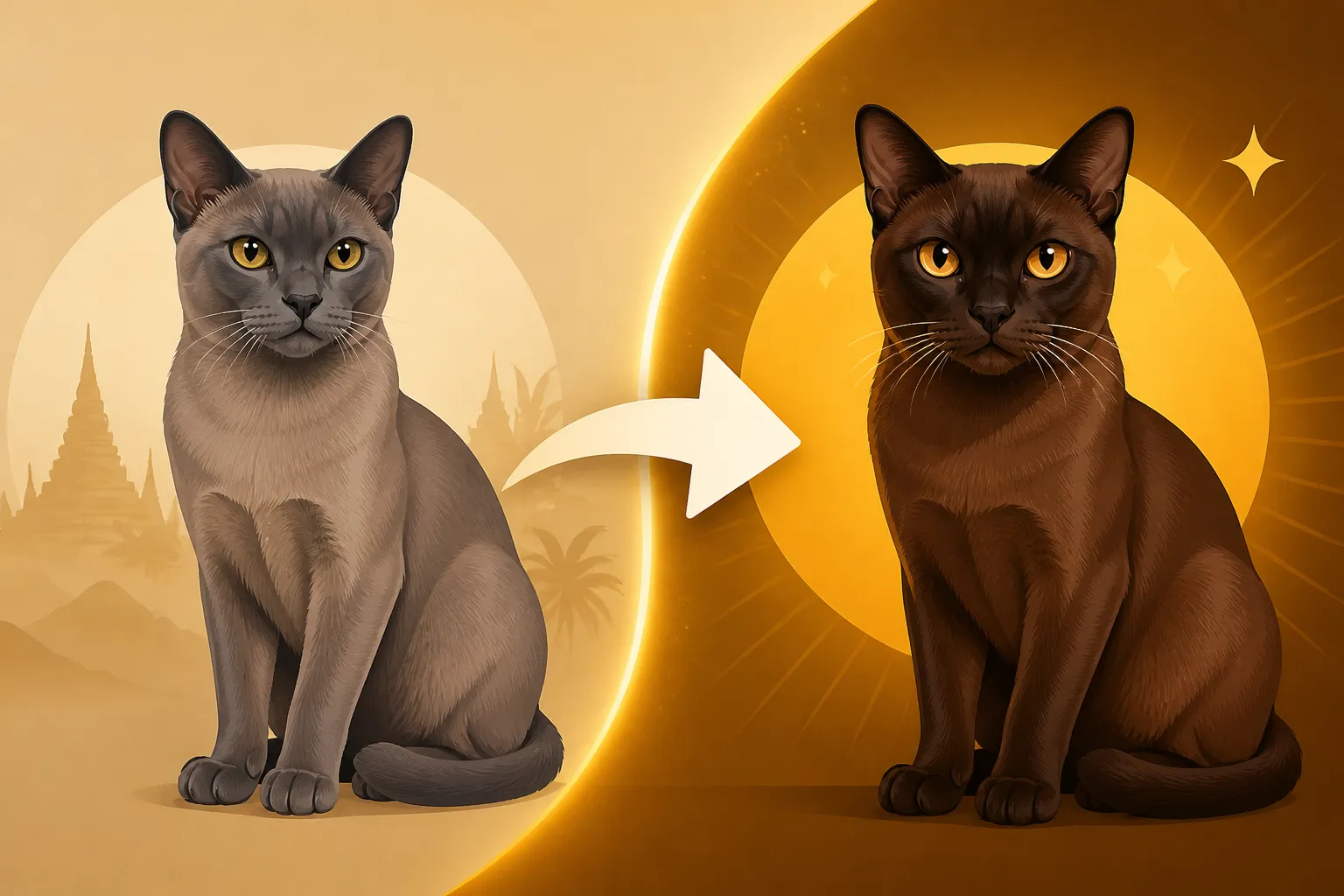
If you've ever admired the sleek, black coat and captivating eyes of a Bombay cat, you might be surprised to learn that this stunning breed didn't just appear out of nowhere. It's not an ancient breed with mysterious origins but rather a deliberate creation, a testament to thoughtful breeding, born from the beloved Burmese. Understanding how the Bombay was "made" from the Burmese reveals a fascinating chapter in cat fancy history and highlights the incredible potential within selective breeding to shape new, distinct lines.
Understanding the Burmese Foundation
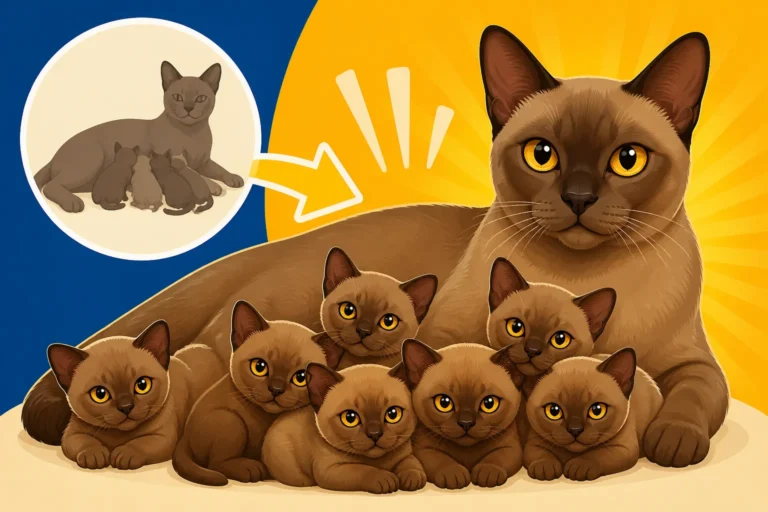
To truly appreciate the Bombay, we first need to understand the incredible cat that served as its cornerstone: the Burmese. The Burmese breed itself has a captivating origin story, beginning with a single cat named Wong Mau. Her unique genetic makeup was key to unlocking the future of several new breeds.
The Burmese: A Unique Starting Point
The Burmese, as we know it today, is a marvel of feline genetics and personality. Originating from Southeast Asia, the breed's foundation cat, Wong Mau, arrived in the United States in the 1930s. She possessed a distinctive walnut-brown coat, darker points, and a compact, muscular build that set her apart from other domestic cats. It was this unique combination of traits, especially her partial albino gene, that made her so valuable to early geneticists and breeders. You can delve into The Burmese Began With One Cat Called Wong Mau for more on her story.
Her breeders, notably Dr. Joseph Thompson, quickly realized that Wong Mau carried a unique gene for coat color. When bred to a Siamese, her offspring revealed the genetic basis of both the pointed Siamese pattern and her own solid-like, but still subtly pointed, Burmese brown. This meticulous genetic work laid the groundwork for understanding how specific traits could be isolated and developed. The breed became renowned not just for its striking appearance but also for its incredibly affectionate, dog-like personality, often referred to as the "Velcro cat."
The Drive for a Pan-American Black Cat
While the Burmese was rapidly gaining popularity for its rich, warm colors and charming temperament, one breeder, Nikki Horner of Louisville, Kentucky, had a different vision. She was captivated by the idea of creating a domestic cat that resembled a miniature black panther – a sleek, shiny, all-black cat with striking copper or gold eyes, and the gentle, outgoing nature of a Burmese. This wasn't about simply finding a black cat; it was about crafting a specific aesthetic and temperament that didn't yet exist consistently in the cat fancy.
Horner envisioned a cat that would embody the wild beauty of its larger jungle relatives but possess the sweet, biddable disposition of a housecat. She saw the Burmese as the perfect starting point due to its known genetic stability, its affectionate nature, and its robust health. The idea was to use the Burmese's short, close-lying coat and wonderful temperament, then introduce the intense black color through careful crossbreeding, all while maintaining the essence of what made the Burmese so special. This ambition was the spark that ignited the creation of the Bombay.
The Visionary Behind the Bombay
Every new breed has its champions, and for the Bombay, that champion was Nikki Horner. Her dedication, clear vision, and meticulous approach to selective breeding were instrumental in bringing the miniature panther to life.
Nikki Horner's Ambition
Nikki Horner was not just a cat lover; she was a serious and passionate breeder with a specific goal. In the late 1950s, she set out to create a cat that would capture the mystique of a wild panther in a domestic form. She desired a truly black cat, not just dark brown or charcoal, but a deep, inky black that permeated every hair shaft, right down to the skin. Equally important was the desire for vibrant, luminous golden or copper eyes that would stand out dramatically against the dark coat.
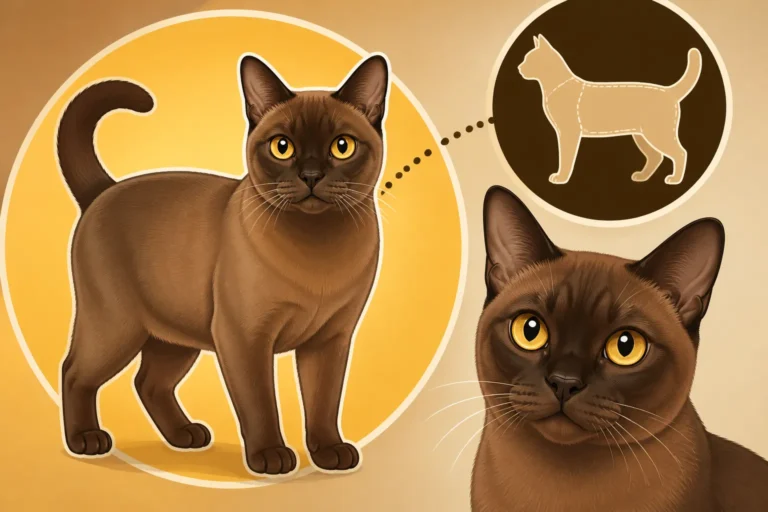
Horner's goal went beyond just color. She wanted to preserve the characteristic "brick wrapped in silk" body type of the Burmese – a compact, muscular build that feels surprisingly heavy for its size. And crucially, she aimed to retain the Burmese's famously social, affectionate, and intelligent personality. She knew that a beautiful cat with a poor temperament would not truly succeed as a beloved companion. Her ambition was to create a cat that was both visually arresting and a joy to live with. You can read more about Who Bred the First Bombay From a Burmese for specific details about Horner's foundational work.
Identifying the Right Genetic Partners
With the Burmese as her chosen foundation for temperament and body type, Horner needed to introduce the dominant gene for solid black color. After careful consideration, she selected the American Shorthair as the other half of her breeding equation. The American Shorthair breed offered several key advantages. First, it possessed a diverse gene pool, including solid black individuals, which would provide the necessary genetic material for the desired coat color. Second, American Shorthairs are known for their robust health, good temperament, and medium build, which would complement the Burmese without introducing undesirable extremes.
The goal was to blend the best characteristics of both breeds: the Burmese's affectionate personality, sleek body, and distinct head shape, with the American Shorthair's intense black coat and eye color. It was a careful balance, requiring multiple generations of selective breeding to solidify the desired traits and eliminate any unwanted ones. She wasn't just breeding for black; she was breeding for a type of black, combined with a specific physical and temperamental profile.
The Breeding Program: Burmese x American Shorthair
The creation of the Bombay was a multi-generational project that involved careful selection, patience, and a deep understanding of genetics. It wasn't an overnight success but a slow, deliberate process of refinement.
The Initial Crossings and Early Litters
Nikki Horner began her breeding program by crossing a Sable Burmese with a black American Shorthair. These initial pairings produced "hybrid" kittens that were not yet Bombays, but rather a mix of traits from both parent breeds. Some kittens would resemble American Shorthairs, others would look more like Burmese, and some would be an interesting blend. Critically, these first-generation crosses carried the genetic potential for the desired traits.
The key was in the subsequent generations. Horner would then breed these F1 (first generation) hybrids back to Burmese cats, or sometimes to other F1 hybrids, to intensify the Burmese characteristics while solidifying the black color and distinct eye hue. This process of back-crossing and inter-crossing allowed her to progressively select for the ideal combination of traits. It was a true labor of love, requiring detailed record-keeping and a keen eye for conformation and temperament in each litter. She carefully observed how the genes for coat color, eye color, and body structure were inherited, making choices at each step to move closer to her vision.
Selecting for the "Patent Leather" Look
The hallmark of the Bombay cat is its incredibly sleek, jet-black coat that looks almost painted on and shines like "patent leather." This was a specific aesthetic goal for Nikki Horner, and achieving it required rigorous selection. She wasn't looking for just any black cat; she wanted a deep, uniform black without any rustiness or brown undertones, and a close-lying, fine coat that felt like satin to the touch. The texture of the Burmese coat, with its minimal undercoat, was a major advantage here.
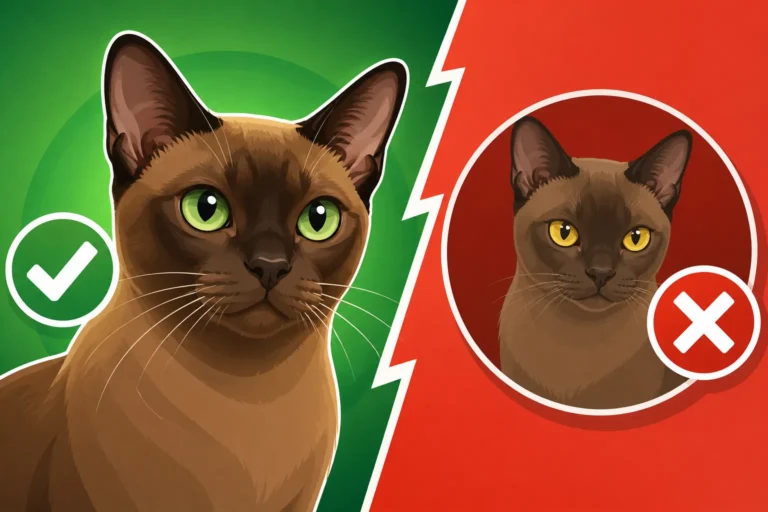
Alongside the coat, the eye color was paramount. Horner sought striking copper or gold eyes, not green or yellow, to create that intense, piercing gaze reminiscent of a wild cat. This specific combination of coal-black fur and gleaming eyes became the defining characteristic of the nascent Bombay breed. Litters were evaluated not just for health and temperament, but also for how closely they matched this aesthetic ideal. Any kitten that didn't exhibit the desired traits, even if perfectly healthy, was not used for breeding, ensuring the focus remained on refining the distinct Bombay look. Breeders today continue to focus on this, and you can find specific food and care products on sites like Chewy that cater to maintaining a cat's healthy coat and vibrant eye color.
Establishing the Bombay Breed Standard
After years of dedicated breeding, Horner had a consistent type of cat, and the next step was to define and register it as a distinct breed. This involved writing a detailed standard and gaining recognition from cat associations.
Defining the Distinctive Traits
The breed standard is essentially the blueprint for any purebred animal, describing the ideal characteristics that breeders aim to achieve. For the Bombay, this standard emphasized several key traits:
- Coat: Jet black, short, fine, and close-lying, with a rich, deep luster that shines like patent leather. No visible banding or rustiness.
- Body: Medium size, muscular and compact, similar to the Burmese, giving a surprising amount of weight for its size.
- Head: Round, with a short, broad muzzle and full cheeks.
- Eyes: Large, round, and set well apart, ranging from gold to copper. These are crucial for the "panther" look.
- Ears: Medium size, broad at the base, and set well apart, with slightly rounded tips.
This standard ensured that all breeders aiming to produce Bombays would be working towards the same consistent ideal. It clearly differentiated the Bombay from a simply black domestic cat or even a black Burmese, highlighting its unique blend of attributes. For example, while a black Burmese can have a very dark brown appearance, the Bombay's black is truly absolute, and its head and eye shape are distinct from the American Shorthair.
Overcoming Early Challenges and Recognition
Introducing a new breed to the established cat fancy is rarely an easy task, and the Bombay was no exception. One of the main challenges was convincing registration bodies that the Bombay was truly a distinct breed and not just a black Burmese or an American Shorthair. Critics often questioned the need for a "new" black cat when black cats already existed, or argued that it was too similar to its Burmese parent.
Nikki Horner worked tirelessly to present her consistent breeding program and the unique qualities of the Bombay. Her dedication paid off when The Cat Fanciers' Association (CFA) granted the Bombay championship status in 1976. This recognition was a monumental achievement, solidifying the Bombay's place as a legitimate and distinct breed within the cat fancy. Other organizations, like The International Cat Association (TICA), also recognized the breed, further cementing its status. This journey from an idea to a recognized breed highlights the immense commitment required from pioneering breeders.
The Bombay's Enduring Legacy and Impact
Today, the Bombay cat stands as a testament to Nikki Horner's vision and the power of selective breeding. It's a beloved companion animal and a recognized breed with a distinct place in the cat fancy.
A Miniature Panther for the Home
The Bombay cat successfully fulfills its creator's ambition to bring the allure of a black panther into a domestic setting. Its sleek, muscular body, combined with its dramatic jet-black coat and piercing golden eyes, truly gives it an exotic, wild appearance. Yet, beneath this striking exterior lies a personality that is overwhelmingly sweet, affectionate, and people-oriented. Bombays are known for being incredibly social, often following their owners from room to room, seeking out cuddles, and even enjoying leash walks. They thrive on human companionship, echoing the "Velcro" nature of their Burmese ancestors. You can further explore the social nature of the Burmese in The Burmese Is the Velcro Cat of the Cat Fancy.
They are often described as intelligent and playful, retaining a kitten-like curiosity well into adulthood, similar to how A Burmese Is Still Playing at Fifteen. This makes them wonderful companions for active families or individuals who can provide them with plenty of interaction and affection. Their low-maintenance coats, easily kept gleaming with a quick wipe down or a soft chamois, add to their appeal as a relatively easy-to-care-for, yet incredibly striking, pet. Many owners find their Bombay's playful antics and affectionate purrs make them indispensable members of the family. If you're looking for toys to keep them entertained, online retailers like Chewy offer a vast selection suitable for their energetic personalities.
Shared Traits and Subtle Differences with the Burmese
While the Bombay was carefully crafted from the Burmese, it has evolved into its own distinct entity, possessing both shared traits and noticeable differences. Like the Burmese, the Bombay is incredibly affectionate, intelligent, and highly social. They share the same curious, playful nature and often enjoy fetching toys or learning tricks. Both breeds have that characteristic "brick wrapped in silk" feel, a surprising density for their size. Their short, easy-care coats are another commonality.
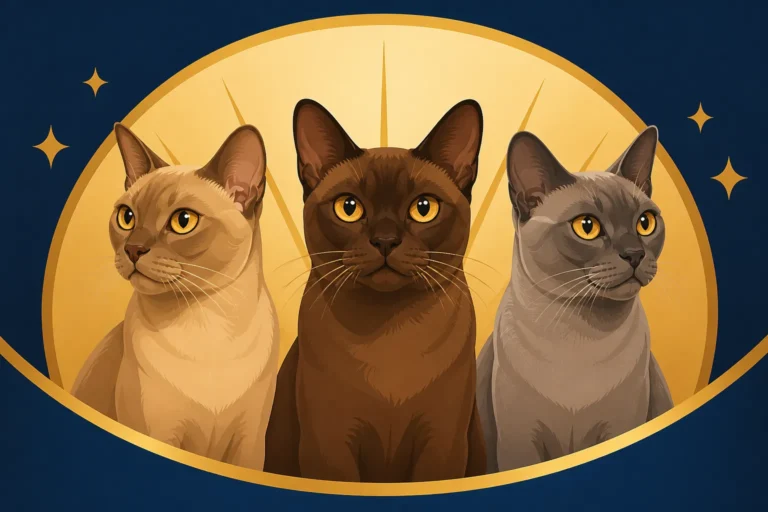
However, the most obvious difference lies in their color palette. While The Four Colors a Burmese Comes In (sable, champagne, blue, and platinum), the Bombay is exclusively jet black. Beyond color, the head shape differs subtly. The American Burmese often has a slightly more rounded head and a shorter muzzle, while the Bombay, due to its American Shorthair influence, tends to have a slightly broader head and a slightly different eye set that contributes to its signature "panther" gaze. The bone structure can also be a little heavier in the Bombay than in the Burmese. For a direct comparison, checking out What a Bombay Differs From a Black Burmese will offer even more specific insights into these distinctions. This careful differentiation ensures that each breed maintains its unique identity while honoring its shared heritage. Finding the right nutrition for both these active breeds is crucial, and a visit to Chewy can help identify suitable high-protein, low-carb options for their needs.
Disclaimer
This article is for general informational purposes only and does not constitute professional advice. Laws, prices and regulations vary by location and change over time. Consult a qualified professional for guidance on your specific situation.