Whether a Burmese Is the Right Cat for You
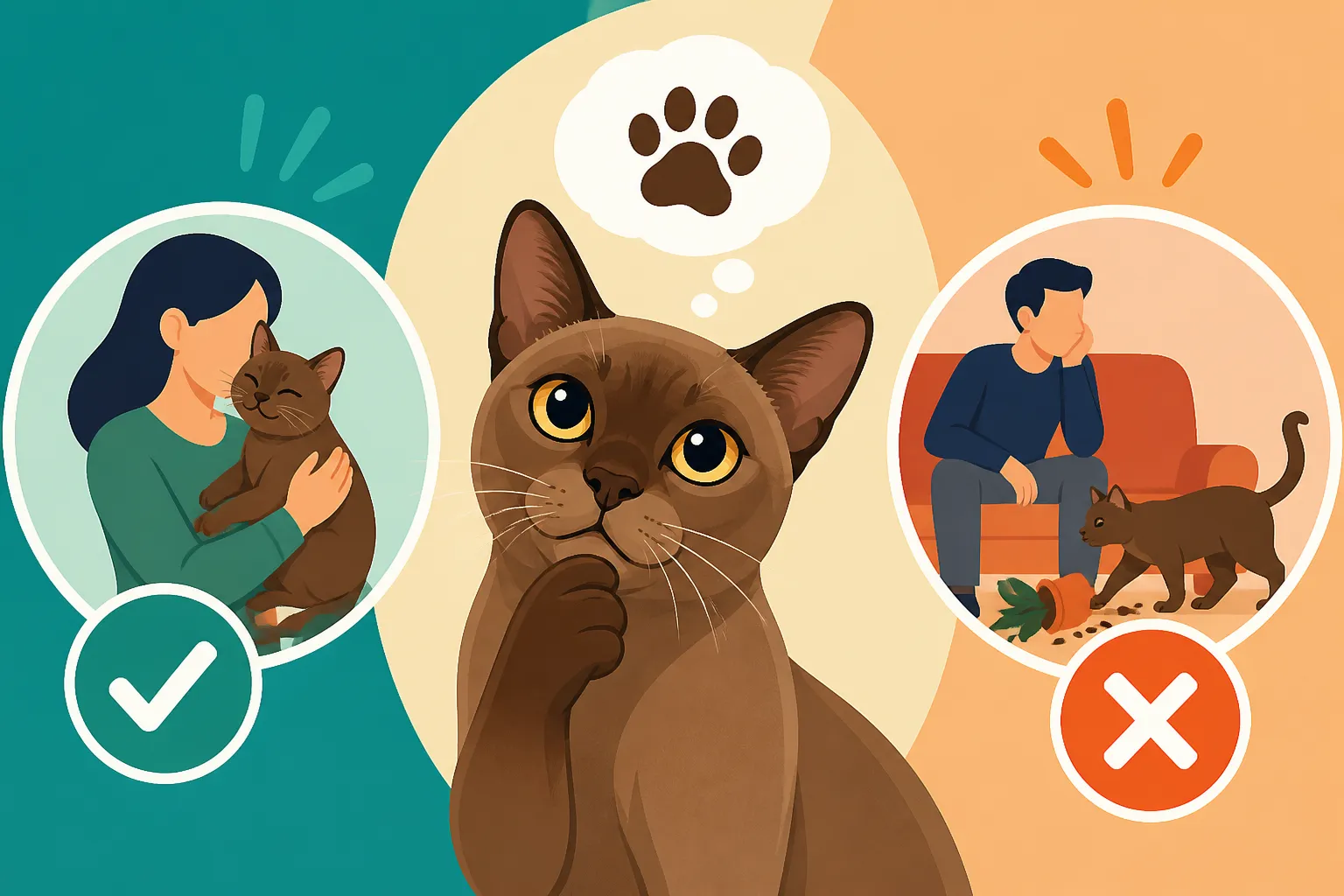
Thinking about adding a Burmese cat to your family? It's a truly wonderful thought, but it’s also a big decision that deserves careful consideration. While all cats bring joy, Burmese cats are a breed apart with incredibly specific needs and a personality that's more "shadow" than "solo artist." This guide will walk you through everything you need to know to decide if your life and lifestyle are a perfect match for the unique, devoted, and endlessly charming Burmese.
The Unmistakable Burmese Personality: More Than Just a Lap Cat
When people first encounter a Burmese, they're often struck by their sheer intensity of affection and their seemingly endless well of confidence. These aren't your typical aloof felines who might grace your lap for a few minutes before retreating to their own devices. Oh no, a Burmese is practically glued to you, a warm, purring shadow that follows your every move. It's a beautiful, overwhelming, and utterly captivating trait that defines the breed.
The "Velcro Cat" Phenomenon
If you’ve ever wished for a cat that actively participates in your life, not just observes it, then the Burmese might be your dream come true. They've earned the affectionate nickname "Velcro cats" for a reason. Imagine trying to read a book, and your Burmese is already draped across your chest, purring a deep, resonant rumble against your ear. Or you're cooking dinner, and there they are, winding figure-eights around your ankles, perhaps even attempting to hitch a ride on your shoulder, just because they want to be as close to your face as possible. This isn't just occasional clinginess; it's a consistent, almost constant desire for physical contact and proximity. They'll follow you from room to room, settle on your lap the instant you sit down, and will likely insist on being under the covers with you at night. It's a full-on immersion in your personal space, and for many, it's the most endearing thing about them. If the thought of a constant furry companion fills you with warmth rather than dread, you’re already halfway to understanding a Burmese. To truly grasp this incredible bond, it helps to understand The Burmese Is the Velcro Cat of the Cat Fancy. And if you want to know more about those shoulder rides, read Why a Burmese Rides on Your Shoulder.
Their Unique Vocalizations and Communication
Unlike some breeds known for their piercing, attention-seeking wails, the Burmese has a distinct voice all its own. They communicate not with shrill meows, but with a range of soft, rasping rumbles, chirps, and gurgles that are deeply expressive. It's a throaty, almost conversational sound that’s full of nuances, letting you know everything from "I'm hungry" to "I love you" to "Why did you dare go into the bathroom without me?" They're not loud in a demanding way, but their vocalizations are frequent and absolutely designed to engage you. It's truly something special to experience, almost like they're having a continuous, gentle chat with you throughout the day. If you appreciate a communicative cat that sounds more like a gentle growl of contentment than a siren, you'll adore a Burmese. Dive deeper into their unique sounds by checking out The Rasping Rumble a Burmese Uses Instead of a Meow and Why a Burmese Sounds Throatier Than a Siamese.
Affectionate, Confident, and Engaging
The Burmese is often described as a "dog in a cat's body," and it's not hard to see why. They combine the elegance and independence of a cat with the loyalty, playfulness, and trainability of a canine companion. They greet guests at the door, often introducing themselves with enthusiastic head-nuzzles and purrs, completely unfazed by strangers. They crave interaction and will actively engage you in play, often retrieving toys like a miniature retriever. Their confidence means they're not easily spooked and tend to adapt well to new situations and people, as long as they have their beloved human by their side. This unwavering confidence extends to their interactions with other household members, be they children, dogs, or other cats. They see everyone as a potential playmate or, at the very least, another source of attention and warmth. If you're looking for a cat that truly integrates into the family dynamic and isn't afraid to be the center of attention, the Burmese will certainly deliver. You can learn more about this by reading Why the Burmese Is Called a Dog in a Cat's Body and Why a Burmese Introduces Itself to Every Visitor.
The Non-Negotiable Need for Constant Companionship
This is perhaps the single most critical factor in deciding if a Burmese is the right cat for you. Their intense need for companionship isn't just a charming quirk; it's a fundamental part of their well-being. Leaving a Burmese alone for long stretches is not only unfair to them but can lead to significant behavioral and health issues.
The Risks of Being Left Alone: Separation Anxiety
A Burmese thrives on interaction. They form deep bonds with their humans and genuinely suffer when left isolated. Think about a sensitive dog that gets extreme separation anxiety – a lonely Burmese can exhibit similar behaviors, but sometimes even more subtly and heartbreakingly. They might become destructive, scratching furniture excessively or chewing on inappropriate items. Some will develop stress-related grooming issues, pulling out their fur until bald patches appear. Others may even start spraying in the house, a desperate plea for attention and comfort. It's not malice; it's pure anxiety and distress. The guilt of finding your beloved companion in such a state can be immense for an owner who simply didn't realize the depth of this need. This isn't a cat that will happily entertain itself for eight to ten hours a day while you're at work, unless it has a suitable companion. Understanding Why a Burmese Cannot Be Left Alone All Day is crucial, as is recognizing What Separation Anxiety Looks Like in a Burmese.
The Solution: A Burmese in Pairs
This might sound counterintuitive, but often, the best solution for a Burmese is to get two Burmese cats. Breeders frequently sell them in pairs precisely because they understand this innate need for constant company. Two Burmese cats will entertain each other, cuddle together, and provide that essential feline companionship when you're busy or out of the house. They'll still want to be with you when you're home, but the pressure of being their sole source of interaction is significantly reduced. This often leads to happier, healthier cats and a much less stressed owner. Imagine walking in the door to two purring, playful furballs who have spent the day wrestling, chasing, and napping together, rather than one anxious cat who's been waiting by the door all day. Many owners find that "two Burmese cost less than one anxious one" in terms of vet bills and property damage! When you’re setting up for a pair, remember you'll need double the bowls, maybe an extra litter box, and certainly twice the amount of those engaging toys you can find at places like Chewy. Take a look at Why Burmese Breeders Sell Them in Pairs and Why Two Burmese Cost Less Than One Anxious One for more insight.
Integrating with Other Pets and Children
If a second Burmese isn't an option, a Burmese can often thrive with other compatible pets, especially dogs known for their gentle nature. Their confident and social personalities mean they rarely see other animals as threats but rather as potential friends and sources of warmth. They've been known to curl up with dogs, grooming them and sharing beds. Similarly, they tend to be excellent with children, often enjoying the extra attention and play opportunities that a busy family environment provides. They're remarkably tolerant and resilient, viewing toddlers as simply smaller, noisier humans who are also sources of affection. However, just like with any pet, supervision is key, and children should be taught how to interact gently and respectfully. The main thing is that they have someone around. For more on this, explore Why a Burmese Treats Children and Dogs as More Company.
Creating the Ideal Burmese Home Environment
While Burmese cats are adaptable, providing an environment that caters to their specific needs for safety, mental stimulation, and warmth will ensure they flourish and remain the happy, healthy companions you desire.
Indoor Living and Safety Considerations
Given their trusting nature and intense devotion to their humans, a Burmese should always be an indoor-only cat. They have absolutely no road sense and their friendly disposition means they would readily approach strangers or wander off with someone who gives them attention. This makes them incredibly vulnerable to traffic, other animals, and theft. A cat flap leading to the outdoors is simply too dangerous for a Burmese. Their priority isn't exploring the great outdoors; it's being with you. While they might enjoy a secure catio or a supervised walk on a leash in a safe, enclosed garden, their primary need for companionship supersedes any strong desire for outdoor adventures. Your home, with its warmth and constant human presence, is their safe haven. Learn more about why this is so important by reading Why a Cat Flap Is Wrong for a Trusting Burmese.
Enriching Their Environment for Mental and Physical Health
Even though they'd prefer to spend most of their time actively interacting with you, a stimulating indoor environment is vital for a Burmese, especially if they are the only cat or if you have to be away for shorter periods. They are highly intelligent and need mental enrichment to prevent boredom. Think about incorporating interactive toys that challenge their minds, such as puzzle feeders that dispense treats only after a task is completed. Wand toys are fantastic for engaging their strong prey drive and encouraging healthy exercise. While they might prefer to climb you rather than furniture, a sturdy cat tree or tall scratching post gives them vertical space to observe their domain and stretch their muscles. These items, easily found on Chewy, are not just luxuries; they are essential tools for a well-adjusted Burmese. Consider exploring Which Toys Keep a Burmese Busy When You Are Out and Whether a Burmese Uses a Cat Tree or Just You for ideas.
Warmth and Comfort: Short Coats and Snuggling Habits
The Burmese has a strikingly short, fine, satin-like coat with very little undercoat. While this makes their grooming needs minimal, it also means they feel the cold much more acutely than many other breeds. You'll often find them seeking out the warmest spots in your home – basking in sunbeams, nestled near a radiator, or most likely, curled up against you or another pet. They are champion snugglers, often burrowing deep under blankets and duvets, purely for the warmth and comfort of body heat. Providing soft, warm beds in various spots around the house will be appreciated, though don't be surprised if their favorite "bed" is always wherever you happen to be sitting. This inherent need for warmth contributes to their desire for closeness, making them even more irresistible cuddle companions. For more details on this, see Why a Burmese Needs Somewhere Warm to Sleep and Why a Short Coated Burmese Seeks Body Heat.
Burmese Health and Care: A Lifelong Commitment
Choosing a Burmese means committing to understanding and addressing their specific health considerations. Like many purebreds, they have a genetic predisposition to certain conditions, the most prominent being diabetes. Being prepared for these possibilities is part of responsible ownership.
Understanding Their Unique Dietary Needs
This is a big one. For a Burmese, feeding is not just about keeping them full; it's a critical medical decision. They are genetically predisposed to developing diabetes, a risk significantly heightened by diet, particularly the carbohydrate content. Free-feeding dry kibble, a common practice for many cats, is generally a huge no-no for a Burmese. Their diet should be primarily low-carbohydrate wet food, fed in strictly portion-controlled meals, ideally twice a day. This helps manage their weight (another major factor in diabetes) and keeps their blood sugar levels stable. It's a commitment to research food labels, consult with your vet, and potentially invest in higher-quality food. You'll want to ensure you're getting the right balance of protein and minimal carbs to keep them healthy. Companies like Chewy offer a wide selection of specialized wet foods, making it easier to find suitable options with low carbohydrate percentages that your vet might recommend. Understanding Feeding a Burmese Is a Medical Decision, Not a Preference and Why Carbohydrate Load Matters More in a Burmese will equip you with essential knowledge.
Grooming: Simple but Important
The Burmese boasts one of the shortest, finest, and most luxurious coats in the cat fancy – often described as satin or silk. This coat requires very little maintenance, which is great news for busy owners! A weekly wipe-down with a chamois cloth will remove loose hairs and bring out an incredible shine. They shed minimally, making them a relatively low-allergen choice for some, though no cat is truly hypoallergenic. However, while their coat care is easy, their dental care is paramount. Burmese are prone to gum disease and tooth resorption, which can lead to painful tooth loss in their later years. Regular tooth brushing, ideally from kittenhood, is essential. This proactive approach can save them from painful dental procedures under anesthesia later in life. Getting a tiny cat toothbrush and cat-specific toothpaste (never human toothpaste!) is a small effort that yields huge health benefits. You can find these essential dental care items easily on Chewy. Delve into the specifics of their beautiful coat and minimal grooming needs by reading The Burmese Satin Coat Is the Shortest in the Cat Fancy and learn about crucial early dental care from Brushing a Burmese's Teeth From Twelve Weeks.
Proactive Veterinary Care
Beyond diet and dental hygiene, a Burmese benefits from a proactive approach to veterinary care. Regular annual check-ups are a must, but being vigilant about their behavior and seeking vet attention at the first sign of subtle changes is even more important. Burmese are incredibly stoic and masters at hiding illness, often purring through discomfort or simply becoming slightly less "velcro-like." Any noticeable increase in thirst or urination should be flagged immediately as a potential sign of diabetes, prompting a vet visit for testing that week. They are also known carriers for conditions like hypokalemia, so knowing your kitten's genetic panel from the breeder is vital. A responsible breeder will provide this. Being aware of the breed's predispositions allows you to be an informed advocate for your cat's health. For example, Why a Burmese Hides Illness Behind Its Affection explains just how good they are at masking discomfort. Knowing Which Diseases the Burmese Actually Carries can also help you be prepared.
The Financial Landscape of Burmese Ownership
Bringing any pet into your home comes with financial responsibilities, but with a Burmese, it's particularly important to understand the potential costs, especially considering their breed-specific health predispositions. This isn't just about the initial purchase price; it's about the long-term investment in their health and well-being.
Initial Costs: Kitten Price and DNA Testing
The price of a Burmese kitten can vary quite a bit, often depending on whether you're looking at an American Burmese or a European Burmese, which are distinct types with different physical standards and sometimes different price points. A well-bred Burmese kitten from a reputable breeder will have a significant upfront cost. This price reflects the breeder's investment in health screening, proper nutrition for the queen and kittens, early socialization, vaccinations, and sometimes microchipping. Crucially, a responsible breeder will perform DNA testing on their breeding cats for conditions like hypokalemia and ideally, track lines for diabetes predisposition. This testing adds to their cost, but it provides you with invaluable peace of mind. Never opt for a "bargain" Burmese, as cheaper prices often mean vital health screenings were skipped, potentially leading to much higher vet bills down the line. It's truly worth delving into There Are Two Burmese and They Are Priced Apart and understanding The DNA Panel a Burmese Breeder Owes You before you start your search.
Ongoing Costs: Food, Vet Bills, and Insurance
Beyond the initial purchase, the ongoing costs of a Burmese can be substantial. Their specialized low-carbohydrate wet food, which is essential for managing diabetes risk, tends to be more expensive than generic dry kibble. Then there are routine veterinary check-ups, vaccinations, and preventatives. The biggest potential financial commitment, however, is the possibility of diabetes treatment. If a Burmese does develop diabetes, the ongoing cost of insulin, syringes, and regular vet monitoring can be significant, adding hundreds, sometimes thousands, of dollars to your annual pet expenses. This is why many Burmese owners consider pet insurance a wise investment, though it's important to read policies carefully as some may exclude pre-existing conditions or breed-specific ailments if not purchased early. It’s a sobering thought, but understanding What a Diabetes Prone Burmese Costs to Keep Every Year and Why the Diabetes Risk Belongs in a Burmese Budget is vital for any prospective owner.
Budgeting for a Pair (and all that entails)
If you follow the common and highly recommended advice of getting two Burmese, your ongoing costs will, of course, increase for things like food, litter, and routine vet care. You'll need double the food, potentially larger litter boxes or more of them, and certainly more toys. However, this upfront increase is often offset by the reduced risk of behavioral issues stemming from loneliness. A lonely, anxious Burmese can lead to costly property damage, self-inflicted injuries requiring vet intervention, or even expensive behavioral therapy. So, while buying two of everything might seem like more money, many owners find it a smart investment in the long run for the overall happiness and health of their cats, and by extension, their own peace of mind. It truly does often boil down to Why Two Burmese Cost Less Than One Anxious One.
| Cost Category | Initial Costs | Ongoing Monthly/Annual Costs | Potential Future Costs (Breed Specific) |
|---|---|---|---|
| Purchase | Kitten price (varies by type/breeder) | N/A | N/A |
| Vet Care | First vet check, vaccinations, microchip | Annual exams, preventatives | Diabetes management (insulin, monitoring, vet visits) |
| Food | Starter food | High-quality, low-carb wet food (premium pricing) | Prescription diabetic diets |
| Supplies | Litter boxes, carriers, beds, toys | Litter, replacement toys, grooming tools | Larger litter boxes (for diabetic cats), heated beds |
| Health Tests | DNA panel (hypokalemia, etc.) for parents/kittens | N/A | Specialist consultations for chronic conditions |
| Insurance | Initial premium | Monthly/annual premiums | Deductibles, co-pays for excluded conditions |
| Dental Care | N/A | Toothpaste, brushes | Professional cleanings, extractions for gum disease |
| Companionship | Cost of second kitten | Double food/litter/vet costs if you have two | Behavioral therapy for separation anxiety (if single) |
The Lifelong Bond: From Kittenhood to Golden Years
One of the most heartwarming aspects of Burmese ownership is the incredible longevity of their playful spirit and unwavering affection. These cats truly remain "kittens at heart" well into their senior years, ensuring a long and loving companionship.
The Ever-Playful Kitten Spirit
If you're looking for a cat that will keep you entertained with their antics for years, the Burmese is an excellent choice. They possess an almost boundless energy and curiosity that often lasts well into their double-digit years. Unlike some breeds that settle into sedate adulthood fairly quickly, a Burmese is likely to still be chasing wand toys, playing fetch, and initiating games of tag at ten, twelve, or even fifteen years old. This prolonged kittenish phase is one of their most delightful traits. They maintain a zest for life and an eagerness to engage that makes every day with them an adventure. It means that you won't just have a kitten for a year or two; you'll have a playful companion for a significant portion of their life, ensuring your home remains lively and full of laughter. It’s quite remarkable how active they remain; take a look at A Burmese Is Still Playing at Fifteen to get a real sense of it.
Embracing the Senior Burmese
As a Burmese transitions into their senior years (typically around 10-12 years old), you'll notice some natural slowing down. Their leaps might not be quite as high, their playtime a little shorter, and their naps a bit longer. However, their core personality—that incredible desire for companionship and affection—remains firmly intact. A senior Burmese might still want to ride on your shoulder or demand lap time, perhaps even more so as they seek comfort and warmth. You'll need to be mindful of age-related changes, like potential arthritis, receding gums, or a slight dulling of their once-lustrous satin coat. Adjustments to their environment, such as easily accessible sleeping spots, softer food if their teeth are an issue, and regular vet check-ups for conditions like kidney disease or hyperthyroidism, become increasingly important. But through it all, they continue to be the devoted "velcro" cat you fell in love with, simply in a slightly older, wiser, and perhaps even more cuddly package. Caring for them as they age is an immense privilege. For more on this, consult Caring for a Burmese Past Twelve and What an Old Burmese Still Wants to Play.
The Unwavering Affection
Ultimately, the defining characteristic of a Burmese, from the moment they pounce as a kitten to when they seek your lap as a senior, is their unwavering affection. They are truly dedicated companions who thrive on human interaction and physical closeness. This isn't a cat you'll merely coexist with; it's a cat that will become an integral, warm, and purring part of your daily life. They will greet you at the door, sleep beside you, and demand your attention with gentle head-butts and those distinctive rumbles. If you're seeking a profound, loving bond with a feline friend, one where you are truly their world, then the Burmese might just be the perfect match for you. The bond with an older Burmese can be especially deep, as they continue to seek comfort and connection. Read Why an Old Burmese Still Wants a Lap for a touching insight into their enduring need for closeness.
Disclaimer
This article is for general informational purposes only and does not constitute professional advice. Laws, prices and regulations vary by location and change over time. Consult a qualified professional for guidance on your specific situation.