Why a Burmese Rides on Your Shoulder
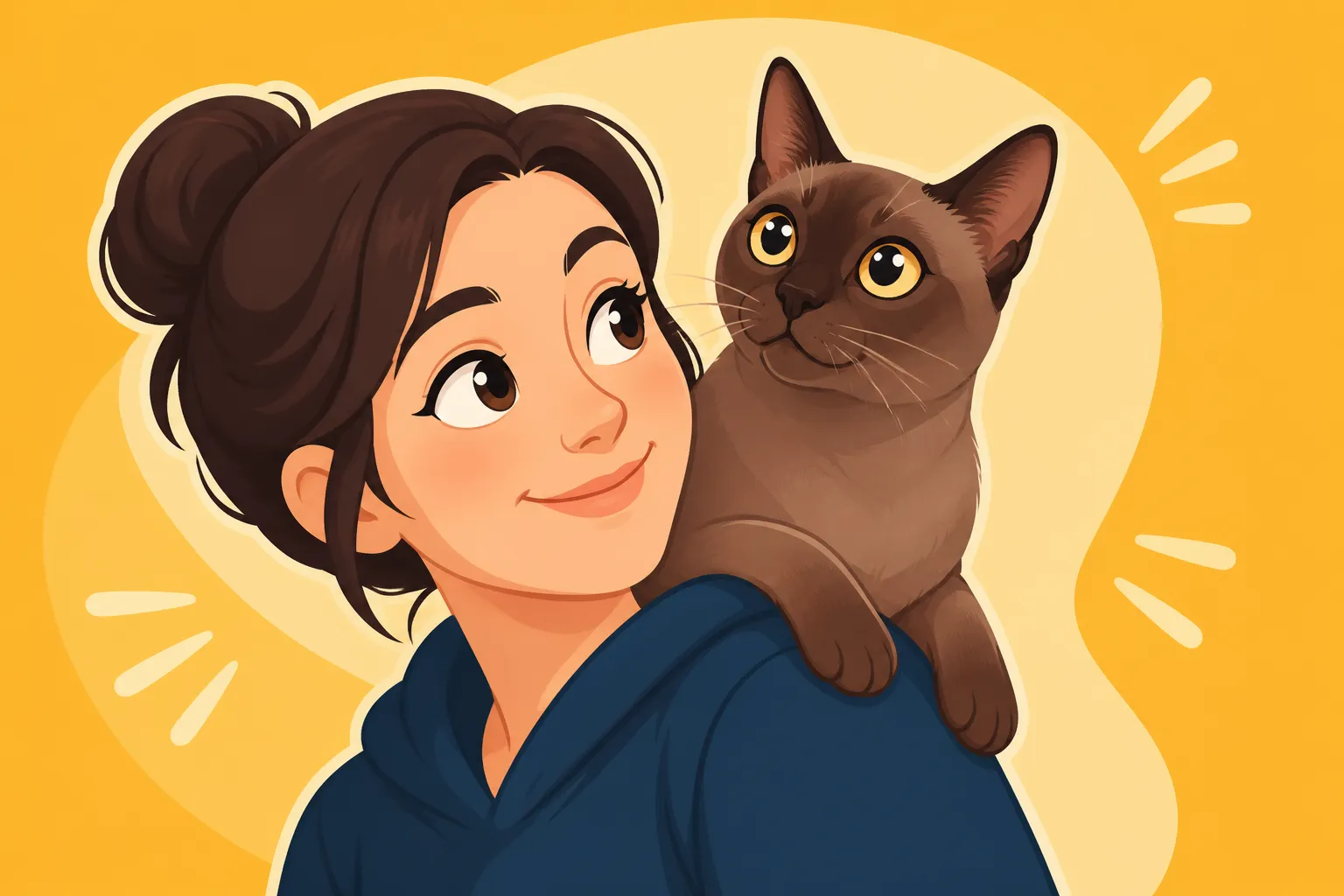
That sudden weight on your shoulder, the soft purr vibrating against your ear, the feeling of tiny paws gripping your clothes – if you live with a Burmese, you know this sensation well. While many cats love a good cuddle on the lap, the Burmese often takes affection to new heights, quite literally, by riding around on your shoulder like a tiny, regal parrot. It's a charming quirk, but it leaves many owners wondering: why there? This guide will dive deep into the fascinating reasons behind this unique Burmese behavior, exploring everything from their inherent personality to their physical needs, and how you can best embrace (or gently redirect) this delightful trait.
The Burmese's Innate Need for Closeness: The Ultimate Companion
The Burmese cat is not just affectionate; it's a breed that thrives on constant, physical connection with its human companions. They aren't content with just being in the same room; they want to be on you, near you, and often, riding you. This profound need for closeness is at the very heart of why your Burmese claims your shoulder as its personal perch. It’s not just a habit; it’s a fundamental expression of their personality and their intense bond with you.
The Velcro Cat Persona
You've probably heard the term "Velcro cat" used to describe overly affectionate felines, but the Burmese truly embodies this description. They want to be stuck to you, following your every move, and always within petting distance. This isn't a cat that will politely sit on the arm of the sofa while you watch TV; it will be right there, probably on your chest or, yes, on your shoulder. Their desire for proximity is almost dog-like, making them incredibly interactive pets. They crave attention and physical contact, feeling safest and happiest when they're directly involved in whatever you're doing, no matter how mundane. This deep-seated need for constant reassurance and connection means they're constantly seeking the warmest, closest spot to you, and often, that spot happens to be elevated. The Burmese Is the Velcro Cat of the Cat Fancy explores this trait in more detail.
This intense attachment stems from their breed's history and development. Unlike some breeds that retain a more independent streak, the Burmese was selectively bred for its exceptional temperament and desire for human interaction. They are truly people-oriented cats, designed to be constant companions. This isn't a cat you can ignore for long stretches; they will actively seek you out, vocalizing their desire for attention or simply materializing in your personal space. When they choose your shoulder, they're not just looking for a ride; they're fulfilling this innate drive for absolute connection, positioning themselves where they can feel your warmth, hear your heartbeat, and be an undeniable part of your world. It's a testament to how deeply they value their human relationships.
Seeking the Highest Perch
While many cats enjoy a good lap-sit, the Burmese often prefers to be even higher. Think about it from a cat's perspective: a lap is good, but a shoulder is a whole new level of elevation, offering a superior vantage point. For a cat that wants to be involved and observant, being on a shoulder means they can see everything you see, participate in your activities from a privileged position, and feel like they're truly your co-pilot in life. This isn't about dominance; it's about engagement and curiosity. They want to be at your eye level, or even slightly above, to better gauge your reactions, follow your gaze, and feel completely immersed in your immediate environment.
This desire for elevation also speaks to their playful and intelligent nature. They are curious creatures who want to know what's going on, and a shoulder provides the best seat in the house. It allows them to survey their surroundings with a keen interest, watching the world unfold from a safe, warm, and intimate spot. They get to be right in the thick of things without being underfoot, making them feel like an integral, rather than just a peripheral, part of the household. This instinct to climb and observe is part of what makes them such fascinating and engaging companions, always eager to explore their world from a new perspective, especially when that perspective is shared with their favorite human.
Following Their Human Everywhere
The Burmese isn't one to let you out of their sight. If you move from the kitchen to the living room, they'll be right behind you, often winding through your legs. If you head to the bathroom, expect a persistent paw under the door. Shoulder-riding is a natural extension of this "shadowing" behavior. Instead of just following on the floor, they've figured out a way to get a permanent ride-along ticket. It's a brilliant solution for a cat determined not to miss a moment of your presence. This constant companionship is why many Burmese breeders recommend getting two kittens, as a lone Burmese can develop separation anxiety if left alone too much. Why a Burmese Cannot Be Left Alone All Day delves into this issue.
Their devotion means they consider your space their space, and your activities their activities. If you're walking around the house, they don't want to be left behind, and they certainly don't want to be trampled. Hopping onto your shoulder solves both problems, turning you into a mobile cat tree. This behavior is deeply rooted in their desire for constant interaction and reassurance. They literally want to be joined at the hip, or rather, the shoulder. It's a beautiful, albeit sometimes slightly inconvenient, demonstration of their unwavering loyalty and affection, showing just how much they cherish every moment spent in your company.
Safety and Security from a Vantage Point: A World Seen from Above
Cats are naturally drawn to high places, a remnant of their wild ancestors seeking safety from predators and a better hunting perspective. For the Burmese, this instinct is still very much alive, and your shoulder offers a unique blend of security, warmth, and an unparalleled view of their indoor jungle.
Surveying Their Territory
From the height of your shoulder, a Burmese gains an excellent vantage point to survey their territory. They can observe everything happening in the room, from the movement of other pets to the arrival of new people, or even just the subtle shift of sunlight across the floor. This elevated position provides a sense of control and awareness, allowing them to assess their environment and feel secure. It's their personal observation deck, giving them a bird's-eye view (or rather, a cat's-eye view) of the goings-on. They might be quietly observing, or they might be intensely focused on something outside the window, feeling safer and more confident perched high above the fray.
This behavior isn't just about curiosity; it's also about feeling secure. In a multi-pet household, being on your shoulder can provide a safe haven from playful dogs or other cats. It's a place where they can relax and observe without being disturbed. The proximity to you further enhances this feeling of security, as they are literally under your protection. This combination of a good view and a feeling of safety makes your shoulder an irresistible spot for a Burmese, fulfilling their innate desire for a secure perch while simultaneously satisfying their endless curiosity about their surroundings.
Feeling Protected in a Busy Home
If you have a bustling household with children, other pets, or frequent visitors, your shoulder becomes a refuge. It elevates your Burmese above the hustle and bustle, keeping them out of the reach of curious toddlers or boisterous dogs. It's a place where they can feel safe and untouchable, yet still be right in the middle of the family action. This is particularly valuable for a breed that thrives on social interaction but might also appreciate a safe retreat within that interaction. Why a Burmese Treats Children and Dogs as More Company talks about their adaptability to varied family dynamics, but even the most sociable cat needs personal space.
Imagine a toddler chasing a ball, or a dog wagging its tail with boundless energy. Being on your shoulder allows the Burmese to remain part of the scene without being overwhelmed or feeling threatened. They trust you to navigate the environment and keep them safe, reinforcing their bond with you. This feeling of being protected allows their naturally affectionate and playful personality to shine, as they don't have to worry about defending their personal space. It's a testament to the deep trust they place in you, viewing you as their ultimate protector and the most stable, secure platform in their world.
Instinctual Behavior Mimicking Wild Ancestors
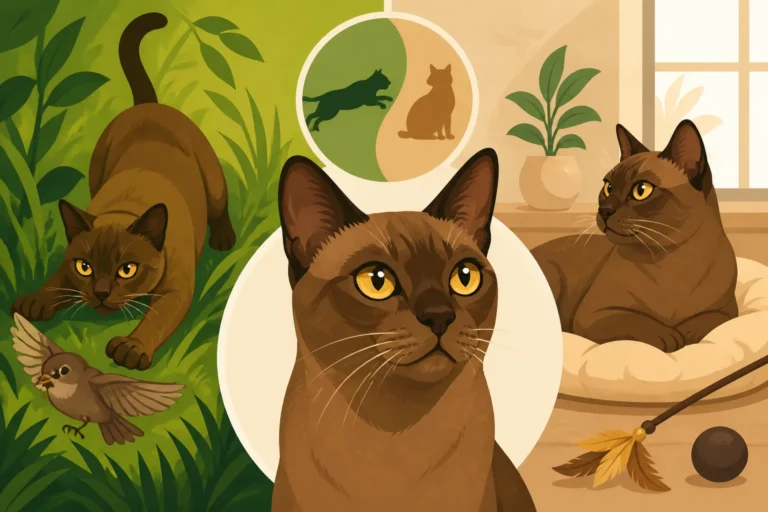
While your Burmese is a far cry from its wild feline ancestors, some primal instincts remain. Wild cats often climb trees or high structures to survey their hunting grounds, spot potential threats, and find safe spots to rest. Your shoulder, in a domestic setting, serves a similar purpose. It's a elevated, mobile platform that allows them to observe their "prey" (perhaps a dangling toy or a fly on the wall) or simply rest in a secure, elevated position.
This isn't to say your Burmese sees you as a tree, but rather that the instinct to seek height for safety and observation is deeply ingrained. By offering your shoulder, you are unknowingly providing an outlet for this ancient behavior in a way that feels natural and comforting to them. It's a sweet reminder of their wild heritage, even as they purr contentedly against your ear in your living room. The comfort they derive from this position is profound, tapping into a deeply rooted sense of security that goes back generations.
Communication and Connection Through Proximity: More Than Just a Ride
Shoulder riding for a Burmese isn't just about getting from point A to point B or finding a high perch; it's a powerful form of communication and a profound way for them to connect with you. When they choose your shoulder, they're often expressing affection, seeking reassurance, or simply trying to tell you something.
A Unique Form of Affection
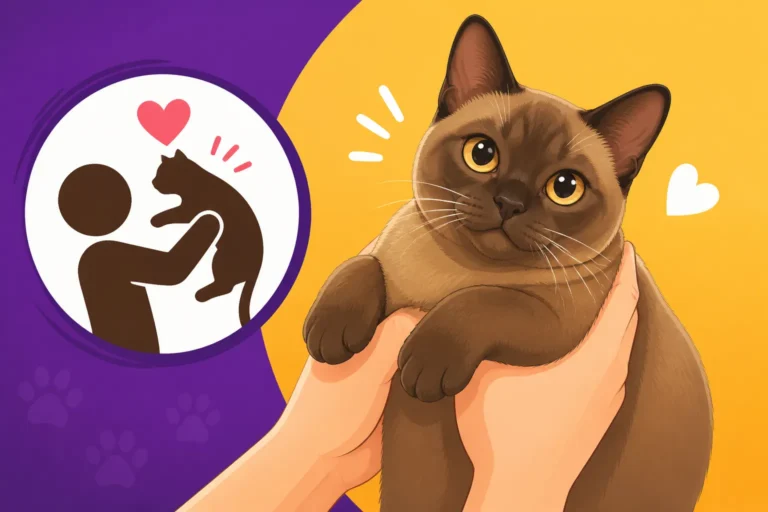
For a Burmese, riding on your shoulder is one of the most intimate forms of affection they can offer. It's a statement of complete trust and devotion. They are putting themselves in a vulnerable position, relying on you for balance and safety, and in return, they receive constant physical contact and closeness. This isn't a casual interaction; it's a deeply meaningful exchange of affection. They might nudge your cheek with their head, purr intensely, or simply relax into your shoulder, communicating their contentment and love without a single meow.
This unique form of affection sets the Burmese apart. While other cats might rub against your legs or head-butt your hand, the shoulder ride is an immersive experience. It allows them to feel completely enveloped by your presence, absorbing your scent, your warmth, and the rhythm of your movements. It’s their way of saying, "I choose you, and I want to be as close to you as physically possible." This constant connection is exactly what a Burmese craves, making the shoulder an ideal place for them to express their deep bond.
The Raspy Rumble
One of the most distinctive features of a Burmese is their voice. They don't typically have the loud, demanding wail of a Siamese. Instead, they have a soft, raspy rumble or a quiet chirp, which they often reserve for close-up conversations with their favorite humans. When your Burmese is on your shoulder, you're perfectly positioned to hear this intimate vocalization. The vibrations of their purr resonate through your body, and their soft murmurs are directed right into your ear, making the experience even more personal. The Rasping Rumble a Burmese Uses Instead of a Meow details this charming vocal characteristic.
This proximity allows for a unique form of dialogue. They might "talk" to you about the interesting things they see from their perch, or simply express their profound happiness at being so close. The raspy rumble is a clear sign of contentment and trust, and when it's delivered directly into your ear from your shoulder, it's an unmistakable declaration of love. It’s an exclusive communication, a whispered secret between you and your cat, made possible by the intimate closeness of the shoulder ride.
Interpreting the Shoulder Request
Sometimes, a Burmese will simply jump onto your shoulder, but other times, they might solicit the ride. They might stand on your leg and look up expectantly, or even stretch their front paws up your back, giving you a gentle "climbing" signal. Learning to interpret these subtle cues can deepen your bond. They might be seeking comfort, attention, or perhaps they're bored and looking for some interactive play as you walk through the house. Ignoring these signals can sometimes lead to an anxious or frustrated cat, so understanding their needs is key.
A Burmese might use the shoulder as a way to get your attention for various reasons:
- Hunger: "Are you going to the kitchen? I'd like to supervise."
- Playtime: "I'm bored up here, can you grab that wand toy?"
- Cuddles: "I just want to be close to you and purr."
- Exploration: "Let's see what's happening in the next room from this angle."
By paying attention to the context of their shoulder requests, you can better understand their needs and respond appropriately. This isn't just a cat jumping on you; it's a sentient being trying to communicate, and your shoulder is their chosen platform for this intimate dialogue. It’s a prime example of The Signal a Burmese Gives Before It Climbs You.
Physical Comfort and Warmth: A Cozy Spot in Any Season
The physical characteristics of the Burmese cat, particularly their short, sleek coat, play a significant role in why they seek out warm, cozy spots – and your shoulder fits the bill perfectly.
The Short, Satin Coat and Heat Seeking
The Burmese is renowned for its short, satin-like coat that lies close to its muscular body. Unlike many other cat breeds, they have very little undercoat, which means they don't have that extra layer of insulation. This makes them more susceptible to feeling cold, even indoors. Consequently, Burmese cats are champion heat-seekers, always on the lookout for the warmest spot in the house. Your shoulder, with its direct skin-to-skin contact (or close to it) and the constant warmth emanating from your body, is an ideal thermal paradise for them. Why a Short Coated Burmese Seeks Body Heat explains this further.
This drive for warmth isn't just about comfort; it's a fundamental physical need. You'll often find them curled up in sunbeams, nestled under blankets, or, yes, draped across your body. Your shoulder provides a consistent, portable source of warmth that few other places can match. It's like having a living, purring hot water bottle that also happens to love you fiercely. This seeking of warmth is a testament to their physical makeup, and your shoulder becomes a primary destination for fulfilling this instinctual need for cozy comfort.
Body Heat as a Comfort Blanket
Beyond just the basic need for warmth, the consistent body heat from you acts as a sort of comfort blanket for your Burmese. It's a soothing sensation that complements their affectionate nature, creating an almost symbiotic relationship. You provide the warmth and security, and they provide the purrs and undeniable cuteness. This exchange deepens their sense of well-being and attachment. Imagine feeling a little chilly and finding the perfect, warm spot right next to your favorite person – that's what your shoulder offers to your Burmese.
This warmth isn't just passive; it's active. As you move around, your body generates heat, and your Burmese gets to bask in it. This makes your shoulder superior to a stationary heated bed, as it's mobile and constantly radiating warmth. It's why they might settle in for a long nap on your shoulder, completely relaxed and trusting, knowing they are both warm and safe. The feeling of your body heat is an essential ingredient in the recipe for a truly content Burmese.
Draping Across a Warm Shoulder
Observing a Burmese on a shoulder, you'll often notice how they artfully drape themselves across it. Their muscular, yet agile bodies are perfectly suited for balancing there. They might lean their head into your neck, or stretch out slightly, using your shoulder and upper back as a personal chaise lounge. This draping posture allows for maximum contact and heat transfer, making them incredibly efficient at soaking up your warmth. How to Carry a Burmese Around Without Dropping It can offer tips for holding them securely if they're not naturally balancing.
This isn't just about finding a spot; it's about finding the best spot. The contours of your shoulder and neck often create a natural little hollow where they can nestle in, feeling supported and utterly comfortable. This ability to make themselves at home in such a unique spot speaks volumes about their physical adaptability and their determination to be as close and as warm as possible. It's a charming habit that combines their physical needs with their boundless affection, creating a picture of pure contentment.
Training and Reinforcement: How We Encourage the Behavior
While much of a Burmese's shoulder-riding comes from their natural instincts and personality, human interaction plays a huge role in reinforcing and shaping this behavior. Whether intentionally or not, we often teach our Burmese that the shoulder is a prime place to be.
Early Kittenhood Conditioning
The seeds of shoulder-riding are often sown very early in a Burmese kitten's life. Breeders and early owners often handle these highly sociable kittens extensively, picking them up, cuddling them, and carrying them around. A tiny kitten, seeking warmth and security, quickly learns that being held close to a human provides immense comfort. As they grow, and become more agile and curious, the shoulder becomes the natural progression from the arms or lap. If a kitten is consistently allowed and encouraged to climb onto a shoulder, it quickly becomes part of their behavioral repertoire.
Consider a Burmese kitten, full of boundless energy and affection. When it scrambles up your body and lands on your shoulder, what's your typical reaction? Most likely, it's a gentle smile, a soft stroke, and perhaps a murmur of "Oh, you're so cute!" This positive feedback, even if unintentional, tells the kitten: "This is a good thing! Keep doing it!" This early conditioning, combined with their natural inclination for height and closeness, solidifies the shoulder as a preferred location. A Burmese Kitten's First Year of Never Being Alone emphasizes the importance of early socialization and constant company.
Positive Reinforcement from Owners
Cats, like all animals, respond strongly to positive reinforcement. When your Burmese jumps onto your shoulder and receives pets, verbal praise, or simply the continued attention of being carried around, they are being positively reinforced. They associate the act of shoulder-riding with pleasant sensations and desired outcomes. This can be as simple as you continuing to walk around the house, talking to them, or letting them "help" you with chores from their elevated perch.
Even if you don't explicitly train them to do it, your reaction shapes their behavior. If you immediately stop what you're doing to give them a head scratch when they land on your shoulder, they learn that the shoulder is a great way to get immediate, focused attention. Conversely, if you gently remove them every time, they might learn that it's not always acceptable. The key is consistency in your response, whether you want to encourage or discourage the behavior. Most Burmese owners, however, find the shoulder ride too endearing to actively discourage it, thus reinforcing it daily.
Making the Shoulder a Habit
Over time, through consistent reinforcement, shoulder-riding can become a deeply ingrained habit. Your Burmese will come to expect it, and it will become a normal part of your daily routine. They might even develop a specific cue, like a little jump onto your leg or a persistent nudge, indicating they're ready for their ride. This habit formation is a powerful aspect of animal behavior, demonstrating how consistent interaction shapes their preferences.
Think about how many times a day your Burmese might hop onto your shoulder. Each instance, followed by a positive or neutral (but not negative) response from you, strengthens the habit. It becomes less about an isolated act and more about a consistent pattern of interaction. This is why a Burmese that has been shoulder-riding since kittenhood will likely continue to do so well into old age. What a Burmese Is Still Doing at Twelve showcases their lasting playful and affectionate nature. It's not just a habit for them; it's part of your shared life.
Addressing the Challenges and Management: When It's Too Much
While a Burmese riding on your shoulder is incredibly charming, there might be times when it's not ideal. Perhaps you're cooking, carrying something fragile, or simply need a moment without a cat draped across you. It's important to know how to gently manage this behavior without alienating your affectionate companion.
Setting Boundaries Safely
Setting boundaries with a Burmese requires consistency and gentleness. They are sensitive souls, and you don't want to make them feel rejected. If you need them off your shoulder, gently lift them down and place them in a comfortable spot nearby, perhaps on a cat tree or a soft blanket, with a kind word and a stroke. The key is to redirect their desire for closeness, rather than simply dismissing them. Avoid pushing them off or reacting with frustration, as this can damage their trust.
One effective method is to use a specific phrase or sound when you need them to get down, followed by a reward when they comply. For example, "Down, cat," followed by placing them on a designated spot and offering a small treat or a favorite toy. This teaches them an alternative behavior while still reinforcing your bond. Over time, they will associate the command with being gently moved and will understand that it's not a punishment. This proactive approach helps manage the behavior without causing stress to your highly attached feline.
Providing Alternative High Places
Since Burmese cats naturally seek high vantage points, providing attractive alternatives can help redirect their climbing energy away from your shoulder. Invest in sturdy cat trees, wall-mounted shelves, or even cozy window perches. Place these in rooms where you spend a lot of time, so they can still observe and be near you, just from a different elevated position. Look for highly-rated cat trees on Amazon, ensuring they are stable and tall enough to satisfy that "high perch" instinct.
The trick is to make these alternative spots as appealing as your shoulder. Ensure they are comfortable, perhaps with a soft blanket or a favorite toy. You can also use treats or praise to encourage them to use these new perches. If they associate the cat tree with positive experiences, they might be more inclined to choose it when your shoulder is unavailable. The goal is not to eliminate their desire for height, but to offer them other, equally satisfying options that work better for both of you at certain times.
When Shoulder Riding Becomes Excessive
While rare, sometimes a cat's need for constant physical contact, including shoulder riding, can become excessive, signaling underlying anxiety or a lack of alternative stimulation. If your Burmese seems to demand to be on your shoulder almost constantly, becoming agitated or destructive when prevented, it might be a sign of separation anxiety or insufficient enrichment. What Separation Anxiety Looks Like in a Burmese is a good resource if you suspect this.
In such cases, it's important to assess their environment and routine. Are they getting enough playtime? Do they have enough stimulating toys? Is there another cat for companionship? (Burmese often do best in pairs for this very reason.) Sometimes, simply increasing interactive play sessions with wand toys (many great options are available on Amazon) or providing puzzle feeders can help redirect their energy and alleviate anxiety, making them less clingy in an unhealthy way. If the behavior is genuinely causing distress for either you or your cat, consulting with a vet or a feline behaviorist can offer tailored strategies.
Here's a quick comparison of the motivations behind different elevated perches for your Burmese:
| Perch Type | Primary Motivation | Secondary Benefits | Owner Interaction Level |
|---|---|---|---|
| Owner's Shoulder | Closeness, security, body warmth, communication | Excellent vantage point, mobile observation, immediate affection | High (constant) |
| Cat Tree/Tower | Safety, territorial observation, scratching outlet | Play, exercise, designated personal space | Low (can be independent) |
| Window Perch | External observation (birds, squirrels), sunbathing | Warmth from sun, mental stimulation, rest | Low (independent) |
| Shelf/High Furniture | Safety, territorial survey, rest | Out of reach of other pets/children, quiet retreat | Low (independent) |
The Joy and Responsibility of a Shoulder Cat: Embracing a Unique Bond
Living with a Burmese is a truly unique experience, and having a cat that frequently rides on your shoulder is one of its most charming facets. It speaks volumes about the deep trust and affection they have for you, but it also comes with its own set of considerations.
The Unmistakable Burmese Charm
There's no denying the joy and charm of a shoulder-riding Burmese. It's a hallmark of the breed's extraordinary personality and their intense desire for companionship. People are often captivated by this behavior, seeing it as a delightful testament to the cat's unique bond with its owner. It's a conversation starter, a source of endless amusement, and a constant reminder of the special relationship you share. This isn't just a pet; it's a furry, purring extension of yourself, an affectionate shadow that elevates your daily life. Why a Burmese Pushes Its Face Into Your Palm delves deeper into these charming displays of affection.
Embrace this distinctive trait for what it is: a beautiful expression of love from a cat that wants nothing more than to be with you. It's a quirky, endearing habit that makes every interaction with your Burmese memorable and demonstrates just how deeply they integrate themselves into your life. The world might see a cat on a shoulder, but you feel the warmth, hear the rumble, and know it's a profound connection.
Ensuring Their Safety on High
While your shoulder is a favorite spot, it also carries a responsibility. You need to be mindful of your Burmese's safety, especially when they're perched precariously. Be cautious when bending over, walking through doorways, or turning quickly. Ensure they have a clear path to jump down if they feel unsteady, and avoid carrying them into situations where they might get startled or injured.
If you know you're going to be performing tasks that might put them at risk, it's better to gently place them down beforehand, perhaps with a tempting toy or treat nearby. For instance, if you're carrying a hot beverage or handling sharp objects, it’s safer for them to be on the floor or a nearby cat tree. Your Burmese trusts you implicitly, and maintaining that trust means prioritizing their safety, even when they're seeking closeness.
Building a Stronger Bond
Ultimately, allowing your Burmese to ride on your shoulder, within reasonable limits, can significantly strengthen your bond. It's an intimate act that fosters trust, communication, and mutual affection. By accommodating their desire for closeness and providing them with this unique form of interaction, you reinforce their understanding that you are their safe harbor, their constant companion, and the center of their world.
The shoulder ride is more than just a physical act; it's a ritual of connection. It's a shared experience that deepens the emotional ties between you and your cherished feline. Every purr, every nuzzle, every moment they spend balanced on your shoulder adds another layer to the beautiful, complex relationship you share. It’s a testament to the fact that Burmese cats aren't just pets; they're family, right there on your shoulder, every step of the way.
Disclaimer
This article is for general informational purposes only and does not constitute professional advice. Laws, prices and regulations vary by location and change over time. Consult a qualified professional for guidance on your specific situation.