Whether a Burmese’s Hunting Drive Survived Domestication
If you've ever watched your Burmese cat intently tracking a dust bunny or pouncing on a crinkly ball with laser-like focus, you might wonder if they're still carrying the instincts of their wild ancestors. Many people mistakenly believe that domestication has ironed out the innate predatory drives in our beloved felines, leading them to underestimate just how much their Burmese still needs to "hunt" for a happy, well-adjusted life. This guide will dive deep into the fascinating world of your Burmese's primal instincts, explaining why their hunting drive is very much alive and how you can satisfy it in ways that keep both you and your cherished companion content and stimulated.
The Unmistakable Echoes of the Wild in Your Burmese
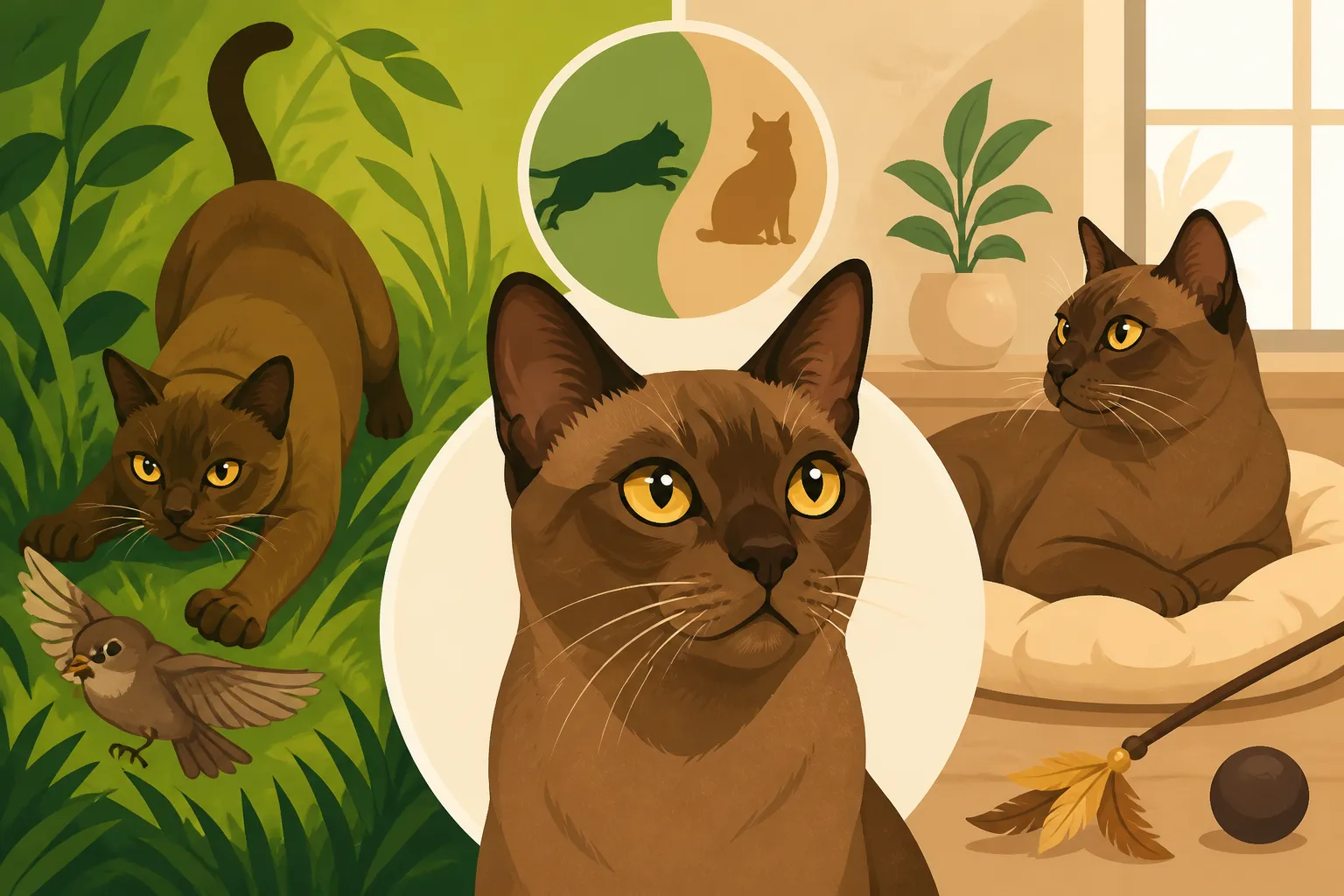
Even though your Burmese likely spends its days napping on sunbeams and purring on your lap, don't be fooled. Beneath that silky-soft coat lies a highly efficient predator, finely tuned over millennia to hunt. Domestication hasn't removed these instincts; it's simply shifted their focus. For a Burmese, a wiggling wand toy isn't just a toy – it's vital prey to be pursued, captured, and "killed." This deeply ingrained behavior is crucial for their mental and physical well-being.
More Than Just Play: The Serious Business of "Hunting" Toys
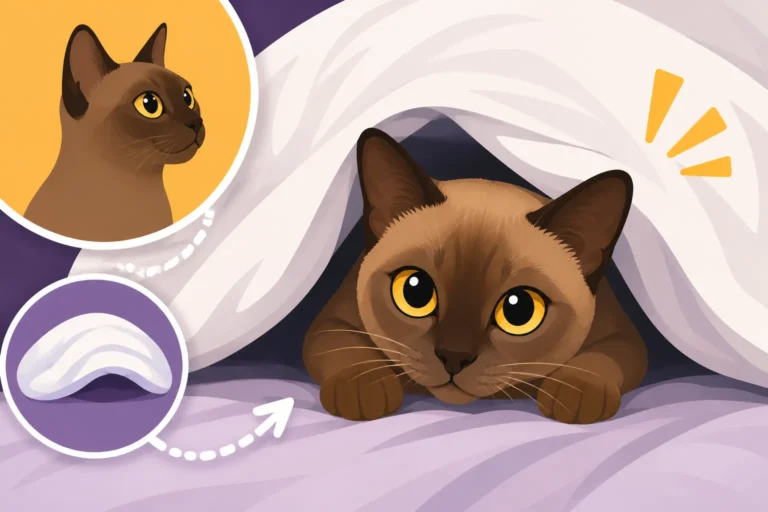
When your Burmese engages with a toy, they're not merely amusing themselves. They're enacting a complex series of behaviors that mirror a genuine hunt. Think about it: the intense stare, the low crouch, the slow, deliberate stalk, the explosive pounce, and the final "kill" bite or bunny kick. These are not learned tricks; they are hardwired responses. Providing appropriate toys allows them to express these natural behaviors safely. Without these outlets, a Burmese can become bored, frustrated, and even anxious. You might notice them fixating on household objects, batting at your feet under a blanket, or even attempting to "hunt" other pets or family members. It's not aggression; it's simply a misdirected instinct looking for an outlet. Which Toys Keep a Burmese Busy When You Are Out delves into specific options that can keep them engaged even when you're not actively playing.
Stalking the Living Room Prey: Observation and Pouncing Skills
The Burmese cat is incredibly agile and intelligent, traits that were essential for their wild predecessors to survive. You'll often see them observing their surroundings with an almost hawk-like intensity, particularly when a tiny speck of light from a window dances across the floor or a small insect makes an appearance. They might follow these "prey" movements with their eyes, twitching their tail, and then, without warning, launch themselves into action. This isn't random; it's a practice run for the real deal. They are honing their coordination, timing, and stealth. Creating an environment with varying heights, such as cat trees or shelves, gives them vantage points from which to observe and "hunt," much like a wild cat surveying its territory. Even chasing a laser pointer, while not offering a tangible "kill," still engages their pursuit instinct and sharpens their pouncing accuracy.
Why Domestication Didn't Erase the Instinct, Just Redirected It
Our ancestors didn't breed cats to sit on laps instead of hunting; they bred them to live alongside humans and control pests. This selective pressure didn't extinguish the predatory drive but rather made it adaptable to a domestic setting. The Burmese, known for its intelligence and keen senses, retains these ancestral traits vividly.
The Genetic Blueprint of a Hunter
Every purr, every pounce, every twitch of an ear is rooted in the Burmese's genetic makeup. Cats are obligate carnivores, meaning their bodies are designed to derive nutrients from meat. This fundamental dietary need goes hand-in-hand with their predatory nature. From their sharp teeth and retractable claws to their incredible night vision and sensitive whiskers, every physical attribute points to a skilled hunter. While your Burmese doesn't need to catch its dinner, the instinct to do so remains powerfully embedded. This is why a simple string or a feather wand can ignite such primal intensity in them. They are literally fulfilling their biological destiny, even if it's with a toy bought from Amazon.
From Survival to Enrichment: The Shift in Purpose
In the wild, hunting is a matter of survival – finding food, asserting territory, and developing crucial life skills. For your domestic Burmese, these drives are still present, but their purpose has shifted. Now, hunting becomes a form of enrichment. It's how they stay mentally sharp, physically fit, and emotionally balanced. Imagine the frustration of having a powerful, finely tuned engine but no road to drive on. That's what it's like for a Burmese without adequate outlets for their hunting instincts. This is also why providing ample opportunity for play is so critical, especially since A Burmese Is Still Playing at Fifteen, demonstrating their lifelong need for this type of engagement. Without constructive outlets, this energy can manifest in less desirable ways, such as excessive vocalization, destructive scratching, or even withdrawal.
Channeling the Predator: Safe and Satisfying Outlets
Knowing that your Burmese is a hunter at heart means you have a responsibility to provide safe, stimulating, and appropriate ways for them to express these natural behaviors. It’s not about stopping them from being a hunter, but about guiding them to be a happy indoor hunter.
Interactive Play: The Cornerstone of Burmese Happiness
This is perhaps the most critical component of fulfilling your Burmese's hunting drive. Interactive play involves you, the "prey operator," and your cat, the hunter. Wand toys with feathers, ribbons, or small soft toys on the end are fantastic. The key is to mimic the erratic movements of real prey: darting, hiding, pausing, and then suddenly appearing. Let your Burmese stalk, chase, and then finally "capture" the toy. Allow them to feel the satisfaction of the catch. Don't just dangle a toy in front of them; make them work for it. Let them drag it away, "kill" it, and then "bring it back" to you, a behavior you might recognize if Whether a Burmese Brings a Toy Back to Your Lap has ever happened with your own cat. Aim for several short play sessions throughout the day, especially around dawn and dusk, which are prime hunting times for cats.
Here's a small table illustrating how different play methods satisfy various hunting instincts:
| Hunting Instinct | Play Method | Recommended Toys / Activities |
|---|---|---|
| Stalking | Wand play, laser pointers (with a catch) | Feather wands, long string toys, slow-moving laser dots |
| Chasing | Running, jumping, fast-moving toys | Remote control mice, spring-loaded toys, cat teasers |
| Pouncing | Surprise attacks, concealed toys | Pop-up toys, crinkly balls, crumpled paper, "kickeroo" toys |
| Capturing/Killing | Tug-of-war (gently), "bunny kicking" toys | Soft plush toys (mouse/bird shaped), stuffed socks, kick sticks |
| Retrieving | Teaching 'fetch' | Lightweight balls, small soft toys, crumpled paper |
Puzzle Feeders and Food Motivation: Brains and Brawn
Another excellent way to engage their hunting drive is through their food. Instead of simply placing a bowl down, make them work for their meal. Puzzle feeders encourage natural foraging behaviors and slow down eating, which is particularly beneficial for a breed like the Burmese that is prone to being overweight and developing diabetes. There are many types of puzzle feeders available on sites like Amazon, from simple treat balls that dispense kibble as they roll them around, to more complex contraptions that require problem-solving to unlock compartments. This taps into their intelligence and their natural instinct to "find" their food. Using these can be especially helpful if you're trying to manage their weight or if you have a Burmese that tends to gobble their food too quickly. Which Puzzle Feeder Slows a Greedy Burmese Down offers more in-depth advice on selecting the right one.
When you're not able to actively play, puzzle feeders can provide a valuable mental workout. They turn mealtime into a mini-hunt, engaging their minds and bodies. You can even hide small portions of their daily kibble ration around the house, encouraging them to use their excellent sense of smell and cunning to locate their "prey." This mimics the natural scattered foraging that cats would do in the wild.
The Great Outdoors (Safely): Catios and Leash Walking
While allowing a Burmese to roam freely outdoors is generally ill-advised due to their trusting nature and lack of street smarts – Why a Burmese Trusts Strangers Too Much to Roam is a critical read on this topic – you can still offer them safe outdoor experiences that tap into their natural curiosity and hunting instincts. A catio, a secure outdoor enclosure, provides a safe way for your Burmese to experience fresh air, observe birds and insects, and feel the sun on their fur without the dangers of traffic, predators, or getting lost. This can be a wonderful form of enrichment, allowing them to reconnect with a more natural environment.
Another option for some Burmese is leash training. Yes, cats can be leash trained! With patience and positive reinforcement, many Burmese will readily accept a harness and enjoy exploring a safe, quiet outdoor space with you. This isn't about letting them run wild, but rather about supervised exploration where they can sniff new scents, feel different textures under their paws, and engage their senses in a way that indoor life simply can't replicate. It's a fantastic way to broaden their world and provide unique stimulation for their inherent hunting and exploring instincts.
Understanding the Consequences of a Bored Burmese Hunter
A Burmese that doesn't get enough mental and physical stimulation can quickly become a troubled cat. Their sharp minds and high energy levels mean they need consistent engagement to thrive. Ignoring their hunting drive is akin to asking a dog breed bred for herding to sit still all day with nothing to do. It rarely ends well.
Redirected Energy: When Instinct Turns Destructive
If your Burmese isn't given appropriate outlets for their hunting instincts, that energy has to go somewhere. This often leads to behaviors we humans perceive as destructive or problematic. You might find them scratching furniture excessively, pouncing on your feet as you walk by, or even developing obsessive behaviors like chewing on fabrics or pulling out their own fur. These aren't signs of a "bad" cat; they are cries for help from a bored or frustrated predator. Imagine a sleek, powerful machine with no job to do – it will inevitably start making its own "fun," often at your expense.
They might also try to hunt objects in your home that aren't meant to be toys, like electrical cords, houseplants, or even your beloved possessions. This can be annoying, costly, and even dangerous. Providing consistent, engaging playtime and enrichment items (like those found on Amazon or from dedicated pet stores) is not just a luxury; it's a necessity for preventing these undesirable behaviors and ensuring a harmonious household. What a Camera Catches a Lonely Burmese Doing can be an eye-opening read if you suspect your cat is acting out when you're not around.
The Importance of Mental and Physical Stimulation
A Burmese needs both their mind and body to be active. Their intelligence means they crave puzzles and challenges, not just mindless activity. Combining physical exertion (chasing the wand toy) with mental engagement (figuring out a puzzle feeder) creates a well-rounded enrichment program. This kind of consistent stimulation ensures they use their natural hunting drives in positive ways, keeping them healthy, happy, and less prone to behavioral issues. Remember, a tired cat is often a good cat, and for a Burmese, "tired" often means they've had a satisfying "hunt." So embrace their inner predator, provide them with plenty of opportunities to stalk, chase, and pounce, and you'll be rewarded with a vibrant, affectionate, and wonderfully engaged companion.
Disclaimer
This article is for general informational purposes only and does not constitute professional advice. Laws, prices and regulations vary by location and change over time. Consult a qualified professional for guidance on your specific situation.