Why a Burmese Gets Right Under the Duvet
One of the most endearing, and sometimes bewildering, habits of a Burmese cat is their absolute dedication to burrowing under the duvet. If you've ever woken up to find a warm, purring lump pressed against your legs or even tucked right under your chin, you're not alone in wondering just why these intelligent, affectionate felines insist on becoming one with your bedding. This guide will dive deep into the fascinating reasons behind this charming trait, exploring their unique physical characteristics, profound social needs, and learned behaviors to help you understand your duvet-diving companion better.
The Burmese Need for Warmth: More Than Just Being Cozy
It's easy to assume your cat just wants to be snug, but for a Burmese, seeking out warmth is often a fundamental need rooted in their unique physiology. They aren't just looking for a bit of extra comfort; they're actively trying to regulate their body temperature in a way that many other breeds don't have to. This instinct is powerful and drives much of their burrowing behavior.
A Coat Built for Warmth (or Lack Thereof)
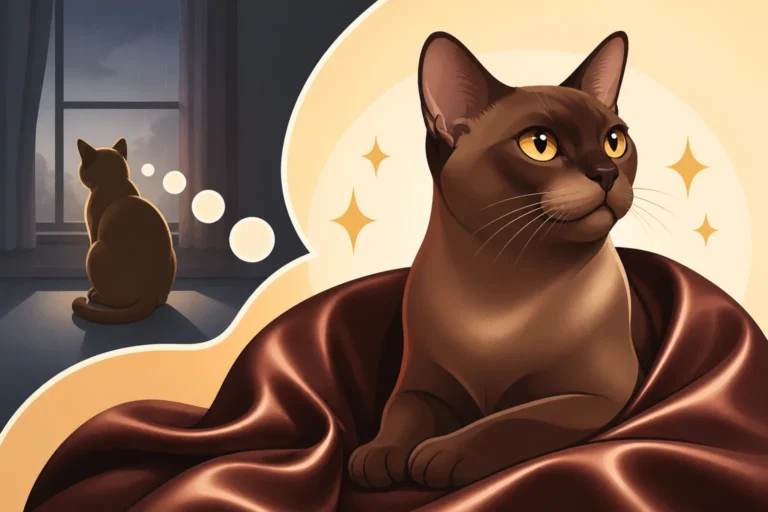
The Burmese is renowned for its short, fine, incredibly soft, and "satin" textured coat. It's truly a marvel to touch, feeling almost like polished silk. However, what makes it so distinctive also means it offers less insulation than the coats of many other cat breeds. Unlike, say, a Persian with its thick, luxurious double coat, or even a common domestic shorthair that often has a denser undercoat, the Burmese essentially lacks this protective layer. Their coat lies incredibly flat against their body, with minimal to no undercoat to trap warm air close to their skin.
Imagine wearing a thin silk scarf in chilly weather; it feels lovely, but it won't keep you truly warm. That's a bit like what it's like for a Burmese when the ambient temperature drops. This sparse fur means they lose body heat more readily to their surroundings. Consequently, they are much more susceptible to feeling cold than their longer-haired or denser-coated cousins. This isn't just about being a little cool; it's about a physiological need to find external heat sources to maintain their core body temperature efficiently. They are, in essence, highly efficient heat-seeking missiles, and your warm bed is the ultimate target. You’ll often hear us lifestyle bloggers mention that Why a Short Coated Burmese Seeks Body Heat is a natural phenomenon.
Why Their Body Temperature is a Big Deal
Cats, in general, have a slightly higher body temperature than humans, typically ranging from about 100.5 to 102.5 degrees Fahrenheit. They are incredibly efficient at regulating this internally, but when their environment isn't helping, they seek assistance. For a Burmese, whose coat doesn't provide the same thermal buffer, maintaining this ideal temperature requires more effort. This makes them particularly adept at finding and utilizing external heat. Your body heat, especially under the insulating layers of a duvet, is a perfect, consistent, and readily available source of warmth.
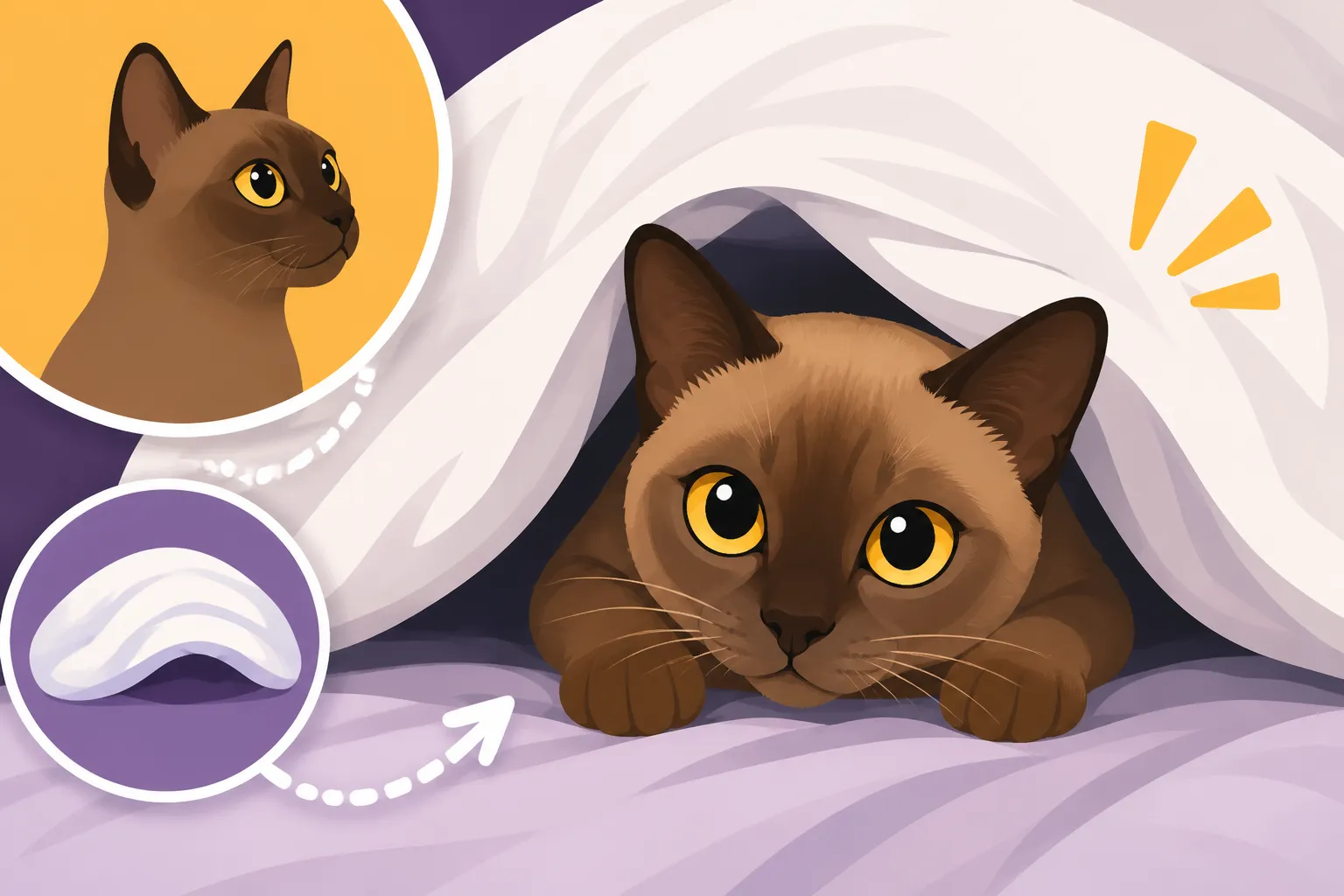
When they burrow under the covers, they're not just getting cozy; they're creating a microclimate. The trapped air, combined with your body heat, forms a warm cocoon that minimizes heat loss from their own bodies. This helps them stay comfortable and energetically efficient, rather than expending extra calories to generate their own warmth. It’s a smart, instinctual adaptation to their unique coat structure. This need for warmth is also why you might find them basking in sunbeams, snuggling with other pets, or finding the warmest radiator in the house. Your bed simply offers the most consistent and appealing source of sustained warmth and contact.
The Social Butterfly Under the Covers: Seeking Connection
Beyond the purely physical need for warmth, the Burmese is a breed defined by its profound affection and need for companionship. Their desire to be under the duvet with you is often as much about emotional connection as it is about physical comfort. They are truly the "Velcro cats" of the feline world, and your bed is prime real estate for bonding.
The 'Velcro Cat' Phenomenon
If you own a Burmese, you know exactly what we mean by "Velcro cat." These felines are famous for their intense attachment to their human companions. They don't just like being near you; they truly need to be an integral part of your life, following you from room to room, sitting on your lap the moment you sit down, and generally inserting themselves into every aspect of your day. This isn't clinginess; it's a deep-seated desire for connection and interaction. They want to be involved, to feel your presence, and to share your space. The Burmese Is the Velcro Cat of the Cat Fancy is a title they've truly earned.
Getting under the duvet is the ultimate expression of this "Velcro" tendency. It allows them to be in direct, skin-to-skin contact with you, feeling your breathing, your heartbeat, and your warmth. It's a profound form of intimacy for them, reinforcing their bond with you. For a Burmese, being under the covers isn't just about sleeping; it's about experiencing shared existence with their favorite person. They truly believe they are part of the family, and that includes sharing your most private space. They find immense comfort in your proximity, and the duvet provides the perfect private haven for this deep connection. In fact, if you tried to leave them alone, they would tell you all about it; Why a Burmese Cannot Let You Leave the Room is another common complaint from doting owners.
Mimicking the Litter Pile Comfort
Think back to a litter of kittens, all snuggled together in a warm, purring pile. This isn't just cute; it's a vital part of their early development. In a litter, kittens learn to regulate their body temperature by huddling together, sharing warmth and security with their siblings and mother. This creates a deeply imprinted sense of safety, comfort, and belonging.
When your Burmese burrows under the duvet with you, they are, in many ways, recreating that primal "kitten pile" experience. You become their surrogate littermate, their warm, comforting presence providing not just physical heat but also psychological security. The close confines of the duvet, the shared body heat, and the familiar scent of their human companion all contribute to a feeling of utter contentment and safety. It's a throwback to their most vulnerable and protected days, offering a profound sense of well-being that few other places can replicate. This instinct to seek closeness for both warmth and security often extends to other pets too; Why a Burmese Sleeps Against Another Cat is a common sight in multi-cat households.
Your Bed as a Safe Den
Cats are naturally drawn to enclosed, safe spaces. Think about how much they love boxes, carrier bags, or even a laundry basket. These small, defined areas offer a sense of security, protection from perceived threats, and a quiet retreat from the bustling world. For your Burmese, the space under the duvet acts as an ultimate den. It's dark, enclosed, quiet, and wonderfully warm – all the elements that make a cat feel supremely safe and comfortable.
The duvet provides a physical barrier, making them feel protected and hidden. In a busy household, or even just during the general activity of the day, having a personal, impenetrable sanctuary can be incredibly reassuring for a cat. While your Burmese is known for being outgoing, they still appreciate having a secure spot where they can truly relax without feeling exposed. Your bed, transformed into a cozy den by the covers, becomes their ultimate safe haven, a place where they can unwind, feel protected, and drift off into a deep, peaceful sleep knowing you are right there. For some Burmese, this spot becomes so ingrained that it’s the only place they’ll truly rest, leading to the question of Why a Burmese Will Not Sleep Anywhere but Your Bed.
Behavioral Roots: Instincts and Learned Comforts
While warmth and companionship are huge drivers, the Burmese's duvet-diving antics also have roots in deeper behavioral patterns, blending ancient feline instincts with the comforts learned from a lifetime of human interaction. It's a beautiful mix of wild and domestic.
Instinctual Hiding and Hunting
Even the most pampered housecat retains echoes of its wild ancestors' instincts, and hiding is certainly one of them. While your Burmese isn't likely stalking prey under the covers, the act of burrowing can tap into that primal urge to find a concealed spot. From a hidden vantage point, wild cats would survey their surroundings, ready to pounce or to remain unseen. Under the duvet, this might manifest as playful 'ambush' behavior, where they might bat at a wiggling foot or playfully 'attack' your hand if it dares to move under the covers.
It’s a safe, enclosed space that allows them to feel hidden and powerful, even if the "prey" is just your toes. This can be especially true for younger, more energetic Burmese who are still full of playful mischief. Even an older cat, who might not be actively "hunting," can find comfort and stimulation in the enclosed space, allowing their innate curiosity and playfulness to surface in a low-stakes environment. Indeed, the Burmese retains a remarkable zest for life, and it's not uncommon for them to still be keen players even in their golden years, as highlighted in topics like How Much Play a Burmese Still Demands at Ten.
Reinforcement from Human Interaction
Cats are incredibly smart and quick learners, especially when it comes to figuring out what behaviors get them positive attention from their humans. If your Burmese discovered the joy of burrowing under the covers and was met with cuddles, gentle pets, soothing voices, or even just delighted laughter, they quickly learned that this behavior is highly rewarding. Every time you respond positively, you're reinforcing the idea that "getting under the duvet equals good things!"
This creates a powerful feedback loop. The Burmese seeks warmth and affection, dives under the covers, receives positive attention, and thus the behavior becomes more entrenched. You might even find yourself unconsciously encouraging it – perhaps you automatically lift the corner of the duvet when they approach, or you give them an extra stroke when they settle in. These subtle cues, combined with their natural inclination for closeness, solidify the duvet as a prime spot for both physical comfort and emotional connection, all reinforced by your loving responses.
Habit Formation and Routine
Cats, especially intelligent and sensitive breeds like the Burmese, thrive on routine and predictability. Once a behavior becomes part of their daily or nightly ritual, it can be incredibly difficult to change, and often, why would you want to? If your Burmese started burrowing under the duvet as a kitten, perhaps because it was chilly or they instinctively sought closeness, it quickly became a comforting habit. Over time, this habit solidifies into a deeply ingrained routine.
They learn that bedtime means duvet time, or that a quiet afternoon nap is best enjoyed buried deep within the blankets. The sights, sounds, and smells associated with these routines trigger their desire to burrow. It's a predictable comfort in their world. This routine provides them with a sense of security and control, knowing what to expect and where to find their ultimate comfort zone. For many Burmese, the duvet isn't just a place; it's a fundamental part of their daily rhythm, a cornerstone of their contentment. This strong adherence to routine is why many Burmese owners find their cats insisting on sleeping in their bed every night, a phenomenon explored further in Why a Burmese Will Not Sleep Anywhere but Your Bed.
Managing the Duvet Diver: Tips for Peaceful Coexistence
While having a warm, purring Burmese snuggled under the duvet can be utterly delightful, it’s not always practical or comfortable for every owner. Maybe you’re a restless sleeper, or perhaps you just need a little more personal space. The good news is that you can often provide alternatives that satisfy their needs without requiring them to be in your bed.
Providing Alternative Warmth and Snuggle Spots
The primary drivers for burrowing are warmth and closeness. If you can replicate these elements in other dedicated spaces, your Burmese might be more inclined to use them. Start by investing in some truly inviting alternatives. Heated cat beds are often a huge hit, especially those with soft, plush interiors that mimic the feeling of being cocooned. You can find a wide variety of these, from simple heated mats to elaborate cave-like structures, on platforms like Amazon. Look for ones with low-voltage heating elements and soft, washable covers.
Beyond heated options, consider ultra-soft blankets – think faux fur or fleece – arranged in a cozy, sheltered spot. A cat cave or a covered bed placed strategically on a warm windowsill or next to a radiator can offer the same enclosed, toasty feeling as under the duvet. The key is to make these spots exceptionally appealing and in areas where you spend a lot of time, so they still feel close to you without being directly in your bed. Remember, Why a Burmese Needs Somewhere Warm to Sleep is a fundamental aspect of their care, so providing these alternatives is crucial.
Encouraging Independent Sleep Solutions
Simply placing a new bed isn't always enough for a discerning Burmese. You need to make these alternative spots truly irresistible. Try placing a worn T-shirt or a small blanket that smells like you in their new bed – your scent is incredibly comforting to them. You can also use Feliway diffusers or sprays near these new sleeping areas; these release synthetic feline facial pheromones that create a calming and reassuring environment.
Gradually encourage them to use these spots. Start by spending time near the new bed yourself, perhaps reading a book or watching TV while gently coaxing them onto it with treats or a favorite toy. If they jump onto your lap, gently move them to the adjacent alternative bed, praising and rewarding them for settling there. Consistency is key, and it might take a little patience, but with persistent, positive reinforcement, many Burmese will eventually adopt these new, cozy havens. You're aiming to shift their association of ultimate comfort from your duvet to their dedicated, equally luxurious, sleeping spot.
Setting Boundaries (Gently, of Course)
If the duvet diving becomes problematic, you can set boundaries, but it's crucial to do so gently and consistently. Yelling or harshly pushing your Burmese away can damage your bond and make them anxious. Instead, focus on redirection. When they try to burrow under the duvet, gently scoop them up and place them in their designated alternative warm bed. Immediately offer praise, a treat, or a few gentle strokes if they stay there, even for a moment.
Consistency from all household members is vital. Everyone needs to respond the same way every time. This teaches your Burmese that while they are loved, your bed is not their primary sleeping area. It's not about rejecting them, but about guiding their behavior towards more appropriate outlets for their comfort and affection needs. This might mean enduring a few nights of persistent attempts before they get the message, but with kindness and perseverance, you can establish clear boundaries. If your Burmese is particularly insistent on company, you might find tips in How to Stop a Burmese Asking for Company at Five helpful, even if it's about shifting their focus from early morning demands to general presence.
When the Duvet Dive Signals More: Health and Comfort
While usually a charming habit, occasionally, an unusual or excessive desire to burrow deep under covers can be a subtle indicator of underlying discomfort or a health concern. As a responsible cat parent, it’s always wise to pay attention to sudden changes in behavior.
Monitoring for Discomfort or Illness
Cats are masters at hiding illness, a survival instinct from their wild ancestry. They often try to mask pain or discomfort until it's quite advanced. A sudden increase in burrowing behavior, a more intense desire to seek extreme warmth, or an unusual lethargy combined with duvet diving, could be a sign that something is amiss. If your Burmese, who usually just snuggles on the duvet, suddenly insists on being under it constantly, or seems less active and more withdrawn while doing so, it’s worth investigating.
Are they seeking warmth because they have a fever? Are they hiding because they feel vulnerable or unwell? Watch for other symptoms: changes in appetite or thirst, litter box habits, vomiting, diarrhea, or unusual vocalizations. If you notice any of these accompanying a change in their burrowing habits, it's always best to consult your veterinarian. They can help rule out any medical issues and ensure your beloved companion isn't just trying to tell you something with their increased need for a warm, hidden retreat. Remember, Why a Burmese Hides Illness Behind Its Affection is a significant trait of the breed, making vigilance even more important.
Ensuring General Comfort and Well-being
Beyond specific illnesses, ensuring your Burmese's overall comfort and well-being can naturally influence their desire to burrow. For instance, maintaining a consistent, comfortable ambient temperature in your home can reduce their physiological need to seek extreme warmth. While they will always appreciate a warm spot, if the house isn't chilly, the drive to burrow might be less intense.
Proper nutrition is also paramount. A healthy cat with a well-maintained body weight and good muscle mass will be better equipped to regulate its own temperature. Ensure they're on a high-quality diet appropriate for their age and activity level. Regular veterinary check-ups are also crucial to catch any health issues early, which can prevent discomfort that might lead to excessive burrowing. As your Burmese ages, their needs might change, and a comfortable, warm environment becomes even more important. Providing comprehensive care as they mature, as discussed in Caring for a Burmese Past Twelve, ensures they remain comfortable and content throughout their life, reducing the need to excessively seek warmth from deep within your bedding.
The bond you share with your Burmese is truly special, and their desire to be close to you, even under the duvet, is a testament to that deep connection. By understanding the blend of instinct, physiology, and learned behavior that drives this endearing habit, you can ensure your furry family member is always warm, secure, and loved, whether they're nestled beside you or in their own cozy sanctuary.
Alternative Warmth and Comfort Solutions for Your Burmese
| Feature / Item | Description | Benefits for Burmese | Considerations | Where to Find |
|---|---|---|---|---|
| Heated Cat Bed | Electrically heated beds, often with plush interiors and raised sides. | Provides consistent, targeted warmth to combat their thin coat; mimics body heat of a litter. | Ensure low voltage and safety features; check for chew-proof cords. | Pet stores, Amazon, online retailers |
| Self-Warming Mat/Bed | Contains reflective thermal layers that bounce back the cat's own body heat. | Requires no electricity, safe, and leverages their natural warmth; provides an enclosed feel. | May not be warm enough for very cold rooms or extremely chilly cats. | Pet stores, Amazon, specialized cat product sites |
| Cat Cave/Igloo Bed | Enclosed, dome-shaped beds made of felt, plush fabric, or even woven materials. | Offers a sense of security and a "den" feeling, naturally trapping warmth; satisfies hiding instincts. | Can be too small for larger Burmese; ensure material is breathable. | Boutiques, Amazon, artisan craft sites |
| Plush Fleece/Faux Fur Blanket | Soft, insulating blankets that can be placed in various spots. | Provides extra insulation on existing beds, window sills, or laps; easy to move and wash. | Needs to be paired with another heat source if the room is very cold; may not offer the same "enclosed" feel alone. | Department stores, craft stores, Amazon |
| Window Perch with Cushion | A platform that attaches to a window, often with a soft cushion, allowing sunbathing. | Combines warmth from sunlight with a high vantage point for observation; satisfies natural basking behavior. | Only provides warmth when sunny; ensure secure attachment to the window frame. | Pet supply stores, online specialty shops |
| Radiator Bed | Beds designed to hook onto a radiator, utilizing the ambient heat. | Direct access to a strong heat source; elevates them off the floor for a sense of security. | Only warm when the heating is on; can be too hot if not properly regulated. | Pet shops, online retailers, Amazon |
Disclaimer
This article is for general informational purposes only and does not constitute professional advice. Laws, prices and regulations vary by location and change over time. Consult a qualified professional for guidance on your specific situation.