How Often a Burmese’s Rasp Is Heard in a Day
If you've welcomed a Burmese into your home, you've undoubtedly discovered their incredible capacity for affection, intelligence, and… conversation. But unlike many other felines that might offer a dainty meow or a quiet purr, the Burmese has a unique vocal repertoire dominated by a distinctive "rasp," a throaty, rumbling sound that can sometimes feel like it's never-ending. This guide will delve into what that rasp means, how often you can expect to hear it, and how to understand your talkative companion better.
Understanding the Signature Burmese Rasp
The Burmese isn't just a pretty face; they are renowned for their highly vocal nature, often compared to dogs in a cat's body due to their interactive personalities. Their signature sound isn't a typical high-pitched meow but rather a deeper, more resonant vocalization, often described as a rasp, a gurgle, or a throaty rumble. This unique sound is a hallmark of the breed and stems from their genetic lineage, closely related to the Siamese, though their vocal style developed differently.
What Makes the Burmese Voice Unique?
Unlike the piercing, often insistent caterwauling of a Siamese, the Burmese's vocalization is generally softer, more varied, and remarkably expressive. It's less of a "yell" and more of a "rumble with a purpose." Imagine a continuous, low-frequency purr that has been given words, or a soft, guttural growl that's entirely affectionate. This vocal quality is partly due to their distinct head and throat structure, which gives their sounds a different timbre. It's almost as if they're constantly clearing their throat before delivering their message, creating that characteristic raspy quality that becomes so familiar and, dare I say, endearing, to their owners.
It’s often a sound that develops over time, becoming more pronounced as the kitten grows into an adult. A young kitten might start with softer chirps, but as they gain confidence and integrate into your household, that unique rasp will emerge in full force. It's a key part of What a Burmese's Rasping Voice Sounds Like and a defining characteristic that sets them apart from other breeds.
Comparing the Rasp to a Meow or Purr
While a regular house cat might meow for food or purr contentedly on your lap, a Burmese uses its rasp for an entire spectrum of communication. A meow tends to be a distinct, short vocal burst. A purr is usually a continuous, low vibration, often associated with pleasure. The Burmese rasp, however, bridges the gap between these. It can be a low, insistent rumble when they want something, escalating in volume and intensity. It can be a soft, throaty acknowledgment when you speak to them, like a conversational "hmm."
Think of it this way: a meow is a statement, a purr is a feeling, and a rasp is a dialogue. They use it to engage, to respond, and to make their presence known in a way that’s far more integrated into their daily interactions than just an occasional vocalization. This constant engagement is part of Whether a Burmese Answers Back When You Talk to It, illustrating their desire to be involved in every aspect of your life.
Daily Occurrences of the Burmese Rasp
So, how often is this unique sound heard? The honest answer for a Burmese owner is: a lot. If you’re living with a Burmese, you should prepare for a soundscape that is anything but silent. Their rasp isn't just for special occasions; it's woven into the fabric of their everyday life, a constant commentary on their experiences, desires, and observations.
Greeting and Attention-Seeking Rasps
One of the most frequent reasons you’ll hear the Burmese rasp is for greetings. The moment you walk into a room, get home from work, or even just shift in your seat, your Burmese is likely to announce their awareness with a welcoming rasp. This isn't a tentative "hello"; it's a full-bodied acknowledgment, often accompanied by them weaving through your legs, pushing their head into your hand, or even attempting to climb your shoulder. They are, after all, the "velcro cat," and they demand your notice.
This greeting can evolve into more insistent attention-seeking if you don't respond quickly enough. A quiet rumble might become a louder, more sustained rasp, punctuated by nudges and insistent gazes. If they feel ignored, it’s not uncommon for the rasp to escalate into a more demanding tone, almost like a disgruntled sigh with vocalization. They want to be involved, they want to be touched, and they're not shy about letting you know. Why a Burmese Cannot Let You Leave the Room highlights this constant need for connection.
Expressing Needs and Desires
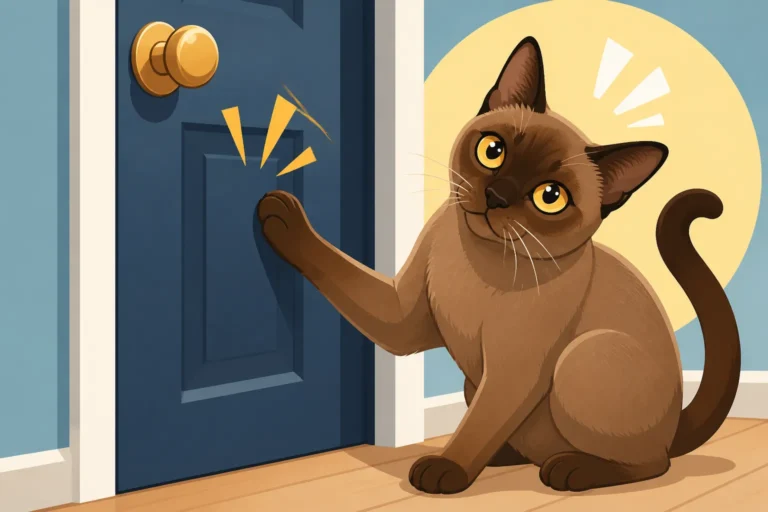
Beyond just saying hello, the Burmese uses their rasp to communicate their immediate needs and desires. Are they hungry? You'll hear the rasp. Do they want to play? The rasp will accompany their attempts to bring you a toy. Need the door opened to a room you just closed? Expect a persistent, complaining rasp from the other side, sometimes accompanied by pawing at the door.
For a breed so prone to putting on weight and developing conditions like diabetes, their vocalizations around food can be particularly noticeable. A Burmese is a creature of routine, and if mealtime is even a minute late, the rasp will begin. It’s their internal clock telling you it’s time to fulfill their expectations. I’ve known Burmese cats who will follow you around the kitchen, rasping every step of the way, until their bowl is put down. It's less a request and more a firm directive! You'll find that Why a Burmese Begs Harder Than Any Other Cat is absolutely true, and that rasp is their primary tool.
Conversational and Explanatory Rasps
Perhaps the most charming and constant aspect of the Burmese rasp is its use in general conversation. These cats don't just vocalize when they want something; they vocalize when they're observing something, or simply engaging with the world around them. Watching a bird outside the window? Expect a soft chittering rasp. Following your movements as you do chores? A running commentary of quiet rumbles might follow you from room to room.
It’s like they’re narrating their day or offering their two cents on whatever you're doing. If you talk to your Burmese, you'll almost certainly get a rasp in return, a soft "mm-hmm" as if they're actively listening and processing your words. This makes them feel incredibly integrated into the family, more like a tiny, furry housemate than just a pet. They are truly participating members of your household, and their voice is their way of ensuring that participation is always recognized.
Factors Influencing Rasp Frequency
While the Burmese is inherently vocal, several factors can influence just how often you hear that distinctive rasp. Understanding these can help you better interpret their communication and ensure their needs are being met.
Personality and Individual Variation
Just like people, every Burmese has its own unique personality, and this absolutely extends to their vocal habits. While the breed as a whole is known for being chatty, some individuals will be far more outspoken than others. You might encounter a Burmese who rasps almost constantly, a veritable chatterbox who always has something to say. Others might be a bit more reserved, using their voice primarily when they have a direct request or a strong emotional response.
A kitten’s early experiences can also shape their vocal tendencies. Kittens from a very vocal queen, or those raised in a bustling, interactive environment, might naturally be more inclined to use their voice as they grow. On the other hand, a quieter environment might foster a slightly less vocal cat, though the inherent "raspiness" of their voice will likely remain. It’s always fascinating to see how each cat's individual character shines through within the breed's general traits. What a Burmese Kitten Has Already Learned by Twelve Weeks often includes their early vocal patterns.
Environmental Stimuli and Household Dynamics
The environment a Burmese lives in plays a significant role in their vocal frequency. A busy, active household with lots of coming and going, children playing, and general hubbub will often have a more vocal Burmese. They thrive on interaction and will use their rasp to engage with every new sight, sound, and person. A quiet, single-person household might find their Burmese rasps less frequently, but perhaps more intensely when they do, as they are relying more heavily on that one human for interaction.
Consider also the presence of other pets. A Burmese living with another cat, especially another Burmese or a similarly sociable breed, might direct some of their vocal energy towards their feline companion, leading to less constant rasping directed solely at you. Conversely, if they feel competitive for attention, they might increase their vocalizations. For those thinking about getting a pair, Why Two Burmese Settle Each Other is a great read, as it addresses how having a companion can influence their behavior, including their vocal habits.
Health and Emotional State
A change in vocalization can sometimes be a subtle indicator of a change in health or emotional state. While a healthy, happy Burmese is typically vocal, a sudden increase in persistent, distressed rasping could signal discomfort or pain. If your Burmese is rasping more than usual, particularly if it's a more anxious or plaintive sound, it's worth a closer look. Are they struggling to reach their food? Is their litter box clean? Are they showing any other subtle signs of illness? Cats are masters at hiding discomfort, and a shift in their vocal patterns can be a significant clue.
Similarly, an anxious or stressed Burmese might vocalize excessively. Separation anxiety, for example, can manifest as prolonged, often mournful rasping or even outright crying when left alone. This is particularly true for a breed that thrives on constant companionship. On the flip side, a very subdued or quiet Burmese, especially one usually very vocal, can also be a cause for concern. It’s always wise to observe their whole demeanor, not just their vocal cords. Why a Burmese That Stops Following You Is Unwell reminds us to pay close attention to any behavioral shifts.
The Burmese Rasp in Different Scenarios
To give you a clearer picture, let's explore how the Burmese rasp manifests in common daily scenarios, offering a snapshot of its frequency and nature.
| Scenario | Typical Rasp Frequency | Nature of Rasp | Common Accompanying Behaviors |
|---|---|---|---|
| Greeting Human | High (multiple times per hour) | Immediate, enthusiastic, often escalating | Weaving, head-bunting, jumping on lap/shoulder, purring |
| Demanding Food/Treats | High (around meal times) | Insistent, repetitive, sometimes almost complaining | Following, staring, pawing at legs, sitting by bowl |
| Playtime Engagement | Moderate to High (during play) | Excited chitters, soft trills, "hunting" rumbles | Bringing toys, pouncing, chasing, retrieving |
| Seeking Affection/Lap Time | Moderate (when looking for comfort) | Soft, inviting, continuous rumble | Kneading, rubbing, settling close, trying to get under duvet |
| Observing (e.g., birds) | Low to Moderate (situational) | Quiet chitters, trills, focused low hum | Tail twitching, focused gaze, body tensing |
| Complaint (e.g., closed door) | Moderate to High (when frustrated) | Louder, more direct, sometimes almost a growl of protest | Pawing at door, pushing against it, persistent presence |
| Loneliness/Anxiety | High (if left too long) | Prolonged, mournful, repetitive, sometimes like crying | Pacing, destructive behavior, overgrooming, loss of appetite |
Rasping for Food and Mealtime Anticipation
Mealtime for a Burmese is less of a quiet affair and more of a celebrated event, often heralded by a symphony of rasps. They are notoriously food-motivated, which, while useful for training, means they're equally motivated to remind you when it's time to eat. Even if you're consistent with your feeding schedule, the rasping can start a good fifteen to thirty minutes beforehand, building in intensity until the food bowl hits the floor.
If you happen to be preparing your food, expect a continuous commentary of hopeful rasps, punctuated by attempts to get a closer look (or taste) of whatever you're doing. This isn't just a quiet hint; it's a full-blown argument for why they deserve a share, or at least for you to speed up their own meal preparation. Why a Burmese's Food Bill Is a Health Decision points out the critical importance of their diet, and their vocalizations around food underscore just how central eating is to their world. You might even consider using an automated feeder if you're out a lot, available on platforms like Amazon, to ensure consistency and potentially reduce pre-mealtime nagging.
The Playful and Conversational Rasp
The Burmese remains kittenish well into old age, and their play drive is strong. When they want to play, their rasp takes on a different quality – it's often softer, more like an excited chitter or a rumbling invitation. They might drop a toy at your feet, then look up and rasp at you, daring you to engage. During a vigorous play session, you'll hear bursts of rasps and trills, a running commentary on the hunt and the capture of their beloved wand toy or crinkle ball.
Beyond play, the general "conversational" rasp is truly constant. If you're simply sitting on the sofa, your Burmese might jump up, settle beside you, and offer a quiet, continuous rumble. It's their way of connecting, of saying "I'm here, I'm content, and I'm with you." If you talk to them, they'll often respond with an upward inflection in their rasp, as if asking a question or offering an affirmative. This deepens the bond you share, making every interaction feel personal and reciprocal. What a Burmese Is Still Doing at Twelve is a testament to their enduring playful and conversational nature.
Managing and Responding to the Burmese Rasp
Living with a highly vocal cat like a Burmese is a joy for many, but it can also present unique challenges. Understanding how to manage their vocalizations effectively ensures a harmonious household for both you and your chatty companion.
When Constant Rasping Becomes a Concern
While a vocal Burmese is a happy Burmese, there are times when persistent rasping can signal an issue. If your cat’s vocalizations suddenly increase dramatically, become much louder and more distressed, or are accompanied by other behavioral changes like hiding, appetite loss, or changes in litter box habits, it's time to pay attention. This could indicate pain, illness, or significant stress. A quick check-up with your vet is always a good idea if you suspect a health issue. Why a Burmese Hides Illness Behind Its Affection reminds us that their affection can sometimes mask underlying problems.
Furthermore, if the rasping is directly linked to destructive behavior, excessive grooming, or house-soiling when you're not home, it might point to separation anxiety. This breed thrives on companionship, and being left alone for long periods can be incredibly distressing for them. What Separation Anxiety Looks Like in a Burmese delves deeper into these signs. In such cases, the solution often isn't to discourage the rasp, but to address the root cause, which often involves ensuring they have enough companionship or mental enrichment.
Enrichment and Companionship for a Contented Burmese
Since loneliness and boredom can fuel excessive rasping, providing ample enrichment and companionship is crucial. A Burmese truly cannot be left alone all day. If your work schedule means long hours away from home, seriously consider getting a second Burmese. Why Burmese Breeders Sell Them in Pairs isn’t just a cute suggestion; it’s often a practical necessity for the breed’s well-being. Two Burmese will keep each other company, play together, and often direct much of their vocal energy toward each other, giving you a bit of a break when you return home.
Beyond a companion, ensure your Burmese has plenty of interactive toys, puzzle feeders, and opportunities for play. Wand toys, laser pointers (used responsibly), and engaging electronic toys (many excellent options available on Amazon) can help burn off energy and satisfy their intelligent minds. Scheduled play sessions are vital, even for older cats, as How Much Play a Burmese Still Demands at Ten proves. A tired, mentally stimulated Burmese is often a quieter, more content Burmese.
Training and Boundary Setting
While you'll never silence a Burmese completely (nor should you want to!), you can subtly train them to moderate their vocalizations or direct them more appropriately. Positive reinforcement works wonders with this breed, especially given their food motivation. If they rasp politely for a treat or attention, reward it. If they are demanding or overly insistent, ignore the behavior until they offer a quieter, more acceptable vocalization. Consistency is key here.
You can also use their vocal nature to your advantage. Teach them to "speak" on command or to come when called using their name and a treat. This channels their desire to communicate into desirable behaviors. Remember, the Burmese wants to interact with you above all else. Your response, whether positive or negative, is a form of interaction, so be mindful of what you're reinforcing. Teaching a Burmese to Come From Another Room is an excellent starting point for this type of positive training. They are eager learners, and channeling their energy can make living with their constant rasping even more delightful.
Disclaimer
This article is for general informational purposes only and does not constitute professional advice. Laws, prices and regulations vary by location and change over time. Consult a qualified professional for guidance on your specific situation.