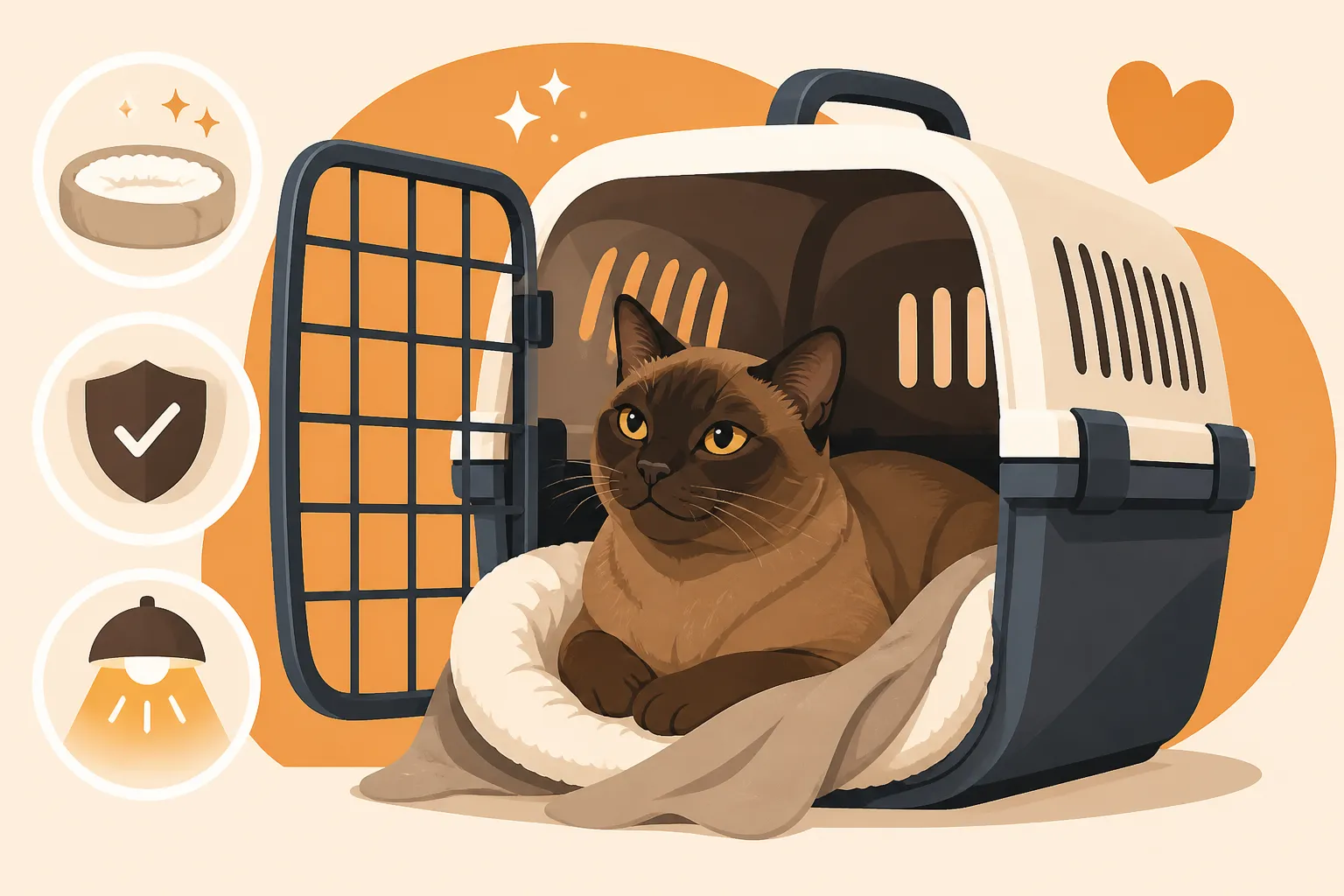
Making the Carrier Somewhere a Burmese Sleeps
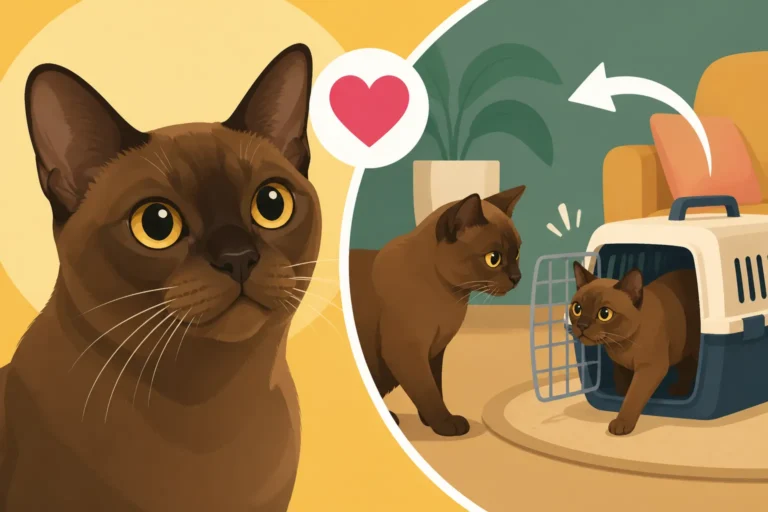
It’s a scenario almost every cat owner dreads: the wrestling match to get your beloved feline into that dreaded carrier, usually just before a stressful vet visit or a necessary trip. For Burmese cats, with their deep attachment to their people, this can feel even more like a betrayal, leading to yowling, scratching, and outright panic. But what if that carrier could be a place of comfort, a cozy den your Burmese chooses to nap in? This guide will walk you through exactly how to transform that scary box into a safe, inviting haven, making life easier and less stressful for both of you.
The Root of Carrier Aversion in Burmese Cats
Let's face it, most cats aren't exactly lining up to hop into their carriers. There's a fundamental reason for this, and it’s deeply ingrained in their feline nature. Understanding this starting point is key to unpicking the problem, especially when you have a breed as unique as the Burmese.
Why Most Cats Despise Their Carriers
For the average housecat, the carrier is intrinsically linked with negative experiences. Think about it: when does the carrier usually appear? It’s often when they’re headed to the vet for shots or an examination, a place filled with strange smells, unfamiliar animals, and uncomfortable prodding. Or perhaps it’s for a car ride, which many cats find disorienting and nauseating. The carrier isn't just a box; it's a signal that something unpleasant is about to happen.
Cats are creatures of habit and territory. Their home is their sanctuary, a place where they feel secure and in control. Being suddenly scooped up, confined in a small space, and taken away from their familiar surroundings is a direct assault on their sense of security. They don't understand the "why" – they just experience the stress of displacement and confinement. This leads to a natural instinct to resist, to fight against being trapped, and to avoid anything that triggers that feeling in the future.
The Burmese Twist: Attachment and Anxiety
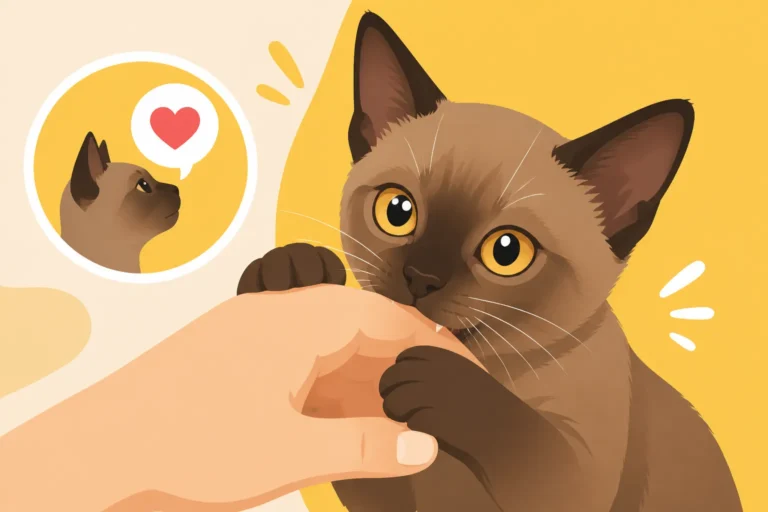
Now, add the distinctive Burmese personality to this equation. Burmese cats are often described as "dog-like" or "velcro cats" because of their profound attachment to their human companions. They thrive on interaction and physical closeness. The Burmese Is the Velcro Cat of the Cat Fancy isn't just a cute nickname; it’s a fundamental truth about the breed. They need to be with you. This intense need for companionship means that being separated from you, even briefly, can trigger significant anxiety.
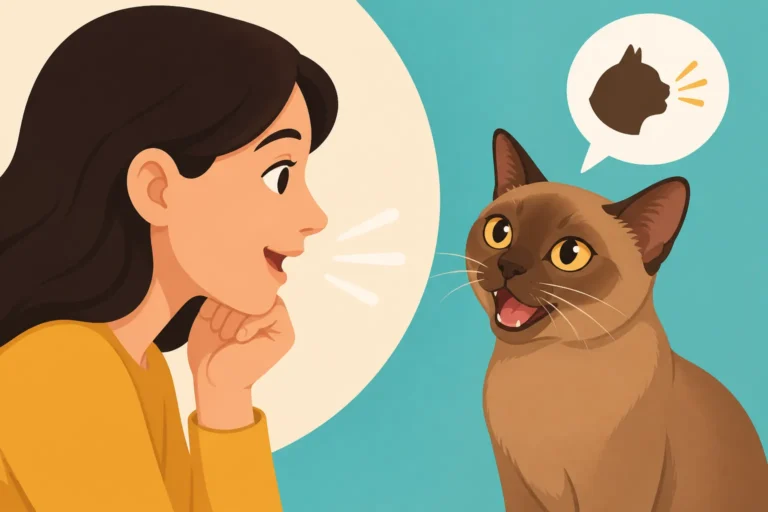
When a typical cat resists a carrier, it's often about territorial disruption and perceived threat. When a Burmese resists, it's also about separation. The carrier isn't just a strange box; it’s a box that takes them away from their favorite person. This can amplify their stress responses, making them particularly vocal and distressed. You might notice their unique, raspy "rumble" turn into a more insistent, anxious cry, signaling their unhappiness. Their sensitive nature means they pick up on your stress, too. If you’re anxious about getting them into the carrier, they’ll sense it, creating a feedback loop of tension. A calm approach is crucial, but it starts with making the carrier itself a non-threatening, even appealing, object in their daily lives.
Transforming the Carrier into a Comfort Zone
The key to carrier success with a Burmese is not to make it an object of dread, but rather an extension of their safe and cozy home environment. This requires a shift in perspective, both yours and theirs.
Selecting the Ideal Carrier for a Burmese
Choosing the right carrier is the first, crucial step. You’re not just looking for something to transport them; you’re looking for something that can double as a comfortable, inviting den.
- Size Matters: Burmese cats are surprisingly muscular and dense, often weighing more than they appear. While they might not be huge in length, they have a solid build. Make sure the carrier is large enough for your Burmese to stand up, turn around comfortably, and lie down fully stretched out. Cramped carriers add to stress. If you have a pair, or are considering getting a second Burmese (which is often recommended, as Why Two Burmese Cost Less Than One Anxious One is a common breeder adage), you might even consider a larger carrier that two can comfortably share, which can be immensely reassuring for them. There are specific considerations for Which Carrier Two Burmese Will Share.
- Hard-Sided vs. Soft-Sided:
- Hard-sided carriers are generally sturdier, easier to clean (especially important if there's an accident due to stress), and offer more protection. Look for ones with good ventilation and a top-opening option. A top-loader allows you to gently lower your Burmese in, rather than trying to push them through a front door, which can feel less confrontational.
- Soft-sided carriers can be lighter and more flexible, often more comfortable for you to carry. However, they offer less structural protection and can be harder to clean thoroughly if accidents happen. They might feel more "den-like" if they have mesh panels rather than hard bars.
- Accessibility: Look for carriers with multiple openings – a front door and a top door are ideal. Some even allow the entire top half to unclip, turning it into a comfortable bed. This design feature is gold for vet visits, as the vet can often examine your cat without forcing them out of their perceived safe space. Many excellent options with these features can be found on platforms like Amazon, offering a wide range of sizes and styles to suit your specific Burmese.
Strategic Placement: Integrating the Carrier into Daily Life
Once you have the right carrier, the next step is to make it a normal, non-threatening part of your home. This means never storing it away in a closet or the garage, only to bring it out when it's time for a dreaded trip.
- Permanent Fixture: Place the carrier in a high-traffic area of your home, but one where your Burmese also enjoys spending time. This could be in the living room, near a sunny window, or in your bedroom. The goal is for them to see it, sniff it, and interact with it on their own terms, day in and day out, without any negative pressure.
- Open and Inviting: Keep the door (or doors) of the carrier open at all times. This removes the sense of confinement. You want them to view it as just another piece of furniture, a cave, or a cozy nook.
- Familiarity Breeds Comfort: The more time the carrier spends in their territory, absorbing familiar home scents, the less "foreign" it will feel when it eventually needs to be used for its intended purpose. Think of it like a cat tree or a favorite bed – just another comfortable spot in their domain. This integration is crucial because Making a Room Bearable for a Burmese Left Alone often involves ensuring their environment is filled with familiar, comforting elements.
The Ultimate Cozy Setup: Making it Irresistibly Cozy
Now for the fun part: making the carrier so inviting that your Burmese wants to be in it. This is where you appeal to their natural desires for warmth, security, and familiar comfort.
- Soft Bedding: Line the carrier with a soft, familiar blanket or towel that smells like home and, ideally, like you. Something they’ve already slept on, or a piece of your clothing, can be incredibly reassuring. Burmese cats often seek out warmth and enjoy snuggling deeply, so a plush, soft lining is essential. Many Burmese will happily get under the duvet with you, illustrating their love for warmth and soft surfaces.
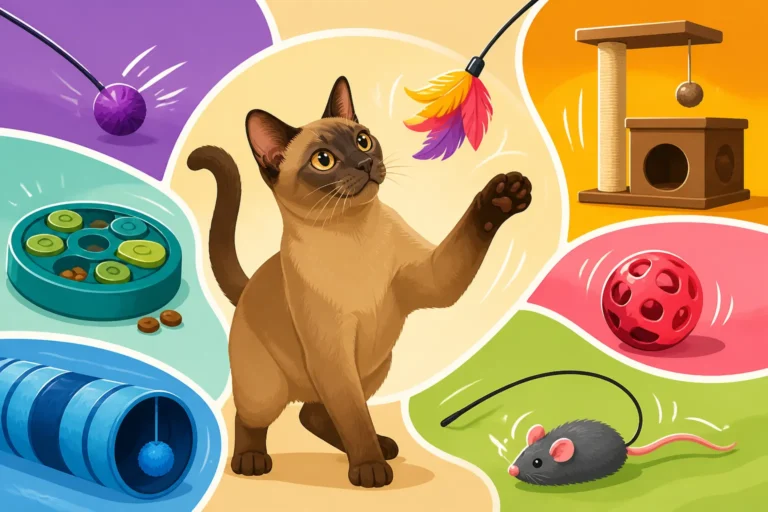
- Favorite Toys and Treats: Place a few of their absolute favorite toys inside the carrier. These could be small plush toys, crinkly balls, or even a puzzle feeder with a few delicious treats. The goal is to create positive associations.
- Pheromone Power: Consider using a feline appeasing pheromone spray or diffuser near the carrier. These synthetic pheromones mimic the natural calming scents cats use to mark their territory, signaling that an area is safe and secure. Spray the carrier's bedding about 15-20 minutes before you want to encourage them in, giving the alcohol carrier time to dissipate. Products like Feliway are widely available on Amazon and can make a noticeable difference in reducing anxiety.
- The Smell of Home: Remember, a cat's world is heavily scent-driven. If the carrier smells like a vet's office or has been cleaned with harsh chemicals, it will be off-putting. Keep it smelling like home. This means using mild, cat-safe cleaners if it needs a wipe-down, or simply airing it out and washing the bedding regularly with unscented detergent. Since Burmese cats are so affectionate and often Sleeps Against Another Cat or person, the smell of their chosen family will be highly comforting within the carrier.
Building Positive Associations and Encouraging Independent Use
Once the carrier is a permanent, cozy fixture in your home, the next step is to actively encourage your Burmese to explore and eventually sleep in it. This isn't about force; it's about making it their idea.
Food, Treats, and Play: Positive Reinforcement
This stage is all about creating strong, positive memories associated with the carrier.
- Treat Trails: Start by placing high-value treats (think freeze-dried chicken, tuna flakes, or their favorite soft treats) just outside the carrier entrance. As they get comfortable, move the treats incrementally further inside. Eventually, place a few all the way at the back.
- Mealtime Magic: For a truly food-motivated Burmese (and many are!), consider feeding their regular meals inside the carrier. Start by placing the food bowl just inside the entrance, gradually moving it further back over several days or weeks until they are comfortably eating their entire meal inside. This makes the carrier a place of sustenance and pleasure. Why Portion Control Is Medical Care in a Burmese also means that feeding them in a consistent, controlled manner can be a great training opportunity.
- Playtime in the Den: Use wand toys or laser pointers to encourage your Burmese to chase and play around and into the carrier. Drop a favorite toy inside for them to retrieve. Keep these sessions short, fun, and always end on a positive note, even if it means just a quick treat for sniffing the carrier.
- Catnip or Silvervine: For an extra boost, a small sprinkle of catnip or silvervine inside the carrier can make it incredibly enticing for some cats, encouraging playful exploration and relaxation. It's important to know How a Burmese Behaves on Catnip to gauge their individual reaction.
Gradual Acclimatization and "Sleepovers"
Once your Burmese is comfortably entering the carrier on their own for treats or play, you can start the process of acclimatization.
- Short Door Closures: While your Burmese is eating a meal or enjoying a treat inside, gently close the carrier door for just a few seconds. Stay right there, talk to them calmly, and then open the door. Immediately give another treat. Gradually increase the duration of the door being closed, always observing their comfort level. Never push them to panic.
- Comfortable Confinement: Once they're okay with the door being closed for a few minutes, try moving the carrier a short distance while they're inside – perhaps just across the room. Again, keep it brief and reward them afterwards.
- Practice Sleepovers: Encourage them to nap in the carrier. When they're sleepy or curled up inside, you can gently close the door and let them "sleepover" for a short period. This builds the idea that the carrier is a safe place to rest, even with the door shut. Their innate affection means they're used to being handled, so How to Get a Burmese Used to a Glucose Check or injections also relies on this kind of calm, gradual exposure and positive reinforcement.
- Short "Trips": Once they are comfortable with short periods of confinement and movement, introduce very short, positive "trips." Carry them in the carrier to another room, sit with them for a few minutes, offer a treat, then bring them back. Eventually, try a quick trip to the car (without starting it), then a short drive around the block. Always end these experiences with praise and rewards. This proactive training will pay dividends for future vet visits or longer journeys, making it more likely that Why a Burmese Rumbles Rather Than Cries in a Car rather than crying frantically.
The Carrier as a Voluntary Retreat
The ultimate goal is for your Burmese to voluntarily use the carrier as a safe, quiet retreat. You want them to associate it with positive feelings, relaxation, and security.
- Observe Their Choices: Pay attention to where your Burmese chooses to nap. If they start occasionally sleeping in the carrier, even for a short while, you've succeeded! This shows they see it as a legitimate, comfortable spot.
- Reinforce Good Behavior: If you see them voluntarily go into the carrier, offer gentle praise or a small treat. You're reinforcing the idea that it's a good place to be.
- Reduce Stress Overall: A Burmese that is secure, well-adjusted, and has its social needs met is generally less prone to anxiety. Ensuring they get enough attention, play, and ideally, have another cat for companionship (as Why a Burmese Breeder Recommends Buying a Pair is common advice), contributes to their overall emotional well-being, which in turn makes them more amenable to things like carrier training.
Maintaining a Carrier-Positive Mindset
It's easy to fall back into old habits once your Burmese seems comfortable with the carrier. However, ongoing maintenance is vital to keep it a positive experience throughout their lives.
Regular Reinforcement, Not Just for Trips
Think of carrier training not as a one-off event, but as an ongoing aspect of pet ownership. The carrier should remain a fixture in your home, accessible and appealing, even when there are no immediate trips planned.
- Keep it Open and Cozy: Always leave the carrier door open and the comfortable bedding inside. Treat it as another cat bed or hiding spot. This ensures the positive association never fades. If you only bring it out for trips, you’ll swiftly revert to square one.
- Occasional Treats and Praise: Randomly drop a favorite treat inside the carrier when your Burmese isn't looking, or offer praise when you see them relaxing near or in it. These small, unexpected positive reinforcements keep the memory fresh and pleasant.
- Short, Happy "Dry Runs": Even if you don't have an appointment, occasionally practice a short car ride or a walk around the house in the carrier. Make it a fun adventure, ending with treats and playtime. This prevents the carrier from only being associated with vet visits.
Handling Stressful Situations with Grace
Despite all your efforts, some trips will naturally be more stressful than others. It's about how you manage these situations.
- Stay Calm: Your Burmese can read your emotions like an open book. If you're stressed, they will be too. Take a deep breath, speak in a soothing voice, and try to project a sense of calm confidence.
- Familiar Scents: Always include familiar bedding that smells like home in the carrier. You can also spray the bedding with a feline appeasing pheromone about 15 minutes before the trip.
- Cover the Carrier: Once your Burmese is inside and the door is secured, covering the carrier with a light blanket can help reduce visual stimulation and make them feel more secure, like they're in a dark den.
- Respect Their Cues: While you want them to be comfortable, also acknowledge when they're truly stressed. Excessive drooling, panting, or unusual elimination in the carrier are signs of significant anxiety. Discuss these with your vet, who might suggest anti-anxiety medication for particularly stressful trips. Remember, Why a Burmese's Appetite Goes When It Is Unhappy is a clear sign of stress, and their behavior in the carrier is no different. Pay attention to how they are reacting.
The Payoff: A Calmer Cat, a Happier Owner
Investing the time and effort into making the carrier a positive place for your Burmese is one of the kindest things you can do for them. The benefits are far-reaching:
- Reduced Stress for Your Cat: They will experience less anxiety, fear, and discomfort during essential vet visits or travel, contributing to their overall well-being and health.
- Easier Vet Visits: A cat that is calm in its carrier is easier for the veterinary staff to handle, potentially leading to a more thorough and less stressful examination. They are often less likely to hide their illness if they are less stressed, which is helpful because Why a Burmese Hides Illness Behind Its Affection.
- Smoother Travel: Whether it's a short car ride or a longer journey, travel becomes significantly less traumatic for both of you.
- Peace of Mind for You: Knowing that your beloved Burmese isn't terrified of their carrier alleviates a huge source of owner stress. It makes routine care and occasional travel much more manageable and pleasant for everyone involved. You'll find that this approach aligns perfectly with the gentle, affectionate nature of your Burmese, allowing them to continue to trust and bond with you, even when facing new experiences.
Disclaimer
This article is for general informational purposes only and does not constitute professional advice. Laws, prices and regulations vary by location and change over time. Consult a qualified professional for guidance on your specific situation.