Bringing Home the Second Cat a Burmese Needs
It's heartbreaking to see your beloved Burmese cat display signs of unhappiness or distress when you're not around, isn't it? Many of us fall in love with their incredibly social and affectionate nature, only to realize that their need for constant companionship is more profound than we ever anticipated. This guide is here to walk you through why a second cat is often the perfect solution for a lonely Burmese, how to choose the right friend, and most importantly, how to introduce them successfully for a harmonious home.
The Undeniable Need for Company in a Burmese
Let's be honest, the Burmese isn't just a cat; they're more like a furry, purring shadow that wants to be involved in absolutely everything you do. Their affectionate, dog-like personality is one of their most charming traits, but it also comes with a significant responsibility: they need companionship. This isn't just about wanting a cuddle; it's a fundamental part of their well-being, ingrained in their very nature.
Why One Burmese Is Often a Lonely Burmese
The truth is, many traditional cat breeds are perfectly content with their humans being their primary source of interaction, perhaps even preferring a good long nap alone for much of the day. The Burmese, however, operates on a completely different wavelength. They are often called the "Velcro cat" of the cat fancy for a reason – they literally stick to you. From riding on your shoulder as you walk through the house to snuggling under the duvet with you at night, they thrive on constant interaction.
This intense social drive means that when they are left alone for extended periods, especially day after day, they don't just get bored; they genuinely suffer. It’s not a reflection on you as an owner; it’s simply how this wonderful breed is wired. They crave a dynamic, interactive environment, and if their human isn't consistently available, that void can become a source of real distress for them. Imagine being a naturally gregarious person suddenly confined to a quiet room all day – that’s often what a solitary Burmese experiences. Their happiness is deeply intertwined with the presence of others, whether human or feline. Why a Burmese Cannot Be Left Alone All Day explores this need further, highlighting just how much company they demand.
Recognizing the Signs of a Lonely Burmese
You might be wondering if your Burmese is truly lonely or just being a typical cat. The signs of separation anxiety or loneliness in a Burmese can be subtle at first, but they tend to escalate. Perhaps you've noticed a shift in their behavior, or maybe you've come home to some puzzling new habits.
Common indicators include excessive vocalization – that distinctive raspy rumble might turn into a mournful wail that sounds unlike their usual greetings. They might become destructive, chewing on furniture, scratching at doors, or even inappropriately urinating outside the litter box as a protest or a cry for help. Some Burmese, particularly sensitive ones, might even start pulling out their own fur, creating bald patches as a coping mechanism for their anxiety. Their appetite might fluctuate, becoming either voracious as a comfort behavior or completely disappearing when they’re truly distressed. You might also notice them becoming even more clingy when you are home, following you from room to room with an intensity that seems more desperate than devoted. What Separation Anxiety Looks Like in a Burmese delves into these specific behaviors and offers more details on how to identify them. If you suspect your Burmese is exhibiting any of these, it's a clear signal that they need more consistent interaction than one human can often provide.
Here's a quick comparison of behaviors that might signal loneliness versus a well-adjusted Burmese:
| Behavior Category | Signs of a Lonely Burmese | Signs of a Happy, Well-Adjusted Burmese |
|---|---|---|
| Vocalization | Persistent, mournful wails; loud, anxious meows | Happy, raspy rumbling; conversational chirps and trills |
| Destructive Acts | Chewing on furniture, scratching doors, inappropriate urination | Uses scratching posts, chews appropriate toys, consistent litter use |
| Grooming | Over-grooming, fur pulling, creating bald spots | Regular, calm grooming; keeps coat sleek and shiny |
| Appetite | Fluctuating (overeating or under-eating), begging | Consistent appetite, eats meals calmly |
| Clinginess | Desperate following, panic when you leave a room | Affectionate following, content to settle near you |
| Play | Lethargic, uninterested, or hyper-focused on one activity | Engaged, varied play; interacts with toys and companions |
Deciding on the Right Companion for Your Burmese
Once you’ve recognized the profound need for companionship, the next step is finding the right friend. It’s not just about getting any second cat; it's about finding a personality that complements your Burmese and creates a truly harmonious household. Many breeders recommend bringing home Why Burmese Breeders Sell Them in Pairs from the start precisely for this reason, acknowledging their inherent need for a buddy.
Personality Matters More Than Breed
While another Burmese is often the ideal companion – they speak the same "language" of affection and play – it's not strictly necessary. What truly matters is the personality of the new cat. A Burmese needs a friend who can match their energy, tolerate their intense affection, and enjoy interactive play. A shy, reserved cat, for example, might be overwhelmed by the Burmese's forward and demanding nature. They need a cat who is equally confident and social, someone who won't be intimidated by the Burmese's insistence on cuddles or their robust play style.
Think of it like this: your Burmese is the life of the party, always wanting to be in the thick of things. Their ideal companion would be another party animal, or at least someone who genuinely enjoys social gatherings. Consider breeds known for their outgoing temperaments, like a Siamese, Tonkinese, or even another domestic shorthair with a history of being sociable and confident. If you're looking at a rescue, spend time observing their interactions with other cats and people. A cat that readily seeks attention, is curious, and seems unfazed by new environments is often a good bet. Which Cats Are Sociable Enough for a Burmese offers great insights into compatible personalities.
Considering Age and Energy Levels
The age and energy level of your potential new family member are also crucial factors. If you have a younger, boisterous Burmese, a kitten or a young adult cat might be a perfect match, providing a playmate who can keep up with their endless antics. A kitten will often adapt more quickly to an existing household and can grow up "knowing" no other way than to be a constant companion.
However, if your Burmese is a bit older, say, reaching their senior years but still active – because a Burmese is still playing at fifteen – a younger, playful companion can actually inject new life into them. It can encourage them to stay active, both physically and mentally. Just ensure the kitten isn't too overwhelming for an older, perhaps slightly less agile, Burmese. On the other hand, if your Burmese is entering a more sedate phase, a calm, gentle adult cat who enjoys quiet companionship might be a better fit than a rambunctious kitten.
When considering age, also think about the future. A kitten will grow, and their energy levels will likely remain high for many years, which is fantastic for a Burmese that retains its kittenish playfulness well into old age. For an older Burmese, a slightly older companion (say, 2-5 years old) might have a more established, predictable personality and energy level that aligns well with your existing cat's rhythm. You can even find some fantastic interactive toys on Amazon designed to engage cats of all ages, which can help bridge any initial energy gaps.
The Introduction Process: Making it Smooth and Stress-Free
Bringing a new cat into the home, even for a social butterfly like a Burmese, requires a thoughtful, gradual introduction. Rushing things can lead to stress, fear, and long-term animosity between the cats. Patience is truly a virtue here, and a little planning goes a long way in ensuring a happy coexistence. Remember, the goal is for them to become friends, not just housemates.
Setting Up a Sanctuary Space
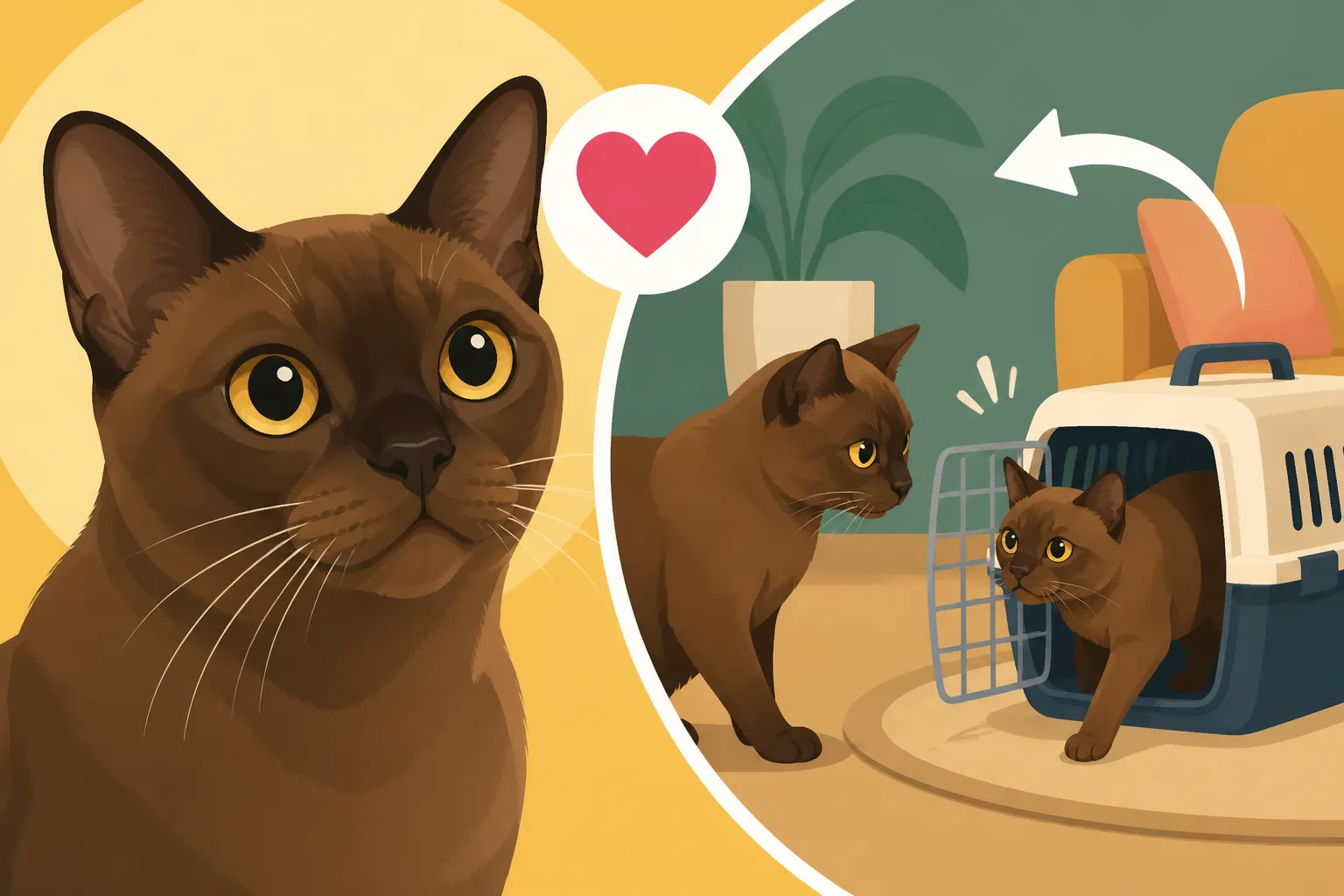
The first, and arguably most important, step is to prepare a dedicated "sanctuary room" for your new cat. This should be a quiet space where they can feel safe and secure, away from your existing Burmese. Equip it with a litter box, food and water bowls, a comfortable bed, and some toys. This gives the new cat time to decompress and get used to the smells and sounds of their new home without the immediate pressure of meeting another feline.
For the first few days, keep the new cat strictly in their sanctuary. During this time, you'll want to facilitate scent swapping. This means gently rubbing a towel on each cat and then placing the scent-swapped towel in the other cat's area. This allows them to "meet" each other through scent, which is incredibly important in the feline world. You can also swap blankets or beds. Consider using a Feliway diffuser, which releases calming pheromones, in both your home's main area and the sanctuary room. Many options for these diffusers are readily available on Amazon. After a few days of scent swapping, you can try feeding them on opposite sides of the closed door to the sanctuary room, associating the other cat's scent with positive experiences like mealtime. Making a Room Bearable for a Burmese Left Alone can also provide tips for creating a comforting space, which applies to both cats during this period.
Supervised Interactions and Positive Reinforcement
Once both cats seem comfortable with scent swapping and eating near the closed door, you can move to supervised visual introductions. The easiest way to do this is often through a baby gate placed in the doorway of the sanctuary room. This allows them to see each other, but with a barrier that prevents any direct physical interaction. Keep these initial visual meetings short and positive. Offer high-value treats to both cats simultaneously while they are at the gate, or engage them in parallel play with wand toys. The key is to associate the presence of the other cat with good things.
Never force an interaction, and always end the session on a positive note, even if it's brief. If you notice any signs of aggression – hissing, growling, ears flattened, puffed tails – separate them immediately and try again later for a shorter duration. Gradually increase the time they spend together with the barrier, always supervising closely. Once they seem relaxed and curious through the gate, you can try brief, unsupervised sessions in a neutral room. Continue to use positive reinforcement, rewarding calm behavior with treats, praise, and play. Investing in a good selection of interactive toys from Amazon can be incredibly helpful during these sessions, providing a distraction and a shared positive experience. Remember, patience is paramount. Some cats bond quickly, while others may take weeks or even months to truly accept each other. Why two Burmese settle each other highlights the benefits of two cats bonding and helps set expectations.
Long-Term Harmony: Life with Two Burmese (or a Burmese and its friend)
Bringing a second cat into your Burmese's life is an investment of time and effort, but the rewards are truly immense. It’s not just about alleviating loneliness; it’s about enriching the lives of all involved, creating a more vibrant and peaceful household.
The Benefits Beyond Companionship
The most immediate and obvious benefit is the alleviation of your Burmese's loneliness. With a companion, your Burmese will have a constant playmate, a snuggle buddy, and someone to groom and be groomed by. This often leads to a significant reduction in stress-related behaviors like destructive scratching, excessive vocalization, or even fur pulling. You'll likely notice your Burmese is generally calmer, more content, and exhibits a healthier, more balanced demeanor. What a Camera Catches a Lonely Burmese Doing often reveals just how much positive interaction happens between two cats when left alone.
Beyond simply filling the void, a second cat can actually boost your Burmese's physical and mental health. They'll get more exercise through play, stay mentally stimulated by solving "puzzles" with their friend, and even sleep more soundly, curled up together. This mutual companionship can extend their quality of life, keeping them more engaged and active well into their senior years. For you, the owner, it often means less worry about your cat's well-being while you're away, and the joy of watching two loving felines interact and thrive together. It truly is a case of Why Two Burmese Cost Less Than One Anxious One in terms of emotional and sometimes even veterinary costs down the line.
Managing Resources and Attention
Even with the best of intentions and the smoothest introduction, long-term harmony requires careful management of resources and attention. Cats, even sociable Burmese, appreciate having their own space and necessities. A good rule of thumb is to have one more litter box than you have cats (so, at least three for two cats) spread throughout the house. This reduces competition and ensures everyone has a clean, accessible spot to relieve themselves.
Similarly, provide multiple food and water stations, especially if one cat is a particularly fast eater or tends to guard resources. Raised bowls or slow feeders can also be a good idea. Consider investing in multi-level cat trees or shelves from Amazon to provide vertical space, which cats love for observing their territory and escaping for a quiet moment.
Finally, and this is crucial for a Burmese, make sure to distribute your attention fairly. While your Burmese will always be your "Velcro cat," ensure you spend individual quality time with each feline friend. This can be dedicated play sessions, quiet cuddles, or just a few minutes of grooming. It reinforces your bond with each cat and prevents any feelings of jealousy. Your Burmese will still climb on your shoulder and insist on being near you, but now they'll have a buddy to share the other moments with, making their need for your constant attention feel less desperate and more joyful.
Disclaimer
This article is for general informational purposes only and does not constitute professional advice. Laws, prices and regulations vary by location and change over time. Consult a qualified professional for guidance on your specific situation.