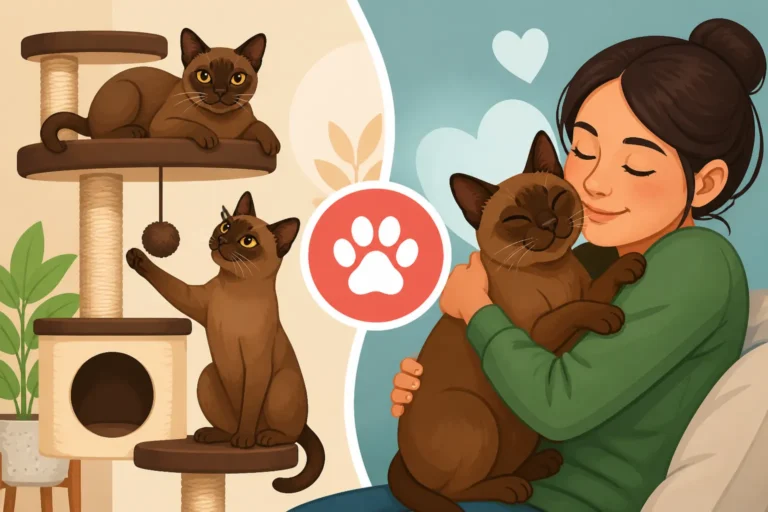
Whether a Burmese Prefers Another Burmese
It's a common dilemma for Burmese cat owners, or those considering bringing one of these incredibly loving felines into their home: they crave companionship, often intensely, but who makes the best friend for them? Many wonder if another Burmese is truly the ideal partner, providing the unique connection their social cat needs. This guide will delve deep into the Burmese cat's profound need for companionship, exploring why another Burmese often fits like a glove, and what to consider if you're looking to expand your feline family.
Why the Burmese Craves Constant Companionship
Let's be real, the Burmese isn't just a cat; it's a shadow, a confidante, a perpetual presence. They aren't the kind of cat content to simply coexist in the same house; they want to be with you, on you, under the covers, and often, riding on your shoulder like a tiny, purring parrot. This isn't just a cute quirk; it's deeply ingrained in their personality and breed characteristics.
The Velcro Cat Phenomenon
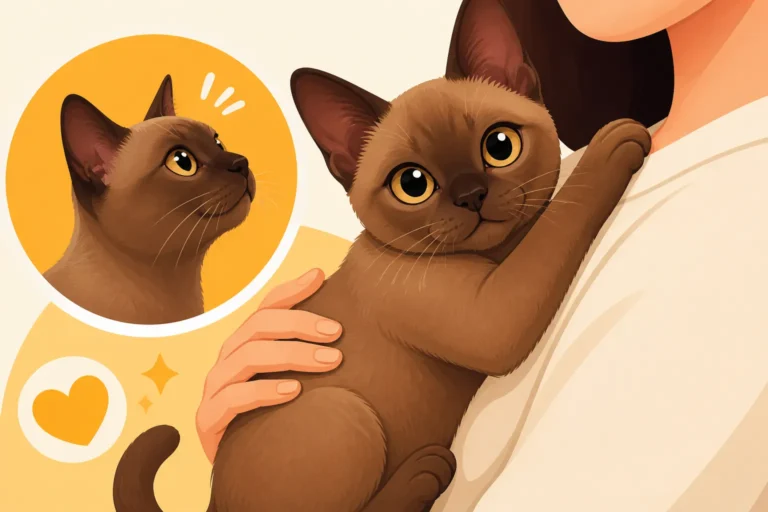
Burmese cats are famously known as "Velcro cats" for a reason. They bond incredibly strongly with their human companions, often singling out one person as "their" person, though they typically adore everyone in the household. This intense attachment means they thrive on interaction and physical closeness. They’re not shy about demanding attention, nudging their head into your hand, or following you from room to room. If you close a door on a Burmese, you'll likely hear their distinctive, rasping rumble of protest, often accompanied by frantic pawing at the door. They genuinely want to be part of whatever you're doing, whether it's cooking dinner, reading a book, or watching TV. It's truly a delight for most owners, but it also means they have a high demand for company.
The Pitfalls of Solitude for a Burmese
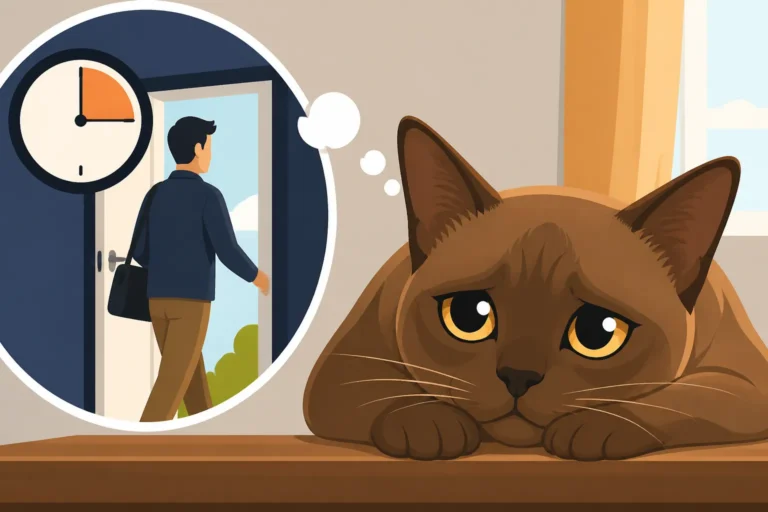
Because of their social nature, leaving a Burmese alone for extended periods can lead to genuine distress. This isn't just about being a bit bored; it can manifest as real separation anxiety, which is heartbreaking to witness and deal with. A lonely Burmese might start exhibiting behaviors you definitely don't want, like excessive vocalization that sounds more like a mournful wail than a polite request. They might also become destructive, pulling at carpets, scratching furniture more aggressively, or even engaging in self-soothing behaviors that aren't healthy, such as Why a Lonely Burmese Pulls Its Satin Coat Out. Imagine coming home to find your beautiful cat has chewed its own fur out of anxiety or sprayed in inappropriate places because it's so stressed. These aren't acts of malice; they're desperate cries for connection and a clear sign that their deep social needs aren't being met. This is why many breeders will tell you outright that a Burmese should never be an only cat if its humans are away for long stretches of the day.
The Unique Benefits of a Second Burmese
When it comes to finding the perfect companion for a Burmese, another Burmese often wins hands down. It's like finding someone who speaks your exact language, understands your peculiar jokes, and shares your boundless energy. The synergy between two Burmese cats is often a joy to behold.
Shared Play Style and Energy Levels
Burmese cats are known for their playful, almost clownish nature that persists well into their senior years. While many cat breeds slow down significantly after kittenhood, a Burmese might still be chasing wand toys, pouncing on imaginary prey, and initiating games of tag at fifteen years old. Finding another cat that can match this intensity and enthusiasm can be a challenge. A more reserved or older cat might find a Burmese's boisterous play style overwhelming, leading to tension or even fear. Another Burmese, however, is often more than happy to engage in wrestling matches, high-speed chases, and mutual pouncing. They speak the same play language, understanding the boundaries and intensity without constant misunderstandings. This shared play is crucial for their physical and mental well-being, keeping them active and engaged, which helps prevent boredom and keeps them fit. Think of it: instead of constantly trying to engage you in play, they have a built-in playmate. A Burmese Is Still Playing at Fifteen is not an exaggeration.
Mutual Warmth and Comfort
Burmese cats have incredibly short, fine coats that feel like satin. They have very little undercoat, making them quite susceptible to feeling the cold. This is why they love to snuggle under duvets, seek out sunbeams, and, of course, find the warmest lap in the house. Another Burmese provides an invaluable source of warmth and comfort, especially when you're not available for cuddles. You'll often find them curled up in a tight, tangled pile, generating their own little heat wave. This physical closeness is not just about temperature; it's a deep part of their social bonding. They thrive on body contact, and another Burmese satisfies this need for constant, warm companionship in a way a human simply cannot be present for 24/7. This innate desire for warmth and closeness is part of Why a Short Coated Burmese Seeks Body Heat.
Understanding Their Unique Communication
Burmese cats have a distinctive voice – it's less of a sharp meow and more of a soft, rasping rumble or a throaty trill. It's a very expressive sound, but it's also quite different from the vocalizations of many other cat breeds. While humans learn to interpret their various rumbles and chirps, another Burmese inherently understands these nuanced vocal cues. They can communicate with each other in a way that truly resonates, reinforcing their bond. This shared communication style further cements their preference for one another, as it fosters a deeper, more intuitive connection.
The Breeder's Recommendation: Buying a Pair
It's no secret that many ethical Burmese breeders strongly advocate for selling their kittens in pairs, or to homes that already have another cat or a very cat-friendly dog. They understand the breed's intrinsic need for companionship and want to ensure their kittens go to homes where they will truly thrive. Why Burmese Breeders Sell Them in Pairs isn't just a sales tactic; it's a recognition of the breed's welfare needs. Breeders have seen firsthand the difference it makes when a Burmese kitten has a sibling or another suitable companion to grow up with. The kittens settle faster, are less prone to anxiety, and develop into more well-adjusted adults. If you're getting a Burmese kitten, seriously consider the breeder's advice on this front.
Comparing Companion Options for a Burmese
To help visualize the difference a companion can make, and why a second Burmese is often the top choice, here’s a quick comparison:
| Companion Type | Pros for a Burmese | Cons for a Burmese |
|---|---|---|
| Another Burmese | Matches energy, play style, communication; provides constant warmth & social contact. | Can be double the expense initially; personality clashes are rare but possible. |
| Other Cat Breed | Can provide companionship; some breeds (e.g., Siamese, Tonkinese) are compatible. | Play styles may differ; some breeds are too reserved; potential for overwhelm or conflict. |
| Dog (Cat-Friendly) | Often seen as "more company"; can provide warmth & interaction; good for active Burmese. | Needs careful introduction; dog must be genuinely cat-friendly; play can be too rough. |
| Human (Constant) | Primary bond, affection, play; can address many social needs. | Cannot be present 24/7; human energy levels vary; doesn't replace feline interaction. |
| Alone | No initial competition for resources. | High risk of separation anxiety, destructive behaviors, loneliness, stress-related illness. |
What if Another Burmese Isn't an Option?
While another Burmese is often the ideal scenario, it's not always feasible or desired. Perhaps you already have other pets, or your living situation just doesn't allow for two of these energetic felines right now. Don't despair! A Burmese can still thrive with other companions, though careful consideration and management are key.
Compatible Cat Breeds
If another Burmese isn't on the cards, look for cat breeds that share some of their core traits: high energy, intelligence, and an outgoing, affectionate personality. Breeds like the Siamese or Tonkinese often make excellent companions. They tend to be vocal, interactive, and enjoy playing, which aligns well with the Burmese temperament. They're also smart and can keep up with a Burmese's antics. However, introducing any new cat requires patience and a slow, structured approach. A more reserved or timid cat breed might become stressed or overwhelmed by a Burmese's boisterous nature and constant desire for interaction. You don't want your new cat hiding under the bed all day because your Burmese is too much for them. Remember, Which Breeds Are Affectionate Enough for a Burmese can be a great starting point for research.
Dogs as Companions
Many Burmese owners will tell you that their cat thinks it's part dog, and it's not far from the truth! Burmese often do incredibly well with cat-friendly dogs. They're usually not intimidated by dogs and will often curl up with them, play with them, and even tolerate a certain amount of boisterous behavior. For a Burmese, a dog can represent "more company" – another warm body to snuggle against, another entity to follow around, and another potential playmate. This is particularly true if the dog is gentle and has been raised to accept cats. I've heard countless stories of Burmese cats sleeping draped over a Golden Retriever or playing chase with a Labrador. It’s one of the charming traits of the breed that Why a Burmese Curls Up Against a Dog is a common sight in many homes. As with any interspecies introduction, it must be done slowly, safely, and with constant supervision, ensuring both animals are comfortable.
Human Interaction as a Primary Solution
For those who simply cannot have another pet, a Burmese can still be a happy and well-adjusted companion, but it requires a significant time commitment from their human family. This means someone needs to be home most of the time. Retirement homes, work-from-home situations, or families with staggered schedules where someone is always present are often ideal. Even then, you'll need to dedicate ample time to interactive play, cuddling, and just generally being present. Puzzle toys, cat trees, and plenty of stimulating environments can help, but they are never a full substitute for true companionship. Toys purchased from a reputable retailer, like those available on Amazon, can provide some mental stimulation, but the key is interactive play with you.
Bringing a New Companion Home to Your Burmese
Whether you decide on another Burmese, a different cat breed, or even a dog, the introduction process is paramount. A botched introduction can set back your efforts and create long-term stress for all involved.
Slow and Steady Wins the Race
Cats are creatures of habit and territory, and a new arrival can feel like a huge disruption. The key is to introduce them slowly, allowing them to get used to each other's scent and presence before full physical interaction.
- Separate Spaces: Start by giving the new cat its own room with food, water, litter box, and bedding. This allows them to decompress and feel safe.
- Scent Swapping: Gently rub a cloth on each cat's cheeks and place it in the other cat's area. This helps them get used to each other's smell. You can also swap bedding or even temporarily switch which cat is in which room.
- Controlled Visuals: After a few days or a week of scent swapping, allow them to see each other through a crack in the door or a baby gate, ideally during a positive experience like mealtime. This helps them associate each other with good things.
- Supervised Introductions: Once they seem comfortable with visual contact, allow short, supervised meetings. Keep these sessions brief and positive, ending before any signs of stress or aggression appear. Use treats and praise to reinforce good behavior.
Managing Resources and Attention
Even after successful introductions, it's important to manage resources to prevent any underlying tension. Ensure you have enough litter boxes (rule of thumb is one per cat plus one extra), separate food bowls, and ample sleeping spots. Provide plenty of vertical space (cat trees, shelves) so both cats can retreat if they feel overwhelmed or want to observe from a distance.
And remember, your attention is also a resource! Make sure you're giving individual attention to both your resident Burmese and the new arrival. While they might enjoy playing together, one-on-one cuddle time or play sessions with you are still crucial for reinforcing your bond with each cat. A variety of toys, easily found on Amazon, can help ensure that each cat has something that appeals to their individual play style.
Adding another cat to your household, especially for a social breed like the Burmese, is often one of the best decisions you can make for their happiness and well-being. They thrive on connection, and a compatible companion can fulfill that need in a unique and profound way. Why Two Burmese Settle Each Other is a reality that many owners celebrate. While they may require you to budget for more food and vet bills, as explored in Why a Burmese Owner Should Budget for Two Cats, the joy and peace of mind knowing your Burmese always has a friend are truly priceless.
Disclaimer
This article is for general informational purposes only and does not constitute professional advice. Laws, prices and regulations vary by location and change over time. Consult a qualified professional for guidance on your specific situation.