Why Twenty Minutes Is Not Enough Company for a Burmese
It’s a common misconception that cats are aloof, independent creatures content to do their own thing while you’re out living your life. But if you’re a Burmese owner, or thinking of becoming one, you know this couldn't be further from the truth. The idea that a quick 20-minute play session or a fleeting cuddle is enough to satisfy your Burmese cat’s profound need for companionship is a myth that needs to be debunked right now. This guide is going to dive deep into why your Burmese craves constant interaction, what happens when those needs aren't met, and how you can ensure your beloved companion gets all the love and attention they deserve.
The Unmatched Social Needs of a Burmese Cat
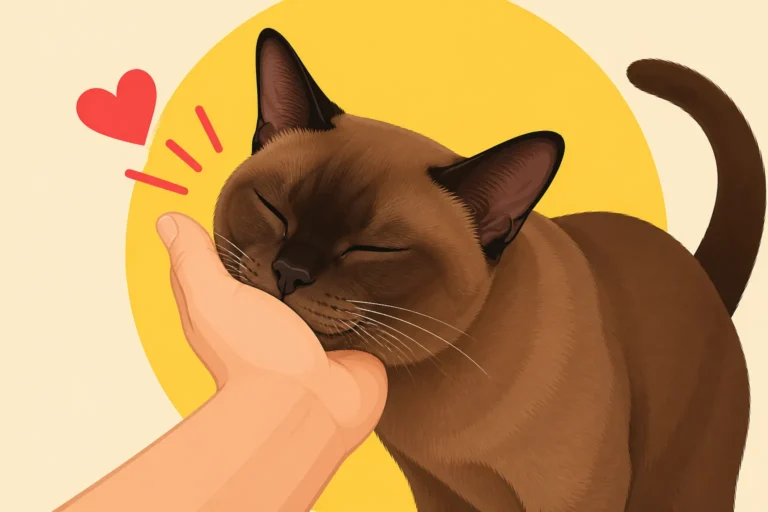
The Burmese cat is often affectionately called the "Velcro cat" of the cat fancy, and for good reason. They aren't just pets; they are deeply integrated family members who thrive on constant interaction and emotional connection with their humans. Unlike some other breeds that are perfectly happy with a solitary existence, a Burmese truly needs to be part of your world, almost every waking moment.
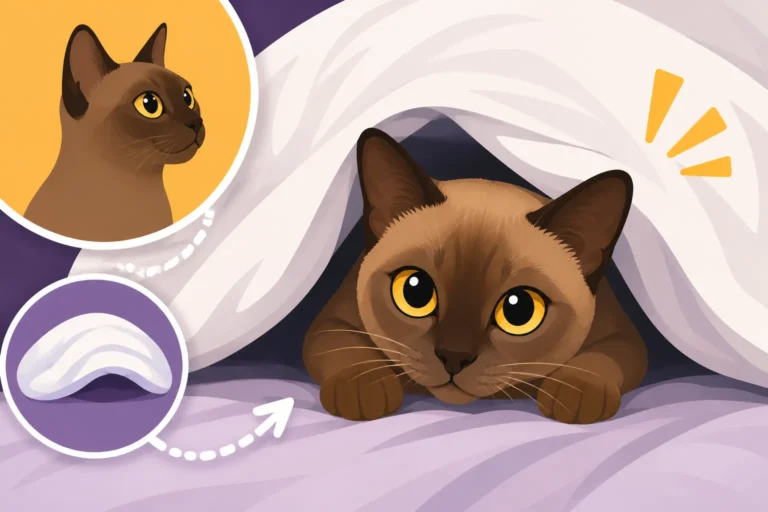
They possess an almost dog-like devotion, following you from room to room, supervising your chores, and insisting on being in the thick of whatever you’re doing. This isn’t just a cute quirk; it’s fundamental to their well-being. A Burmese literally lives for connection. They want to be on your lap, riding your shoulder, or snuggled under the covers with you at night. The Burmese Is the Velcro Cat of the Cat Fancy speaks volumes about this inherent trait. This constant need for physical and emotional presence means that short bursts of attention simply don't cut it for a Burmese. They're not looking for a fleeting moment; they're looking for a shared existence.
Why the Burmese Is Not Your Average Independent Feline
Many people assume a cat will be content if they have food, water, and a warm bed. For a Burmese, those are just the basics. Their entire personality is built around being a companion. Imagine a human child who thrives on parental interaction and suddenly only gets twenty minutes of focused attention a day. While it’s not a perfect analogy, it helps illustrate the profound impact limited interaction has on a highly social creature like the Burmese. They don’t just tolerate company; they actively seek it out and suffer without it.
This breed was developed with sociability as a cornerstone of its personality. They vocalize, they "talk" to you with their unique raspy rumble, and they initiate contact frequently. What a Burmese Wants When It Rumbles at You gives you a glimpse into their communicative nature. They aren't just sitting there passively; they are constantly engaging with their environment and, more importantly, with you. Twenty minutes might cover a quick cuddle and a meal, but it completely overlooks their deep-seated need for play, conversation, and simply being present with their favorite people.
The Myth of "Cat Time" and the Burmese
When people talk about "cat time," they often mean a brief interaction on the cat's terms, followed by the cat retreating to its own world. For a Burmese, this concept is almost foreign. They want all the time. If you’re home, they want to be with you. If you’re busy, they’ll find a way to be nearby, perhaps draped across your keyboard or nestled at your feet. Their happiness is intrinsically linked to your presence and engagement.
Think about the sheer energy and intelligence of a Burmese. They are incredibly playful, even into their senior years. A Burmese Is Still Playing at Fifteen highlights their enduring kittenish spirit. This means they need mental and physical stimulation that extends far beyond a short play session. A laser pointer for five minutes doesn't fulfill their hunting instincts or their desire for interactive games like fetch, which many Burmese learn with enthusiasm. They need sustained interaction to keep their minds sharp and their bodies active, preventing boredom and frustration that can easily lead to behavioral issues.
The Consequences of Insufficient Company
When a Burmese cat is consistently left alone for long stretches or only receives minimal daily interaction, the impact on their mental and emotional health can be severe. This isn't just about them being "unhappy"; it can manifest in tangible, often destructive, behavioral problems that are distressing for both the cat and the owner.
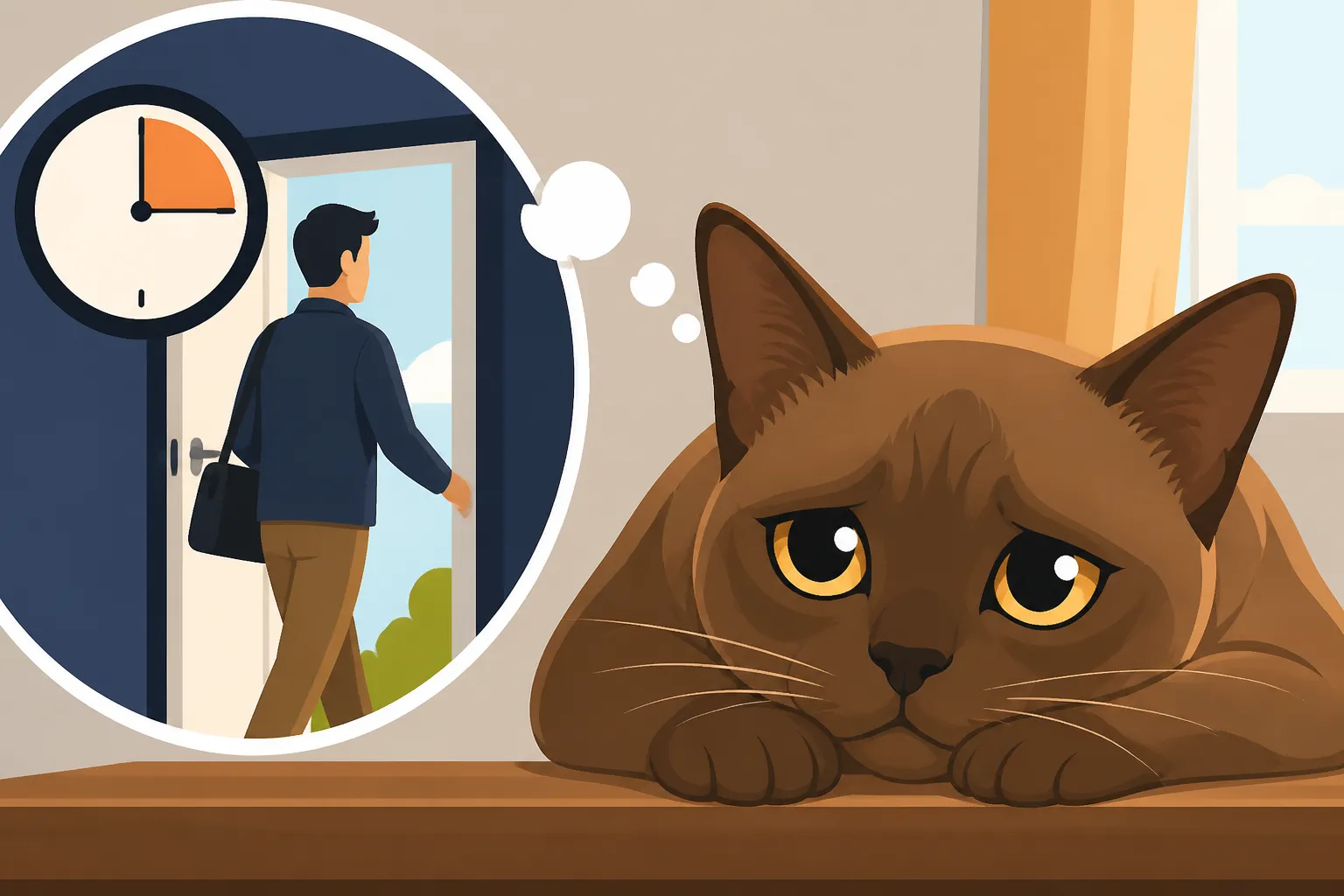
The primary issue is often What Separation Anxiety Looks Like in a Burmese. Because they form such strong bonds, being separated from their humans can be genuinely traumatic for them. This isn't just a longing; it's a deep-seated anxiety that can turn a sweet, affectionate cat into a stressed, destructive one. A Burmese that is suffering from loneliness isn't just quietly sad; they are often actively demonstrating their distress in ways that are hard to ignore.
Behavioral Manifestations of Loneliness
One of the most heartbreaking signs of a lonely Burmese is the development of destructive habits. This isn't malicious behavior; it's a cry for help. A cat might start over-grooming, pulling out patches of their beautiful satin coat until they have bald spots. This compulsive behavior is a common stress response in felines, and for a Burmese, it can be directly linked to a lack of companionship. Why a Lonely Burmese Pulls Its Satin Coat Out delves deeper into this particular issue, which can be both ugly and a strong indicator of psychological distress.
Beyond self-mutilation, you might find your furniture, curtains, or even carpets becoming targets for destructive scratching, far beyond normal feline claw maintenance. They might engage in inappropriate urination or defecation outside the litter box, even if they've been perfectly litter-trained for years. This isn't spite; it's often a sign of extreme anxiety and unhappiness. Think of it as their way of screaming, "I'm not okay!" Why an Anxious Burmese Sprays explains how this can stem from emotional distress.
They might also become overly vocal, not with their usual communicative rumble, but with a mournful, incessant crying or yowling that indicates profound distress. This isn't the charming "talking" you signed up for; it’s an urgent plea for attention. This behavior can be incredibly disruptive and frustrating for owners, creating a vicious cycle where the cat's distress causes problems, which in turn stresses the owner, making it harder to provide the calm, consistent attention the cat needs.
The Impact on Physical Health
While loneliness primarily affects mental health, it can certainly spill over into physical well-being. Stress suppresses the immune system, making a cat more susceptible to illness. An anxious Burmese might eat less, or conversely, overeat out of boredom or stress, leading to weight issues that this breed is already prone to. Why a Burmese's Appetite Goes When It Is Unhappy illustrates how their emotional state directly impacts their eating habits. Given the breed's predisposition to certain health conditions like diabetes, unchecked stress and weight gain can pave the way for serious medical problems.
A cat that is constantly on edge due to separation anxiety is living in a perpetual state of fight-or-flight. This constant physiological stress takes a toll on their body, potentially leading to gastrointestinal issues, skin problems (beyond the over-grooming), and a general decline in overall vitality. They might hide more, become lethargic, or lose interest in toys and activities they once enjoyed. These subtle changes can be easy to miss, but they are crucial indicators that something is deeply wrong.
| Behavior Trait | Signs of a Well-Adjusted Burmese | Signs of a Lonely/Anxious Burmese |
|---|---|---|
| Vocalization | Communicative raspy rumbling, purring, "talking" to you. | Incessant, mournful yowling or crying, excessive vocalization. |
| Interaction | Actively seeks cuddles, rides on shoulders, follows you around. | Withdrawn, hides, avoids interaction, or becomes clingy to a fault. |
| Play | Engaged in interactive play, fetches, curious, energetic. | Lethargic, shows no interest in toys or play, easily bored. |
| Grooming | Regular, healthy grooming; coat is sleek and shiny. | Over-grooming, pulling out fur, bald spots, dull coat. |
| Litter Habits | Consistent use of the litter box. | Inappropriate urination/defecation outside the box. |
| Appetite | Eats regular meals with enthusiasm. | Loss of appetite, overeating, or sudden changes in eating habits. |
| Destructive Behavior | Minimal scratching on appropriate posts, no destruction of household items. | Destructive scratching, chewing on fabric, knocking items over. |
Ensuring Your Burmese Gets the Company It Needs
Understanding that twenty minutes simply isn't enough is the first step. The next is proactively addressing their deep need for companionship, especially if your lifestyle means you're out of the house for significant periods. It requires commitment and often a creative approach, but the rewards of a happy, well-adjusted Burmese are immeasurable.
The single most impactful solution for a Burmese that might otherwise be alone all day is to provide them with a companion. Why Burmese Breeders Sell Them in Pairs isn't just a sales tactic; it's a recommendation rooted in a deep understanding of the breed's social nature. Two Burmese cats, or a Burmese paired with another highly social breed, can keep each other company, play together, and snuggle, alleviating much of the loneliness and anxiety that a single Burmese would experience. Why Two Burmese Settle Each Other beautifully explains the benefits of a multi-cat household for this breed.
Creating an Enriched Environment
Even with a companion, your Burmese still craves human interaction, but a stimulating environment can help bridge the gaps when you're busy or away. Invest in a variety of toys that encourage independent play, but remember that for a Burmese, the "toy" is often just an excuse to interact with you. Puzzle feeders can keep their intelligent minds occupied, especially if they are also on a managed diet. Look for interactive toys on platforms like Amazon that mimic prey, or even automated laser pointers (used sparingly to avoid frustration).
Vertical space is also key. Cat trees, shelves, and window perches provide vantage points and opportunities for climbing and exploration. A catio, a secure outdoor enclosure, can offer mental stimulation from watching birds and squirrels safely. While a catio isn't a substitute for human presence, it adds a rich layer of sensory input to their day. Whether a Catio Is Enough Company for a Burmese explores this in more detail.
Scheduling Dedicated Interaction Time
Even if you work long hours, making time for dedicated interaction is non-negotiable for a Burmese. This isn't just about feeding them; it's about focused, quality time. Aim for at least two significant play sessions a day, each lasting at least 15-30 minutes, where you are actively engaging with them using wand toys, laser pointers, or retrieving games. These sessions burn off energy, satisfy their predatory instincts, and strengthen your bond.
Beyond play, incorporate your Burmese into your daily routine as much as possible. If you’re watching TV, invite them onto your lap. If you’re reading, let them curl up beside you. If you’re cooking, let them supervise from a safe perch. Simple acts of acknowledgment, like a gentle stroke or a quiet word, add up to significant connection for them. Even during chores, your Burmese will likely follow you, seeking to be involved. Embrace it! This constant, low-level interaction throughout the day is far more beneficial than twenty minutes of intense play followed by hours of solitude.
The Role of Technology and Monitoring
For those moments when you absolutely must be away, technology can offer some peace of mind. Pet cameras with two-way audio can allow you to check in on your Burmese, and even speak to them, which can be comforting for some cats. Some cameras even dispense treats, adding a little excitement to their solo time. You can find many options on Amazon that offer these features. While it's never a replacement for physical presence, it's a tool to help you understand their behavior when you're not there and offer some virtual companionship. What a Camera Catches a Lonely Burmese Doing can provide insight into how useful these devices can be.
Consider leaving on a radio or TV for background noise. Some Burmese cats find the human voices or music comforting, preventing the oppressive silence that can exacerbate loneliness. While it might sound silly to have the TV on for your cat, anything that makes the environment feel less empty can be beneficial.
Ultimately, owning a Burmese is a commitment to a deeply social and affectionate companion. They give so much love, and in return, they simply ask for your presence and engagement. Twenty minutes is a fleeting moment in their day, far too short to fill the vast well of their need for connection. By understanding their unique social requirements and adapting your lifestyle to meet them, you ensure a happy, healthy, and incredibly devoted member of your family.
Disclaimer
This article is for general informational purposes only and does not constitute professional advice. Laws, prices and regulations vary by location and change over time. Consult a qualified professional for guidance on your specific situation.