The Burmese Is the Velcro Cat of the Cat Fancy
Oh, the Burmese! If you've ever had the pleasure of sharing your home with one of these magnificent creatures, you know exactly what "Velcro cat" means. It's not just a cute nickname; it’s a lifestyle, a deep, undeniable bond that reshapes your daily routine. This guide dives into the unique intensity of the Burmese personality, exploring why they crave constant closeness, how to manage their deep need for companionship, and how to ensure your beloved Burmese thrives as the ultimate "Velcro" friend.
Understanding the Burmese "Velcro Cat" Phenomenon
The phrase "Velcro cat" isn't one we throw around lightly in the cat fancy, but for the Burmese, it truly fits like a glove. These aren't your aloof, independent feline companions who grant you an audience only when their bowl is empty. Oh no, the Burmese is an entirely different kettle of fish – or rather, a different cat in your lap, on your shoulder, and quite possibly, under your covers. Their very nature seems to be intertwined with human connection, making them one of the most intensely people-oriented breeds out there. It’s a beautiful, overwhelming, and utterly captivating trait that defines much of what it means to live with a Burmese.
The Origins of Their Affectionate Nature
So, why are Burmese cats so incredibly devoted? It's not by accident. The breed's foundation traces back to a single cat, Wong Mau, brought to the United States in 1930. From the very beginning, breeders were drawn to her unique appearance and, more importantly, her extraordinarily friendly and interactive personality. Unlike many other breeds that were developed primarily for their looks, the Burmese was intentionally cultivated for its companionable temperament. This means that generations of selective breeding have reinforced the traits that make them so loving and people-centric. They were bred to be family members, to be involved, to be present, and that genetic predisposition shines through in every purr, every head-nuzzle, and every shadow-like following from room to room.
Think about it: while some breeds retain more of their wild, solitary instincts, the Burmese was refined with a clear focus on domestication and a deep bond with humans. This historical context is vital to understanding why they are the way they are. It’s not just a learned behavior; it’s deeply ingrained in their DNA, a testament to the vision of those early breeders who saw the potential for a truly unparalleled companion. This purposeful selection for temperament over nearly a century has solidified their reputation as the ultimate "people's cat," a far cry from the more independent nature of, say, a Russian Blue or a Maine Coon who might enjoy your presence but also relish their alone time.
What "Velcro Cat" Truly Means for a Burmese
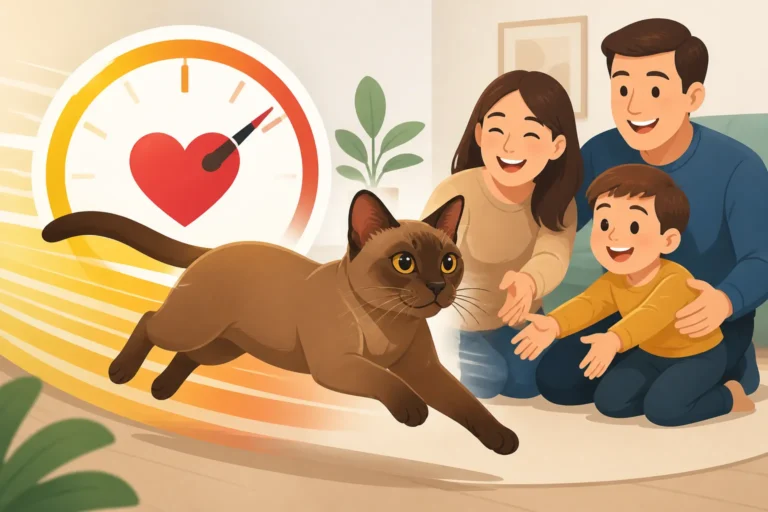
When we say "Velcro cat," it’s more than just a cat who likes to sit on your lap for a bit. For a Burmese, it means a continuous, unwavering presence. Imagine this: you get up from the sofa, and your Burmese is right there, weaving between your legs. You go to the kitchen, they're on the counter, observing your every move. You retreat to the bedroom, and within seconds, they've leaped onto the bed, settling down right next to you, often nudging their head into your hand for pets. It’s this constant proximity, this inherent need to be physically connected or at least within arm's reach, that truly defines their "Velcro" status. They want to be part of whatever you're doing, whether it's reading, cooking, working on the computer, or simply watching TV.
This isn't just about seeking attention; it's about genuine connection and security. A Burmese often doesn't just want to be in the same room; they want to be touching you, draped over your shoulders, nestled against your side, or tucked under your arm. Their purr is a constant soundtrack to your life, a soft rumble that signifies their contentment in your presence. They thrive on this intimacy, and it’s a core part of their happiness. If you’re looking for a cat who is a constant, warm presence in your life, literally shadowing your every move, then a Burmese might just be your perfect match. If you value personal space above all else, well, you might need to adjust your expectations!
Distinguishing True Burmese Clinginess from General Cat Affection
You might be thinking, "My cat loves me too! They sit on my lap!" And yes, many cats are affectionate, but the Burmese takes it to an entirely different level. The distinction lies in the intensity and the pervasive nature of their attachment. A typical affectionate cat might seek you out for a cuddle session and then wander off to do their own thing. A Burmese, however, is less likely to wander off. If you move, they move. If you stop petting them, they'll often nudge you, purr louder, or even try to climb onto your chest or shoulder to get closer. Their affection isn't sporadic; it's an ever-present force.
Furthermore, their need for connection is so strong that prolonged absence can genuinely distress them. While many cats might just sleep through your workday, a Burmese might pace, vocalize excessively, or even exhibit destructive behaviors born of anxiety. It's a fundamental part of their emotional makeup, not just a preference. They don't just enjoy your company; they need it to feel secure and content. This deeply integrated bond is what sets the Burmese apart and solidifies their reputation as the ultimate "Velcro cat," a living, purring extension of your own personal space.
The Burmese Need for Constant Companionship
The endearing "Velcro cat" trait of the Burmese is not without its challenges. What seems like adorable clinginess is, in fact, a deeply ingrained need for interaction and companionship. It's a trait that brings immense joy and comfort to those who understand and embrace it, but it can also lead to significant problems if their needs aren't met. Ignoring this fundamental aspect of their personality isn't just a minor oversight; it can have profound negative impacts on their physical and emotional health, transforming a normally joyful cat into an anxious and unhappy one.
Why They Cannot Be Left Alone All Day
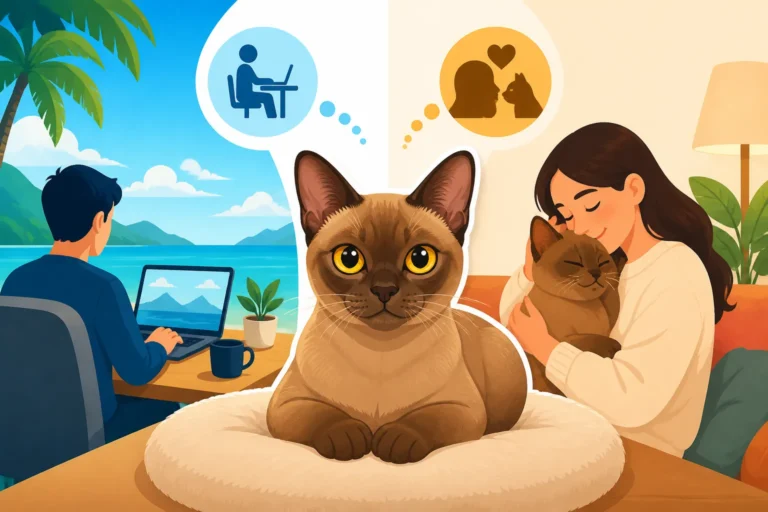
This is perhaps the single most crucial piece of advice for any potential Burmese owner: they genuinely cannot be left alone for long stretches every day. We’re talking about more than just a preference for company; it's a profound emotional requirement. Imagine being wired for constant social interaction, always seeking connection, and then being left in an empty house for eight, nine, or even ten hours a day. For a Burmese, this isn't just boring; it's deeply stressful and can feel like abandonment. Their cheerful, outgoing nature withers under prolonged solitude, replaced by anxiety and confusion.
If you work a typical 9-to-5 job outside the home, and there's no one else to keep your Burmese company, you are inadvertently setting them up for suffering. They thrive on interaction, conversation, and physical closeness. They want to know what you're doing, respond to your voice, and feel your presence. A house without human or compatible feline company feels utterly barren to them. This isn't just anecdotal; it's a consistent observation among Burmese enthusiasts and breeders. The phrase Why a Burmese Cannot Be Left Alone All Day isn't an exaggeration; it's a critical warning.
The Impact of Solitude on a Burmese's Well-being
When a Burmese is left alone for too long, the consequences can range from subtle changes in behavior to serious health and emotional issues. Initially, you might notice an increase in vocalization when you return home, a desperate plea for attention they've been craving all day. Over time, this can escalate into genuine separation anxiety. This isn't just them being "naughty"; it's a manifestation of profound stress. They might start engaging in destructive behaviors like scratching furniture excessively, chewing on items they shouldn't, or even spraying urine inappropriately in the house. This isn't malicious; it's a cry for help, a way they try to cope with their loneliness and distress.
Beyond property damage, their health can suffer. Anxious cats sometimes over-groom, leading to bald patches or skin irritation from constant licking and pulling at their fur. They might develop digestive issues due to stress, or their appetite could be affected. This is why it’s so important to understand What Separation Anxiety Looks Like in a Burmese – it goes far beyond a simple meow at the door. It's a complex emotional response that requires empathy and proactive solutions to ensure their well-being. A lonely Burmese is a suffering Burmese, and it's a preventable situation with the right understanding and preparation.
How a Second Cat Becomes a Necessity, Not a Luxury
Given their intense need for companionship, many experienced Burmese owners and reputable breeders will strongly recommend, or even require, that you take two Burmese kittens together. This isn't a ploy to sell more cats; it's a deeply informed recommendation for the well-being of the animals. A second cat, especially another Burmese or a similarly social breed, can be the ultimate solution to preventing loneliness and separation anxiety. They provide each other with constant company, play, grooming, and warmth, filling the void when their human companions are away.
Having a companion means they always have someone to wrestle with, to chase through the house, or simply to curl up with for a nap. This dramatically reduces the stress they experience during periods of solitude. Imagine coming home to two happy, well-adjusted cats playing together, rather than one anxious cat who has spent the day worrying. It truly makes all the difference in the world. As the experts say, Why Burmese Breeders Sell Them in Pairs is rooted in a deep understanding of the breed's social needs, and it's a practice that benefits everyone, most of all the cats themselves. While the initial investment might be higher, the long-term benefits for their happiness and your peace of mind are immeasurable.
Common Behaviors of the Velcro Burmese
Living with a Burmese means experiencing a whole new level of feline interaction. Their "Velcro" nature manifests in numerous distinctive behaviors that are both charming and, at times, utterly disarming. From their peculiar way of riding on your shoulder to their unique vocalizations and their unwavering insistence on sharing your bed, these traits are hallmarks of the breed. Embracing these behaviors is part and parcel of the joy of Burmese ownership, providing endless entertainment and a profound sense of connection.
The Shoulder Rider and Constant Follower
If you've spent any time around a Burmese, you've likely encountered the "shoulder rider." It's not uncommon for these agile cats to leap gracefully onto your shoulder, often perching there like a parrot, surveying their kingdom from a new vantage point. This isn't just for fun; it's another manifestation of their desire for closeness and involvement. From your shoulder, they can be part of your movements, feel your warmth, and peer into whatever you're doing. It’s an adorable, albeit sometimes inconvenient, way for them to literally attach themselves to you.
Beyond shoulder rides, the Burmese is a relentless follower. You'll never truly be alone in your home. Go to the bathroom? Your Burmese will probably be right there, perhaps even nudging the door open. Head to the kitchen for a snack? They'll trot along, tail held high, observing your culinary endeavors with keen interest (and perhaps a hope for a dropped morsel!). This constant shadowing is a clear indicator of their need to be involved in your life, never wanting to miss a moment of interaction or activity. It’s truly a testament to Why a Burmese Rides on Your Shoulder – it's all about maximizing their time and proximity with their beloved human.
The Unique Burmese "Rasping Rumble" Voice
Forget the typical "meow." The Burmese has a voice all its own, a distinctive, throaty rasp or rumble that is far more a conversation than a cry. It's often described as sounding like a permanent purr, but with more intention behind it. They use this unique vocalization to communicate a wide range of needs and desires: from demanding attention or food to expressing contentment or mild indignation. It's a low, resonant sound that vibrates through their chests and directly into your heart, especially when they're curled up beside you.
This vocal trait is another key differentiator from other breeds, particularly their close relatives like the Siamese, who are famous for their loud, insistent "yells." The Burmese rumble is far softer, more intimate, and incredibly expressive. It’s a sound that becomes deeply familiar to their owners, a constant, gentle commentary on their day. Understanding The Rasping Rumble a Burmese Uses Instead of a Meow is key to deciphering their wants and needs. It's not just noise; it's their personal language, a hallmark of their highly communicative and engaged personality.
Why They Insist on Sleeping With You (and Under the Covers!)
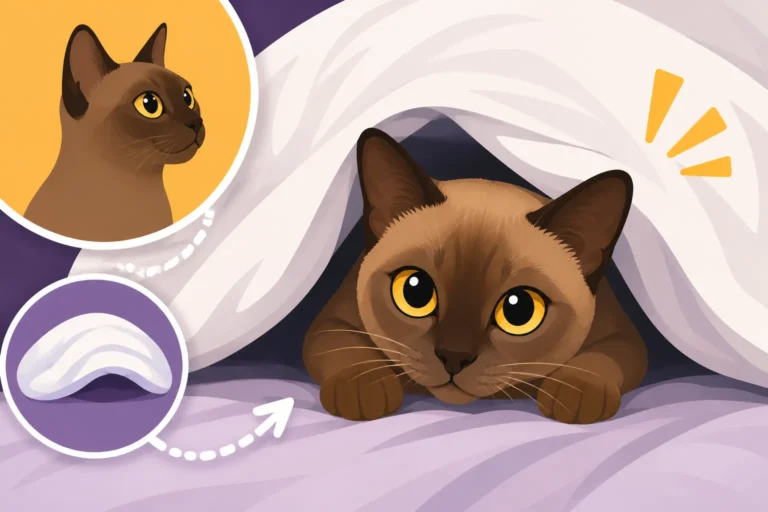
If you welcome a Burmese into your home, prepare to share your bed – and possibly your duvet. These cats are champions of co-sleeping, driven by their insatiable need for warmth, security, and physical contact. They will often seek out the snuggest, warmest spot, which invariably means curling up right next to you, nestled against your back, your legs, or even on your chest. Their sleek, short coats mean they appreciate extra warmth, and what's warmer than a human body under a cozy blanket?
But it goes beyond just warmth. For a Burmese, sleeping with their human is the ultimate expression of trust and affection. It's where they feel safest and most connected. Many Burmese take this a step further and will actively burrow under the covers, creating a little warm cocoon right beside you. This behavior can be utterly charming and incredibly comforting, a furry hot water bottle purring gently through the night. If you're not a fan of sharing your sleeping space, this is a significant trait to consider, as a Burmese will likely protest any attempts to make them sleep alone. Their profound need for connection extends even into their slumber, making Why a Burmese Gets Right Under the Duvet a very real and adorable part of living with this breed.
Managing Separation Anxiety in Your Burmese
While the Burmese's affectionate nature is one of its most endearing qualities, it also means they are particularly susceptible to separation anxiety if their need for companionship isn't met. It's a tough realization for many owners, especially those with busy lifestyles, but acknowledging and proactively managing this potential issue is paramount to their happiness. A distressed Burmese isn't just an inconvenience; it's a cat experiencing genuine emotional suffering, and it’s our responsibility as their caregivers to provide solutions.
Recognizing the Signs of Distress
Identifying separation anxiety in a Burmese can sometimes be tricky because they are so adept at hiding illness or distress. They might seem fine when you're home, but their anxiety manifests when you're gone. The more obvious signs can include destructive chewing (furniture, cords, personal items), inappropriate urination or defecation outside the litter box (especially on your clothes or bed), or excessive vocalization (howling, meowing, or that characteristic rasping rumble) that neighbors might report. However, there are often more subtle clues.
Keep an eye out for changes in appetite—either refusing to eat when alone or eating too quickly when you return. Excessive grooming leading to bald spots, or even pulling out fur, is a classic stress response in cats. They might also become withdrawn or unusually clingy when you are home, as if trying to make up for lost time. A pet camera can be incredibly illuminating, allowing you to observe their behavior when you're not there. What a Camera Catches a Lonely Burmese Doing can provide undeniable evidence of pacing, constant searching, or distress calls, helping you to understand the true extent of their loneliness. These signs aren't about being "naughty"; they're desperate communications of an unhappy cat.
Environmental Enrichment for the Time You're Away
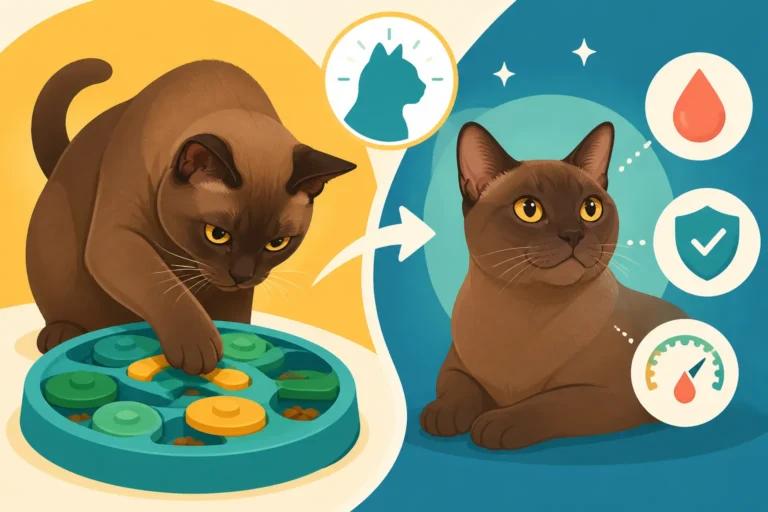
Since you can't be home 24/7, providing a stimulating and enriching environment is crucial for a Burmese prone to anxiety. This means more than just a few random toys. Think about engaging their intelligent minds and natural instincts. Puzzle feeders are fantastic, making them "work" for their food, which can distract them and provide mental exercise. You can find a great variety of these on Amazon, from simple treat balls to more complex labyrinth feeders, catering to different challenge levels.
Vertical space is also vital. Cat trees, shelves, or wall-mounted perches allow them to climb, observe their territory from a height, and feel more secure. Rotate their toys regularly to keep things fresh and interesting. Interactive toys that move or make sounds on a timer can provide bursts of entertainment. Consider a window perch with a view of birds or squirrels, or even a "cat TV" (videos for cats) for visual stimulation. Anything that can provide mental engagement and a sense of purpose during your absence will help mitigate their loneliness. The goal is to make their environment as interesting and comforting as possible, even without direct human interaction.
Gradual Desensitization and Positive Reinforcement
Tackling separation anxiety often requires a consistent approach of gradual desensitization and positive reinforcement. This means starting small. Practice leaving your Burmese alone for very short periods – literally minutes at first – and gradually increasing the duration. When you leave, make your departure calm and understated; avoid dramatic goodbyes that can heighten their anxiety. The same goes for your return: greet them calmly, only giving them full attention once they've settled down. This teaches them that your comings and goings are not a big deal.
Always associate your departure with something positive. A special long-lasting treat (like a lick mat with a smear of their favorite wet food) or a new engaging toy can create a positive association with your absence. When they display calm behavior during your absence, even if it's brief, reward it with praise and gentle affection upon your return. Never punish anxiety-driven behaviors; this will only increase their stress. Consistency is key, and it requires patience and understanding. It's a process of rebuilding their trust and security, teaching them that you will always come back.
Living with a Burmese in a Multi-Pet or Family Household
The Burmese cat's "Velcro" nature and extreme sociability make them exceptionally adaptable to various household dynamics. Unlike some more solitary feline breeds, a Burmese thrives in an environment bustling with activity, often embracing other pets and children with the same boundless affection they reserve for their primary human companions. This makes them a fantastic choice for families and multi-pet homes, where their need for constant engagement can be beautifully met.
Integrating with Other Cats and Dogs
One of the most remarkable qualities of the Burmese is their open-hearted willingness to bond with other animals. While every introduction requires care and patience, a Burmese often approaches other cats and even dogs with curiosity and a desire for companionship. They are rarely aggressive and often seek to initiate play and physical closeness. This means they are often successful in multi-pet households, providing they have a compatible companion. This is why the advice is often to get two Burmese cats, as they will readily bond with each other.
For those with dogs, the Burmese often treats them as just another source of company and warmth. It's not uncommon to find a Burmese curled up with a dog, sharing a bed, or even engaging in gentle play. Their confidence and friendly demeanor often win over even the most dog-centric canines. This trait reinforces Why a Burmese Treats Children and Dogs as More Company – their capacity for affection extends far beyond just their human family members, making them truly integrated members of a diverse household. The key is to ensure the other pets are also relatively social and tolerant, so the Burmese's advances are welcomed, not rebuffed.
The Burmese and Children: A Special Bond
If you have children, a Burmese can be an absolute blessing. Their patient, playful, and tolerant nature makes them wonderful companions for kids of all ages. They are rarely prone to scratching or biting, even during boisterous play. Instead, they often engage enthusiastically, chasing toys, participating in games, and soaking up all the attention and cuddles a child can offer. They seem to intuitively understand that children are just smaller, noisier versions of their beloved humans, and they embrace them fully.
Many Burmese will happily tolerate being picked up and carried (often on a shoulder, naturally!) by gentle children, becoming a constant furry presence in their lives. They integrate into family routines, often following children from room to room, supervising homework, or joining in on playtime. This makes them ideal family pets, teaching children about responsible pet ownership and the joy of a deep animal bond. However, as with any pet, supervision and teaching children how to interact respectfully are always important to ensure a harmonious relationship.
Why a Busy Household is Often the Best Fit
Given everything we've discussed about their need for companionship, it makes perfect sense that a busy household is often the ideal environment for a Burmese. Homes where people are frequently moving around, engaging in different activities, and providing a constant hum of presence are exactly what a Burmese thrives on. The more people, the more sources of attention, interaction, and physical warmth they have access to. This means that if you have a lively home with multiple family members, or even roommates, your Burmese will likely be in their element.
Instead of being overwhelmed by activity, they will often insert themselves right into the thick of it, moving from lap to lap, participating in conversations with their distinctive rumbles, and generally ensuring they are the center of attention. They want to be involved in everything, from dinner prep to movie night. This constant social engagement keeps their intelligent minds stimulated and their affectionate hearts full, preventing the loneliness and anxiety that can plague a Burmese in a quieter, less active home. They truly are happiest when they are surrounded by the hustle and bustle of family life.
Enriching the Life of Your Burmese Companion
A Burmese cat's life is defined by interaction and engagement. Simply providing food and shelter isn't enough for these highly intelligent and profoundly social creatures. To ensure they lead a truly happy, fulfilled life, their environment needs to be rich with opportunities for mental stimulation, physical activity, and continued bonding. This commitment to enrichment is a joyful part of Burmese ownership, as their eager participation makes every effort worthwhile.
The Joy of Interactive Play and Training
Burmese cats retain a kitten-like playfulness well into their senior years. This isn't just a cute quirk; it's a deep-seated need to engage, chase, and interact. Interactive play, such as using wand toys, laser pointers, or throwing soft balls for them to fetch, is essential for their physical and mental well-being. They thrive on games that involve you, turning playtime into another bonding opportunity. You’ll find them batting at feathers, leaping for toys, and bringing their favorites back to you, often dropping them right at your feet, waiting for you to throw them again. A Burmese Is Still Playing at Fifteen isn't a hyperbolic statement; it's a common reality for this breed, and their sustained energy means you need to be ready to play for years to come.
Beyond play, their intelligence and food motivation make them excellent candidates for positive reinforcement training. They can learn tricks like "sit," "stay," "come," and even more complex commands with consistency and delicious rewards. Clicker training works wonderfully with Burmese cats, leveraging their eagerness to please and their love for a tasty treat. This mental exercise not only strengthens your bond but also keeps their sharp minds from becoming bored, which can sometimes lead to mischievous behavior.
Creating a Secure and Stimulating Indoor Environment
While your Burmese would ideally spend all their time on your lap, a well-designed indoor environment is crucial for those moments when you can't be their sole source of entertainment. Vertical space is paramount. Invest in sturdy cat trees that reach to the ceiling, providing multiple perching spots. Wall-mounted shelves or "cat highways" can turn your walls into an exciting playground. These elevated spaces not only satisfy their climbing instincts but also offer secure vantage points from which to survey their territory, which helps them feel safe and in control.
Window perches are also vital, offering a "cat TV" view of the outside world, stimulating their hunting instincts and providing endless entertainment. For those who want to offer outdoor experiences safely, a secure catio (enclosed outdoor patio) can be a fantastic addition, allowing them to enjoy fresh air and sunshine without the dangers of free-roaming. Don't forget ample scratching posts and boards in various materials (sisal, cardboard, carpeted) placed in prominent areas to encourage appropriate scratching behavior and keep their claws healthy. A variety of textures and activities ensures that their environment is as dynamic and interesting as they are.
Nurturing Their Affectionate Nature Throughout Their Lives
The "Velcro cat" trait doesn't diminish with age; in fact, an older Burmese often becomes even more reliant on their human companions for comfort and security. As they slow down, their need for warmth and closeness might increase. Continue to provide plenty of lap time, gentle grooming sessions (which they adore), and quiet cuddles. Even if they're not leaping and chasing as much as they used to, their minds remain sharp and their hearts full of love. Engaging them with gentler play, like slow wand-toy movements or puzzle toys that don't require too much physical exertion, can keep them stimulated.
Acknowledging their constant presence and responding to their affectionate nudges or rumbles reinforces their sense of belonging and security. Their loyalty is unwavering, and they will continue to seek out your company, often following you with a slightly slower gait. What a Burmese Is Still Doing at Twelve is often the same things they did at two, just with a little less bounce. They still want to be on your lap, under your arm, and certainly sharing your bed. Nurturing this lifelong bond means being present, patient, and appreciative of the incredible gift of a Burmese's boundless affection.
Disclaimer
This article is for general informational purposes only and does not constitute professional advice. Laws, prices and regulations vary by location and change over time. Consult a qualified professional for guidance on your specific situation.