Why a Puzzle Feeder Helps a Diabetes Prone Burmese
If you've ever watched your beautiful Burmese wolf down their meal in what feels like mere seconds, only to immediately start begging for more, you know the frustration. It's a common worry for many Burmese owners, especially given how much this beloved breed adores food and how quickly they can pack on the pounds. This guide will explore why those fast eating habits and a love for food can put your Burmese at a higher risk for serious health issues like diabetes, and how a simple puzzle feeder can become an invaluable tool in safeguarding their health and well-being.
The Link Between Eating Habits, Weight, and Diabetes in Burmese Cats
It's heartbreaking to think that something as simple as how our cats eat could contribute to illness, but with Burmese cats, it's a very real concern. Their particular genetics combined with their famously robust appetites create a perfect storm for certain health challenges, especially diabetes. Understanding this connection is the first step in protecting your furry family member.
Why Burmese Are Prone to Diabetes
The Burmese breed carries a unique genetic predisposition that makes them significantly more susceptible to developing diabetes than many other cat breeds. It's not just a slight increase; they are Why a Burmese Is Four Times More Likely to Become Diabetic. This genetic factor means that while good diet and exercise are important for all cats, they are absolutely critical for a Burmese. Think of it this way: their bodies are inherently less efficient at processing glucose, so any factors that put a strain on their insulin production or utilization, like excess weight or a high-carbohydrate diet, can push them over the edge.
This predisposition means that even a little extra weight can have a much greater impact on a Burmese's health compared to another cat breed. Their system is just not as forgiving. So, managing their weight isn't just about keeping them svelte for aesthetic reasons; it's truly a form of preventative medicine. Every extra pound on a Burmese cat increases the workload on their already sensitive pancreas, inching them closer to insulin resistance and eventually, full-blown diabetes. It's why owners are often encouraged to be so vigilant about their Burmese's diet and activity levels from a young age.
The Dangers of Free Feeding and Rapid Eating
Many cat owners, myself included, have fallen into the trap of leaving food out all day for their cats, or simply dishing out meals that disappear in a flash. For a Burmese, these habits are particularly problematic. Free feeding, where food is constantly available, allows a cat to graze whenever they want, making it incredibly difficult to monitor their actual intake. Given their insatiable appetite, a Burmese will often overeat when free-fed, leading to unchecked weight gain. Why a Bowl Left Down Turns a Burmese Diabetic explains this risk in detail.
Rapid eating also poses its own set of issues. When a Burmese devours its food too quickly, they often swallow a lot of air, which can lead to indigestion and vomiting. More importantly, it doesn't give their brain enough time to register satiety. They eat quickly, empty the bowl, and then immediately feel hungry again because their body hasn't had a chance to signal that it's full. This cycle perpetuates overeating, contributing to the very weight gain that exacerbates their diabetes risk. It also denies them the mental stimulation that comes from working for their food, leaving them bored and still craving satisfaction.
The Importance of Portion Control
Given their genetic predisposition and enthusiastic appetites, strict portion control is absolutely non-negotiable for a Burmese cat. It truly is Why Portion Control Is Medical Care in a Burmese. Every meal needs to be a measured amount, carefully calculated based on their age, activity level, and ideal body weight. It’s not enough to eyeball it; a food scoop can be wildly inaccurate. Precision is key.
This rigorous approach helps prevent the accumulation of excess fat, especially around the internal organs, which contributes to insulin resistance. By controlling portions, we help keep their blood sugar levels more stable and reduce the constant strain on their pancreas. It's a daily commitment, but one that pays dividends in terms of their long-term health and quality of life. Without consistent portion control, even the healthiest food can lead to weight gain if overfed, pushing your beloved Burmese closer to that diabetes diagnosis. You might even want to track their weight weekly, using tools like How to Weigh a Burmese Accurately at Home.
How Puzzle Feeders Work Their Magic for Burmese Cats
So, how do we tackle these challenges without making our food-motivated Burmese feel deprived? This is where puzzle feeders shine. They are more than just fancy food bowls; they are tools that transform mealtime into an enriching, health-promoting activity.
Slowing Down Meal Times
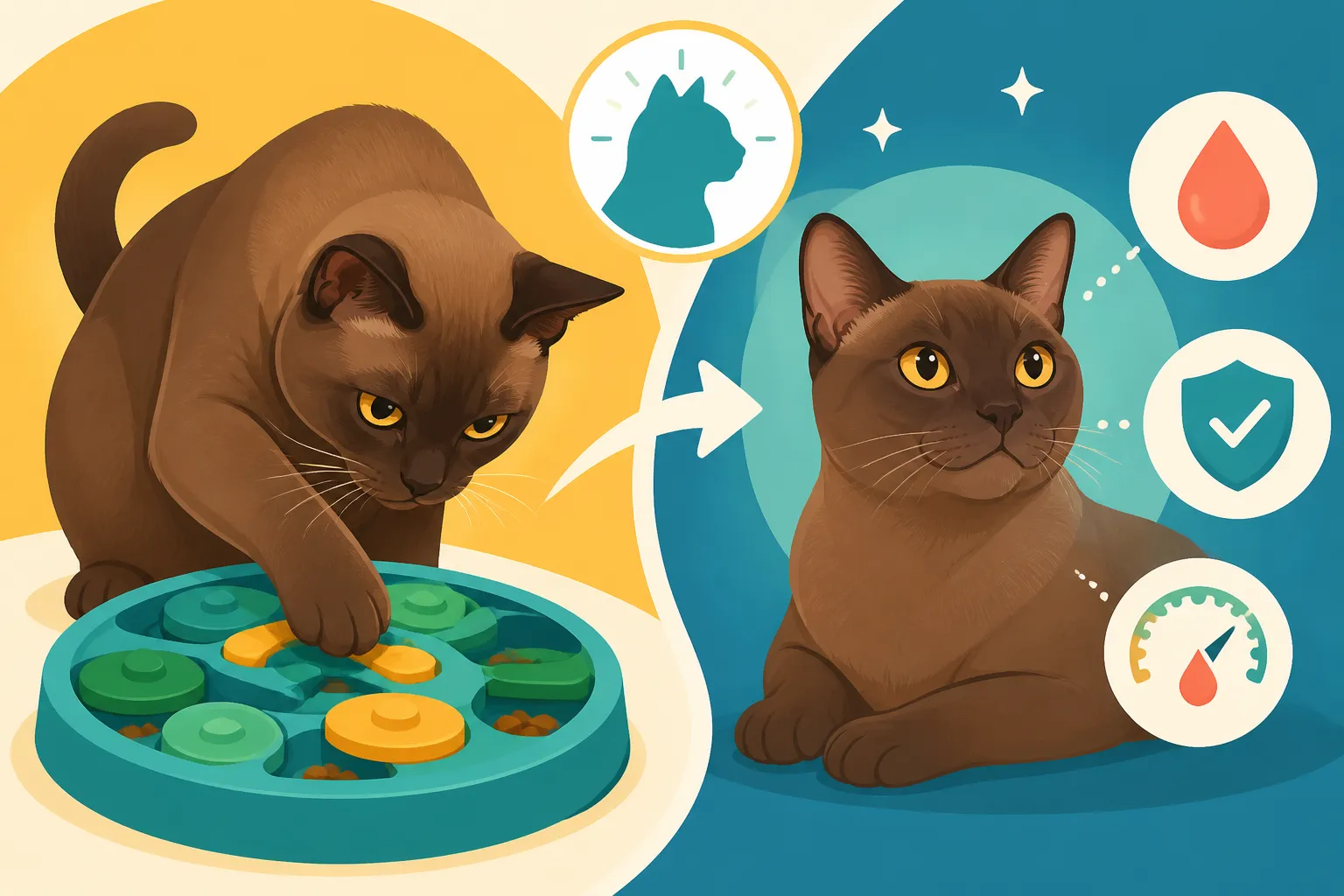
The most immediate and obvious benefit of a puzzle feeder is its ability to slow down even the most enthusiastic eater. Instead of gulping down a meal in sixty seconds flat, your Burmese has to work for each bite. This involves nudging, pawing, licking, or manipulating the feeder in various ways to release the food. What used to be a frantic dash often turns into a 15-20 minute engagement.
This extended mealtime offers several crucial advantages. Firstly, it prevents overconsumption and reduces the likelihood of post-meal vomiting. Secondly, and perhaps more importantly, it allows the cat's digestive system and brain to catch up. By the time they've finished their portion, their body has had a chance to register satiety, leading to a feeling of fullness and reducing immediate post-meal begging. This makes portion control much more effective, as the cat feels satisfied with the allocated amount. It's a fantastic way to How to Slow a Fast Eating Burmese without making your cat feel punished.
Engaging Their Minds and Bodies
Burmese cats are incredibly intelligent and active creatures. They thrive on interaction and mental stimulation. Unfortunately, a standard food bowl provides none of this. It's a passive experience that leaves their clever brains underutilized. A puzzle feeder, however, turns mealtime into a mental and physical workout. They have to strategize, problem-solve, and use their paws and noses to get their reward.
This engagement combats boredom, which can be a significant issue for highly social and intelligent breeds like the Burmese. Boredom can lead to destructive behaviors or, crucially for a food-motivated cat, excessive begging and anxiety around food. By providing an outlet for their natural hunting and foraging instincts, puzzle feeders enrich their daily lives, reducing stress and promoting a healthier overall demeanor. An engaged cat is often a happier and healthier cat, and this mental and physical exertion helps burn a few extra calories too.
Turning Food into a Game
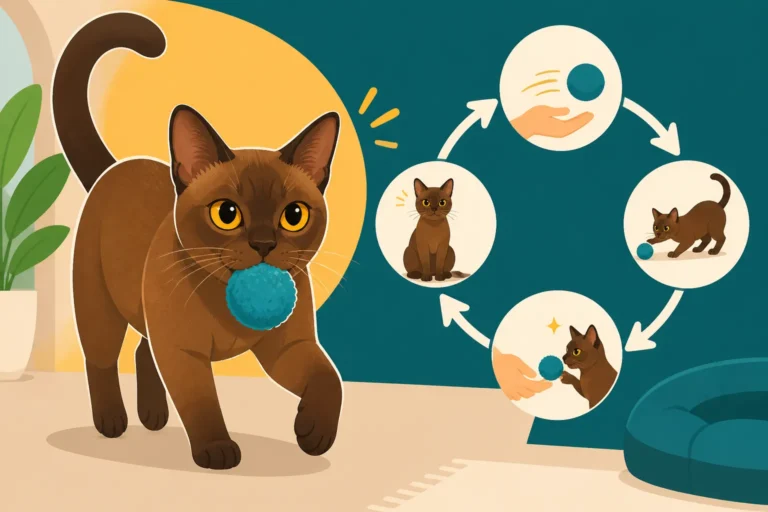
For many cats, especially those from the Burmese line, food is a huge motivator. Puzzle feeders capitalize on this intrinsic drive by transforming the act of eating into a rewarding game. This isn't about deprivation; it's about making food acquisition more fulfilling. Imagine the satisfaction your Burmese feels when they successfully bat a piece of kibble out of a dispenser, or work a treat from a complex maze. It’s a mini-victory with every bite.
This positive reinforcement for active engagement with their food helps build a healthier relationship with eating. Instead of associating food purely with instant gratification, they begin to associate it with an enjoyable challenge. This can be especially beneficial for Why a Burmese Never Stops Asking for Food, helping to channel that constant food drive into a constructive activity rather than insistent demands. Even if your Burmese is already showing signs of diabetes, certain puzzle feeders are great for How to Feed a Diabetic Burmese in a Multi Cat House, ensuring they get their special diet while still enjoying the enrichment.
Choosing the Right Puzzle Feeder for Your Burmese
Stepping into the world of puzzle feeders can feel a bit overwhelming, as there are so many options out there. But finding the right one for your Burmese is key to success. It's about matching the feeder to their skill level, your lifestyle, and their specific health needs.
Types of Puzzle Feeders
Puzzle feeders come in a wide array of designs, each offering a different level of challenge and engagement. Here are some common types you might find on sites like Amazon:
- Slow Feeder Bowls: These are generally bowls with ridges, labyrinths, or obstacles built into them. They're a great starting point for beginners, as they simply make it harder to scoop up large mouthfuls of food, extending mealtime without being too complex.
- Movable Treat Balls/Dispensers: These are spherical or oddly shaped toys with small openings. Cats bat them around to release kibble or treats. They're excellent for encouraging physical activity and can be easily incorporated into daily play. You can find many options on Amazon that are durable and easy to clean.
- Puzzle Boards/Mats: These feature various compartments, tunnels, and covers that require the cat to use their paws and nose to uncover food. They offer a higher level of mental stimulation and can be varied in complexity. Some Amazon brands offer interchangeable parts to adjust the challenge.
- Foraging Toys: These mimic natural foraging behavior, often requiring cats to pull, lift, or slide components to access food. They can range from simple tubes to more intricate, multi-level designs.
Consider your Burmese's personality. Is your cat a shy problem-solver, or an aggressive player? Start with something easy and gradually increase the difficulty.
Features to Look For
When you're browsing for a puzzle feeder, especially for a diabetes-prone Burmese, a few features are particularly important:
| Feature | Why It Matters for a Burmese |
|---|---|
| Material | Durable, non-toxic, and easy to clean (dishwasher-safe is a bonus). |
| Stability | Should be heavy enough or have non-slip feet to prevent it from being easily tipped over. |
| Adjustable Difficulty | Allows you to start easy and increase the challenge as your Burmese masters it. |
| Size of Openings | Ensure openings are suitable for your cat's kibble size to avoid frustration. |
| Ease of Filling | You'll be using this daily, so it shouldn't be a struggle to load with food. |
| Engagement Type | Some require pawing, some licking, some pushing. Varying types offer different enrichment. |
Remember, your goal is not to frustrate your cat but to engage them. If a feeder is too difficult, they might give up. If it's too easy, it won't provide the benefits of slowed eating or mental stimulation. Look for reputable brands on platforms like Amazon that offer clear descriptions and user reviews about durability and effectiveness.
Introducing a Puzzle Feeder Successfully
Introducing a puzzle feeder needs a bit of strategy to ensure your Burmese embraces it. Don't just swap out their regular bowl cold turkey; that can lead to refusal and stress.
- Start Simple: Begin with a basic slow feeder bowl or a very easy puzzle toy where food is readily visible and accessible. Place a small amount of their regular, Why Low Carbohydrate Food Matters for a Burmese friendly food in it.
- Make it Appealing: Initially, you might need to sprinkle a few high-value treats or their favorite kibble on top or in the easiest sections to pique their interest. Let them "win" easily a few times to build confidence.
- Use Positive Reinforcement: Praise them when they interact with the feeder, even if they don't get food immediately. Make it a positive experience.
- Gradual Transition: Over several days or weeks, gradually increase the complexity or reduce the direct visibility of the food. You can start with just one meal a day in the puzzle feeder, slowly moving to all meals.
- Be Patient: Every cat learns at their own pace. Some Burmese will take to it immediately, while others might need more encouragement. Don't get discouraged if they don't immediately understand it.
- Multiple Feeders: Once they master one, consider introducing a second, different type of feeder to offer variety and keep them engaged. This is also great for multi-cat households, allowing each Burmese their own challenge.
- Monitor Food Intake: Always ensure your Burmese is consuming enough calories, especially during the transition. If they're struggling, make it easier again. For guidance on appropriate calorie intake, check out How Many Calories a Diabetes Prone Burmese Should Get.
By patiently integrating puzzle feeders into your Burmese's routine, you're not just providing a meal; you're offering enrichment, combating obesity, and actively working to prevent or manage diabetes. It's a small change with profound positive impacts on their health and happiness.
Disclaimer
This article is for general informational purposes only and does not constitute professional advice. Laws, prices and regulations vary by location and change over time. Consult a qualified professional for guidance on your specific situation.