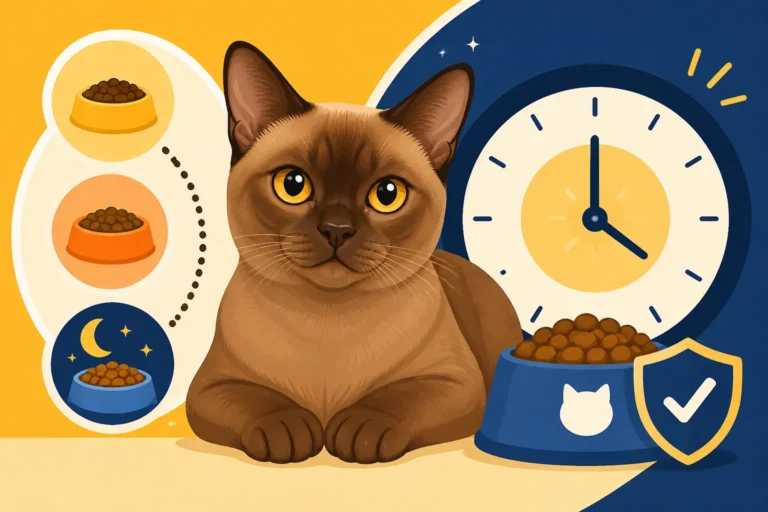
Why a Bowl Left Down Turns a Burmese Diabetic
It’s a common scenario in so many loving homes: you want your beloved Burmese to have everything they need, so you keep their food bowl topped up, thinking they’ll just graze when they’re hungry. But for Burmese cats, this seemingly kind gesture can actually set them on a dangerous path toward one of the most serious health challenges they face: diabetes. This guide is here to unravel why leaving food out isn't suitable for this unique breed and how a simple change in feeding habits can safeguard their health for years to come.
The Burmese Cat's Unique Predisposition to Diabetes
Burmese cats, with their dazzling personalities and muscular frames, are simply not built like other cat breeds when it comes to metabolism. This isn't just about weight; it's deeply ingrained in their genetics. Understanding this fundamental difference is the first step toward preventing a serious health issue.
Why Burmese Cats Are Different
Think of your Burmese as a finely tuned athlete, but one whose system is incredibly efficient at holding onto every calorie. Unlike some breeds that might be able to free-feed without immediate consequences, the Burmese cat's metabolism is uniquely geared to develop insulin resistance. This means their body struggles to process sugars properly, making them exceptionally prone to diabetes. It's not a flaw, per se, but a characteristic that requires careful management from their human companions. Their active, playful nature often masks this underlying vulnerability until it's too late. While they might be zooming around the house as kittens and young adults, their internal machinery is already working differently. This inherent tendency means that The Burmese Has the Highest Diabetes Rate of Any Cat Breed, and studies have shown Why a Burmese Is Four Times More Likely to Become Diabetic compared to the general feline population. It's a sobering statistic, but one that empowers us to take proactive steps.
The Role of Carbohydrates and Weight
Cats, by nature, are carnivores. Their bodies are designed to thrive on a diet rich in animal protein and fat, with very little need for carbohydrates. In the wild, a cat's diet would consist almost entirely of prey, which is high in protein and fat, and virtually devoid of the starches and sugars found in many commercial pet foods. When we introduce a diet high in carbohydrates, especially the kind found in many dry kibbles, a Burmese cat's system is thrown off balance. Their pancreas works overtime to produce insulin to cope with the constant influx of sugar, and eventually, it can just give up or become resistant.
Combine this with weight gain, and you have a recipe for disaster. Excess weight makes the body even more resistant to insulin, creating a vicious cycle. Even a pound or two of extra weight on a compact, muscular Burmese can significantly increase their risk. It's why we always say that Why Portion Control Is Medical Care in a Burmese – it's not just about aesthetics, it's literally about preventing disease. The data shows How Much Weight Raises a Burmese's Diabetes Risk exponentially, reinforcing that maintaining a lean, healthy weight is perhaps the most critical component of care for this breed.
The Pitfalls of Free-Feeding for a Burmese
Leaving a bowl of food out all day might seem convenient and generous, but for a Burmese cat, it's a practice fraught with danger. It undermines their natural eating patterns, wreaks havoc on their metabolic system, and can obscure vital health clues.
Constant Availability and Overconsumption
When food is constantly available, the novelty wears off, and the cat tends to snack mindlessly rather than eating distinct meals. This isn't how cats are meant to eat. In the wild, they hunt, eat a meal, and then rest, allowing their digestive system to process. Free-feeding blurs these lines, encouraging continuous grazing throughout the day and night. For a breed as food-motivated as the Burmese, this continuous access means they are almost guaranteed to overconsume calories. They don't have an "off switch" that tells them they've had enough when delicious kibble is always within reach. Every little snack adds up, and before you know it, those few extra calories each day turn into significant weight gain over weeks and months. It's no wonder that many Burmese owners will attest that Why a Burmese Never Stops Asking for Food – it’s a constant battle of wits, and an always-full bowl just makes it harder. This behavior isn't a sign of genuine hunger often; it's a conditioned response to constant availability.
Impact on Blood Sugar Regulation
This constant eating has a profound effect on a Burmese's blood sugar. Every time your cat eats, their body releases insulin to move sugar from the bloodstream into the cells for energy. If food is available 24/7, their insulin levels are perpetually elevated. Imagine your pancreas working non-stop, day in and day out, trying to manage an endless supply of incoming sugar. Eventually, the cells start to ignore the insulin's signals – they become "insulin resistant." This is the precursor to Type 2 diabetes. The body is producing insulin, but it's like knocking on a door that no one answers. Over time, the pancreas becomes exhausted, and insulin production dwindles, leading to full-blown diabetes. It's a slow, insidious process where How Diabetes Develops in a Burmese can often go unnoticed until the symptoms are severe. The genetic predisposition of the Burmese means this process accelerates faster in them than in other breeds, highlighting Why the Burmese Diabetes Risk Is Inherited and making free-feeding an even greater gamble.
Difficulty in Monitoring Intake
One of the less obvious but equally critical drawbacks of free-feeding is the complete lack of insight into your cat's actual food intake. If you have multiple cats, you won't know who's eating what. Even with a single cat, you can't tell if they're eating too much or, perhaps more alarmingly, too little. A sudden drop in appetite can be an early indicator of illness, but if the bowl is always full, you might not notice a change for days. This monitoring difficulty extends to weight management. Without precise measurements of food, adjusting their diet to achieve or maintain a healthy weight becomes a guessing game. You simply don't have the data to make informed decisions about their nutritional needs, which can delay intervention for weight gain or loss, both of which are critical for Burmese health.
Here’s a quick comparison of free-feeding versus scheduled feeding for your Burmese:
| Feature | Free-Feeding | Scheduled Feeding |
|---|---|---|
| Availability | Constant access to food | Fixed meal times, specific portions |
| Insulin Response | Constantly elevated, risk of resistance | Regulated spikes and drops, healthier cycles |
| Weight Management | Difficult to control, high risk of obesity | Easy to monitor, precise portion control |
| Health Monitoring | Hard to detect appetite changes | Clear indication of changes in appetite |
| Behavioral Impact | Mindless snacking, potential food anxiety | Establishes routine, reduces begging |
| Carbohydrate Control | Often high due to dry kibble | Easier to manage with low-carb wet food |
| Risk of Diabetes | Significantly higher | Significantly lower |
Transitioning to a Structured Feeding Plan
Moving from free-feeding to scheduled meals might seem daunting, both for you and your Burmese. But I promise you, it's one of the most impactful health decisions you can make. It's about taking control and providing the very best preventative care.
The Benefits of Measured Meals
Switching to measured, scheduled meals is a game-changer for your Burmese's health. It allows you to precisely control calorie intake, ensuring they get exactly what they need without overdoing it. This is crucial for weight management, directly impacting their diabetes risk. Regular meal times also help regulate their metabolism, giving their pancreas a much-needed break between meals and promoting healthier blood sugar levels. Beyond the physical benefits, scheduled feeding creates a routine that many cats, including the highly intelligent and routine-loving Burmese, actually thrive on. It establishes clear expectations around food, which can even reduce begging behaviors over time.
Remember, Feeding a Burmese Is a Medical Decision, Not a Preference. It's not about being mean or withholding; it's about providing the specific care this breed needs. The simple act of saying Why a Burmese Should Never Be Free Fed is backed by decades of veterinary science and countless positive outcomes for cats whose owners made the switch. It truly is the foundation of a healthy life for them.
Implementing a Low-Carbohydrate, Wet Food Diet
Once you've committed to scheduled meals, the next critical step is to look at what you're feeding them. For a breed prone to diabetes, a low-carbohydrate, high-protein wet food diet is often recommended. Dry kibble, even "premium" varieties, tends to be much higher in carbohydrates to hold its shape and allow for shelf stability. Wet food, by its nature, more closely mimics the natural diet of a wild cat, providing essential moisture and a better balance of macronutrients.
When choosing food, aim for options where carbohydrates are a minimal percentage of the calories. Many brands list protein, fat, and fiber, but carbohydrates are often calculated "by difference." Look for high-quality, meat-based options. You can find a vast selection of appropriate wet foods on platforms like Chewy or Amazon, allowing you to compare nutritional profiles easily. Some owners even explore fresh food delivery services, but always ensure they are specifically formulated for cats and meet stringent nutritional guidelines, and importantly, are low in carbohydrates. Understanding Why Low Carbohydrate Food Matters for a Burmese is paramount; it directly influences their blood glucose stability. In many cases, transitioning to this type of diet is a key factor in Which Diet Puts a Burmese Into Remission if they do develop diabetes, so starting early is a powerful preventative measure.
Step-by-Step Transition Guide
Changing a cat's diet, especially a Burmese who can be quite opinionated, requires patience and a gradual approach. Here's how to do it without causing undue stress:
- Phase Out Free-Feeding Slowly: If you've been free-feeding, start by picking up the bowl for short periods, say for an hour or two at a time, gradually increasing the duration. This teaches your cat that food isn't always there.
- Introduce Scheduled Meals: Offer small, measured portions of their current food at specific times, for example, two to three times a day. Leave the food down for 15-20 minutes, then pick it up, even if they haven't finished.
- Gradual Food Transition: Once they're used to scheduled meals, begin mixing a small amount of the new low-carb wet food with their old food. Over a week or two, slowly increase the proportion of new food while decreasing the old. This slow transition helps prevent digestive upset and pickiness.
- Enrichment During Meal Times: Consider using puzzle feeders for some of their meals. This slows down their eating, provides mental stimulation, and taps into their natural hunting instincts. Just ensure the puzzle feeder doesn't encourage free-feeding if designed for dispensing small amounts throughout the day.
- Consistency is Key: Stick to your schedule. Cats thrive on routine, and consistency will help them adjust faster.
- Hydration: Ensure multiple fresh water sources are always available, especially when transitioning to a wet food diet, though wet food contributes significantly to their hydration.
It’s completely normal for your Burmese to be resistant at first, especially if they're used to having constant access to food. They might even act like they're starving! But stay strong; you're doing this for their long-term health. For more detailed tips on how to handle a picky eater, you can look into resources like How to Change a Burmese's Food Without It Refusing.
Long-Term Management and Monitoring
Successfully transitioning to a structured, healthy diet is a huge win, but ongoing vigilance is essential. For Burmese cats, long-term health management means consistent monitoring and a strong partnership with your veterinarian.
Regular Weight Checks and Body Condition Scoring
This cannot be stressed enough: regular weight checks are non-negotiable for a Burmese. Because of their dense, muscular build, it can be deceptively easy for them to put on weight without it being immediately obvious to the eye. What looks like a "big" cat might actually be an overweight one, hiding extra pounds under that smooth, satin coat. I recommend weighing your Burmese weekly or at least monthly at home. A simple kitchen scale works for kittens, and a baby scale or even holding your cat and subtracting your own weight from the total can work for adults.
Beyond the number on the scale, regularly assessing your Burmese's Body Condition Score (BCS) is vital. You should be able to easily feel their ribs without pressing hard, and they should have a discernible waist when viewed from above. Their tummy should tuck up slightly when viewed from the side. If you feel rolls of fat or can't easily feel their ribs, it's time to adjust their portions with your vet's guidance. This routine practice is covered in detail in How to Weigh a Burmese Accurately at Home, and making it a habit truly supports their health, making Why a Burmese's Weight Should Be Recorded Monthly a cornerstone of their care.
Partnering with Your Vet
Your veterinarian is your most important ally in managing your Burmese's health, particularly when it comes to diabetes prevention and early detection. Regular check-ups are essential, even if your cat seems perfectly healthy. These visits are an opportunity for your vet to assess their weight, listen to their heart, and discuss any changes in appetite or behavior you might have noticed.
Crucially, as your Burmese approaches middle age (around 7 years old), it's highly recommended to start including routine bloodwork that specifically checks their glucose levels. Early detection is key with diabetes; catching it before it becomes full-blown can mean easier management or even remission. Your vet can guide you on the frequency and type of tests needed. Why a Burmese's Vet Year Is Built Around a Glucose Check isn't an exaggeration; it really should be a focal point of their annual care plan as they age. Understanding Why a Burmese's Glucose Should Be Checked From Seven ensures you're ahead of the curve, providing the best possible preventative care to keep your beloved companion healthy and active for as long as possible.
Disclaimer
This article is for general informational purposes only and does not constitute professional advice. Laws, prices and regulations vary by location and change over time. Consult a qualified professional for guidance on your specific situation.