Why a Burmese’s Meals Have to Land at the Same Times
Oh, the daily mealtime dance with a Burmese! If you're anything like me, you've probably stood there, can opener in hand, with a Burmese twirling around your ankles like a tiny, insistent tornado, demanding their dinner right this second. It's easy to think, "What's a few minutes here or there?" But for our beloved Burmese companions, those few minutes can actually make a big difference to their overall health and happiness. This guide is all about diving deep into why a strict, consistent mealtime schedule isn't just a suggestion for a Burmese, but truly a cornerstone of their well-being.
The Rhythmic Belly: Why Mealtime Consistency is Crucial for Your Burmese
When it comes to feeding our Burmese, many of us fall into the trap of convenience feeding – leaving food out all day, or feeding whenever our busy schedules allow. And honestly, who can blame us? Life gets hectic! But for a Burmese, with their unique physiology and often sensitive systems, a haphazard feeding routine can really throw their bodies out of whack. It’s not just about getting food into them; it's about when that food arrives, and the predictable rhythm it creates within their little bodies.
Beyond Just Hunger: The Burmese's Biological Clock
Cats, like all living creatures, thrive on routine. They are creatures of habit, and their internal biological clocks, also known as circadian rhythms, are incredibly finely tuned. Imagine your own body trying to function if you ate breakfast, lunch, and dinner at completely different times every single day – sometimes early, sometimes late, sometimes skipping a meal altogether. You'd likely feel sluggish, irritable, and your digestive system might protest. Our Burmese feel the same way, perhaps even more acutely. Their bodies anticipate food at specific times, triggering the release of digestive enzymes and hormones in preparation. When those mealtimes are erratic, their systems are constantly playing catch-up, leading to a state of internal disarray. This isn't just psychological; it's deeply physiological.
Beyond just physical hunger pangs, their biological clock influences their entire metabolic process. A consistent schedule helps regulate their metabolism, ensuring their bodies efficiently process nutrients and maintain stable energy levels throughout the day. This predictability helps their organs, like the liver and pancreas, function optimally. It's a silent orchestration happening inside them, and our role as caregivers is to provide the consistent cues that keep that orchestra in tune. Without it, their bodies have to work harder, and over time, this can lead to stress on their systems.
Digestive Harmony: How Fixed Meals Support a Sensitive Gut
The Burmese breed, as wonderful and affectionate as they are, can sometimes come with a more sensitive digestive system compared to other cats. You might notice they're prone to upset stomachs, or they don't do well with sudden changes in diet. A fixed meal schedule acts as a comforting anchor for their digestive tracts. When food arrives predictably, their stomach acids and digestive enzymes are ready and waiting, primed to break down the meal efficiently. This reduces the workload on their digestive organs and helps prevent issues like indigestion, vomiting, or diarrhea. Think of it like a train schedule: if the train always arrives at the station at the same time, the passengers (digestive juices) are ready to board. If the train shows up randomly, everything becomes chaotic.
Moreover, consistent mealtimes help regulate bowel movements. An irregular feeding schedule can lead to either constipation or loose stools, neither of which is comfortable for your cat (or pleasant for you to clean up!). By providing meals at the same time each day, you're establishing a routine that helps their gut maintain a healthy transit time for food. This is especially important if your Burmese has any underlying digestive sensitivities or is older. It creates a stable internal environment, allowing their body to focus on nutrient absorption rather than constantly adapting to unpredictable food availability. Remember, a happy gut often means a happy cat, and for a Burmese, that predictability is key to that internal peace.
The Diabetic Link: Why Regular Feeding is a Medical Necessity for Burmese Cats
This is where the rubber really meets the road for Burmese owners. If there's one breed that truly emphasizes the "medical decision, not a preference" aspect of feeding, it's the Burmese. Their predisposition to diabetes is well-documented, making their diet and feeding schedule a critical part of preventive and ongoing care. Why Portion Control Is Medical Care in a Burmese isn't just a catchy phrase; it's a stark reality for these wonderful cats.
Battling the Burmese Diabetes Predisposition
Let's face it, the Burmese is a breed with a higher risk of developing diabetes mellitus than many other cat breeds. Why a Burmese Is Four Times More Likely to Become Diabetic is not an exaggeration. This genetic predisposition means we, as their guardians, have a heightened responsibility to manage their diet with extreme care. Consistent meal times are absolutely paramount here. When a cat eats, its body releases insulin to process the sugars (glucose) from the food. If meals are scattered throughout the day, or if food is constantly available, the pancreas is under continuous strain to produce insulin. This constant demand can, over time, exhaust the insulin-producing cells, making the cat more susceptible to developing insulin resistance and, eventually, full-blown diabetes.
Imagine trying to keep your blood sugar stable if you were snacking all day, every day, with no set meal times. It would be a rollercoaster! For a Burmese, this rollercoaster increases their risk significantly. Fixed meal times allow their pancreas to rest and recover between meals, giving it a break from constant insulin production. It helps to keep blood glucose levels more stable throughout the day, avoiding those sharp peaks and valleys that are so damaging. This isn't about deprivation; it's about discipline and setting their bodies up for long-term health. A low-carbohydrate, portion-controlled diet, fed at consistent times, is one of the most powerful tools we have in our arsenal to delay or even prevent the onset of diabetes in our predisposed Burmese. Why Low Carbohydrate Food Matters for a Burmese cannot be overstated.
Managing Insulin and Glucose Levels
For Burmese cats already diagnosed with diabetes, a rigid feeding schedule isn't just helpful; it's absolutely life-saving. Diabetic cats, especially those receiving insulin injections, require their food intake to be perfectly synchronized with their insulin administration. Insulin works to lower blood glucose, and if food isn't available at the correct time after an injection, their blood sugar can drop dangerously low, leading to a hypoglycemic crisis. This can be incredibly frightening for both cat and owner, manifesting as weakness, disorientation, seizures, or even coma. How Often a Diabetic Burmese Is Injected means a consistent feeding routine is part of a daily medical regimen.
A consistent schedule allows you to know exactly when your cat has eaten, making it easier for your veterinarian to determine the correct insulin dosage and adjust it as needed. It helps to create a predictable blood glucose curve, which is essential for effective diabetes management. You'll typically feed, then give insulin shortly after, ensuring the insulin has glucose to work with. Trying to manage insulin injections around erratic feeding times is like trying to hit a moving target – it's incredibly difficult and risky. With a consistent routine, you create stability, which is the ultimate goal in managing feline diabetes. It’s a partnership between you, your vet, and your cat, where precise timing with meals is the silent, essential partner. When considering a timed feeder for instance, you have to ensure it aligns perfectly with potential insulin schedules Whether a Timed Feeder Suits a Burmese on Insulin.
Behavioral Benefits: Calming Anxiety and Reinforcing Trust
Beyond the physical health benefits, a consistent feeding schedule profoundly impacts a Burmese's emotional well-being and strengthens the bond you share. These cats are intensely people-oriented, and routine speaks volumes to them about stability and care. When their world is predictable, they feel safer and more secure.
Reducing Food-Related Stress and Anxiety
A Burmese thrives on knowing what to expect. When meal times are irregular or uncertain, it can create significant stress and anxiety for them. You might notice your cat constantly begging for food, pacing around the kitchen, or becoming overly vocal as mealtime approaches, sometimes even hours in advance. This isn't just them being "greedy"; it's a manifestation of anxiety about when their next meal will arrive. Why a Burmese Never Stops Asking for Food is a common trait, but it can be exacerbated by inconsistent feeding. They might not trust that food will actually appear, leading to an almost desperate drive to secure it whenever possible. This can also lead to destructive behaviors, like counter-surfing or raiding the bin, all stemming from a primal fear of scarcity.
By establishing fixed meal times, you eliminate this uncertainty. Your Burmese learns that food will come, reliably, at a specific time. This predictability fosters a sense of security, significantly reducing food-related anxiety. Instead of constant begging, you might find them patiently waiting, or simply relaxing until their dinner bell rings (or the sound of you opening the pantry door!). This stability can also reduce competitive eating behaviors in multi-cat households, as each cat knows their turn for food is guaranteed. It's about providing peace of mind, which for an intelligent and sensitive breed like the Burmese, is just as important as physical sustenance.
Building a Stronger Bond Through Routine
The act of feeding your Burmese at consistent times isn't just a chore; it's a powerful ritual that reinforces your bond. You become the reliable provider, the source of comfort and sustenance. Each mealtime is an opportunity for positive interaction, a moment of connection that builds trust and strengthens your relationship. Our Burmese cats are often described as "Velcro cats" – they crave connection and involvement in our lives. Being a consistent provider of their most basic need deepens their reliance and affection for you.
When a Burmese experiences an unpredictable environment, especially around something as fundamental as food, they can become anxious or, in some cases, withdrawn. What Separation Anxiety Looks Like in a Burmese is a serious concern, and feeding consistency is one small but mighty way to provide comfort and routine that helps mitigate such issues. If their appetite wanes due to stress, a consistent schedule can help bring it back. Why a Burmese's Appetite Goes When It Is Unhappy is a real phenomenon. The predictable routine signals that all is well in their world, allowing them to relax and engage with you more fully. It transforms mealtime from a potential source of stress into a moment of shared expectation and gentle affection, solidifying their place as a cherished member of your family.
Practical Tips for Implementing a Strict Feeding Schedule
So, you're convinced that consistent mealtimes are key for your Burmese – fantastic! Now, how do you actually make it happen in the hustle and bustle of daily life? It takes a bit of planning and commitment, but the benefits for your cat are immeasurable.
Choosing the Right Food and Tools
First and foremost, the type of food you offer is as important as the timing. Given the Burmese's diabetes predisposition, a high-quality, low-carbohydrate wet food is often recommended by veterinarians. Talk to your vet about the best options for your specific cat, especially if they have any existing health conditions. Brands like Chewy and Amazon offer a wide variety of suitable wet foods, making it easier to find something that meets nutritional requirements and your cat's palate. Some specialty brands are also gaining popularity for their fresh, customizable options, though always check the carbohydrate content for your Burmese.
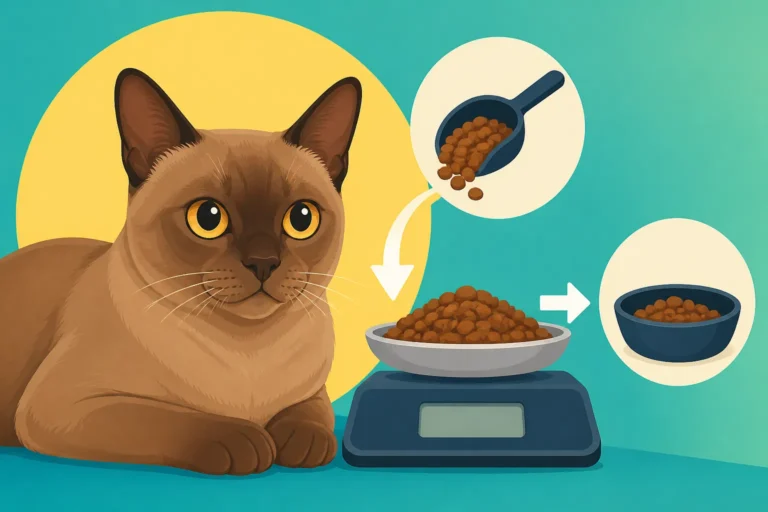
Beyond the food itself, accurate portion control is non-negotiable for a Burmese. Invest in a reliable digital kitchen scale. Which Kitchen Scales a Burmese Owner Ends Up Buying is usually determined by how easy it is to clean and use daily. You'll want to weigh out each meal precisely, rather than relying on scoops, which can be inconsistent. Why a Burmese's Food Should Be Weighed on Scales ensures you're giving the exact amount of calories and nutrients needed, preventing overfeeding or underfeeding. This is particularly vital for weight management and blood sugar control. Consider using slow-feeder bowls or puzzle feeders if your Burmese tends to gobble their food too quickly, as this can help slow digestion and reduce regurgitation, even within a timed schedule.
Sticking to the Schedule Even When Life Happens
Life, as we know, doesn't always adhere to a strict schedule, but your Burmese's meals should as closely as possible. Aim for two meals a day, roughly 12 hours apart – say, 7 AM and 7 PM. Try to keep this window consistent, even on weekends. If you know you'll be out late, or have an early start, try to adjust meal times gradually over a few days rather than making sudden, drastic changes.
For those times when you absolutely can't be there, having a backup plan is crucial. If you work long hours, a reliable pet sitter who understands the importance of precise meal timing is invaluable. Why a Burmese Sitter Has to Come Twice a Day isn't just about company; it's about maintaining their health routine. If a human sitter isn't feasible, a high-quality automatic feeder can be a lifesaver, especially for morning meals. Many modern feeders allow you to schedule exact portion sizes and dispense times. However, always ensure it's reliable and tamper-proof, especially with a clever Burmese! If you have multiple cats or one on a specific diet, microchip feeders can ensure only the intended cat gets their allocated meal. This is particularly helpful for How to Keep Two Burmese on Different Diets. Consistency is the goal, and with a bit of planning and the right tools, you can ensure your Burmese thrives on a predictable and healthy feeding routine.
Disclaimer
This article is for general informational purposes only and does not constitute professional advice. Laws, prices and regulations vary by location and change over time. Consult a qualified professional for guidance on your specific situation.