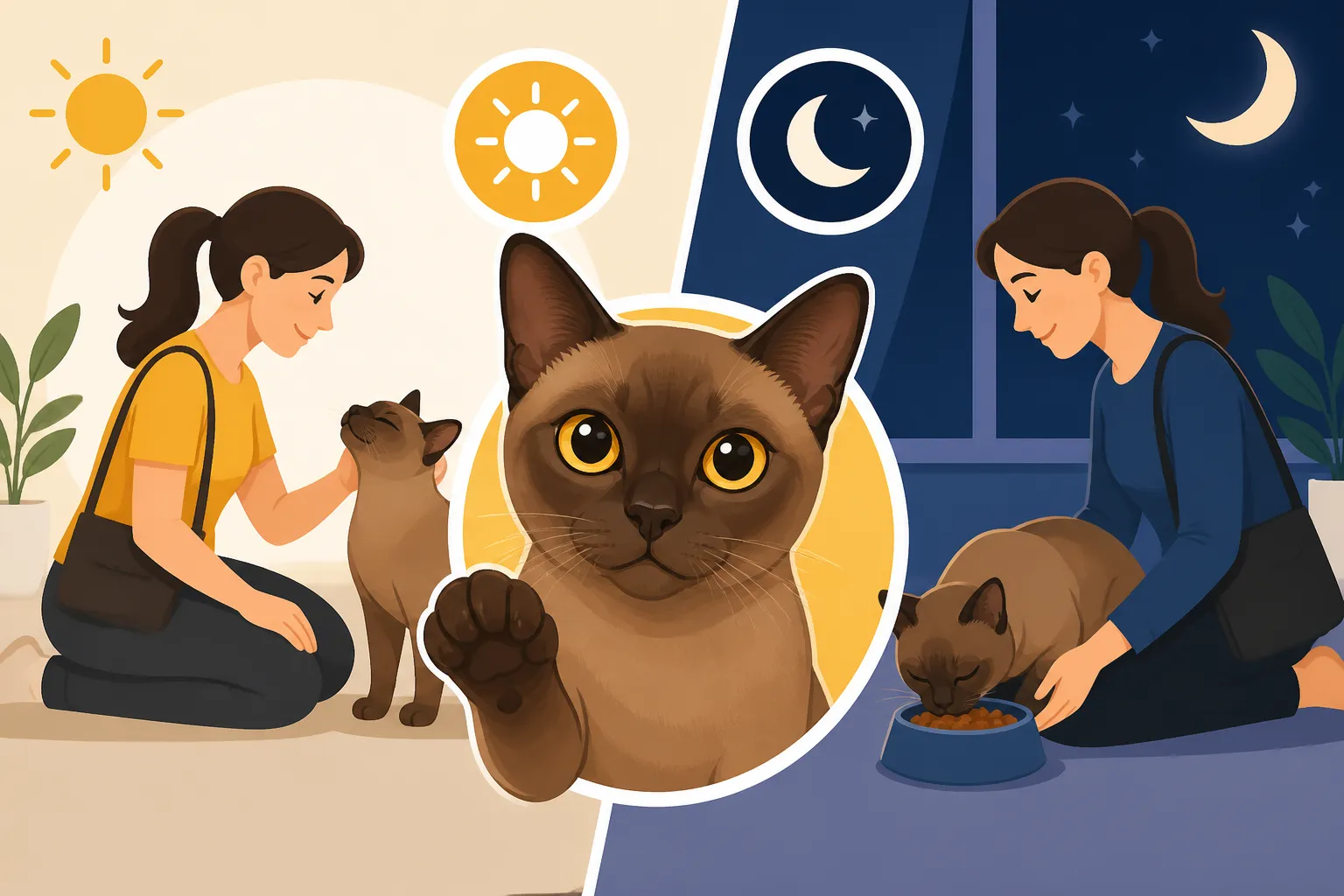
Why a Burmese Sitter Has to Come Twice a Day
The moment you think about leaving your beloved Burmese cat alone, even for a short trip, a knot forms in your stomach. We all know these cats are special, practically attached to our hips, and the idea of them being lonely or, worse, unwell, while we’re away can be truly agonizing. This guide is going to walk you through exactly why a Burmese cat sitter isn't just a luxury, but a necessity, and why anything less than two visits a day simply won't cut it for these uniquely social and sensitive creatures.
Understanding the Burmese's Unique Social Needs
If you live with a Burmese, you already know they're not your average aloof feline. These cats are less "cat" and more "dog" in their unwavering devotion, and that comes with a whole set of considerations when planning for their care while you're away. They crave companionship, and their well-being is deeply intertwined with consistent human interaction.
The "Velcro Cat" Reality
It's no exaggeration to call the Burmese the "Velcro cat" of the cat fancy. They don't just like being with you; they need to be with you. They follow you from room to room, perch on your shoulder, snuggle under the covers, and generally insert themselves into every aspect of your day. This isn't just cute behavior; it's a fundamental part of their personality and emotional makeup. They thrive on proximity and physical affection, often pushing their silky heads into your hand for pets or kneading your lap until you can't resist. When you're suddenly absent, that constant source of comfort and interaction is gone, leaving a void that can quickly turn into distress. A quick pop-in once a day won't replace the hours of companionship they’re used to, and it certainly won't soothe their inherent need to be close to their people. Think about it: if your shadow suddenly vanished for 22 hours a day, wouldn't you feel a little lost? This intense bond is why even short absences can feel like an eternity to them. The Burmese Is the Velcro Cat of the Cat Fancy explores this aspect in even more detail.
The Impact of Solitude on a Burmese
Leaving a Burmese alone, even for a single workday, can lead to signs of unhappiness. But extending that solitude over days, with only a brief daily visit, can be truly detrimental. Their deep attachment means they simply do not cope well with extended periods of isolation. Unlike some more independent breeds that might enjoy a quiet house, a Burmese will feel the absence keenly. They don't just miss you; they experience genuine loneliness and stress. This can manifest in subtle ways at first, like being more withdrawn when the sitter finally arrives, or in more obvious behavioral issues. They might stop eating normally, become lethargic, or even start vocalizing excessively, a throaty, rasping sound that is their unique way of complaining. Their world revolves around their human companions, and when that world shrinks to just a few minutes of interaction once a day, their emotional well-being suffers significantly.
Why a Single Daily Visit Falls Short
A single daily visit from a cat sitter, while well-intentioned, is simply insufficient for a Burmese. Imagine being given food and water once a day, having your toilet cleaned, and then being left alone again for another 22-23 hours. For a cat that thrives on constant company, that's not care; it's barely survival. The sitter comes, spends a brief period with them, and then leaves, reinforcing the feeling of abandonment rather than alleviating it. This short burst of attention can sometimes even heighten their anxiety, as they get a taste of companionship only for it to be snatched away again. It's like teasing them with what they crave most. A solitary visit leaves vast stretches of the day and night without monitoring, without comfort, and without the crucial social engagement that keeps a Burmese happy and mentally stimulated. Why a Burmese Cannot Be Left Alone All Day delves deeper into the profound impact of isolation on these sensitive cats.
Addressing Core Needs: Food, Water, and Litter
Beyond their emotional needs, a Burmese cat has very specific physical care requirements that are often tied to their breed's predispositions. These aren't just about survival; they're about preventing health issues and maintaining their comfort.
The Importance of Timed Meals
Burmese cats are notoriously prone to weight gain and, critically, diabetes. This means that free-feeding, or leaving food out all day, is a definite no-go for the vast majority of Burmese. They require precisely portioned, low-carbohydrate meals given at consistent times throughout the day. For many, this means twice a day, usually in the morning and evening, coinciding with how most of us feed our feline family members. If your Burmese is on a strict feeding schedule, perhaps even to manage their blood sugar, a single daily visit completely disrupts this vital routine. What if their meal needs to be administered with medication? Or what if they don't eat it all right away, requiring monitoring to ensure they've consumed their full portion? A morning visit might cover breakfast, but that leaves a very long gap until the next day's morning visit, which is simply too long for a cat that thrives on a consistent, controlled diet. Controlled portions are fantastic for keeping a Burmese healthy, but they absolutely necessitate adherence to a strict feeding schedule. Why Portion Control Is Medical Care in a Burmese explains the critical link between diet and health in this breed.
Monitoring Water Intake and Hydration
Water intake is another critical health indicator, especially for a breed with a higher predisposition to certain conditions. A sudden increase in drinking can be an early sign of issues like kidney disease or, more commonly in Burmese, diabetes. If a sitter only visits once a day, they might clean the water bowl and refill it, but they have no way of truly monitoring how much water your cat has consumed over a full 24-hour period. You can't tell if they drank normally, excessively, or not enough if you only see the bowl once. With twice-daily visits, the sitter can note the water level at both the morning and evening check-ins, giving a much clearer picture of your cat's hydration patterns. This continuous observation is invaluable for catching potential health problems early. Why a Burmese's Water Intake Is a Diabetes Warning highlights just how important this daily observation truly is.
Managing Litter Box Hygiene for a Sensitive Breed
Burmese cats, like all felines, are fastidious creatures. They appreciate a clean litter box, and an unkempt one can lead to stress, accidents outside the box, or even holding it in, which can cause urinary issues. With their higher risk for conditions that increase urination, such as diabetes, their litter boxes can fill up faster than those of other cats. A single daily litter scoop might be enough for a very independent cat with healthy habits and no underlying conditions, but for a Burmese, it leaves the box soiled for much longer than is ideal. Two visits mean the litter box can be scooped twice a day, maintaining a much higher level of hygiene and comfort for your cat. This also allows the sitter to observe changes in urinary or fecal output more closely, which again, can be crucial early indicators of illness. Brands like Chewy offer a wide variety of litter options, and ensuring your sitter has access to their preferred type and enough of it is key to maintaining good litter box habits.
Recognizing and Preventing Anxiety and Behavioral Issues
The affectionate nature of the Burmese is a double-edged sword when it comes to being left alone. Their deep bond with humans makes them prone to separation anxiety, which can manifest in ways that are upsetting for both the cat and, potentially, your home.
Signs of Separation Anxiety in Burmese Cats
A Burmese experiencing separation anxiety isn't just sad; they can be genuinely distressed. The signs can be subtle at first, like a lack of appetite or being unusually quiet when the sitter arrives. But over prolonged periods of solitude, more overt symptoms can appear. You might come home to find evidence of destructive behavior, such as scratched furniture that's usually ignored, or even inappropriate urination or defecation outside the litter box. Some Burmese will engage in excessive grooming, pulling out their fur to the point of bald patches, a common stress response in felines. Others might become excessively clingy when the sitter is there, desperate for attention, only to become frantic once they leave again. What Separation Anxiety Looks Like in a Burmese details these concerning behaviors, emphasizing how crucial consistent companionship is.
Preventing Destructive Behaviors and Stress
Twice-daily visits provide multiple opportunities for intervention and prevention. If a sitter only comes once, and your Burmese has been stewing in anxiety for 20 hours, they might already be halfway through pulling out a patch of fur or decided to "redecorate" your sofa. With two visits, the sitter can break up these long periods of stress, providing reassurance, distraction, and vital human interaction before the anxiety escalates to destructive levels. They can engage your cat in play, offer comfort, and simply be a warm, familiar presence that reminds your Burmese they haven't been abandoned. This consistency in interaction is key to mitigating the intense feelings of loneliness and preventing stress-induced behaviors from taking root.
The Comfort of Routine and Familiarity
Burmese cats thrive on routine. Their days are often structured around your presence, meal times, and play sessions. When you leave, that entire structure collapses. Twice-daily visits help to re-establish a sense of routine, even a modified one. The consistent arrival of the sitter at predictable times provides anchors in their day, making the absence less jarring. The familiarity of the sitter's scent, voice, and touch becomes a comforting presence that bridges the gap between your own departures and returns. This rhythm helps to reduce the feeling of unpredictability and chaos that can contribute significantly to a cat's stress levels, promoting a more settled and secure emotional state.
Health Monitoring and Emergency Preparedness
One of the most compelling arguments for twice-daily visits is the enhanced ability to monitor your Burmese's health. These cats are champions at hiding illness, a survival instinct that can be incredibly frustrating for concerned owners.
Early Detection of Subtle Illnesses
Cats are masters of disguise when it comes to illness, and the Burmese is no exception, despite their affectionate nature. They might reduce their activity slightly, or eat a little less, but appear perfectly fine for a short interaction. If a sitter only sees them once a day, a subtle change could easily be missed or mistaken for normal behavior. However, with two visits, a sitter has a much better chance of noticing a pattern. Did they eat their breakfast, but then ignore their dinner? Was their activity level lower in the evening than in the morning? Did they seem a bit off at the second visit? These observations over a shorter interval are critical for catching nascent health issues before they become emergencies. A quick check-in doesn't just provide food; it provides a vital health check. Why a Burmese Hides Illness Behind Its Affection is a must-read for any Burmese owner and underscores the importance of diligent observation.
Managing Specific Health Risks (e.g., Diabetes)
As we've touched upon, Burmese cats have a significantly higher risk of developing diabetes, and managing this condition at home requires vigilance. If your Burmese is diabetic, or even just predisposed, consistent monitoring is absolutely non-negotiable. Administering insulin, checking blood glucose, and ensuring they eat their prescribed low-carbohydrate meals often requires a twice-daily schedule. A sitter trained in these tasks is essential. If a cat on insulin misses a dose or experiences a hypoglycemic episode, a single daily visit would be disastrous. A cat sitter making two visits can ensure medication is given on schedule, monitor for any adverse reactions, and ensure the cat is eating appropriately around their injections. Pet insurance providers like Healthy Paws can be a lifesaver for managing the ongoing costs associated with conditions like feline diabetes, but even the best insurance can't replace diligent, hands-on care. How a Burmese Is Monitored on Insulin at Home provides a detailed look at the necessary routines.
The Value of a Second Pair of Eyes
Even for a perfectly healthy Burmese, having eyes on them twice a day significantly reduces the risk of an unattended emergency. What if your cat somehow gets tangled in a curtain, knocks something over, or has an unexpected accident? If they're alone for nearly a full day, a minor issue could escalate into a serious one. A broken lamp, a spill, or even a sudden bout of vomiting or diarrhea could go unnoticed for hours and hours. A second visit means any immediate problems can be addressed quickly, minimizing harm and stress. It's not just about what the cat might do, but what could happen to them. Twice-daily checks offer a crucial safety net that single visits simply cannot provide.
Enrichment and Affection: More Than Just Feeding
For a Burmese, care isn't just about the basics of survival; it's about emotional fulfillment. They are intelligent, playful, and deeply affectionate, and neglecting these aspects of their personality can lead to a profoundly unhappy cat.
Fulfilling the Burmese's Play Drive
Burmese cats retain a kitten-like playfulness well into their senior years. They love to chase, pounce, and retrieve, and these activities are vital for their physical and mental well-being. A quick meal drop-off once a day doesn't leave much time for a proper play session. With two visits, the sitter can dedicate specific time during both the morning and evening check-ins to engaging your cat with their favorite wand toys or laser pointers. This structured play helps burn off excess energy, keeps their minds sharp, and provides a crucial outlet for their predatory instincts. It also offers a fantastic opportunity for positive interaction, strengthening the bond with the sitter and easing their loneliness. Even a 15-year-old Burmese often still demands play! A Burmese Is Still Playing at Fifteen reminds us of their enduring youthful spirit.
The Need for Consistent Human Interaction
Beyond play, Burmese cats simply crave human presence and interaction. They want to be petted, talked to, and have you acknowledge their existence. A sitter who comes twice a day can provide these vital moments of connection. They can spend time simply sitting with your cat, offering gentle strokes, or having a little chat. This isn't just a nicety; it's a fundamental requirement for a breed that forms such strong bonds. It’s the difference between a functional care arrangement and one that truly nurtures your cat's emotional health. These consistent interactions reassure them that they are still loved and cared for, even when you're away, preventing the deep emotional distress that can arise from prolonged isolation.
Maintaining Emotional Well-being
Ultimately, two visits a day are about ensuring your Burmese's overall emotional well-being. These cats thrive on companionship and suffer without it. A cat sitter who visits morning and evening acts as a temporary guardian of their happiness, reducing stress, providing mental stimulation, and offering the affection they so desperately need. It's an investment in their mental and physical health that pays dividends in peace of mind for you and a happier, more secure cat waiting for your return. For a breed that trusts so implicitly, it's our responsibility to ensure their needs are met, even in our absence. Why a Burmese Trusts Strangers Too Much to Roam underlines their trusting nature, making consistent, compassionate care even more essential.
Comparing Single vs. Twice-Daily Sitter Visits for a Burmese
To really highlight the differences, let’s break down what a single versus a twice-daily visit looks like for a Burmese cat. This isn't just about convenience; it's about quality of life and health.
| Aspect of Care | Single Daily Visit | Twice-Daily Visits | Impact on Burmese |
|---|---|---|---|
| Social Interaction | 1 short burst of attention (22-23 hrs alone) | 2 distinct periods of interaction (max 10-12 hrs alone) | Significantly reduces loneliness and anxiety; boosts emotional health. |
| Feeding Routine | One meal, leaving a 24-hr gap until next day's meal. | Two precisely timed meals (e.g., morning and evening). | Critical for diabetes prevention/management; consistent blood sugar. |
| Water Monitoring | Difficult to assess true 24-hr intake. | Clearer picture of water consumption between visits. | Early detection of dehydration or increased thirst (e.g., diabetes sign). |
| Litter Box Hygiene | Scooped once, leaving waste for up to 22-23 hours. | Scooped twice daily, maintaining better cleanliness. | Reduces stress, prevents accidents, better hygiene, disease monitoring. |
| Health Observation | Miss subtle changes; long delay to detect emergencies. | Increases chance of catching early illness signs or accidents promptly. | Quicker vet intervention; better outcomes for health issues. |
| Play & Enrichment | Minimal time for dedicated play sessions. | Dedicated play sessions during both visits. | Fulfills play drive, mental stimulation, reduces boredom/stress. |
| Medication Admin. | Only possible if medication is once-daily; high risk for others. | Allows for twice-daily medications (e.g., insulin) and monitoring. | Essential for managing chronic conditions safely and effectively. |
| Accident/Damage Risk | Higher risk of unattended issues escalating. | Faster detection and resolution of accidents or damage. | Minimizes home damage, ensures cat's immediate safety. |
As you can see, the benefits of a twice-daily visit are overwhelmingly in favor of your Burmese's health and happiness.
Finding the Right Sitter for Your Burmese
So, you're convinced that two visits a day are essential. Now, how do you find the right person for the job? It's not just about finding someone available; it's about finding someone who understands the unique needs of a Burmese.
Qualities of an Ideal Burmese Cat Sitter
An ideal Burmese cat sitter isn't just a casual pet lover; they're someone with a deep understanding of feline behavior, particularly the highly social and sometimes demanding nature of a Burmese. They should be empathetic, patient, and genuinely enjoy interacting with cats, rather than just performing the necessary tasks. Look for someone who asks you lots of questions about your cat's routine, quirks, and medical history. They should be observant, capable of noticing subtle changes in appetite, litter box habits, or demeanor. Experience with administering medications, especially injections, is a huge plus if your Burmese has ongoing health needs. Crucially, they should be reliable and communicate effectively, providing updates after each visit.
Interviewing Potential Sitters
When you interview potential sitters, treat it like you're hiring a temporary family member. Ask about their experience with Burmese or similarly social breeds. Inquire about their emergency protocols: what would they do if your cat became ill or injured? How would they contact you? Ask for references and actually follow up on them. It’s also important to observe how they interact with your cat during a meet-and-greet. Does your Burmese warm up to them? Do they seem comfortable handling your cat and engaging them in play? Remember, your Burmese needs someone who can replicate your level of affection and attention as much as possible. Don't be shy about having a detailed conversation; your peace of mind and your cat's well-being depend on it.
Setting Up a Detailed Care Plan
Once you've chosen a sitter, creating a comprehensive care plan is vital. This document should detail everything: feeding instructions (type of food, precise measurements, times), water bowl locations, litter box scooping frequency, medication schedules, preferred play activities, and emergency contact information (your vet, your emergency contacts, and yourself). Include information about your cat's personality – do they hide under the bed when strangers arrive? Do they have a favorite toy? The more information you provide, the better equipped your sitter will be. It's also helpful to have a list of all necessary supplies, perhaps with notes on where to find specific items on Chewy if replenishment is needed during an extended absence. Consider a practice run with the sitter for a day or two before your main trip, especially if your cat has special needs or the sitter is new.
Conclusion
Leaving your Burmese cat in the care of another is never easy, given their intense loyalty and affectionate nature. However, by understanding their unique social, physical, and emotional needs, it becomes clear that a twice-daily cat sitter visit isn't just a recommendation – it's an essential part of responsible pet ownership for this remarkable breed. From maintaining strict feeding schedules to monitoring subtle health changes and providing much-needed companionship, two visits ensure that your "Velcro cat" remains happy, healthy, and secure until you can return to fill that crucial space in their heart.
Disclaimer
This article is for general informational purposes only and does not constitute professional advice. Laws, prices and regulations vary by location and change over time. Consult a qualified professional for guidance on your specific situation.