Why a Burmese Cattery Should Have Cats in Every Room
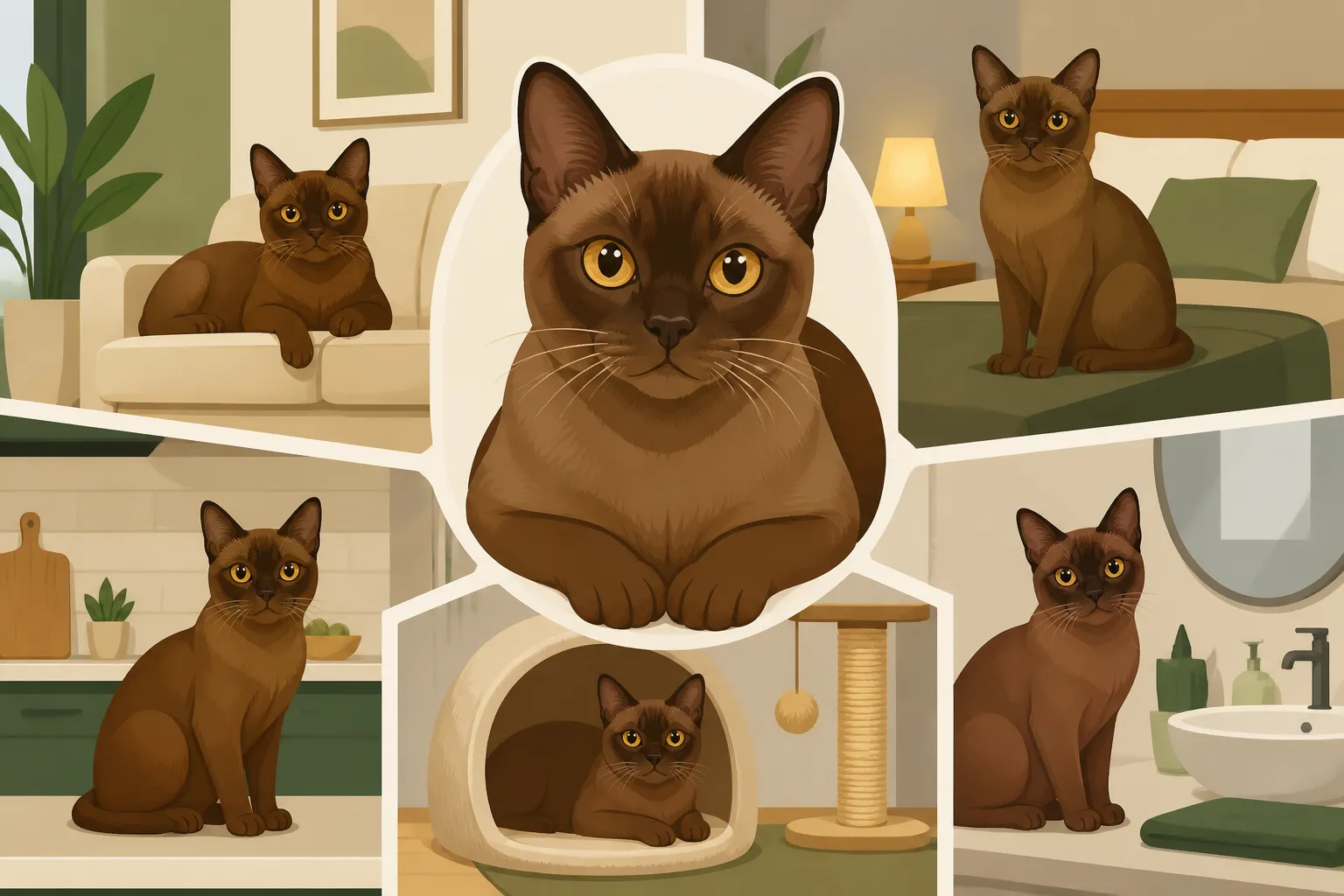
It's easy to picture a cattery as a sterile, separate space, maybe a room dedicated solely to cats with fancy cages and pristine litter boxes. Many aspiring Burmese owners might even assume this is the ideal setup. However, this common misconception can lead to significant problems down the line, especially for a breed as intensely social as the Burmese. This guide will walk you through why a reputable Burmese cattery should embrace a philosophy of "cats in every room," demonstrating how this approach is absolutely essential for raising well-adjusted, confident, and loving kittens that thrive in their forever homes.
Understanding the Burmese Cat's Unique Social Needs
The Burmese cat isn't just a pet; they are truly a member of the family, often demanding to be involved in every aspect of your daily life. Unlike some more independent breeds, a Burmese thrives on constant companionship and interaction. This deep-seated need for connection is precisely why the environment they are raised in during their crucial early weeks makes such a profound difference.
The "Velcro Cat" Persona and Why it Develops
If you've spent any time researching Burmese cats, you've probably heard them referred to as "Velcro cats" or "dogs in a cat's body." There's a very good reason for this affectionate nickname! They are renowned for their intense devotion, following their humans from room to room, perching on shoulders, and insisting on being part of whatever you're doing. This isn't just a cute quirk; it's an intrinsic part of their breed's temperament. This highly social nature is a key characteristic that sets them apart, and it starts developing from the moment they are born. A cattery that understands and nurtures this innate need for connection lays the groundwork for a truly happy and well-adjusted adult cat. Without this early, consistent social input, a Burmese can struggle to reach its full potential as the affectionate companion it's meant to be. This early programming influences everything about their future behavior, from how they interact with visitors to how they cope with quiet moments. The Burmese Is the Velcro Cat of the Cat Fancy explores this attachment in more detail.
The Deep-Seated Need for Constant Company
A Burmese cat’s need for company goes far beyond simply enjoying a good cuddle session (though they certainly do!). They genuinely crave interaction, conversation, and physical closeness. This isn't a cat that will happily entertain itself for hours on end, content with its own devices. They want to be with you, observing, participating, and offering their unique form of purring companionship. In a cattery setting, this means that kittens shouldn't be confined to a separate nursery or isolated room for their formative weeks. They need to be exposed to the ebb and flow of household life, with people constantly moving through, talking, and engaging with them. This constant stimulation and human presence teach them to be confident and comfortable in a busy home, which is precisely what most future owners hope for. Without it, a kitten might grow up feeling anxious or unsure in a new, active household, making the transition to a forever home much more challenging for everyone involved.
How a Cattery's Environment Shapes a Kitten's Future
The first few weeks and months of a kitten's life are absolutely critical for their development, much like for human children. During this time, their brains are rapidly forming connections based on their experiences. A cattery that allows kittens to explore various rooms, encounter different people, and hear a variety of household sounds (vacuum cleaners, dishwashers, children playing) is essentially providing a masterclass in adaptation and confidence. These experiences teach kittens that the world isn't a scary place and that humans are sources of comfort and fun, not just providers of food. If a kitten is raised in a limited, quiet environment, they might become fearful or overwhelmed by the normal noises and activities of a typical home. Imagine a kitten that's only ever heard quiet footsteps suddenly encountering a bustling family holiday celebration – it could be terrifying for them. This early exposure helps them develop resilience and a robust temperament, ensuring they are ready to seamlessly integrate into almost any loving household.
The Practical Benefits of an "Every Room" Cattery
It's not just about making a kitten happy; a cattery that integrates its cats into every room also provides tangible, practical benefits for both the breeder and the future owner. It's about raising healthier, better-behaved cats and ensuring a smoother transition when they leave for their new homes.
Early Exposure to Household Sights, Sounds, and Smells
Think about all the sensory input in a typical home: the whirring of the washing machine, the clatter of pots and pans, the doorbell ringing, different types of flooring underfoot, the scent of cooking, cleaning products, and various people. For a kitten raised only in a dedicated "cat room," these everyday experiences can be startling and overwhelming. However, a kitten raised in a bustling home, moving freely between the living room, kitchen, and bedrooms, gradually becomes accustomed to all of these stimuli. They learn that the vacuum cleaner is noisy but harmless, that the smell of dinner means good things are coming, and that the sound of footsteps means a friendly human is near. This early habituation is invaluable. It drastically reduces the chances of a kitten arriving at its new home and being terrified of everyday life. This proactive socialization minimizes stress for the kitten and its new family, setting everyone up for success right from the start.
Enhanced Socialization with Humans and Other Pets
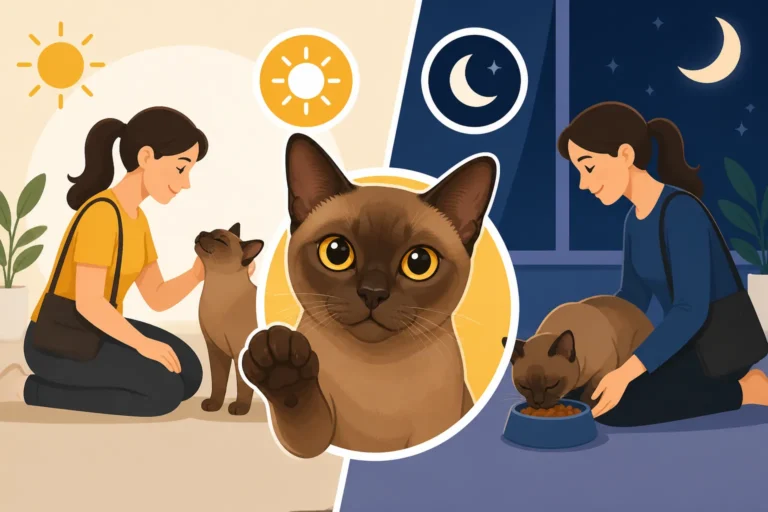
When cats are part of the family, they naturally interact more with people. This means they're not just being fed and cleaned; they're being cuddled on the couch, played with in the hallway, and gently handled by various members of the household. This constant, varied human interaction teaches them trust and helps them develop that famous Burmese outgoing personality. Furthermore, if the cattery has other well-behaved pets, like dogs or other cat breeds, integrating the kittens into these interactions can be incredibly beneficial. They learn appropriate social cues and develop confidence around different animals. This is particularly important for a breed like the Burmese, which is known for its ability to get along well with children and even dogs. A kitten that has grown up playfully chasing a toy around a Labrador, or being gently stroked by a child, will be far more likely to adapt quickly and happily to a similar environment in its new home. It’s the difference between a kitten that tolerates interaction and one that actively seeks it out and thrives on it. Why a Burmese Treats Children and Dogs as More Company perfectly illustrates this adaptable nature that needs nurturing.
Identifying Potential Issues Before They Become Problems
Another crucial, often overlooked, benefit of an "every room" cattery is the breeder's ability to closely observe each kitten's temperament and health in a natural setting. When kittens are always around, interacting, and being watched, a breeder can more easily spot subtle behavioral quirks or potential health concerns. Is one kitten a bit more reserved than its siblings, needing extra attention to build confidence? Does another show signs of a sensitive stomach reacting to a new food, prompting the breeder to adjust its diet or note it for the new owner? These observations are far harder to make if kittens are housed in an isolated, quiet room where their natural behaviors might be suppressed or unnoticed. This intimate knowledge allows the breeder to not only address issues early but also to match the right kitten to the right family, considering their lifestyle and expectations. It's an essential part of responsible breeding, ensuring that each kitten goes to a home where it will truly flourish, potentially saving new owners from unexpected behavioral or health challenges later on.
What to Look For When Visiting a Burmese Cattery
When you're looking for a Burmese kitten, the cattery visit is your chance to see firsthand how these animals are raised. Don't be afraid to be observant and ask plenty of questions. Your future kitten's well-being and your peace of mind depend on it.
Observing the Cattery's Layout and Cat Access
When you step into a cattery, pay attention to the overall atmosphere and how the cats are integrated into the home. Are the kittens confined to one small area, or do they have free (or at least supervised) access to various parts of the house? A reputable breeder often has cat trees in living areas, cat beds strategically placed in sunny spots, and litter boxes that are accessible but discreet. You should see signs of cats having been in different rooms, perhaps a toy in the hallway or a cat napping on a kitchen chair. This indicates that the cats are truly part of the household, not just occupants of a separate annex. Don't be fooled by pristine show rooms; the true test is how the cats live daily. The goal is to see a home that is clearly shared with cats, not just a holding facility. This open environment contributes significantly to a kitten's social development, making them more adaptable to new spaces and situations.
Interacting with the Kittens and Adult Cats
During your visit, observe not only the kittens but also the adult cats. How do they react to your presence? Are they curious, friendly, and eager to interact, or do they shy away? A well-socialized Burmese adult cat should be confident, approaching you for pets and cuddles, perhaps even Why a Burmese Rides on Your Shoulder or rubbing against your legs. This behavior is a strong indicator of how the kittens are being raised, as they learn much from their parents and other resident cats. The kittens, too, should be playful, curious, and comfortable being handled. They shouldn't be overly timid or fearful. Engage with them, play with some toys, and see how they respond. A healthy, well-adjusted Burmese kitten will typically be full of energy and affectionate, ready to explore and interact. This hands-on interaction during your visit is invaluable for assessing their temperament and readiness for a new home. Remember, a Burmese kitten that stays at the breeder's until it is properly socialized is always a good sign, as described in Why a Burmese Kitten Stays Until It Is Socialized.
Asking the Right Questions About Socialization Practices
Beyond observation, direct questions are crucial. Don't hesitate to ask the breeder about their specific socialization routine. For example, inquire about how much time the kittens spend with humans daily, what kinds of household noises they are exposed to, and whether they interact with other pets. Ask if they ensure A Burmese Kitten's First Year of Never Being Alone. A good breeder will be enthusiastic and transparent about their practices, sharing anecdotes about the kittens' development and how they integrate them into family life. They might even ask you questions about your own home environment and working hours, as a responsible breeder understands Why a Burmese Breeder Asks How Long You Work and wants to ensure a good match. This two-way conversation ensures that you, as the prospective owner, fully understand the commitment involved in owning a Burmese and that the breeder is confident their kitten will thrive in your care.
Here’s a quick overview of what to consider:
| Aspect | Ideal "Every Room" Cattery | Less Ideal / "Caged" Cattery |
|---|---|---|
| Kitten Environment | Kittens and adult cats move freely in main living areas. | Kittens confined to a specific room or enclosures. |
| Human Interaction | Frequent, varied interaction with multiple family members. | Limited interaction, primarily for feeding/cleaning. |
| Sensory Exposure | Exposed to diverse household sights, sounds, smells. | Minimal exposure to typical home stimuli. |
| Behavioral Traits | Confident, curious, outgoing, seeks interaction. | Timid, easily startled, may avoid human contact. |
| Health Monitoring | Close observation allows early detection of issues. | Subtle health or behavioral issues might be missed. |
| Socialization | High level of socialization, well-adjusted. | Lower socialization, potentially leading to anxiety or fear. |
| Transition to Home | Smooth and less stressful adaptation for the kitten. | Potentially challenging adjustment period, behavioral problems. |
Finding a truly ethical and responsible Burmese breeder means looking beyond just healthy kittens (though that's paramount, and things like Which Tests Belong on a Burmese DNA Panel are a must). It means finding someone who understands the profound social needs of this incredible breed and raises them in an environment that sets them up for a lifetime of happiness as a cherished family member. This approach, of integrating cats into every room, minimizes the risk of issues like separation anxiety, which can unfortunately lead to problems like Why a Lonely Burmese Pulls Its Satin Coat Out or Why an Anxious Burmese Sprays. When you welcome a Burmese into your home, you're not just getting a pet; you're gaining a loyal, affectionate companion who expects to be at the heart of your world, and a good cattery ensures they're ready for that role.
Disclaimer
This article is for general informational purposes only and does not constitute professional advice. Laws, prices and regulations vary by location and change over time. Consult a qualified professional for guidance on your specific situation.