A Burmese Kitten’s First Year of Never Being Alone
Oh, the Burmese kitten! They are bundles of joy, pure affection wrapped in satin, but there’s one crucial truth about their first year that every potential owner absolutely must understand: these little dynamos simply cannot be left alone. Many new cat parents find themselves completely unprepared for the sheer depth of companionship a Burmese kitten demands, leading to heartbroken furballs and frustrated humans. This guide is here to walk you through why your Burmese kitten needs constant company, what happens when they don't get it, and how you can ensure their first year is filled with the love and interaction they need to thrive into a happy, well-adjusted adult.
The Burmese Kitten: A Social Butterfly From Day One
It’s easy to look at a tiny, adorable Burmese kitten and just think about snuggles and playtime. And while you'd be right about those things, you'd also be missing a fundamental aspect of their very being: their profound need for social connection. Unlike many other cat breeds that might tolerate or even prefer solitude for significant chunks of the day, a Burmese is wired differently from the moment they draw their first breath.
The Innate Need for Company
From their earliest days, Burmese kittens display an almost dog-like devotion and an insatiable desire for interaction. This isn't just a charming trait; it's deeply ingrained in their genetic makeup and breed history. They evolved from a single cat, Wong Mau, who was herself a highly social creature, and breeders have fostered these characteristics over generations. What this means for your kitten is that they inherently seek out warmth, physical touch, and the reassuring presence of others, whether that's their littermates, their human family, or even the household dog. This isn't just about feeling loved; it’s about feeling safe and secure in their world.
Think of it like this: many cat breeds are perfectly content to be solitary hunters, enjoying their own space and only seeking affection on their terms. A Burmese is the opposite. They see themselves as part of a collective, a unit, and when that unit disperses, they feel it profoundly. Their happiness and mental well-being are inextricably linked to having company, and a home that frequently empties out is simply not suitable for a single Burmese kitten. Ignoring this core need can lead to a lifetime of anxiety and behavioral issues that could easily be avoided with the right approach from the start.
Learning Through Interaction
A kitten's first year is a critical developmental period, much like a child's early years. During this time, they're not just growing physically; they're learning how to navigate the world, how to interact, and how to understand boundaries. For a Burmese kitten, a huge part of this learning comes through constant, varied interaction with their companions. They learn bite inhibition from playing with their littermates, social cues from watching and mimicking older cats, and trust from consistent, gentle handling by humans.
When a Burmese kitten is deprived of this rich tapestry of interaction, especially during those formative months, they miss out on crucial developmental milestones. They might not learn appropriate play behavior, leading to rougher interactions later on, or they might struggle with confidence and become overly timid or even fearful. The consistent presence of a loving human or another animal helps them build confidence, understand routines, and develop a sense of security that is vital for their emotional stability. Without this constant feedback and companionship, their social intelligence, which is typically incredibly high for the breed, can be stunted, leaving them less resilient and more prone to stress.
Why "Alone Time" Is a Foreign Concept for a Burmese Kitten
For many breeds, "alone time" is cherished. It's an opportunity for a nap in a quiet sunbeam, a moment of independent exploration, or simply a chance to recharge away from the hubbub. For a Burmese kitten, however, the concept is far more akin to abandonment than blissful solitude. Their entire being yearns for connection, making prolonged periods of isolation genuinely distressing.
The Velcro Cat Tendency
If you've ever spent time with a Burmese, you know precisely what I mean when I say they are the ultimate "Velcro cats." From the moment you walk in the door, they're attached to you, often literally. Your shoulder, your lap, even under the covers – they want to be as close as humanly (or cat-ly) possible. This isn't just an endearing quirk; it's a fundamental expression of their social nature and a deep need for physical contact. For a kitten, this need is amplified. They are exploring their new world, and your presence is their anchor, their safe harbor.
A Burmese kitten will follow you from room to room, sit on your feet while you cook, and demand to be picked up and cradled like a baby. They often ride on your shoulder, observing the world from your vantage point. Why a Burmese Rides on Your Shoulder This constant physical closeness serves a vital purpose in their development: it reinforces their bond with you, builds immense trust, and reassures them that they are never truly alone. When they don't have that consistent presence, they don't just feel bored; they feel truly lost and anxious. Their reliance on you for comfort and security means that any absence is keenly felt, creating a void that no amount of toys can fill. They truly embody The Burmese Is the Velcro Cat of the Cat Fancy.
Emotional Development and Security
The first year of a Burmese kitten's life is all about establishing emotional security. They are learning to trust their environment and the people (and pets) in it. Constant presence provides a stable foundation for this development. When they know you're around, even if you're just in the next room, they feel safe enough to explore, play, and grow. This uninterrupted sense of security is what allows them to develop into confident, outgoing, and affectionate adult cats.
Conversely, frequent or prolonged periods of isolation can severely disrupt this delicate emotional development. A kitten might start to believe that their environment isn't safe, or that their human companions are unpredictable. This can manifest as chronic anxiety, insecurity, and an inability to truly relax even when you are present. They might become clingier in an unhealthy way, or paradoxically, withdraw and become less interactive. The goal in their first year is to instill a deep sense of calm and belonging, and that simply cannot happen if they are frequently left to fend for themselves emotionally.
Recognizing the Signs of a Lonely Burmese Kitten
It’s heartbreaking to think of a kitten feeling lonely, but understanding the signs is the first step toward addressing the problem. Unlike some cat breeds that might simply sleep more or find quiet places to pass the time when left alone, a Burmese kitten will often express their distress in ways that are hard to ignore, but easy to misinterpret. It's not about being "naughty"; it's about being profoundly unhappy.
Behavioral Manifestations of Stress
A lonely Burmese kitten might start to exhibit behaviors that are a direct cry for help. One of the most common is excessive vocalization. While Burmese cats are known for their distinctive, rasping rumble, a lonely kitten's voice will often change to a mournful, insistent cry or a persistent, loud meow that sounds nothing like their usual happy chatter. They are literally calling out for companionship.
Beyond vocalization, you might notice destructive behaviors. This isn't out of spite, but a manifestation of anxiety and boredom. They might chew on inappropriate items like furniture, electrical cords, or clothing. They could start scratching excessively at doors or windows in an attempt to get out or find you. In some cases, a distressed Burmese might even resort to inappropriate urination or defecation outside the litter box. This isn't them being "bad"; it’s their way of saying, "I'm stressed, and I need help." These are classic signs of What Separation Anxiety Looks Like in a Burmese, and they require immediate attention.
Physical and Emotional Withdrawal
Sometimes, the signs of loneliness are more subtle, and perhaps even more concerning because they can be harder to spot. A kitten experiencing deep emotional distress might withdraw. While a typical Burmese is always at the center of the action, a lonely one might start hiding more, becoming less playful, and generally losing interest in their surroundings. They might even develop physical symptoms like over-grooming, which can lead to bald patches as they pull out their own fur, or a sudden disinterest in food, which is very unusual for the typically food-motivated Burmese.
If your normally boisterous and affectionate Burmese kitten suddenly seems subdued, less interactive, or is spending more time sleeping or hidden away, these are major red flags. This withdrawal indicates a deep emotional struggle. A healthy Burmese kitten wants to be involved in everything you do, explore every nook and cranny, and play endlessly. A sudden change in this outgoing nature should always prompt an investigation into their emotional well-being and whether their companionship needs are being met. Remember, a Burmese hides illness behind its affection, so if that affection wanes, something is truly wrong.
| Behavior Trait | Well-Adjusted Burmese Kitten | Lonely/Anxious Burmese Kitten |
|---|---|---|
| Vocalization | Gentle rasping rumble, chattering, happy greeting meows | Persistent, mournful cries, loud insistent meows |
| Interaction | Follows you, seeks lap/shoulder, plays actively, cuddles | Hides, less playful, avoids contact, may become clingy/demanding |
| Destructive Acts | Minimal, directed at appropriate scratch posts/toys | Chewing furniture, scratching doors, knocking things over |
| Litter Box Habits | Consistent and clean | Inappropriate urination/defecation outside the box |
| Appetite | Eager eater, often asking for more | Loss of interest in food, picky eating |
| Grooming | Regular, healthy grooming, shiny coat | Excessive licking/chewing fur, bald patches |
| Sleep Patterns | Sleeps soundly with companions, wakes energetic | Restless sleep, anxious waking, seeks isolated spots |
| Confidence | Explores confidently, greets visitors | Timid, fearful of new things/people, easily startled |
Preventing Loneliness: Strategies for the Burmese Kitten Owner
The good news is that preventing loneliness in a Burmese kitten is entirely within your control. It requires understanding their unique needs and making conscious choices about how you integrate them into your home and life. The core principle is simple: they need company, and it’s up to you to provide it, one way or another.
The Power of a Pair
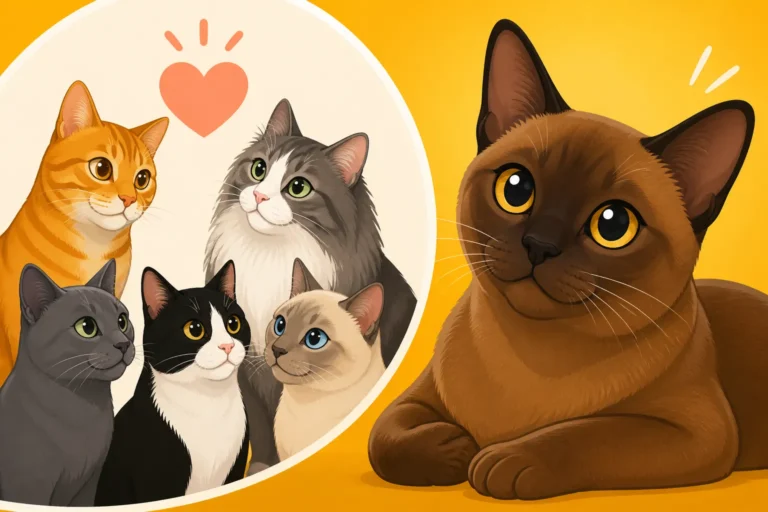
This is, by far, the most effective strategy for ensuring your Burmese kitten never feels alone. Burmese breeders, wise in the ways of these intensely social cats, almost universally recommend buying them in pairs. Why Burmese Breeders Sell Them in Pairs And for good reason! Two kittens, especially two Burmese kittens, will provide each other with endless entertainment, comfort, and companionship. They'll play together, groom each other, and curl up for naps, ensuring that even when you're busy or out of the house, they always have a friend.
Think about the natural behavior of kittens: they wrestle, they chase, they pounce. These are crucial developmental activities that are best performed with a peer. A second kitten isn't just a distraction; it's a vital social partner that understands and responds to their specific needs for play and interaction in a way no human can fully replicate. This mutual companionship greatly reduces the risk of separation anxiety and destructive behaviors, leading to two well-adjusted, happier cats who are less reliant solely on you for all their social stimulation. It's often said that two Burmese are less trouble than one lonely one, and it's absolutely true.
Structuring Your Day for Connection
Even if you have a pair, your human interaction is still paramount. If you're bringing home a single Burmese kitten (and if you choose this route, please be prepared for a significant time commitment), then structuring your day around their need for connection becomes even more critical. This means establishing routines that prioritize interaction. Schedule dedicated playtimes when you engage with them actively using wand toys or retrieve games. Make meal times a communal experience, rather than just dropping food and walking away.
Crucially, integrate them into your daily activities. Let them "help" you with chores, allow them to nap on your lap while you read or watch TV, and talk to them as you move about the house. Even brief, frequent interactions throughout the day add up to a strong sense of presence and belonging. For example, before you head out for work, spend 15-20 minutes in intense, focused play. When you return, make their greeting a priority. Consistency and predictability in these interactions build trust and security, letting them know that even if you leave, you will return and provide that cherished company.
Enriching the Environment (When You Can't Be There)
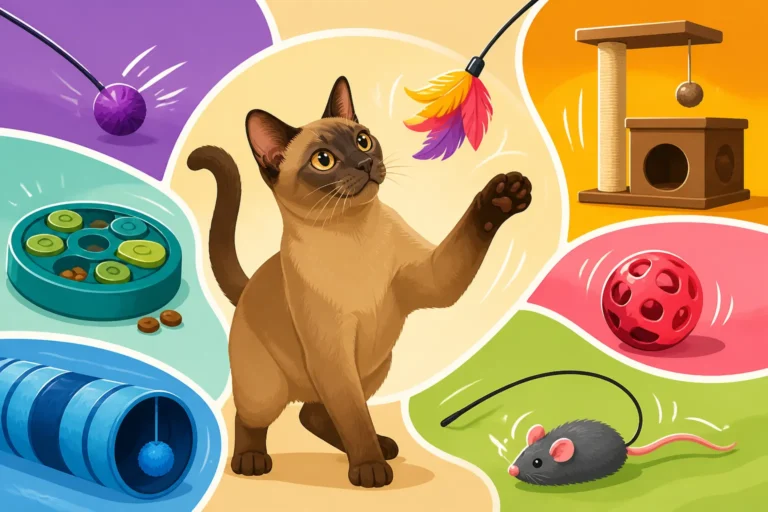
While no toy or gadget can ever replace genuine companionship, environmental enrichment can certainly help bridge the gap during unavoidable absences. These tools are supplementary, not primary, solutions. Puzzle feeders, which dispense treats as your kitten plays with them, can keep their minds engaged and prevent boredom from turning into destructive behavior. You can find a wide variety of these on Amazon, from simple treat balls to more complex multi-stage puzzles.
Consider robust cat trees or climbing structures to give them vertical space for exploration and observation. While a Burmese often prefers climbing you rather than furniture, a well-placed cat tree near a window can still provide stimulation. Interactive toys that move on their own or dispense treats can offer temporary amusement. Some owners even use pet cameras (also readily available on Amazon) to monitor their kittens and sometimes even interact via two-way audio. However, it's vital to remember that these are tools to augment interaction, not replace it. They can help prevent boredom, but they won't cure loneliness or address the deep-seated need for social connection that defines the Burmese breed.
The Role of Play and Interaction in a Burmese Kitten's First Year
Play isn't just fun for a Burmese kitten; it's a critical component of their physical and mental development. During their first year, play helps them hone their motor skills, understand their bodies, and express their predatory instincts in a safe, appropriate way. More importantly, interactive play with you is a powerful bonding tool, strengthening the unique connection that is so vital to this breed.
Harnessing Their High Play Drive
Burmese cats are renowned for their incredible energy levels and perpetual kitten-like playfulness, a trait that often extends well into their senior years. A Burmese Is Still Playing at Fifteen For a kitten, this means a nearly insatiable demand for play sessions. They aren't content with just batting a toy around on their own; they want you to be involved. Wand toys are fantastic for this, allowing you to mimic prey movements and engage their hunting instincts without putting your hands at risk. Retrieval games are another favorite; many Burmese will happily fetch a tossed toy and bring it back to your lap, just like a dog.
Make sure to dedicate several short, high-intensity play sessions throughout the day. These sessions provide essential physical exercise, helping them burn off energy and maintain a healthy weight. They also offer crucial mental stimulation, challenging their minds as they strategize about catching that elusive 'prey' on the end of a wand. The bond formed during these shared playtimes is invaluable, reinforcing that you are their ultimate playmate and companion.
Gentle Handling and Socialization
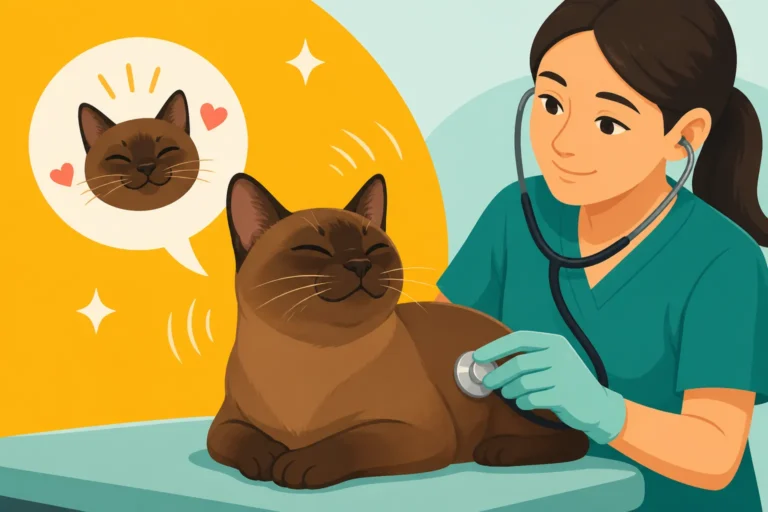
The trusting nature of a Burmese kitten makes them remarkably amenable to handling, which is a huge advantage when it comes to socialization and routine care. From a very young age, gently handle your kitten all over their body: ears, paws, mouth, and tail. This regular, positive interaction helps them become accustomed to being touched, which is invaluable for future vet visits, nail trims, and even daily tooth brushing. Brushing a Burmese's Teeth From Twelve Weeks
Beyond just you, it's beneficial to expose your Burmese kitten to a variety of gentle, cat-friendly people in their first year. Controlled exposure to new sights, sounds, and experiences in a safe environment can help them grow into well-adjusted, confident adults who aren't easily startled or fearful. Always ensure these experiences are positive and never overwhelming. Their natural curiosity and affability mean they often introduce themselves to visitors, making them wonderful companions in busy households. This early and consistent socialization is key to nurturing their inherently friendly disposition and ensuring they remain the affectionate, outgoing cats we know and love.
Living with a Companion-Oriented Breed Long-Term
The dedication you pour into your Burmese kitten's first year isn't a temporary phase; it's the foundation for a lifetime of companionship. Understanding that their need for connection doesn't diminish with age is crucial for ensuring a happy and fulfilled life together.
Building Lasting Bonds Beyond Kittenhood
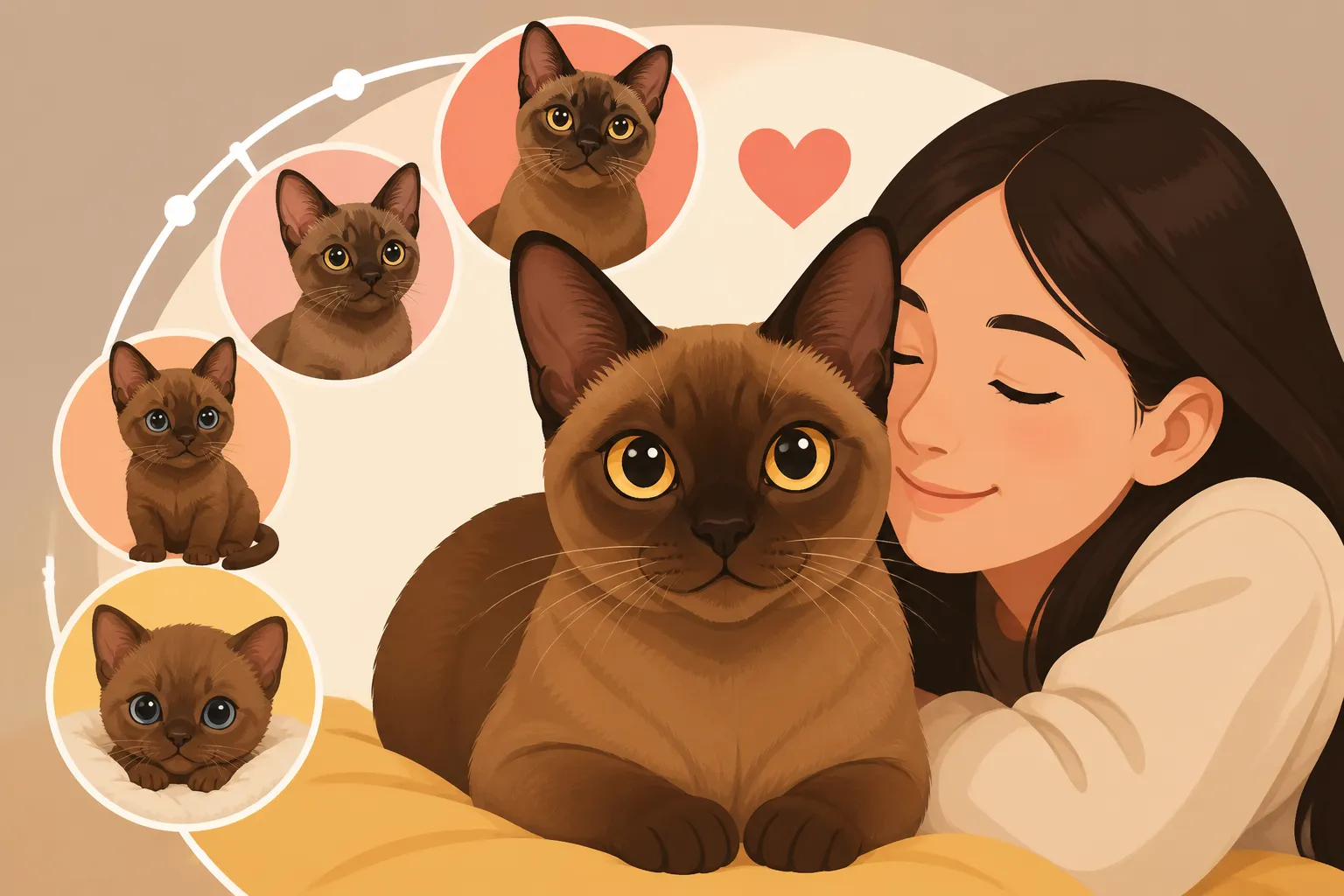
The strong bonds forged during that critical first year will define your relationship with your Burmese cat for their entire life. They will continue to seek out your presence, your lap, and your attention, even as they mature. This isn't a breed that outgrows its need for cuddles and interaction. In fact, many Burmese remain incredibly playful and affectionate well into their senior years. What a Burmese Is Still Doing at Twelve
As they transition from kitten to adult, you might find their play sessions become slightly less frenetic but no less enthusiastic. They'll still follow you around the house, still want to be involved in whatever you're doing, and still insist on sleeping under the covers with you. Your role shifts slightly from primary playmate and teacher to steadfast companion and comforter. This enduring need for connection means that if your lifestyle changes dramatically, such as an empty nest or a new work schedule, you'll need to consider how to maintain that level of companionship, perhaps by introducing another compatible pet or arranging for pet sitters who can provide ample interaction. After all, a well-bred Burmese often lives The Sixteen to Eighteen Years a Well Bred Burmese Gets, and they deserve consistent love throughout.
Considering Lifestyle Compatibility
Ultimately, choosing a Burmese cat means making a commitment to a highly social, companion-oriented animal. This breed thrives in homes where people are present for significant portions of the day, or where there are other pets to provide company. A busy household, full of people and activity, often suits a Burmese best, as they adore being at the center of attention. Why a Busy Household Suits a Burmese Best
If you work long hours away from home and are seeking a single cat that will be content waiting for you, a Burmese is likely not the right fit. The potential for loneliness, anxiety, and destructive behaviors is simply too high. However, if you're prepared to bring two Burmese kittens into your life, or if you have other pet-friendly animals and a family that enjoys constant feline interaction, then a Burmese will reward you with unparalleled affection and loyalty. They aren't just pets; they are truly members of the family, and they thrive when treated as such, deeply integrated into the fabric of your daily life.
Disclaimer
This article is for general informational purposes only and does not constitute professional advice. Laws, prices and regulations vary by location and change over time. Consult a qualified professional for guidance on your specific situation.