Which Cats Are Sociable Enough for a Burmese
One of the hardest truths about owning a Burmese cat is realizing that, for all the love and companionship you offer, you simply cannot be enough for them. These intensely social felines thrive on constant interaction, and leaving them alone for long stretches can lead to genuine distress. Many Burmese owners find themselves wrestling with the guilt of an unhappy cat or struggling with behavioral issues born out of loneliness. This guide is here to walk you through understanding your Burmese's unique social needs and, more importantly, to help you identify the best feline companions who can match their vibrant personality and ensure a harmonious, happy home for all.
Understanding the Burmese Social Butterfly
The Burmese cat is truly in a league of its own when it comes to personality and social needs. They aren't just affectionate; they are an intrinsic part of your life, demanding involvement in every activity, from cooking dinner to watching TV. This deep connection is what makes them such beloved pets, but it also creates a unique challenge when they're left without company.
The Burmese Need for Constant Company
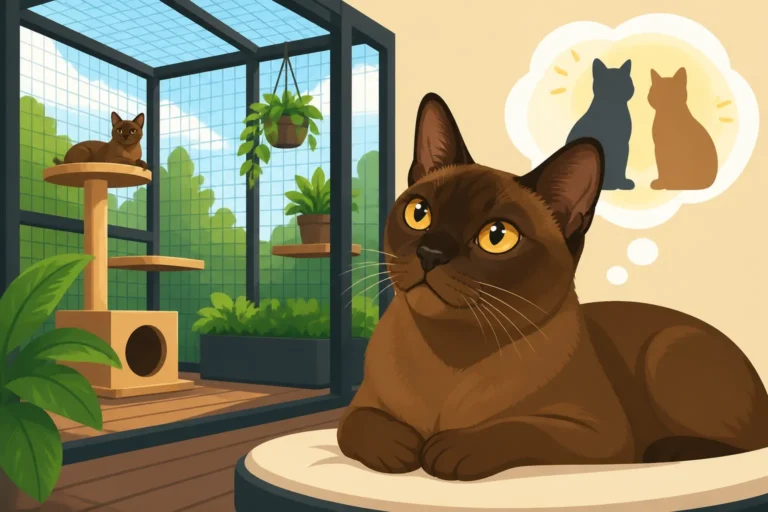
If you've ever owned a Burmese, you know precisely what I mean by "Velcro cat." They earn that nickname fair and square! These cats don't just like being with you; they need it. They'll follow you from room to room, perch on your shoulder while you work, or burrow under the covers with you at night. It's not just a cute quirk; it's deeply ingrained in their nature. They thrive on interaction, conversation (oh, their rasping rumbles!), and physical closeness. It’s part of The Burmese Is the Velcro Cat of the Cat Fancy charm, but it's also why they struggle so much when left alone. Their happiness, frankly, often hinges on having a warm body—feline or human—nearby.
How a Lonely Burmese Manifests Stress
When a Burmese doesn't get the constant companionship they crave, it doesn't just make them a little sad. It can manifest as full-blown stress and even anxiety. Imagine a dog that paces, whines, and chews on furniture when its owner leaves—that's the intensity of a Burmese's separation anxiety. You might come home to discover items knocked over, furniture scratched, or, heartbreakingly, signs that your cat has been over-grooming or pulling out their own fur. They might become excessively vocal the moment you return, or even seem withdrawn and depressed until they've re-established contact. What Separation Anxiety Looks Like in a Burmese isn't just about missing you; it's a real emotional challenge for them, often leading to destructive behaviors that are simply their desperate way of coping.
Why a Second Cat Fixes Most Burmese Problems
This intense need for company is precisely why so many Burmese breeders and experienced owners advocate for getting them in pairs, or at least introducing a suitable companion. A second cat provides that crucial, constant presence that you simply can't offer 24/7. When your Burmese has a buddy, they have someone to chase, wrestle with, groom, and nap alongside. This isn't just about entertainment; it's about emotional security. The companion fills the void when you're at work or sleeping, dramatically reducing stress and often eliminating those problematic behaviors. It's truly transformative. Why a Second Cat Fixes Most Burmese Problems isn't a luxury; for many Burmese, it's a necessity for their well-being. This is Why a Burmese Breeder Recommends Buying a Pair and why you'll often hear that Why Two Burmese Cost Less Than One Anxious One.
Key Personality Traits for a Compatible Companion
Choosing a companion for your Burmese isn't just about picking any cat. It's about finding the right personality match. You need a cat that can not only tolerate, but genuinely enjoy, the Burmese's unique social style.
Matching Energy Levels
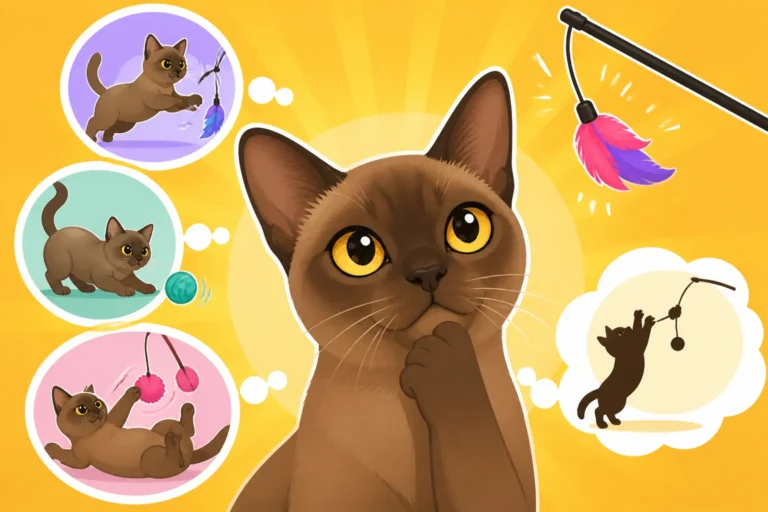
Burmese cats are incredibly playful, often maintaining a kitten-like zest for life well into their senior years. They love to chase, pounce, climb, and engage in interactive games. A sedentary or aloof companion simply won't cut it. Your Burmese needs a playmate who can keep up and reciprocate that energy. Imagine your Burmese constantly initiating games, only to be met with disinterest – it would be frustrating for them, and the purpose of the companion would be lost. You want a cat that will join in a game of chase or wrestle playfully, ensuring both cats get physical and mental stimulation. Remember, A Burmese Is Still Playing at Fifteen, so their companion needs to have some serious stamina and a love for fun, too!
Tolerance for Affection and "Velcro" Behavior
This is perhaps the most crucial trait. A Burmese doesn't just want attention; they demand it. They'll push their head into your hand, climb onto your shoulder, or insist on sharing your lap. They're not subtle. A companion cat needs to be comfortable with this level of intensity, both from you and from the Burmese itself. A cat that shies away from touch or prefers its personal space might find a Burmese's constant desire for closeness overwhelming and stressful. The ideal companion will either enjoy mutual grooming and snuggling or at least be tolerant enough to let the Burmese drape itself over them without becoming agitated. The goal is coexistence, and ideally, shared affection.
Adaptability and Resilience
Burmese cats, for all their affectionate nature, can also be quite dominant in their social interactions. They're often the ones dictating playtime or choosing the prime napping spot. A good companion will be adaptable enough to navigate these social cues without becoming overly stressed or aggressive. They should be resilient, meaning they can bounce back quickly if a playful interaction gets a little too boisterous or if the Burmese momentarily asserts its will. Cats that are prone to anxiety or struggle with changes in routine might find a Burmese's energetic and ever-present nature too much to handle. Look for a cat with a generally confident and easygoing temperament, one that can go with the flow and not be easily intimidated. This adaptability will be key in creating a truly harmonious multi-cat home.
Top Cat Breeds That Harmonize with a Burmese
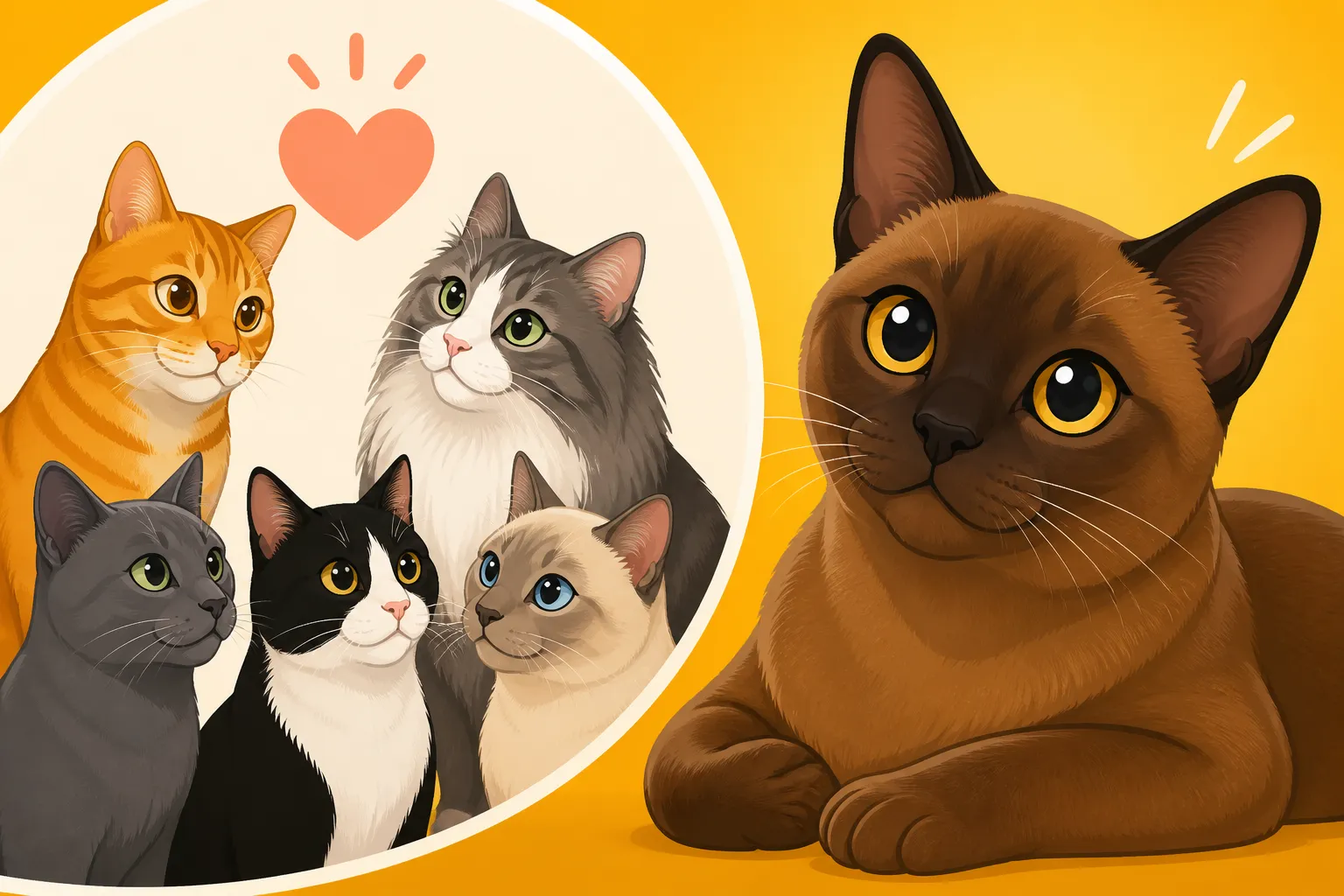
So, you're looking for a companion who can stand up to (and snuggle into) a Burmese's big personality. Thankfully, there are several breeds that tend to be excellent matches.
The Siamese
It's no surprise that the Siamese is often recommended as a companion for a Burmese, given their shared heritage and similar personality traits. These are two breeds known for their vocal nature and their absolute devotion to their human families. A Siamese will appreciate a Burmese's need for conversation and often engage in a delightful back-and-forth "chat." They're intelligent, active, and love interactive play, which perfectly complements the Burmese's energy levels. You'll often find them chasing each other through the house, wrestling playfully, and then curling up together for a nap. Their similar communication styles and desire for closeness usually make for a very strong bond, providing that constant companionship a Burmese craves.
The Tonkinese
The Tonkinese is often described as the perfect "middle ground" between a Burmese and a Siamese, literally inheriting traits from both. This makes them an absolutely fantastic choice for a Burmese companion. Tonkinese cats possess the Burmese's sweet, affectionate nature and desire for physical closeness, combined with the Siamese's intelligence and conversational skills. They are incredibly playful, outgoing, and thrive on attention, making them an ideal match for a Burmese. They're not easily intimidated and are generally very social, quickly forming strong bonds with other pets and people alike. In many ways, the Tonkinese offers the best of both worlds, ensuring your Burmese has a companion who understands their language and matches their enthusiasm. For more on their differences, you can check out How a Burmese Differs From a Tonkinese.
The Oriental Shorthair
If you appreciate the chatty, high-energy side of a Siamese but perhaps prefer a wider variety of coat colors and patterns, the Oriental Shorthair might be the perfect fit. These elegant, slender cats are essentially Siamese in every way except color and coat pattern, sharing the same outgoing, intelligent, and highly vocal personality. An Oriental Shorthair will readily engage in long "conversations" with your Burmese and will be more than happy to join in any game, no matter how boisterous. They are incredibly people-oriented and thrive on interaction, making them a superb emotional support system for a Burmese when you're not around. Their confidence and playfulness ensure they won't be overshadowed by the Burmese's presence, leading to a dynamic and engaging friendship.
The Domestic Shorthair Carefully Selected
Don't discount the humble Domestic Shorthair! While they don't come with the predictability of a purebred, a carefully selected Domestic Shorthair can be an excellent companion for a Burmese. The key here is "carefully selected." You'll need to spend time getting to know the individual cat's personality. Look for a kitten or adult cat that is described as outgoing, playful, confident, and affectionate. Avoid any cat that seems overly timid, independent, or easily stressed. Rescues and shelters often have wonderful, social cats who are desperate for a loving home and a feline friend. A good rescue organization will be able to tell you a lot about a cat's temperament and whether they've successfully lived with other active, social cats before. A well-matched Domestic Shorthair can bring all the companionship a Burmese needs, often with the added bonus of rescuing a cat in need.
Here's a quick comparison of some suitable companion breeds:
| Breed | Key Personality Traits | Energy Level | Affection Level | Vocalization | Ideal For: |
|---|---|---|---|---|---|
| Siamese | Outgoing, intelligent, curious, demands attention | High | Very High | Very High | Matching the Burmese's talkativeness and playful intensity. |
| Tonkinese | Playful, affectionate, social, balanced | High | Very High | Medium-High | Offering a blend of Burmese sweetness and Siamese wit, adaptable. |
| Oriental Shorthair | Energetic, highly vocal, intelligent, people-focused | High | Very High | Very High | Cats similar to Siamese in temperament but with varied looks, great conversationalists. |
| Domestic Shorthair | Varies widely; seek outgoing, confident, playful individuals | Medium-High | Medium-High | Medium | Owners willing to assess individual temperament for a good social fit. |
Breeds That Might Not Be the Best Fit
Just as some breeds are natural companions, others, despite being wonderful cats in their own right, might not thrive in a Burmese household. It's crucial to understand these potential mismatches to avoid creating stress for all parties involved.
Highly Independent or Aloof Breeds
The Burmese's constant need for company and intense affection can be overwhelming for cats that prefer a more solitary existence. Breeds known for their independence or a more reserved nature, such as some lines of Russian Blues or certain Persian cats, might find the Burmese's "velcro" tendencies suffocating. Imagine a cat that enjoys quiet contemplation suddenly having a Burmese trying to groom them or pester them into a game of chase multiple times a day. This constant intrusion could lead to stress for the independent cat, causing them to hide or even react defensively. The goal is harmony, not simply cohabitation, and a cat that consistently seeks solitude will struggle in a home dominated by a needy Burmese.
Shy or Timid Breeds
A Burmese is not subtle. They are boisterous, playful, and vocal. For a shy or timid cat, this can be incredibly intimidating. A Burmese will often initiate play or seek attention with a directness that can easily overwhelm a more reserved feline. A shy cat might spend most of its time hiding, constantly stressed by the exuberant presence of the Burmese. This isn't fair to either cat. The Burmese won't get the interactive playmate it desires, and the timid cat will live in a constant state of anxiety. The confidence and outgoing nature of the Burmese need to be met with a similar level of self-assurance in a companion, not fear or retreat.
Breeds with Very Different Play Styles
While some cats love to chase feather wands and wrestle, others prefer quieter forms of interaction, like batting at a toy mouse by themselves or simply observing the world from a high perch. Breeds that have a very low play drive or prefer gentle, solitary games won't be a good match for a Burmese. The Burmese will constantly try to engage them in more active, physical play, which can lead to frustration for both. The companion might feel pestered, and the Burmese will feel rejected. The entire point of a companion for a Burmese is to provide that interactive outlet for their boundless energy. If the companion isn't up for a good romp, the Burmese will still turn to you for that engagement, defeating the purpose of having a feline friend.
Introducing Your Burmese to a New Companion
Bringing a new cat into any household requires careful planning, but with a highly social and sometimes dominant Burmese, a measured approach is absolutely essential to ensure a successful integration. You want friendship, not animosity!
Slow and Steady Wins the Race
The absolute golden rule for introducing any new pet is patience. You cannot rush this process, especially with a Burmese who forms such intense attachments. Start with scent swapping: rub a towel on your Burmese and let the new cat smell it, and vice versa. Then, move to sight, keeping the cats separate but allowing them to see each other through a baby gate or screen door during supervised periods. This "safe space" viewing allows them to get used to each other's presence without direct confrontation. Progress to short, supervised meetings, always ending on a positive note before any tension arises. The entire process might take days, weeks, or even months, but investing the time upfront will prevent long-term issues. Your goal is to associate the new cat with positive experiences.
Creating Individual Spaces
Even after initial introductions, it's vital that both your Burmese and its new companion have their own designated safe spaces. This means separate sleeping areas, especially in the beginning, and readily accessible "escape routes" or high perches if one cat needs a break from the other. A cat tree, for instance, provides vertical territory that can help diffuse tension by allowing a less dominant cat to survey its surroundings from a safe height. These individual havens prevent feelings of territorial infringement and allow each cat to retreat and relax without feeling constantly pressured. Over time, as their bond grows, they might choose to share spaces, but having the option to be alone is crucial for their mental well-being. Look for multi-level cat trees on Amazon that offer plenty of perching and hiding spots.
Ensuring Enough Resources for Two
Resource guarding can quickly sour any budding feline friendship. To avoid this, you must ensure there are more than enough resources for both cats, plus one extra. This means having at least one more litter box than you have cats (e.g., three litter boxes for two cats). Provide multiple food and water bowls in different locations, so neither cat feels like they have to compete for sustenance. Each cat should have its own set of toys, scratching posts, and cozy sleeping spots. Even if they end up sharing, the initial abundance prevents conflict and allows them to feel secure in their environment. Plenty of fresh water is also vital, and a water fountain can be a great way to encourage hydration, with many excellent options available on Amazon.
Practical Considerations for a Multi-Cat Household
Once your Burmese has a new companion, the journey isn't over. Maintaining a harmonious multi-cat household requires ongoing attention, especially given the specific needs of a Burmese.
Managing Feeding Times and Diets
The Burmese breed has a notable predisposition to diabetes, making their diet a critical component of their health. This means Why Portion Control Is Medical Care in a Burmese and Why Carbohydrate Load Matters More in a Burmese. In a multi-cat household, this becomes a management challenge. Ideally, both cats should be on a low-carbohydrate, high-protein wet food diet, fed in measured portions at fixed times. This prevents free-feeding, which is a major no-no for diabetes-prone Burmese. If your new companion has different dietary needs, you might need to feed them in separate rooms or use microchip-activated feeders that only open for the designated cat. This ensures your Burmese isn't eating food that could put their health at risk, and also that the new companion gets what they need without feeling deprived.
Enrichment for Two
Just because your Burmese has a companion doesn't mean you can slack on enrichment! In fact, having two active, intelligent cats means you need to double down on providing mental and physical stimulation. Interactive toys that simulate hunting, puzzle feeders to slow down mealtime, and regular play sessions with wand toys are all crucial. Look for sturdy, engaging toys on Amazon that can withstand two energetic cats. Cat trees, scratching posts, and window perches will give them both vertical territory and opportunities to observe the world. Remember, a bored cat (or two!) can become a destructive cat. Keeping their minds and bodies active, both together and sometimes individually, will contribute immensely to their overall happiness and prevent them from finding less desirable ways to entertain themselves.
Regular Vet Checks
With two cats, especially a breed with specific health predispositions like the Burmese, regular veterinary care becomes even more important. Both cats should have annual check-ups, and your Burmese, in particular, should have its glucose levels monitored, especially as it approaches middle age. Why a Burmese's Vet Year Is Built Around a Glucose Check. Ensuring both cats are up-to-date on vaccinations and parasite prevention is also critical for the health of the entire household. Any changes in appetite, litter box habits, or behavior in either cat should warrant a prompt vet visit. Having a clear record of each cat's health, and keeping up with routine preventative care, will help catch any issues early and ensure that both your Burmese and its chosen companion live long, healthy, and happy lives together. How Often a Healthy Adult Burmese Needs Checking will typically be yearly for a healthy adult, but your vet may recommend more frequent checks for your Burmese as it ages.
Disclaimer
This article is for general informational purposes only and does not constitute professional advice. Laws, prices and regulations vary by location and change over time. Consult a qualified professional for guidance on your specific situation.