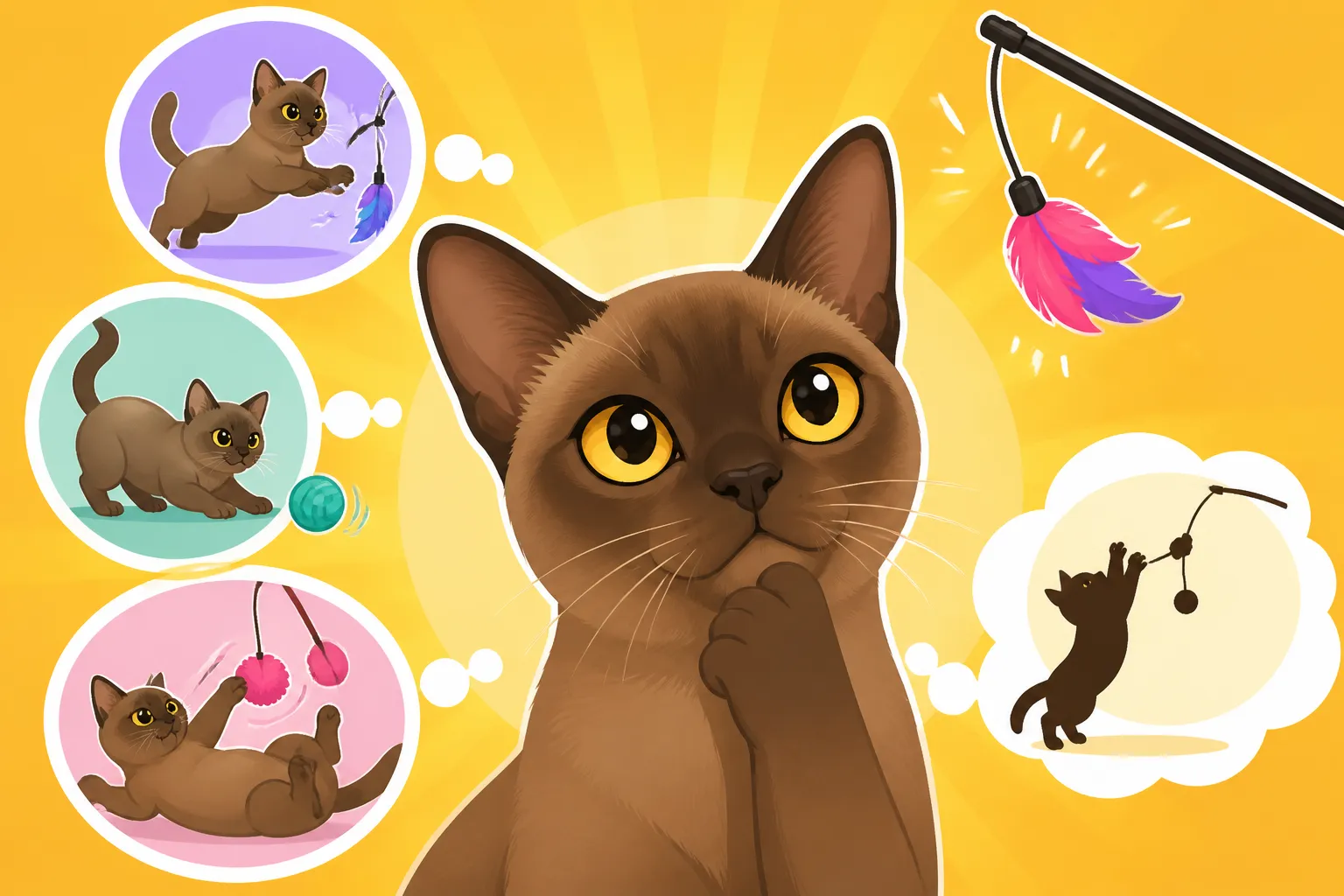
How Many Play Sessions a Burmese Asks For
It can be truly bewildering and, let's be honest, sometimes a little exhausting, to keep up with the boundless energy and unwavering demand for attention a Burmese cat brings into your home. Many new owners quickly realize that the typical "cat" play schedule they're used to simply doesn't apply here. This guide will help you understand the unique play needs of your Burmese, how those needs change over their lifespan, and how to successfully integrate consistent and engaging play sessions into your daily routine without feeling completely overwhelmed.
The Burmese's Insatiable Need for Play: More Than Just a Game
If you've ever owned a Burmese, you know they're not just cats; they're tiny, furry, affectionate hurricanes of energy and curiosity. Their demand for play isn't just a casual request for entertainment; it's a fundamental part of their well-being, both physically and mentally. This breed thrives on interaction and activity, and without it, they can become bored, destructive, or even anxious. It’s not just about burning off steam; it’s about fulfilling their deep-seated need for connection and mental stimulation.
Understanding the Play Drive: Why It's So Intense
The Burmese is often described as a "dog in a cat's body," and nowhere is this more evident than in their approach to play. They don't just bat at a toy for a few minutes and then wander off; they engage, they stalk, they retrieve, and they demand your full participation. This intense play drive stems from their highly intelligent and social nature. They are incredibly people-oriented, and play is one of their primary ways of bonding with their human companions. It’s a reciprocal activity for them, not a solo performance for your amusement. Think of it less as a chore and more as a key component of their daily "work" – investigating, pouncing, and exercising their keen minds. This constant engagement helps prevent boredom, which can lead to unwanted behaviors.
For many owners, the sheer intensity can be a surprise. You might have envisioned a cat that enjoys a short chase of a laser pointer, but your Burmese is likely to want to play until you are tired, not them. They love games that mimic hunting, but they also adore interactive games that involve their humans directly, like retrieving thrown toys or playing hide-and-seek. It’s not uncommon to find your Burmese bringing you a toy, dropping it at your feet, and looking up at you with expectant eyes, ready for another round, even after what feels like an hour of continuous play. Their physical prowess, combined with their sharp minds, means they need outlets that challenge both.
The Consequences of Insufficient Play
Neglecting a Burmese's need for play isn't just about them being a little bored; it can lead to significant behavioral and even health issues. A Burmese that doesn't get enough interactive play can quickly become a destructive force in the home. They might scratch furniture excessively, chew on inappropriate items like cords or fabric, or even start climbing curtains – simply because they have an abundance of untapped energy and mental stimulation that needs an outlet. This isn't malice; it's a desperate cry for engagement. I've heard countless stories of owners coming home to shredded toilet paper rolls or rearranged shelves, all symptoms of a cat seeking stimulation where they can find it. What a Burmese Does to a House It Is Left In can be quite a shock if their needs aren't met.
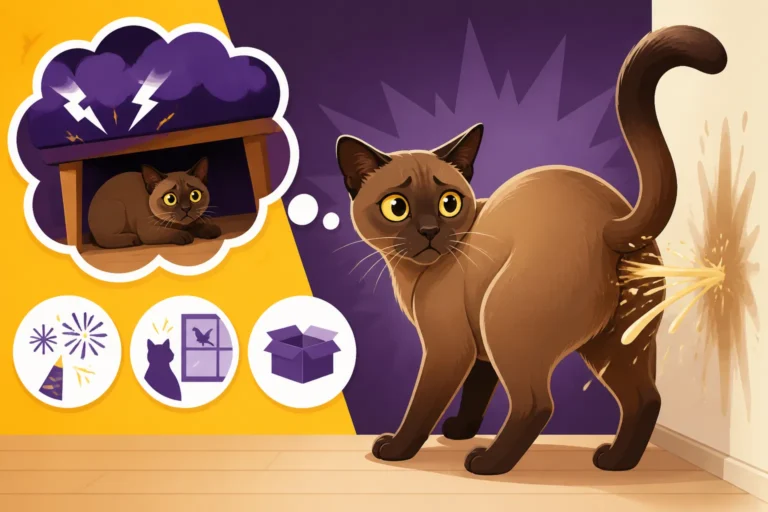
Beyond destruction, insufficient play can manifest as anxiety or even depression. A lonely Burmese might pull out its own fur, over-groom, or develop excessive vocalizations – that distinctive rasping rumble they use, but now expressing distress rather than affection. They might become withdrawn, less affectionate, or even aggressive out of frustration. Moreover, a lack of activity contributes to weight gain, which is a serious concern for a breed already prone to certain health issues. Why Weight Is the Only Lever a Burmese Owner Has when it comes to managing their health, and regular, vigorous play is crucial for maintaining a healthy weight. Their overall zest for life, which is so characteristic of the breed, can diminish if they're not given ample opportunity to express themselves through play.
How Play Sessions Evolve as Your Burmese Grows
The play demands of a Burmese aren't static; they naturally shift as your cat moves through different life stages. A tiny kitten will have bursts of frenetic energy, while a seasoned senior might prefer more gentle, focused interaction. Understanding these transitions is key to providing appropriate and satisfying play experiences throughout your Burmese's life. It's about adapting your approach to meet their evolving needs, ensuring they remain happy, healthy, and engaged, no matter their age.
The Energetic Demands of a Burmese Kitten
Burmese kittens are tiny bundles of pure, unadulterated energy. From the moment they're old enough to stumble around, they're exploring, pouncing, and practicing their hunting skills. You'll find them running, jumping, climbing, and engaging in intense bouts of play with their littermates, and then, ideally, with you. During these formative weeks and months, they need frequent, short bursts of interactive play throughout the day. We're talking multiple sessions – perhaps 5 to 6 brief but intense 10-15 minute sessions. These aren't just for fun; they're critical for their physical development, coordination, and learning appropriate social boundaries.
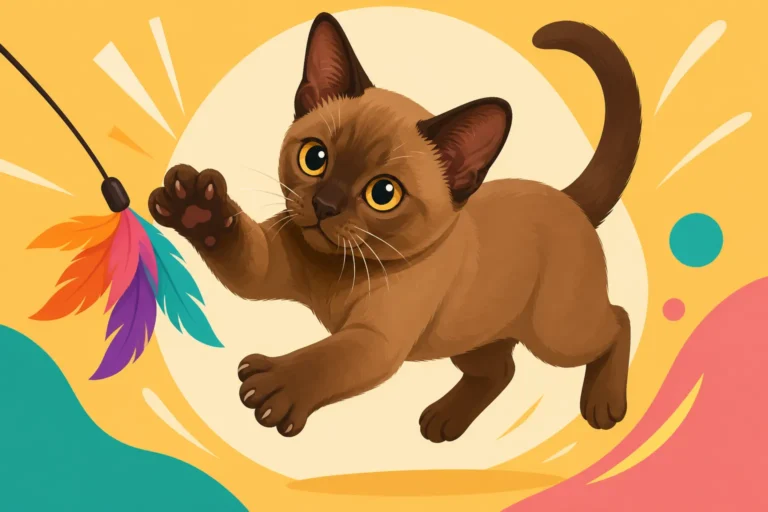
A kitten needs a variety of toys to keep their interest piqued. Wand toys that mimic birds or small prey are fantastic for encouraging their natural hunting instincts. Small, crinkly balls or felt mice they can bat around and chase are also big hits. It’s important to engage them directly with these toys, encouraging them to stalk, pounce, and "kill" their prey. This early, consistent interaction also helps build a strong bond between you and your kitten. Remember, a Burmese kitten is socialized early by the breeder, often staying until Why a Burmese Kitten Stays Until It Is Socialized, and they expect that level of interaction to continue. Neglecting this crucial play phase can lead to a less confident or less socially adept adult cat.
Adult Burmese: Sustained and Engaging Play
Once your Burmese transitions into adulthood, usually around one year of age, their play demands might become slightly less frenetic than a kitten's, but no less intense or necessary. Adult Burmese cats typically need at least two, often three, dedicated interactive play sessions a day, each lasting a minimum of 15-20 minutes, sometimes stretching to 30 minutes or more if they're really into it. These sessions should be vigorous and engaging, allowing them to truly exert themselves both physically and mentally. Think of it as their daily workout combined with brain games.
Interactive toys are still paramount. Wand toys are fantastic for encouraging high jumps and acrobatic moves. Retrieve games are a favorite for many Burmese, showcasing their dog-like tendencies. You might find yourself throwing a soft toy down a hallway repeatedly, marveling at how tirelessly they bring it back. Puzzle feeders can also provide excellent mental stimulation, making them "work" for their food, which can be a valuable addition, especially for Why a Burmese Is Four Times More Likely to Become Diabetic due to their genetics. These activities keep their minds sharp and their bodies lean. Consistency is key here; Burmese thrive on routine, and knowing when their play sessions are coming can actually help manage their energy and prevent them from finding less desirable outlets for it. How Much Play a Burmese Still Demands at Ten can still be surprisingly high, so don't expect them to "grow out" of it entirely.
Senior Burmese: Gentle Yet Consistent Play
Even as your Burmese gracefully enters their senior years, typically around When a Burmese Counts as Senior, their need for play doesn't disappear; it simply adapts. A senior Burmese might not be jumping to the ceiling or tearing through the house at warp speed anymore, but they still crave mental engagement and gentle physical activity. Aim for two shorter, more gentle play sessions a day, perhaps 10-15 minutes each. The focus here shifts from high-impact acrobatics to more thoughtful, less strenuous interaction.
Soft toys that can be batted or retrieved without too much running are perfect. Laser pointers, used carefully and always ending with a tangible reward, can still be engaging. Even a simple feather wand moved slowly across the floor can capture their attention and encourage a gentle pounce. It's crucial to watch for signs of discomfort or fatigue and adjust play accordingly. Arthritis or other age-related issues might mean they can't jump as high or run as fast, but they still love the attention and mental stimulation. Play is an excellent way to keep their joints mobile and their minds active, contributing to their overall quality of life in their golden years. What an Old Burmese Still Wants to Play is often just a slightly slower version of their younger selves, still seeking that cherished connection with you.
Structuring Your Day Around a Burmese's Play Demands
Integrating multiple play sessions into a busy day can feel like a daunting task, especially when you consider how demanding a Burmese can be. However, with a little planning and creativity, it's entirely possible to meet their needs without sacrificing your own sanity. The key is to think about quality over quantity in some respects, but also to recognize that for a Burmese, quantity is often part of the quality. It's about finding a rhythm that works for both of you.
Morning and Evening Rituals: Starting and Ending the Day Right
For most Burmese owners, the most consistent play opportunities arise at the beginning and end of the day. A morning play session, even a brisk 15-minute chase with a wand toy or a vigorous game of fetch, can set a positive tone for your cat. It helps them burn off some of that overnight energy and gives them focused attention before you get caught up in your daily tasks. This often means they'll be calmer and more content while you're getting ready or heading out the door. Think of it as their pre-workout warm-up before you leave them to their (hopefully) contented naps.
The evening is often the main event for play. This is when you can dedicate a longer, more intensive session, perhaps 20-30 minutes, to really engage their hunting instincts. This could involve complex wand play, where you mimic prey behavior, or a series of retrieve games that get them running. A tired cat is generally a happy cat, and an evening play session before their last meal can contribute to a peaceful night for everyone. Many Burmese will then settle down for a good long snuggle, which is their way of decompressing and bonding after their "hunt." These consistent bookends to your day are incredibly important for their routine and sense of security.
Mid-Day Solutions: When You Can't Be There
Let's face it, most of us aren't home all day, and this is where the Burmese's intense social needs can become a challenge. Why a Burmese Cannot Be Left Alone All Day is a real concern for many, and it directly impacts their play. While interactive play with you is irreplaceable, there are strategies to provide stimulation when you're away. Puzzle feeders are a fantastic invention for keeping their minds busy and slowing down their eating – a real bonus for this diabetes-prone breed. You can find many options on Amazon that dispense treats or kibble as your cat manipulates them.
Automatic toys, such as laser pointers that move randomly or battery-operated toys that mimic prey, can offer intermittent entertainment. While these don't replace human interaction, they can break up the monotony of a long day. Placing a bird feeder outside a window can provide hours of fascinating "cat TV." However, the most effective solution for a Burmese that spends significant time alone is often another cat. Burmese breeders frequently recommend buying them in pairs for a reason: Why Burmese Breeders Sell Them in Pairs. Another feline companion, especially another Burmese or a similarly active breed, can provide constant companionship and play, significantly reducing the burden on you to be their sole entertainer. This isn't just about fun; it’s about their mental and emotional health.
Utilizing Tools and Toys to Maximize Engagement
The right tools can make a huge difference in the quality and effectiveness of your play sessions. High-quality wand toys with interchangeable lures are a must. Look for options on Amazon that are durable and have various attachments like feathers, ribbons, or small stuffed animals to keep things fresh. These allow you to simulate different prey movements, which appeals to their natural hunting instincts. A good, sturdy wand allows for powerful sweeps and high jumps, giving your Burmese a full physical workout.
For retrieve games, soft, lightweight balls or crinkly toys are ideal. Some Burmese will even play with small soft toys shaped like mice or birds. The trick is to find what your individual cat enjoys fetching and bringing back to you. Beyond interactive toys, consider vertical space. Cat trees, shelves, and climbing structures provide opportunities for climbing, perching, and surveying their domain, which is a form of enrichment. Even a simple tunnel or a large paper bag can provide endless entertainment. Rotate toys regularly to keep things interesting and prevent boredom. Don't forget that even everyday objects can become toys; a crumpled piece of paper or a stray hair tie can sometimes be more exciting than an expensive toy, though always supervise to ensure they don't ingest anything harmful.
Recognizing When Your Burmese Needs More (or Less) Play
Understanding your Burmese's cues for play, and when their needs might be shifting due to health or age, is a crucial part of being a responsible owner. They might not use words, but their body language and behavior speak volumes. Being attuned to these signals allows you to adjust your routine, ensuring they're always getting the right amount of physical and mental stimulation.
Reading Their Play Cues and Energy Levels
Your Burmese will become quite adept at telling you when it's play time. They might bring you a toy, drop it at your feet, and stare intently, perhaps with a soft, persistent vocalization – that characteristic Burmese rasping rumble. Some will bat at your hand or ankle as you walk by, or even try to climb onto your shoulder to get your attention. If they're particularly eager, they might do what I call the "play dance" – a crouched position, wiggling rear end, and intense focus, ready to pounce on whatever you offer.
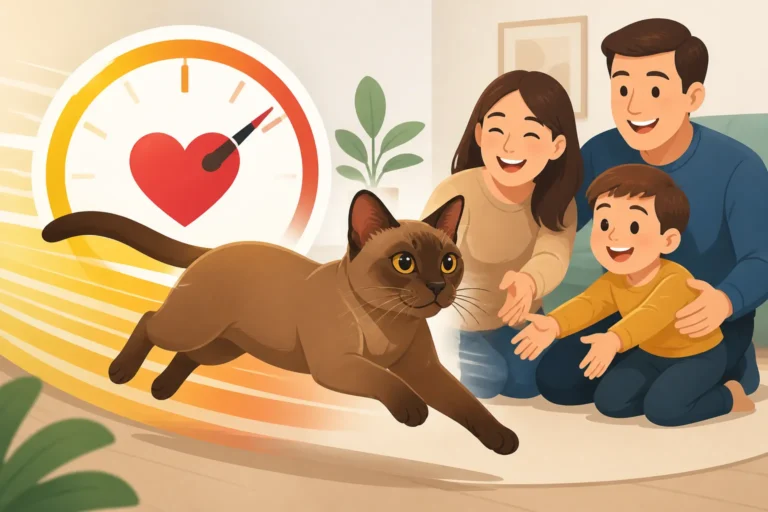
Beyond these direct requests, observe their general energy levels. Are they zooming around the house, performing "zoomies" that suggest pent-up energy? Are they batting at objects or exhibiting destructive behaviors like scratching where they shouldn't? These are all signs that they need more outlets for their energy. Conversely, if your Burmese seems sluggish, uninterested in their usual favorite toys, or quickly tires during a play session, it might be a sign they're not feeling well. This is where your close observation skills come into play. A healthy Burmese is usually a highly energetic one, and any significant dip in that energy warrants attention.
Adjusting Play for Health and Age
As your Burmese ages, or if they develop health conditions, their capacity for play will inevitably change. It's important to be sensitive to these shifts and adjust your play style and duration accordingly. For older cats, look for signs of arthritis, such as stiffness, reluctance to jump, or a slower gait. If you notice these, opt for ground-level games, shorter sessions, and softer landing areas. Toys that they can bat from a comfortable position, rather than chase vigorously, will be more appropriate. Caring for a Burmese Past Twelve often means being more mindful of their physical limitations.
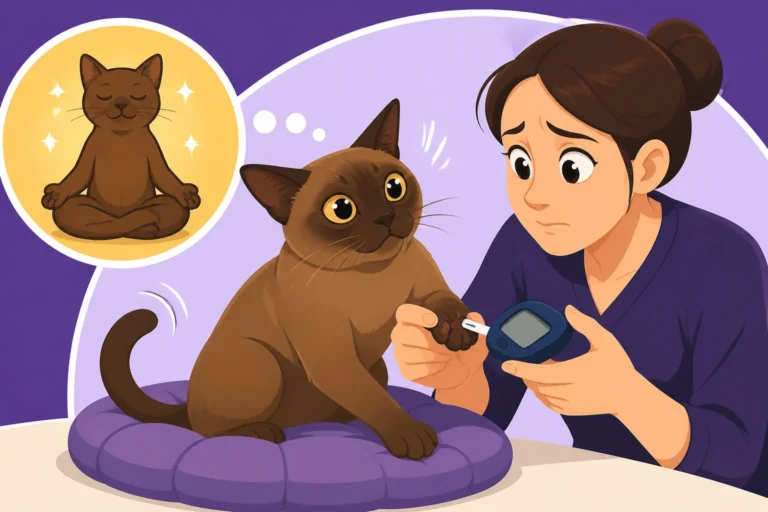
A Burmese diagnosed with diabetes, a common concern for the breed, might need modifications to their play routine, especially if they are on insulin. Exercise is still important for weight management, but sudden, intense bursts of activity can sometimes affect blood sugar levels. Work with your vet to understand the best approach. If your Burmese is recovering from an illness or surgery, they will need gentle, minimal play, slowly increasing as they regain strength. A sudden and prolonged disinterest in play, coupled with other subtle changes, can be a major red flag that your highly affectionate Burmese is hiding an illness. Why a Burmese Hides Illness Behind Its Affection is something owners need to be acutely aware of. Always err on the side of caution and consult your vet if you notice a significant or unexplained change in their play behavior or energy levels.
The Importance of Consistent, Varied Play
The truth about the Burmese is that they're never truly "over" playing. Their kittenish zest for life tends to last well into their senior years, making them wonderful, engaging companions for their entire lives. But this also means that consistency and variety in their play routine are not just beneficial, they're essential. A routine helps them understand when to expect that valued interaction, and variety keeps their sharp minds from becoming bored.
Imagine your Burmese as a highly intelligent, perpetually curious toddler. They thrive on routine because it provides security and predictability, but they also crave novelty and challenge. Offering a mix of different types of play – some focused on vigorous exercise, others on problem-solving, and still others on simple, comforting interaction – will keep them stimulated and happy. This might mean dedicating one session to high-flying wand play, another to retrieve games, and a third to exploring a new puzzle feeder you found on Amazon. Don't be afraid to get creative; hiding treats for them to find, or even a game of "chase the human" around the house, can be incredibly engaging for them.
Ultimately, the number of play sessions a Burmese "asks for" is less about a rigid count and more about their individual personality, age, and your ability to meet their profound need for interaction. For kittens and active adults, it's often two to three dedicated, vigorous sessions of 15-30 minutes each, supplemented by spontaneous interactions and mentally stimulating activities throughout the day. For seniors, it might be two shorter, gentler sessions. The key takeaway is that a Burmese needs a lot of your time and attention, and their playful spirit is one of their most endearing qualities – one that, when nurtured, leads to a truly fulfilling companionship. If you are ever faced with the question of Why a Burmese Is Left Alone All Day Ends Up Rehomed, it's often because their owners couldn't meet this critical need.
Disclaimer
This article is for general informational purposes only and does not constitute professional advice. Laws, prices and regulations vary by location and change over time. Consult a qualified professional for guidance on your specific situation.