Why an Anxious Burmese Pulls Its Own Fur Out
It's incredibly distressing to see your beloved Burmese pulling out their own fur. It’s not just a cosmetic issue; it's a clear cry for help from a cat experiencing significant emotional discomfort. This guide will walk you through understanding why your intensely affectionate Burmese might resort to overgrooming, how to identify the underlying anxieties, and practical, empathetic steps you can take to bring them comfort and peace.
The Deep Connection Between Burmese Anxiety and Overgrooming
Burmese cats are renowned for their incredibly people-oriented, almost dog-like personalities. They crave companionship and thrive on interaction, which is precisely what makes them so special. But this deep bond comes with a flip side: they are highly susceptible to anxiety, especially when they feel lonely or their routine is disrupted. When a Burmese pulls its fur out, it's rarely just a bad habit. It's almost always a manifestation of deep-seated stress or anxiety, and understanding this is the first step towards helping them.
Imagine a highly social person suddenly isolated, or a child constantly worried about being left behind. That's a glimpse into the emotional world of an anxious Burmese. Their very nature, which makes them such wonderful companions, also makes them vulnerable. They are exquisitely tuned to their human family, and any perceived lack of attention, sudden change, or feeling of insecurity can trigger a profound emotional response. This isn't a cat being "naughty" or "defiant"; it's a cat struggling to cope with overwhelming feelings, and overgrooming becomes a physical outlet for that internal turmoil.
It’s crucial to remember that overgrooming isn't a behavior they choose consciously to annoy you. It’s a self-soothing mechanism, much like a person biting their nails or twirling their hair when stressed. The act of licking and pulling releases endorphins, offering a temporary sense of calm. However, it’s a vicious cycle because the underlying anxiety remains, leading to more fur pulling, skin irritation, and potential infections. This is why addressing the root cause of the anxiety, rather than just the fur pulling, is paramount.
Spotting the Subtle and Obvious Signs of Anxiety in Your Burmese
Before the fur pulling becomes noticeable, there are often earlier, more subtle signs that your Burmese is struggling with anxiety. Being such an affectionate and communicative breed, they tend to make their feelings known, but sometimes we, as their devoted humans, might miss the initial cues or misinterpret them. Learning to read these early warnings can help you intervene before the behavior escalates.
One of the most telling signs is a change in their famous "velcro cat" tendencies. While a Burmese is usually glued to your side, an anxious one might become even more clingy, almost desperately seeking reassurance. They might follow you from room to room with an intensity that feels different, or become exceptionally vocal with their characteristic The Rasping Rumble a Burmese Uses Instead of a Meow. Conversely, some anxious Burmese might become withdrawn, hiding more than usual, or refusing to engage in play sessions they once loved. It's a tricky balance because a withdrawn Burmese is a rare and worrying sight. Why a Burmese That Stops Following You Is Unwell should always prompt a closer look.
Other behavioral changes to watch for include alterations in appetite or litter box habits. An anxious Burmese might suddenly become very picky about food or, paradoxically, eat ravenously as a coping mechanism. Changes in urination or defecation, like Why an Anxious Burmese Sprays outside the box, can also signal stress, ruling out any medical issues first, of course. They might also start destroying furniture or household items, not out of malice, but as an outlet for pent-up energy and frustration. Pay attention to how they interact with other pets or family members; an anxious cat might become more irritable, less tolerant, or even try to avoid interactions they previously enjoyed. Consider how many hours they are truly alone, as How Many Hours Before a Burmese Starts to Suffer is often fewer than owners expect.
Here’s a quick overview of common anxiety signs:
| Category | Early Warning Signs | Advanced Signs (Often with Fur Pulling) |
|---|---|---|
| Social | Excessive clinginess or sudden withdrawal | Hiding, reluctance to interact, destructive behaviors |
| Vocalization | Increased or altered rasping/rumbling | Persistent vocalization, often sounding distressed |
| Grooming | Frequent, repetitive licking without pulling | Patchy fur loss, skin irritation, visible pulling of fur |
| Appetite | Pickiness, sudden increase or decrease in food intake | Why a Burmese's Appetite Goes When It Is Unhappy, weight changes |
| Litter Box | Occasional accidents, changes in frequency | Urinating/defecating outside the box, spraying |
| Destruction | Increased scratching on inappropriate surfaces | Chewing on fabric or household items |
| Activity | Restlessness, pacing, difficulty settling down | Lethargy, excessive sleeping, or frantic bursts of energy |
Why a Burmese Expresses Stress by Pulling Its Own Fur
When a Burmese starts pulling its fur, it’s typically because the internal stress has reached a point where their usual coping mechanisms are no longer sufficient. This behavior, formally known as psychogenic alopecia or compulsive overgrooming, means they're literally trying to groom their anxiety away. The repetitive licking, chewing, and pulling stimulate nerve endings, which can temporarily distract them from their emotional discomfort.
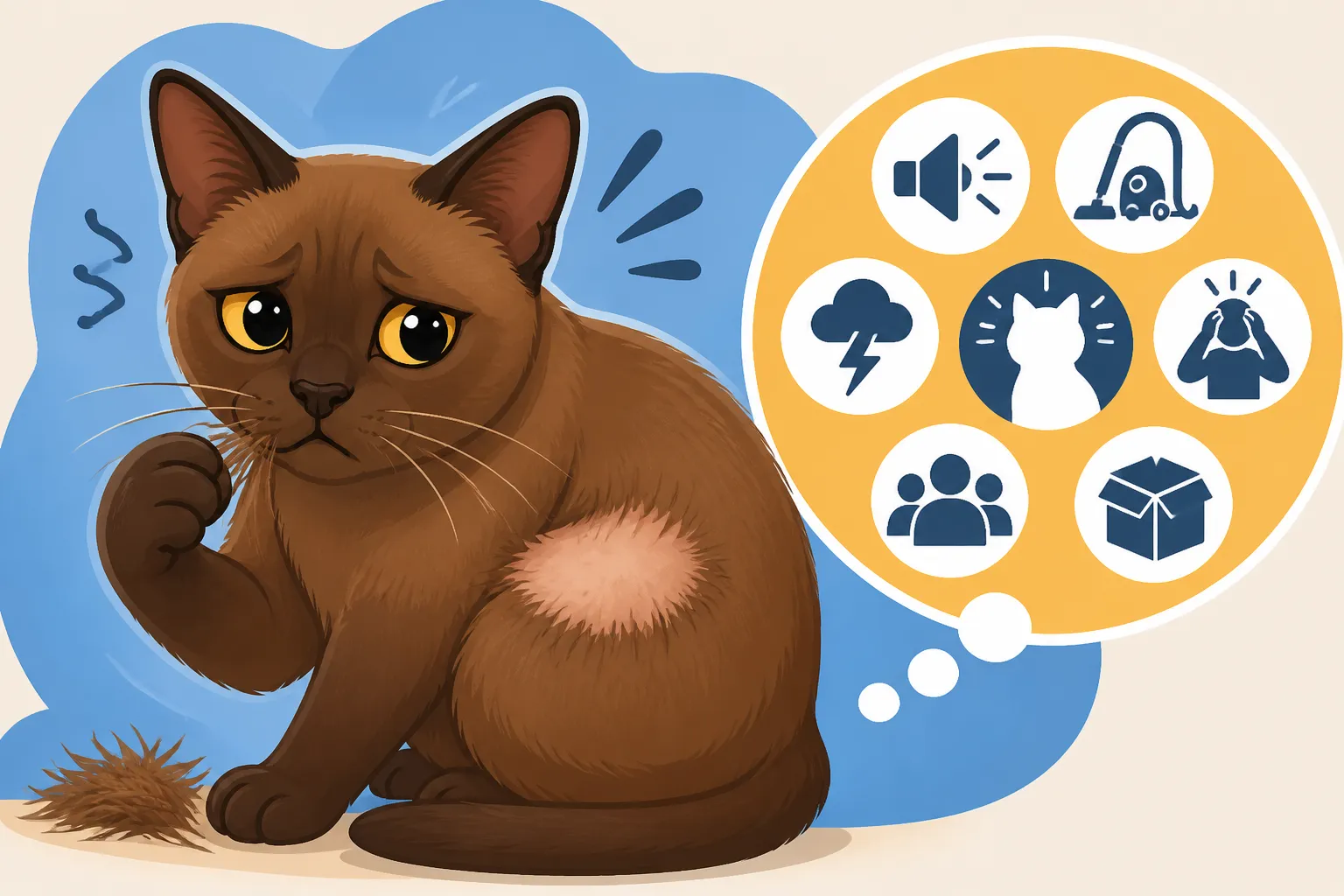
The feeling of their teeth gently tugging at the fur, or their rough tongue repeatedly stroking their coat, provides a tactile sensation that can be incredibly soothing. It’s a self-generated comfort, a way to regain some control when their internal world feels chaotic. What starts as excessive licking can quickly escalate to actual fur pulling, leading to bald spots, often on their belly, inner thighs, or flanks – areas they can easily reach. The skin underneath might appear red, irritated, or even develop sores due to constant attention.
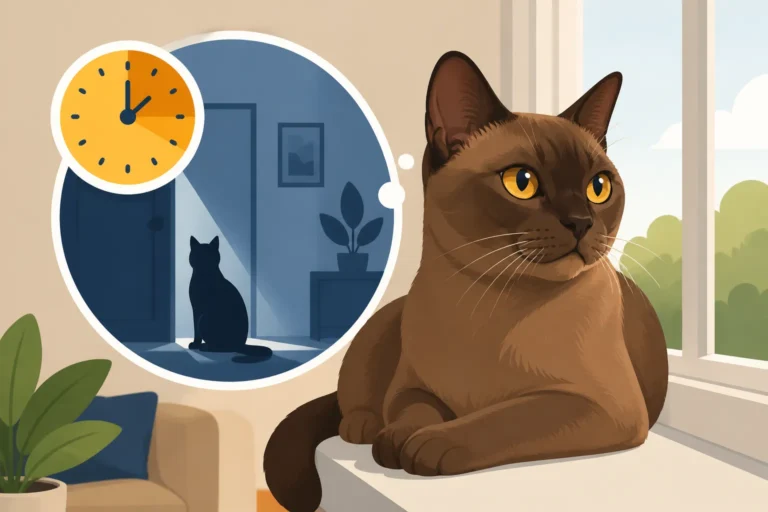
Often, the underlying cause is something that triggers their innate need for companionship and security. What Separation Anxiety Looks Like in a Burmese is a prime culprit. If you've recently changed your work schedule, gone on a vacation, or even just altered your daily routine, your Burmese might interpret this as abandonment or a threat to their established bond with you. Their world revolves around you, and any perceived disruption to that central relationship can be profoundly unsettling. It's not just physical separation; a busy household where they feel overlooked, even when you're present, can trigger anxiety. Remember, Why a Burmese Cannot Be Left Alone All Day is a fundamental truth of this breed.
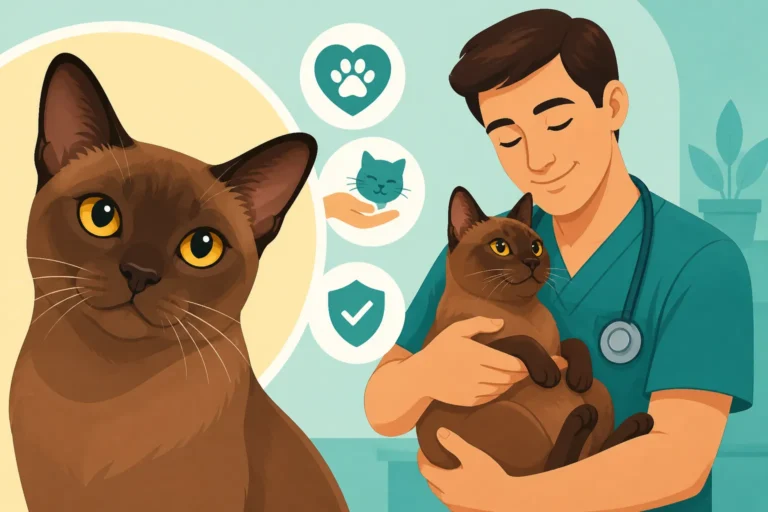
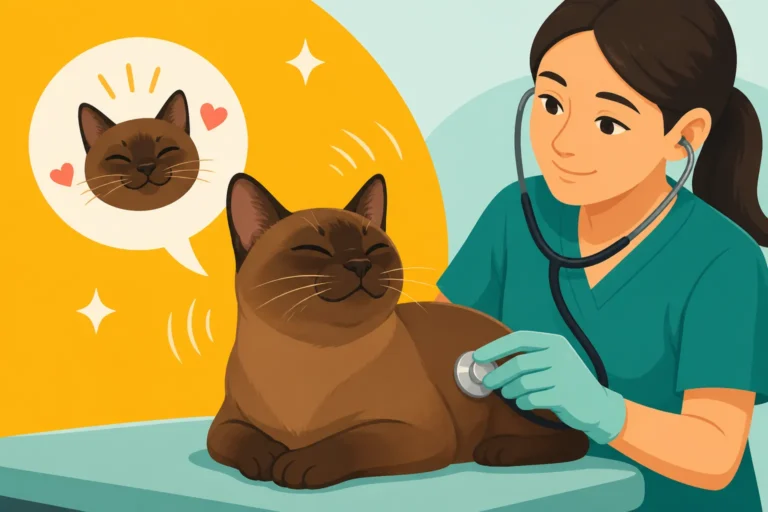
Sometimes, physical discomfort can also lead to overgrooming. It’s vital to rule out any medical causes like allergies, parasites, fungal infections, or pain before concluding it’s purely behavioral. A trip to the vet is always the first port of call when you notice fur pulling. Once physical causes are excluded, then you can confidently focus on the emotional and environmental triggers, understanding that the fur pulling is their chosen method of communicating distress.
Strategies to Calm an Anxious Burmese and Prevent Fur Pulling
Helping an anxious Burmese means adopting a holistic approach that addresses their emotional needs, enriches their environment, and potentially involves professional guidance. This isn't a quick fix; it's a commitment to understanding and supporting your sensitive companion.
Providing Consistent Routine and Companionship
One of the most powerful tools against Burmese anxiety is consistency. These cats thrive on routine. Try to maintain regular feeding times, play sessions, and cuddle moments. If your schedule has changed, introduce new routines gradually. If you must be away for extended periods, consider solutions that address their profound need for company. For many Burmese, especially those prone to anxiety, a second cat is not a luxury but a necessity. Why Burmese Breeders Sell Them in Pairs and Why Two Burmese Settle Each Other are testaments to this breed's need for constant interaction. If you're considering another feline companion, look for a breed known for its sociability, as Which Cats Are Sociable Enough for a Burmese can make all the difference.
Physical interaction is also key. Spend dedicated time petting, playing, and simply being present with your Burmese. Remember, they are the "velcro cat" for a reason – they want to be with you. Even just having them in the same room while you work or relax can make a huge difference.
Environmental Enrichment and Distraction
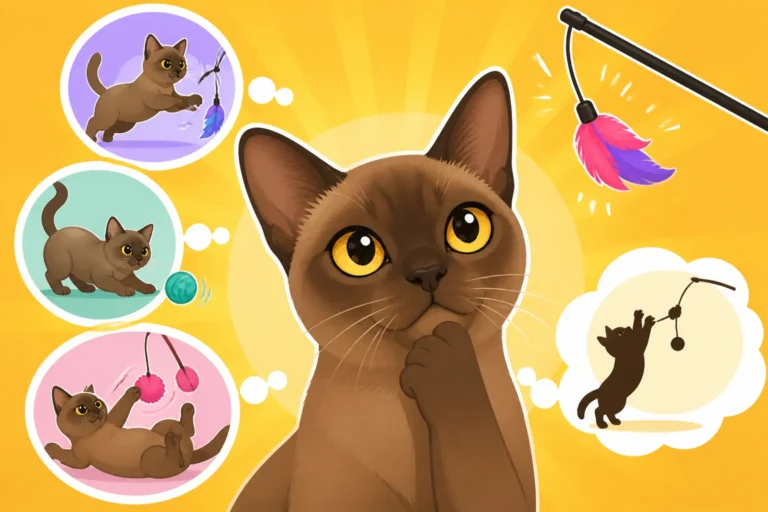
A stimulating environment can help redirect anxious energy. Think about vertical spaces: cat trees, shelves, or window perches where they can observe their territory. Puzzle feeders, readily available on platforms like Amazon, can engage their minds and make mealtime a mentally stimulating activity rather than just a quick gulp of food. Rotate toys regularly to keep things fresh and interesting. Wand toys are often a favorite for Burmese, tapping into their playful nature.
Consider pheromone diffusers or calming sprays in areas where your Burmese spends a lot of time. These products can create a sense of security and reduce stress, often found with good reviews on Amazon. Soft, warm beds in quiet corners, or even a heated cat bed, can provide a safe haven. Making a Room Bearable for a Burmese Left Alone involves ensuring they have access to comfortable, secure spots, along with plenty of toys and clean water.
Addressing Specific Triggers
If you can pinpoint specific triggers for their anxiety, you can work on mitigating them. For instance, if your Burmese gets stressed by loud noises, try creating a "safe room" during thunderstorms or fireworks. If visitors cause anxiety, establish a quiet retreat for your cat during social gatherings. If their overgrooming spikes when you're away, then the separation anxiety needs direct attention. What a Camera Catches a Lonely Burmese Doing can provide invaluable insights into their behavior when you're not there, helping you understand the patterns and intensity of their distress.
For severe cases, your veterinarian might suggest medication to help manage anxiety while you implement behavioral changes. This is often a temporary measure to break the cycle of stress and allow your cat to respond more effectively to environmental modifications. A qualified veterinary behaviorist can also offer tailored advice and a structured plan to address the specific anxieties of your Burmese. They can help you understand the nuances of What Settles a Burmese That Has Been Left Too Long and develop long-term strategies.
Remember, patience and consistency are your greatest allies. It takes time for an anxious cat to unlearn a coping mechanism like fur pulling and to build new, healthier responses to stress. Your unwavering love and dedication are the most important elements in helping your Burmese find their peace again.
Disclaimer
This article is for general informational purposes only and does not constitute professional advice. Laws, prices and regulations vary by location and change over time. Consult a qualified professional for guidance on your specific situation.